Home Page | Blog | 10 Things to Consider Before Hiring an Interior Designer
10 Things to Consider Before Hiring an Interior Designer
9/22/2026
The first meeting with an interior designer tends to arrive quickly. A new apartment is handed over, a villa purchase completes, or a family finally decides the reception rooms deserve better. The call is made, the meeting is booked, and the owner walks in with a handful of saved images and a feeling. The designer arrives with a portfolio and a process, and the next hour is spent discovering things the owner could have settled at home.
Owners who prepare before that first meeting get more from it. Their brief is sharper, their proposals come back more accurate, and their projects move faster from concept to handover. As an interior designer in UAE working with homeowners every week, our team sees the same ten considerations shape how a project unfolds, and they are set out below.
Each one is something to settle before the first conversation: the property, the household, the belongings, the scope, the timeline, the budget, the taste, the realities of daily life, the decision-making, and the kind of designer the project needs. Together they turn a vague wish into a brief a designer can work with from day one.
1. Gather Everything About the Property
A designer's first task is understanding the space, and owners can hand over most of what is needed at the first meeting. Collect the floor plans, ideally the developer's dimensioned drawings or any as-built set from a previous renovation. Add the unit or plot number, the handover documents, and photographs of every room, taken from the doorway and each corner so the whole space is visible.
Rules matter as much as dimensions. Tower apartments come with building management guidelines covering working hours, lift bookings, noise and the approval process for works. Villa communities publish design guidelines for anything visible from the street, including façades, pergolas and boundary walls. Owners who bring those documents to the first meeting let the designer spot constraints early, before a concept is built on assumptions.
Note the condition of the property as well. A home at developer handover, a shell-and-core unit and a lived-in property needing renovation each call for a different scope, programme and budget. A few lines describing what exists today, what works well and what frustrates you give the designer a starting point far more useful than a blank plan.
2. Describe How Your Household Actually Lives
The most valuable document an owner can bring is a written description of daily life at home. List who lives there, the ages of the children, whether household staff live in, and whether elderly parents visit or stay for long periods. Describe how the family spends a typical weekday, how weekends differ, and where each person likes to be in the evening.
Hosting deserves its own paragraph. Note how often you entertain, for how many guests, and in what style: formal dinners for twenty, large family gatherings through Ramadan, or relaxed evenings with a few friends. Separate men's and women's majlis, a show kitchen alongside a working kitchen, and a guest bathroom close to the reception rooms all follow directly from those answers.
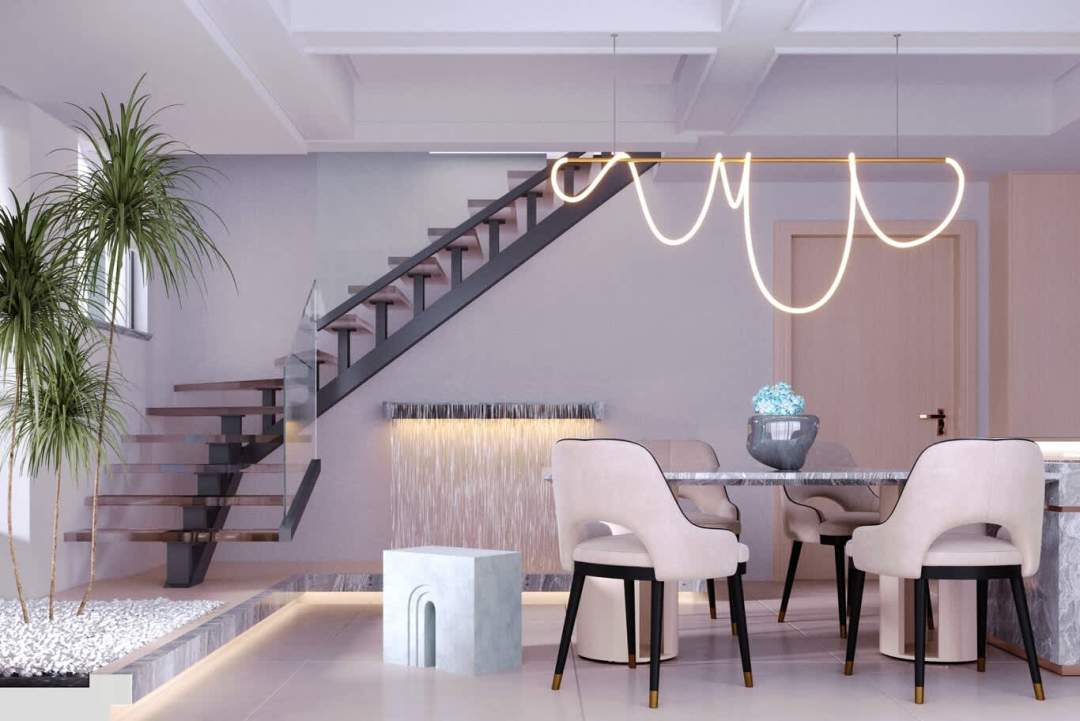
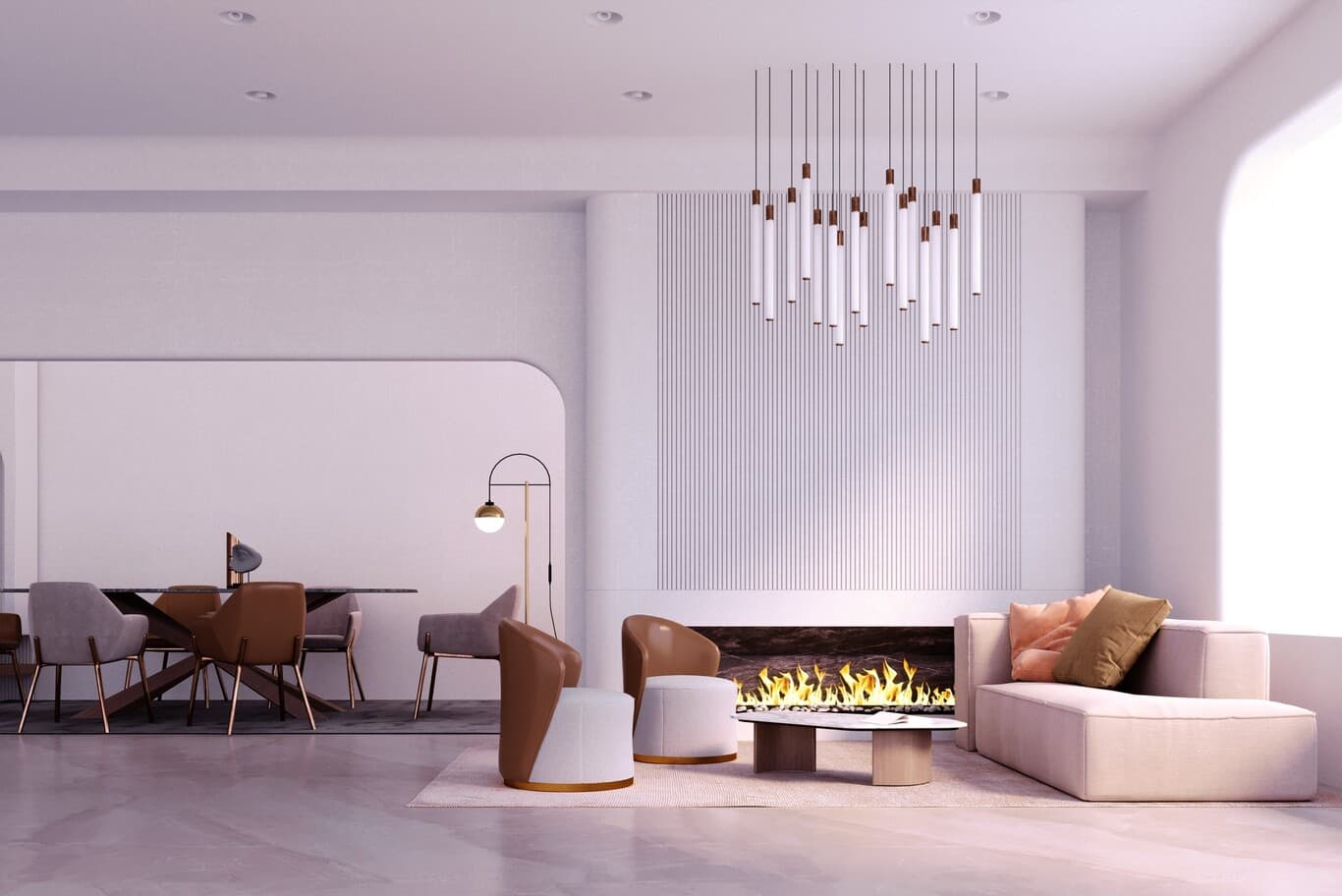
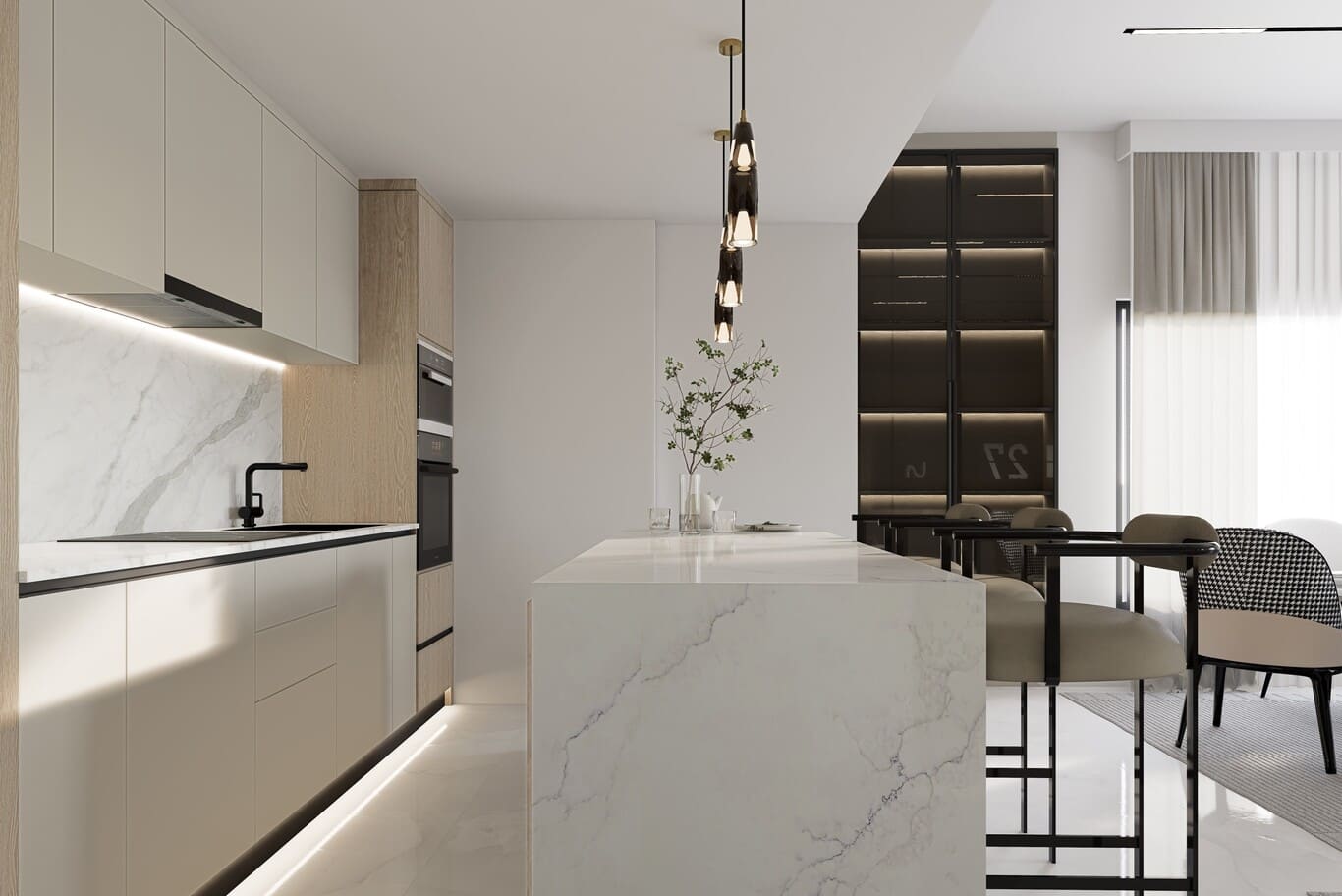
Good layouts grow from that information, even in compact homes. Case in point: in a compact apartment we designed in Al Habtoor City, an open-plan living room connects the dining area, kitchen and living space into one shared zone, and a bright palette makes the modest footprint feel far more generous. The layout answered the owner's wish for a light, social home with modern, minimal rooms, and the brief shaped every decision that followed.
3. Decide What Stays and What Goes
Most homes contain pieces worth keeping: an inherited cabinet, a piano, a collection of paintings, a dining table with a story, a Persian rug brought from a previous home. Before meeting a designer, walk through the house and list every item you intend to keep. Record its dimensions, and photograph it in good daylight.
Art needs particular care. Measure each canvas or framed piece, note its current location, and mark which works you would like to feature. Designers plan lighting, wall colours and furniture positions around a collection, and a large painting above a sofa or a sculpture in an entrance niche can anchor an entire room.
Storage belongs on the same list. Count the suits, dresses, abayas, shoes, handbags and watches that need a home in the dressing room, and the tableware, serving pieces and linen that need space in the kitchen and pantry. Designers size wardrobes, drawers and display cabinets from those numbers, and an accurate inventory at the start avoids joinery that looks beautiful but holds too little.
4. Define the Scope and Who It Calls For
Scope decides which professionals belong on the team, so settle it before the first meeting. Some projects need decoration only: furniture, lighting, soft furnishings, art and styling in a finished home. Others need full interior design, with new ceilings, joinery, lighting design, kitchens and bathrooms. Larger projects reach into the structure itself, with walls moved, openings created or extensions added.
List the rooms involved and the depth of change in each. A new master suite with a dressing room and bathroom, a refreshed family room, and an untouched guest wing make a very different commission from a whole-home transformation. The designer can then propose an accurate fee and programme from the start.
Structural ambitions change the conversation again. Any change to load-bearing walls, façades or the building's footprint calls for a registered architect or consultant and a structural engineer, alongside the interior designer. Owners weighing that decision can start with our guide to deciding between an architect and an interior designer, which explains who signs which drawings and when each profession leads.
5. Set a Realistic Timeline
A move-in date shapes every project, so think carefully about when you need the home ready and why. A family relocating before the school year, a household preparing to host through Ramadan, or an owner aiming to list an investment property for rent each works to a different kind of deadline.
Every stage takes time. Design development for a villa typically runs four to eight weeks, and authority approvals for interior works often add two to four weeks more. Imported stone, bespoke upholstery and European lighting can take two to four months from order to delivery. Site work in towers follows set working hours, and the summer midday break slows exterior work on villas.
Consider where the family will live during the works as well. A full renovation usually means moving out for several months, while a phased project can keep part of the home in use. Sharing those plans with the designer early allows the programme, and the order of the works, to be built around them.
6. Plan the Budget and How It Divides
A budget shared openly at the first meeting helps a designer propose the right scope, finishes and fee from the outset. Think about the total you are comfortable investing, then consider how it divides across design fees, construction and fit-out, furniture and lighting, art and accessories, and authority fees. Hold back a contingency of ten to fifteen per cent for any renovation.
Specification moves budgets faster than square metres. A wall of full-height wardrobes in Canaletto walnut veneer with soft-close hardware can cost several times the same run in lacquered MDF. Book-matched Calacatta across a double-height hall carries a very different price from large-format porcelain with a similar vein. Deciding in advance which rooms deserve the finest materials (typically the entrance, principal reception, dining room and master suite) lets a designer concentrate the budget where it shows most.
Owners setting a figure for the first time can work through setting a budget for interior design, with guidance by property type and finish level, before any proposals arrive.
7. Collect Style References With Notes
Saved images become useful when each one carries a short note explaining what you love about it: the ribbed plaster, the warm light, the low sofa, the colour of the stone. A single photograph of a hotel lobby may hold six ideas, and the note tells the designer which one matters to you.
A second folder of rooms you dislike is equally valuable. High-gloss lacquer, grey-washed oak, cool white downlights or heavy gilding can all be ruled out in three images, which narrows the field faster than any mood board.
Think about the register you are drawn to as well. Some owners gravitate toward French neoclassical interiors with boiserie and gilded mouldings, others toward warm minimalism in limewash, travertine and fluted oak, and others toward a contemporary Arabic character with carved gypsum and mashrabiya screens. Naming a direction, even loosely, lets the designer arrive at the first presentation with ideas already close to your taste.
8. Weigh Daily Life, Maintenance and Technology
Luxury materials each carry their own care routine, and the right choices depend on how the home is used. Families with young children and pets often prefer performance fabrics, honed stone that hides wear, and lacquer finishes that wipe clean. Owners who love the patina of age may welcome polished Calacatta in the kitchen, knowing it will etch and soften over time.
Climate adds its own considerations. Air conditioning runs most of the year, west-facing glass takes strong afternoon sun, and humidity rises in late summer. Silk and velvet beside large windows need UV-resistant linings, and timber joinery performs best as veneer on stable cores. Deciding how much maintenance you are happy with helps the designer specify materials you will enjoy for years.
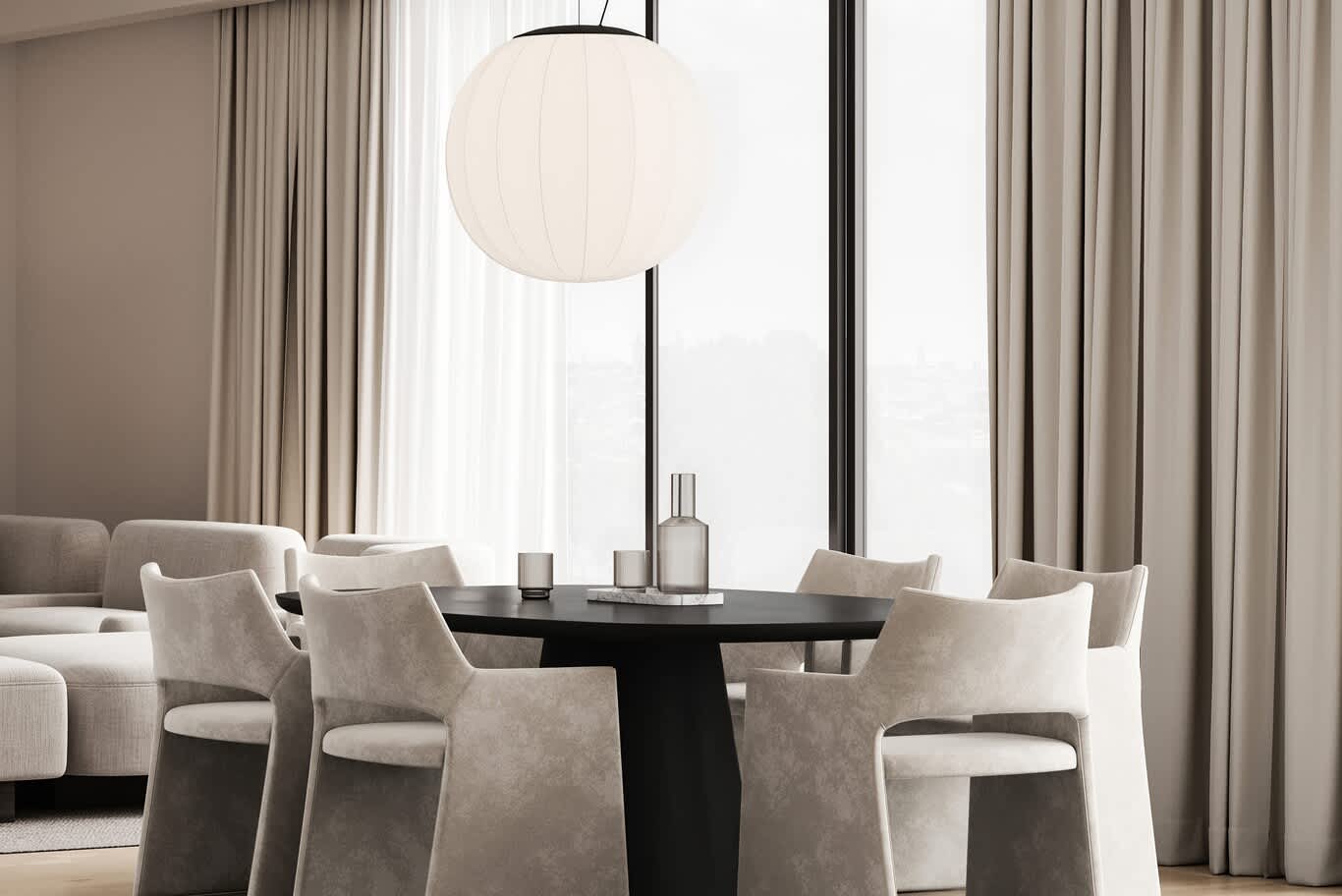
Technology belongs in the same conversation. Lighting scenes, motorised curtains, whole-home audio, security and climate control all need wiring planned before walls close. Case in point: a 6,409-square-foot penthouse we designed in Dubai balances classic grandeur with modern luxury, and its owner asked for a technologically integrated home. The design includes a sound system that recreates the soothing sound of water from the swimming pool, an idea that shaped the wiring and speaker positions from the earliest drawings.
9. Agree Who Makes the Decisions
Projects move at the speed of their decisions, so settle before the first meeting who will make them. In many families, one person leads on layout and budget while another leads on finishes and furniture. Agree those roles openly, and nominate a single point of contact for the designer.
Consider your availability too. Design presentations, material selections, showroom visits and site walk-throughs all need your time at key stages. Owners who travel frequently or live abroad for part of the year can agree on video meetings, shared digital boards and samples sent by courier, so decisions keep flowing.
Agree a turnaround for approvals as well. Five working days suits most families and keeps the programme on track. A simple log of each decision and its date avoids confusion months later, when memories of what was agreed begin to blur.
10. Choose the Kind of Designer and Service You Need
Interior design is offered in several forms, and knowing which one suits you narrows the search quickly. Some designers provide concept and drawings only, leaving the owner to appoint a contractor. Others offer design with site supervision. A growing number work as integrated firms that design, procure and build under one contract.
Each model suits a different owner. Design-only engagements work well when the owner has a trusted contractor and time to coordinate. Integrated delivery suits owners who want one point of accountability, one programme and a finished home that matches the renders. Owners drawn to that route can explore how one company that designs and builds your home carries a project from concept to handover.
Look for experience in your property type as well. Designing a palace reception, a sixtieth-floor penthouse and a compact city apartment calls for different skills, so ask each firm for finished work close to your own project, alongside examples in the style you prefer.
Arriving Prepared
Owners who settle these ten things before the first meeting change the whole character of the project. The designer receives a clear brief, an honest budget, a realistic timeline and a firm sense of taste, and can spend the first presentation developing ideas instead of gathering basics. Proposals arrive more accurate, fees reflect the true scope, and decisions come faster at every stage.
With preparation complete, the next step is choosing the right designer. The questions worth putting to each designer you meet cover experience, process and communication, and complete the picture before you sign.
Frequently Asked Questions
What should I prepare before meeting an interior designer?
Bring floor plans, photographs of every room, building or community guidelines, a written description of how your household lives, a list of items you intend to keep, style references with notes, a budget range and your target move-in date. Those materials let the designer understand the project from the first conversation.
How much should I tell an interior designer about my budget?
Share an honest range at the first meeting, along with any limits on specific rooms or items. A clear budget lets the designer propose the right scope, finishes and fee, and focus premium materials on the spaces that matter most to you.
Do I need to know my style before hiring an interior designer?
A loose direction helps, even if you are still exploring. Images of rooms you love and rooms you dislike, each with a short note, give the designer enough to develop a concept that suits your taste. Many owners refine their style during the design process itself.
How long before moving in should I hire an interior designer?
For a full villa or apartment project, contact a designer several months ahead. Design development, approvals, procurement of imported materials and site works all take time, and early involvement gives the designer room to plan each stage properly.
What is the difference between an interior designer and an interior decorator?
An interior decorator focuses on furniture, colour, fabrics, lighting fixtures and accessories within a finished space. An interior designer also plans layouts, ceilings, joinery, lighting design, kitchens and bathrooms, and produces technical drawings for contractors to build from.
Should I hire an interior designer before or after buying furniture?
Before. A designer plans furniture around the layout, lighting and proportions of each room, and pieces bought in advance often end up too large, too small or the wrong style for the finished scheme. List any pieces you already own and want to keep, so the designer can build around them.
Start Your Project With Algedra
Algedra designs and delivers villa, penthouse and apartment interior design, with architecture, interiors and fit-out handled by one team from the first brief to the final handover.
Arrange your first design meeting and bring your plans, your brief and your ideas.
FREE CONSULTATION
TELL US ABOUT YOUR PROJECT
WE WOULD LOVE TO HEAR FROM YOU
Feel free to reach us via this contact form and one of our Design Consultants will get back to you at earliest.
OUR BRANCHES
UAE - DUBAI
+971 52 8111106 | hello@algedra.ae
TURKEY - ISTANBUL
+90 533 701 89 71 | info@algedra.com.tr
Leading Interior Design and Decor Company in Dubai and Abu Dhabi.
Algedra is a reputable, internationally recognized, and one of the most successful interior design companies in Dubai, and Abu Dhabi, which specializes in delivering interior design, architectural, and creative space planning projects throughout GCC, MENA, North Africa, Turkey and Russia.
Algedra is a one-stop solution for all your residential interior design and fit-out needs. We have successfully completed numerous villa interior and exterior design projects, where we integrated quality and originality to deliver interior masterpieces.
ALGEDRA, Interior Design Company in Dubai, is specialized in providing elegant and stunning interior design services for both residential and commercial projects. We turn our clients' dreams into reality, trans- lating their tastes and needs into beautiful and functional spaces.
Since the day we were founded, we have designed and built many branded residences, resorts, hotels, multi-purpose social spaces, and palace designs with different functions and concepts by following the ever-changing design trends over the world.
A key element of our work is a fusion of different cultures and designs, combining Greek, Italian, Eastern and Western influences with British innovation.
As a team of highly qualified interior designers and engineers, Algedra offers complete architectural services from mall design to corporate office design as well as the exterior design of any project based on customers' needs.
Our customers include leading names, we have completed diverse projects in hospitality, landscape, commercial, and residential designs. These projects contain cafes, restaurants, gym, villas, family sitting rooms, bedrooms, kitchens; all showcasing our company's exquisite details and high-end designs.
Residential Interior Design in Dubai
Algedra's interior designers and architects have an important mission: building villas, houses, apartments, condos, and anywhere else where you reside that will fulfill your needs while being structurally safe and sound.
Architectural Designs
There are so many details that go into designing an architectural design project. Every step of the project has been carefully considered for safety and daily comfort by Algedra's experts.
Commercial Design
Conceptualizing spaces for business, to elevate style, and to increase functionality to help enhance the bottom line of a company is vital, as well as employee comfort and interior design too. Our commercial interior designers translate client's concept in ways that are efficient, attractive and provide professional workspaces.
Fit-out Projects
Algedra Interiors delivering high-quality tailored fit-out projects that transform your villas, palaces and commercial spaces.
We're a passionate team of interior designers, architects and engineers. Every day we help clients to solve interior design problems and create engaging spaces!
Wherever you are in Kuwait, Saudi Arabia, Azerbaijan, Qatar, Morocco, Algeria, Tunisia, Libya, Egypt; don't hesitate, contact us to find out more about why we are one of the best interior design companies in Dubai and Abu Dhabi!