Home Page | Blog | Dubai 2040 Vision and the Future of Interior Design
Dubai 2040 Vision and the Future of Interior Design
2/3/2026
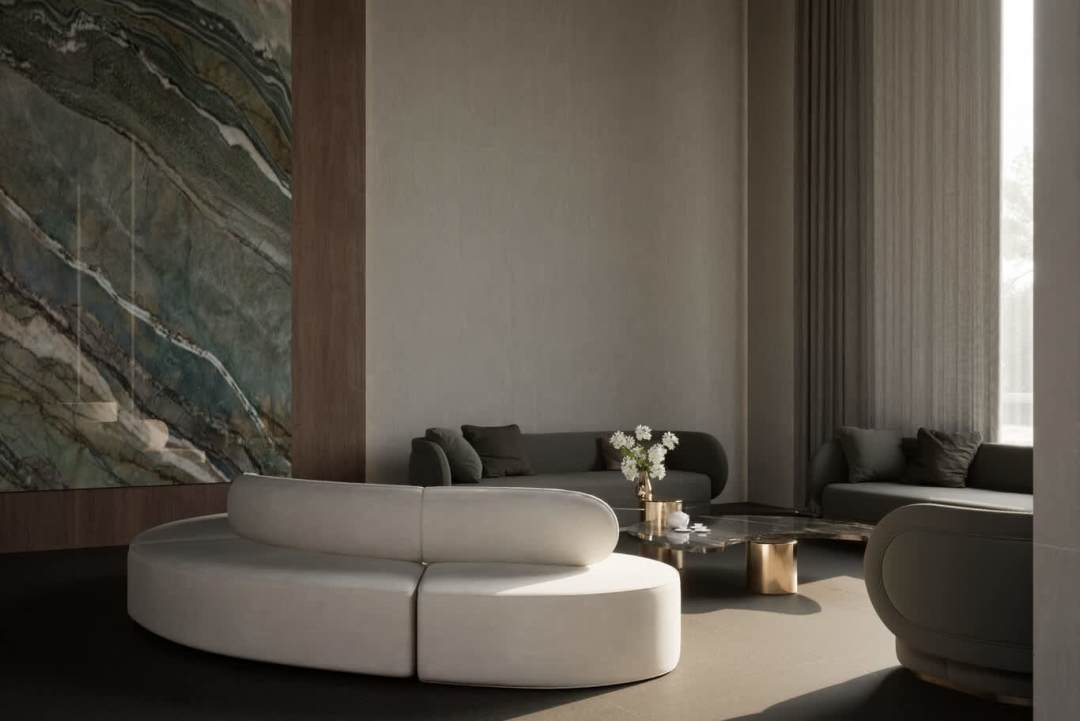
The launch of the Dubai 2040 Urban Master Plan is a massive turning point for the Middle East. As the seventh strategic developmental roadmap since 1960, this vision focuses on urban consolidation and making life better for every resident. While earlier plans emphasized rapid growth and the construction of massive icons, the 2040 roadmap prioritizes a sustainable way to live. With the population projected to reach 7.8 million, the plan provides a framework for managing this growth through high-density urban centers. This change requires a new perspective where internal areas act as smart environments that manage resources on their own.
1- Strategic Spatial Framework and Urban Centers
Dubai’s development has seen a 170-fold increase in the built-up area over the last few decades. The 2040 Plan harmonizes this history with a future defined by environmental care and lifestyle excellence. The plan identifies five primary urban centers that act as the engines of growth, each with a unique identity. Boutique interior architecture firms in Dubai are leading the way in how these areas are being redesigned.
Deira and Bur Dubai focus on heritage and culture. Here, the goal is the restoration of historical motifs and traditional materials to keep the cultural identity of the city’s roots alive. Downtown and Business Bay remain the global financial core, requiring high-performance skyscrapers and luxury commercial fit-outs. Dubai Marina and JBR continue as tourism and leisure hubs, prioritizing hospitality and high-quality rental properties.
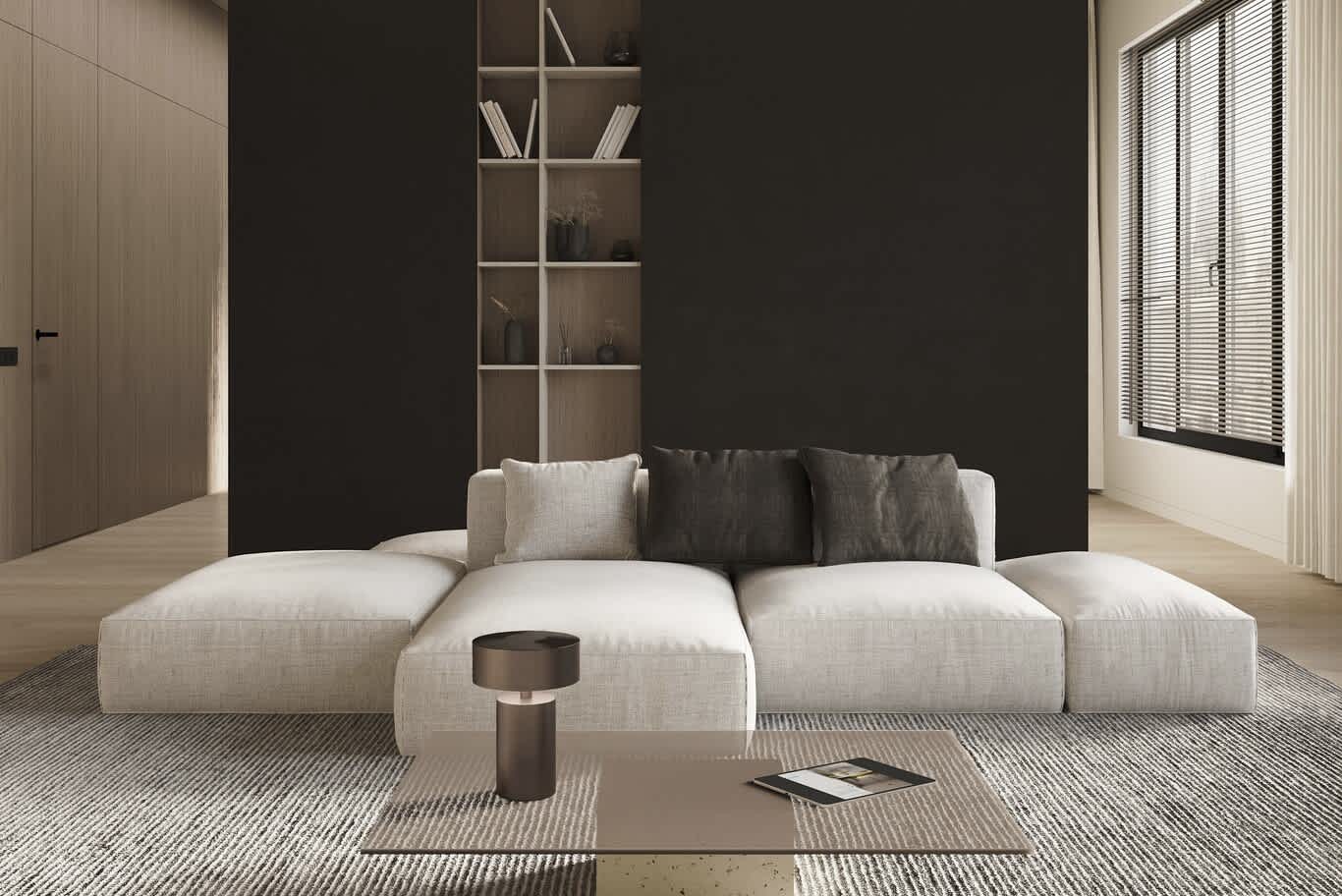
Two newer centers are also taking shape. The Expo 2020 Centre is a hub for innovation and logistics, featuring modular workspaces and smart city integration. Meanwhile, Dubai Silicon Oasis acts as a knowledge and technology district, fostering tech-integrated environments and talent-focused coworking areas. This structural plan is a guide for all future projects, mandating a focus on space optimization and healthy communities.
2- The 20 Minute City Model
One of the most ambitious parts of the 2040 vision is the 20-minute city concept. This model ensures residents can access 80% of their daily needs—including workplaces, schools, and healthcare—within a 20-minute walk or bike ride. This decentralization has deep implications for how we view residential and commercial boundaries. This is where the transition from traditional Emirati motifs to futuristic 2040 aesthetics is highly visible for modern residents.
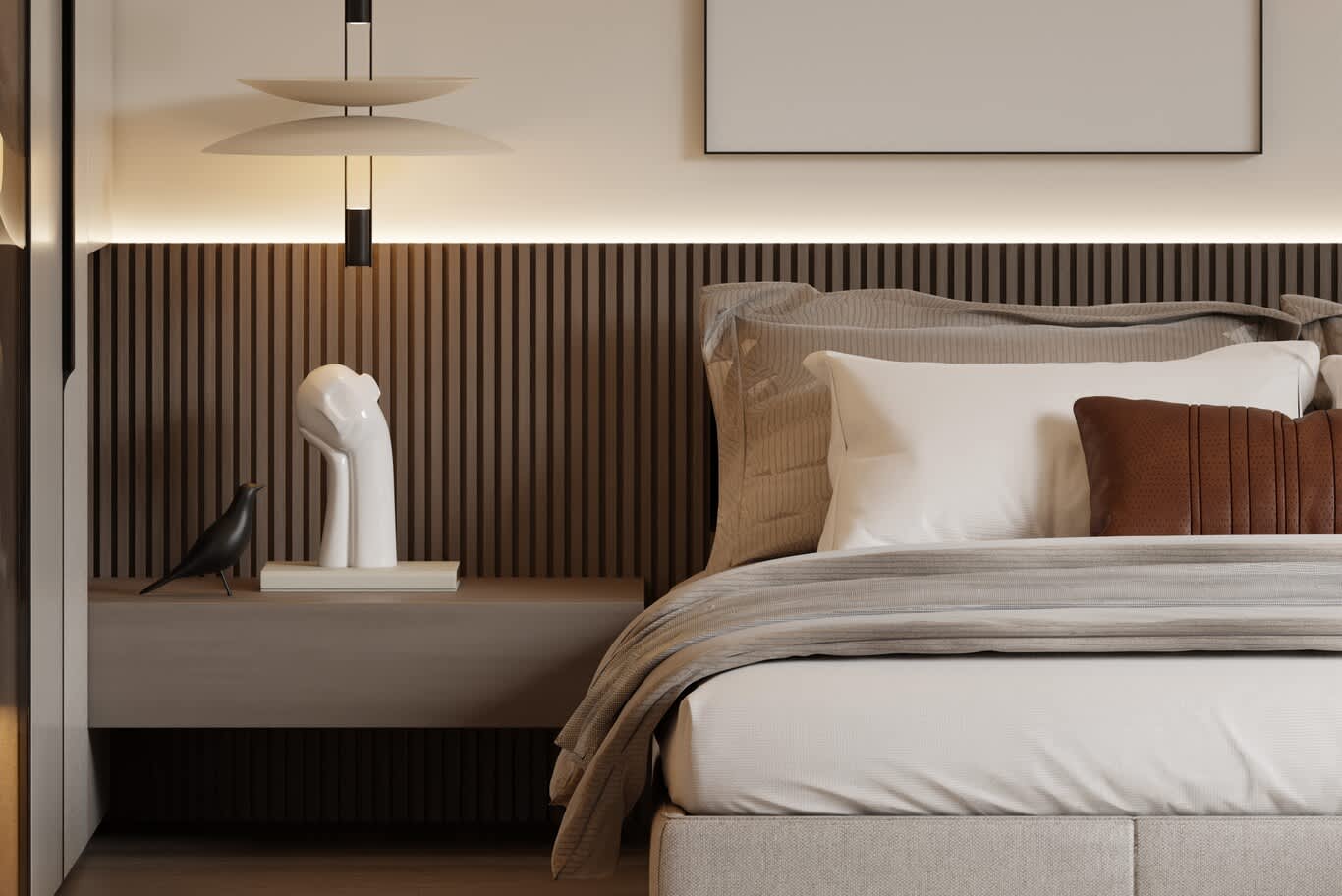
In this model, the residential lobby is no longer just a transition zone. It is becoming a functional "third space" that supports the community. We see a rise in designs that integrate coworking pods, communal libraries, and social lounges within residential towers. This change is supported by a 25% increase in land allocated for education and health facilities, ensuring these services are part of the community fabric.
3- Proximity and the Communal Environment
Hyperlocal living means the internal environment must handle more social interaction. Designers use modular items and flexible partitions to allow spaces to shift from private residences to social gathering spots. These communal zones are influenced by the commitment to doubling green and recreational spaces. Indoor "green lungs," such as atria and sky gardens, provide natural cooling and relief within high-density urban settings.
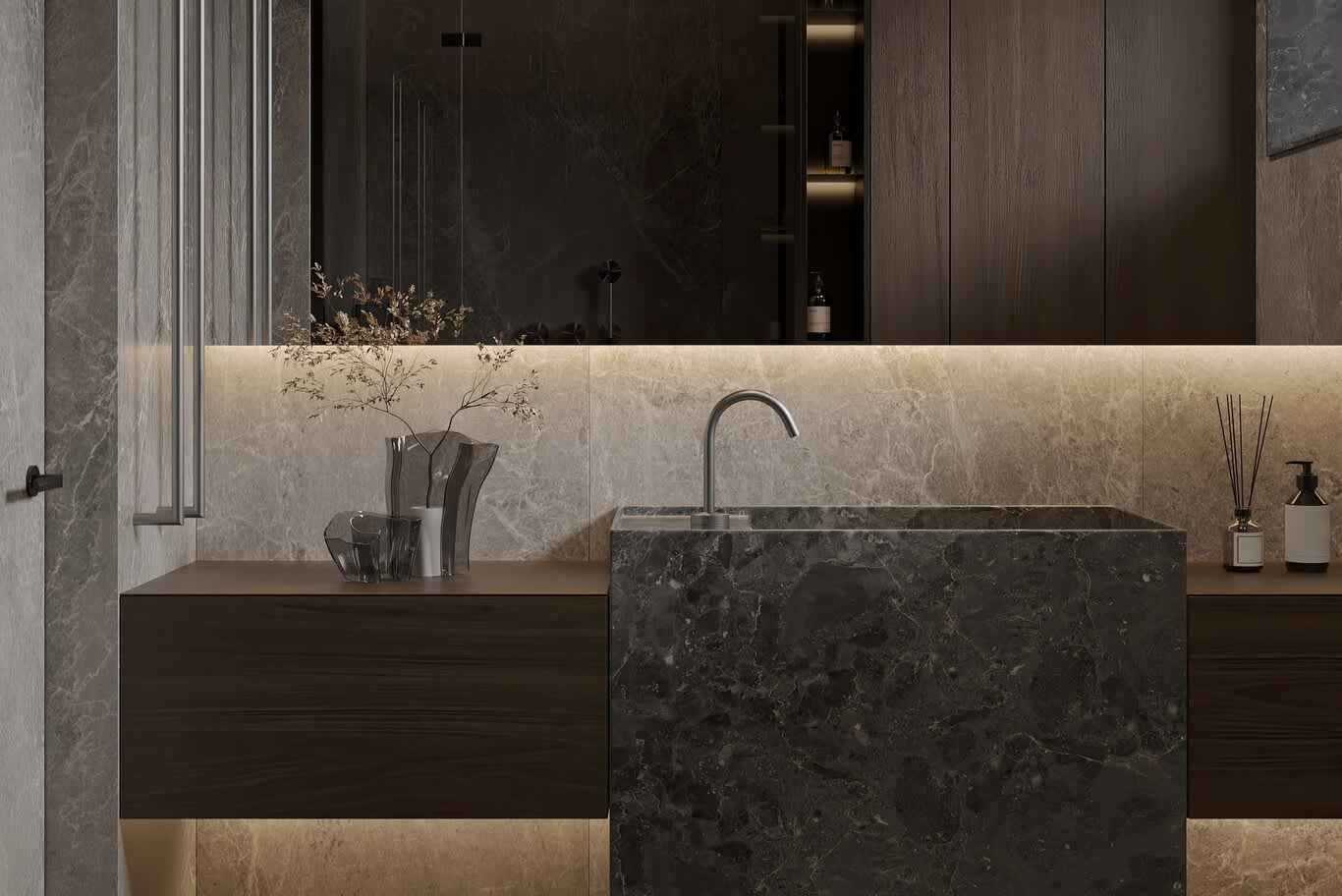
As urban density increases, the internal environment must work harder to provide comfort. This leads to a change in luxury where "time reclaimed" is a key metric of success. The efficiency of a layout is now just as important as its visual finish. Dedicated home offices and acoustic zoning are now standard in residential layouts to support work-from-home needs.
4- Al Sa’fat and Sustainable Regulation
To achieve the UAE Net Zero 2050 goal, the Dubai Municipality implemented the Al Sa'fat Green Building Evaluation System. This mandatory framework promotes energy efficiency and improves the spatial quality of all new buildings. For those planning new projects, Al Sa'fat is a fundamental change in how materials and systems are selected.
The system classifies buildings into tiers like Bronze, Silver, Gold, and Platinum. A Bronze rating is now a legal requirement for all new building projects in Dubai. A critical aspect is the building envelope—the barrier between the conditioned interior and the external desert. Regulations mandate high-performance insulation to prevent heat gain and reduce the load on cooling systems. Natural light must be maximized without compromising thermal performance, using double-glazed windows with specific values.
5- Performance Metrics for Energy and Water
The technical requirements for energy efficiency are clearly defined. Tiered levels of Al Sa'fat can lead to a 35% reduction in energy and water usage compared to conventional buildings. Lighting efficacy is also regulated, with requirements for high-efficiency LED installations. Higher tiers even require solar photovoltaic systems on rooftops to move toward zero-carbon goals.
Water stewardship is equally important in a desert climate. This has transformed the selection of bathroom and kitchen fixtures. Fit-outs must now include low-flow aerators and dual-flush toilets. These simple changes can reduce indoor water use by 30% or more, contributing significantly to resource optimization. Many projects are now turning to bespoke sustainable furniture makers in Dubai to meet these high standards.
6- Materials and the Circular Economy
The 2040 plan promotes an eco-conscious philosophy that extends to the lifecycle of materials. This drives a shift toward a circular economy, where the reuse and recycling of materials are prioritized. Currently, construction waste accounts for a large portion of landfill volume, and new strategies aim to lower this impact.
Indoor environmental quality is a central pillar, with a focus on reducing chemical emissions. Since 2016, the use of VOC-free paints, sealants, and adhesives has been mandated. This is critical in sealed, climate-controlled environments where air quality impacts health and productivity. There is also a strong push for local sourcing, prioritizing items made within a 500-kilometer radius to reduce the carbon associated with global shipping.
7- Modular Systems and Flexibility
The uncertainty of long-term commercial needs has led to a rise in modular systems. In commercial towers, designers often choose raised flooring for flexible cabling and open ceilings with universal lighting tracks. These systems allow for rapid changes without the need for demolition, supporting the goal of a city that can adapt to the changing needs of its population.
Modular workspaces can reduce waste by over 60% during renovations. The use of recyclable, locally sourced, or certified products further reduces the environmental footprint. These flexible solutions are becoming a core request among property owners because they offer a level of personalization and adaptability that standard retail pieces cannot provide.
8- Biophilic Elements and Micro-Architectures
As Dubai 2040 aims to double the size of green areas, a new language is emerging that brings the outdoors in. Biophilic design is moving from a luxury trend to a lifestyle choice. Indoor gardens, green walls, and biomorphic forms are used to soften the built environment and enhance well-being.
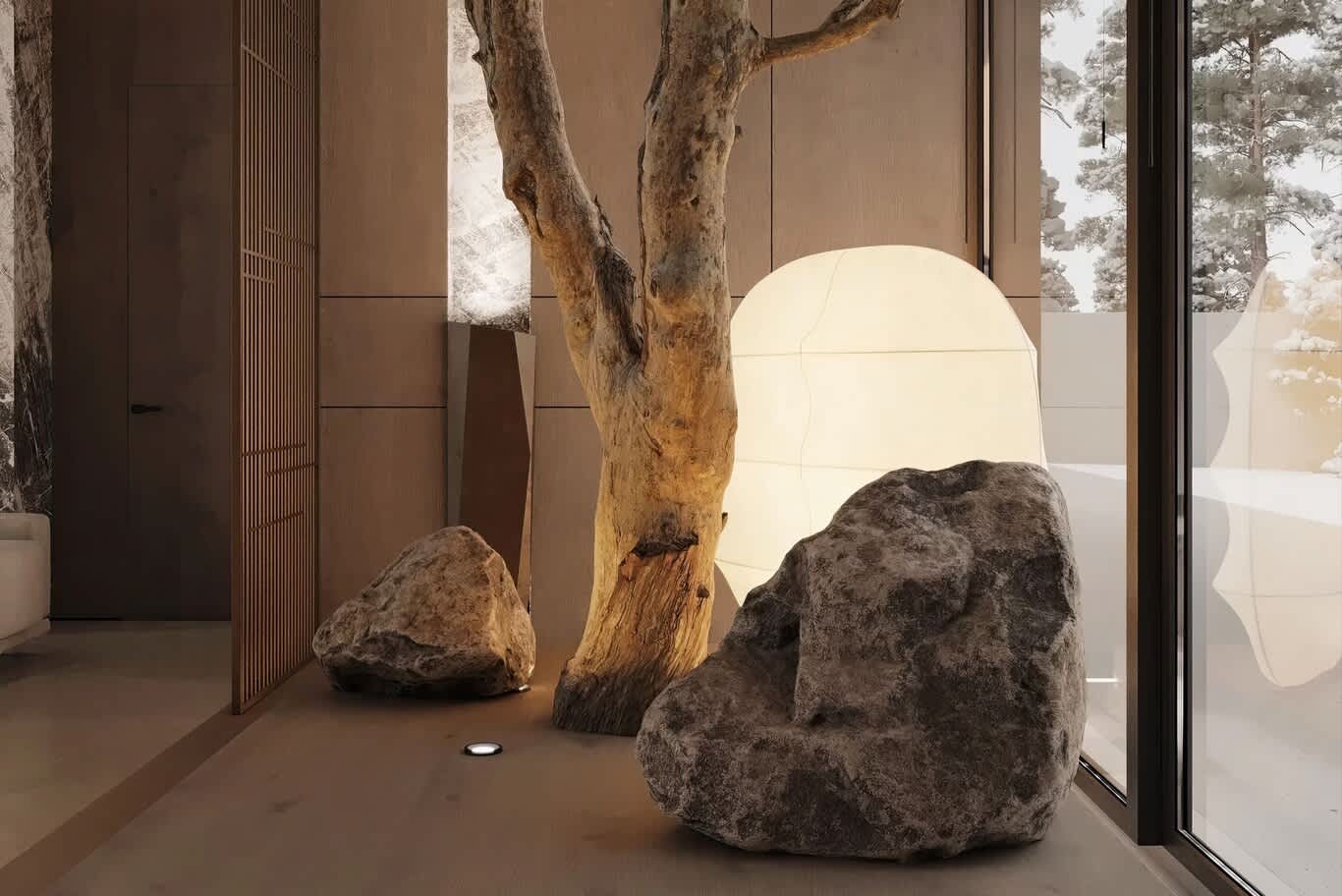
Sensory sequencing is a trend in the hospitality sector, where spaces are shaped based on geology and the local ecological context. Biomorphic design emulates natural patterns to create intelligent spaces that feel intuitive to the user. In high-density communities, these features provide psychological relief. Living greenery walls are often recommended to reduce CO2 levels and act as a natural complement to mechanical ventilation systems.
9- Natural Light and Passive Cooling
The harsh climate requires a nuanced approach to biophilic design. The 2040 plan encourages a contextual identity where spaces work with the desert climate. Layouts are designed to maximize daylight, which improves mood and reduces energy consumption.
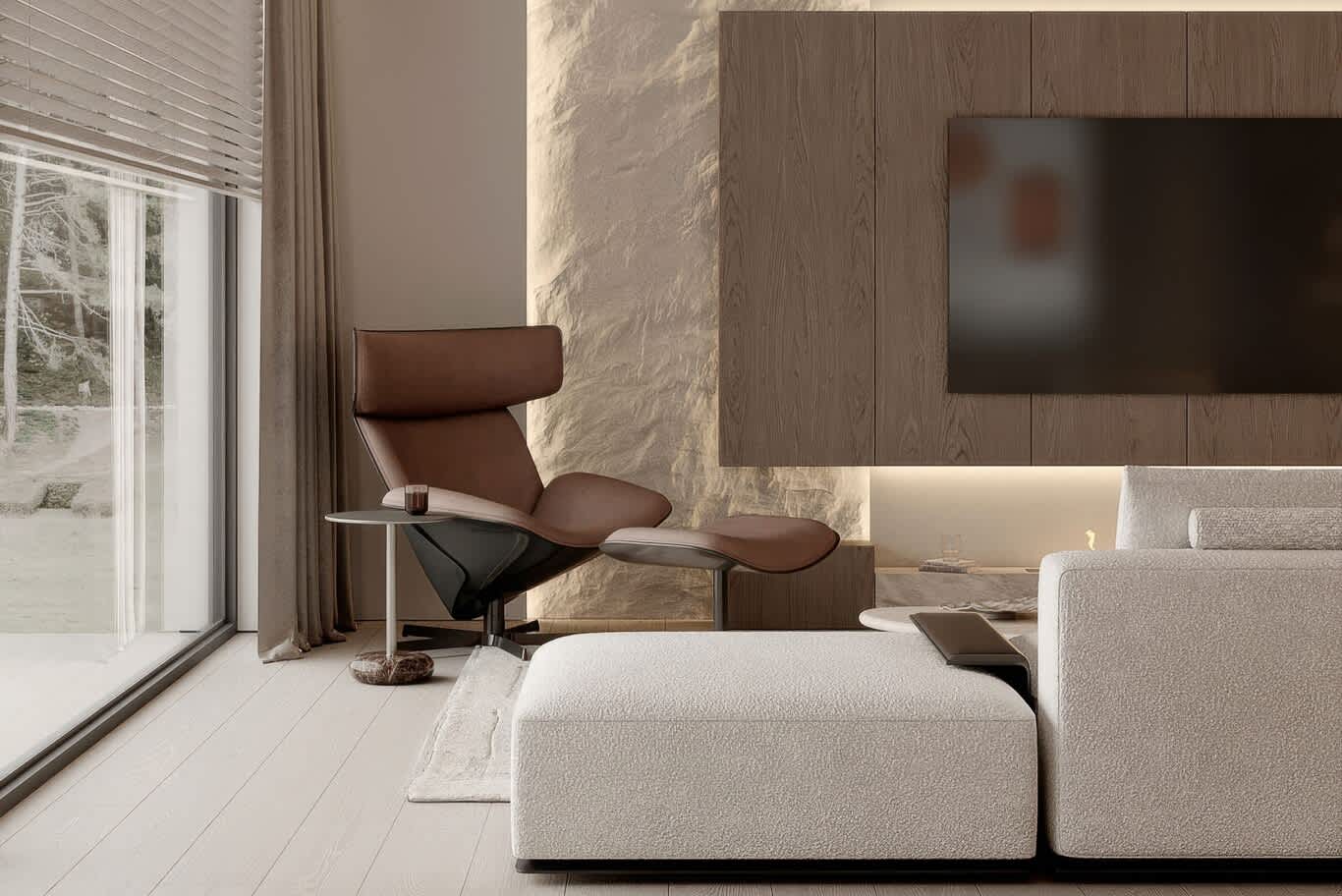
Traditional principles, such as shading and natural ventilation, are being integrated into modern buildings to maintain consistent temperatures and reduce reliance on artificial air conditioning. This balance is a sign of the heritage-based interior architecture evolution in the UAE.
10- Smart Technology Integration
The 2040 Master Plan is linked to the "Smart Dubai" strategy, aiming to make Dubai a leading smart city. In the home, this means a transition from automated devices to a fully coordinated environment. Modern areas are now designed with AI-driven systems that predict usage patterns and reduce waste.
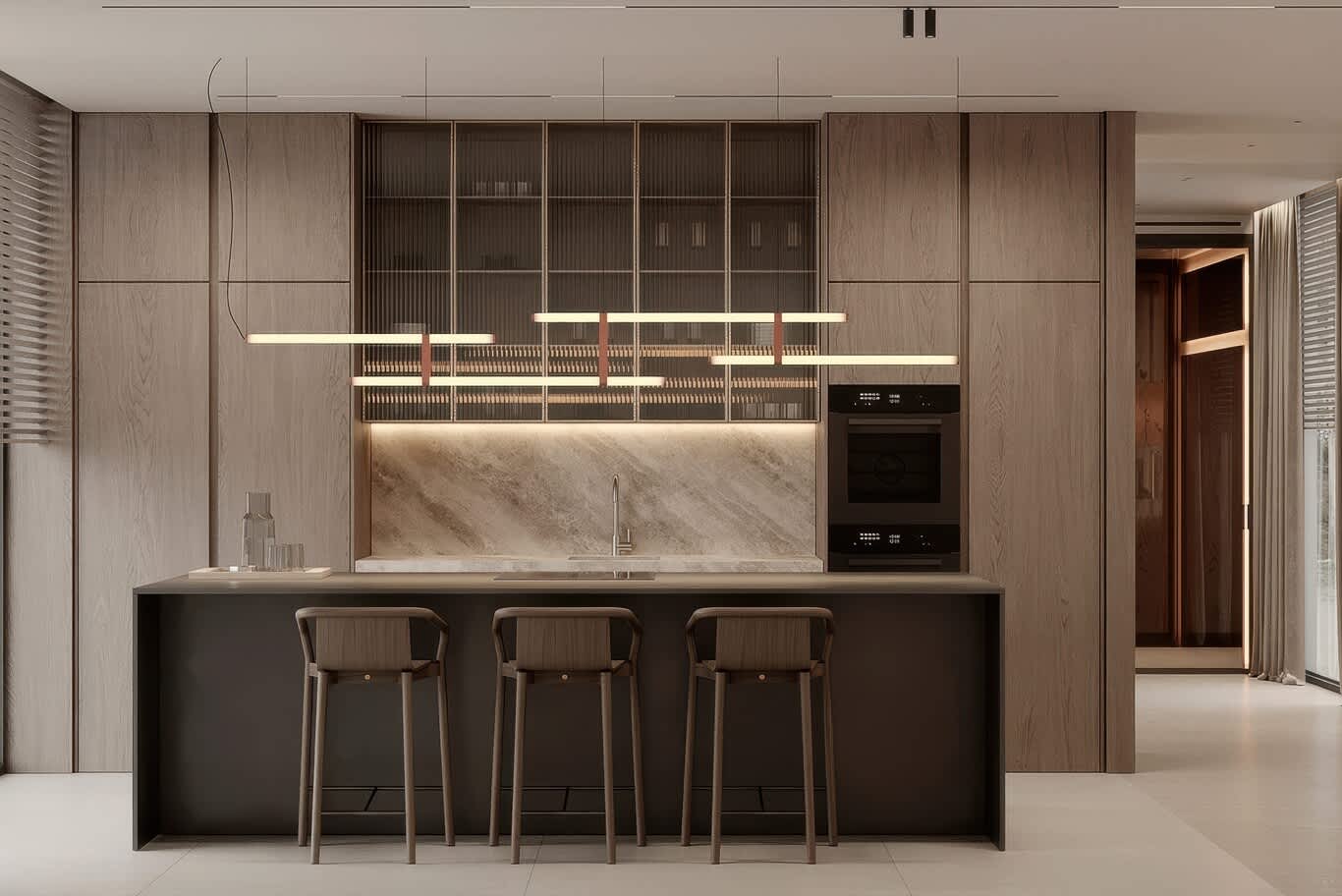
Adaptive cooling systems can reduce air conditioning loads by up to 40% by anticipating when a resident will be home. Connected sensors collect data on energy and water usage, making this information visible to the user through easy-to-use interfaces. These predictive systems ensure optimal resource use and often integrate with solar power to achieve net-zero outcomes.
11- Interoperability and Digital Twins
The next step in smart design is achieving interoperability between different systems. This network allows for a digital twin of an interior to be created, enabling data-driven decisions during the design process. As 2040 approaches, internal spaces are becoming strategic levers for digital growth, where the building itself is a responsive platform for living.
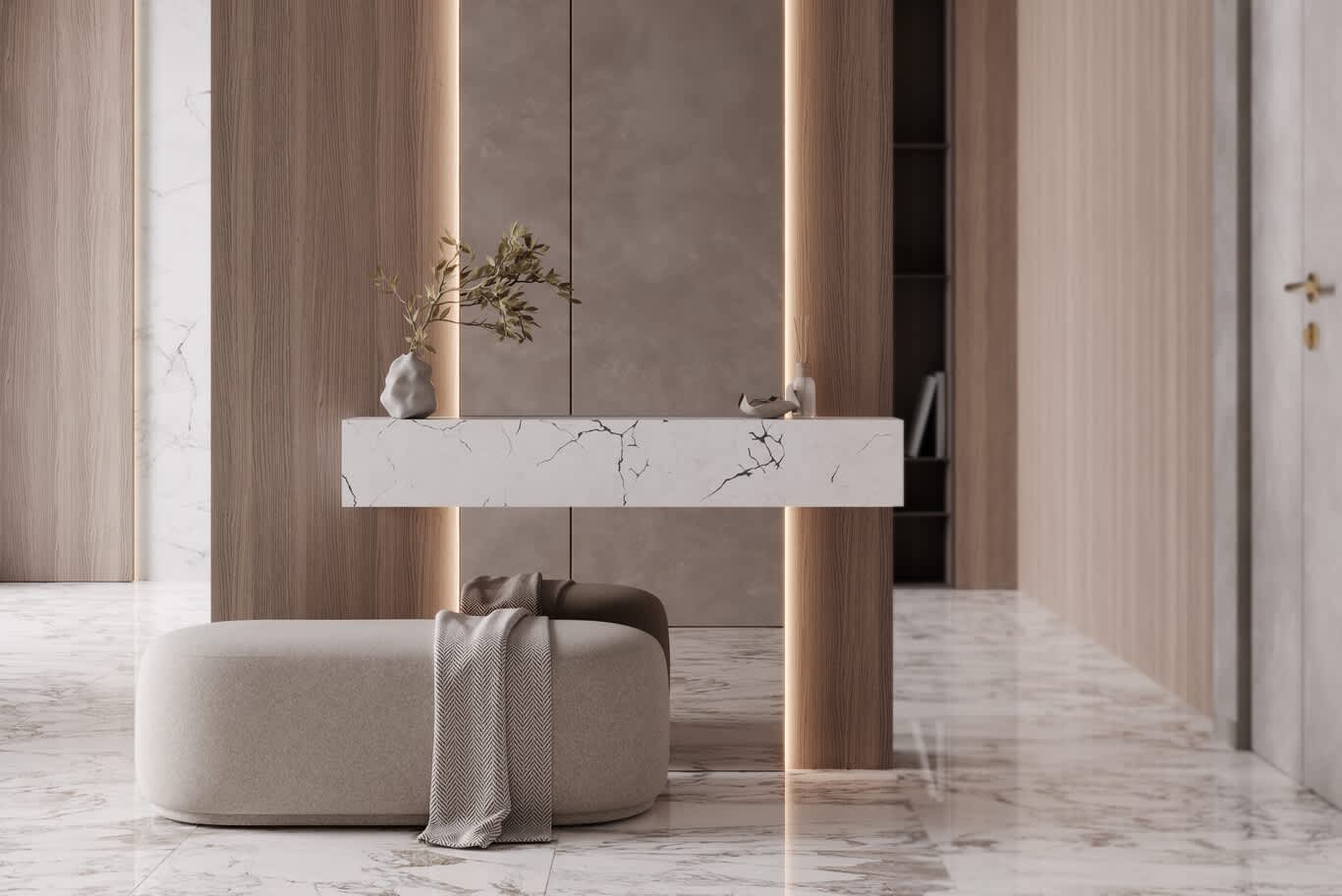
Smart technology also enhances safety through connected cameras and biometric sensors. This reassures residents and reduces the risks associated with urban density. Voice assistants and centralized control unify the management of lighting, security, and appliances, adding convenience to the daily experience.
12- Modern Emirati Identity and Fusion
A central goal of the 2040 plan is to safeguard heritage while pushing for futuristic excellence. For those involved in spatial planning, this involves a "Modern Arabic Fusion." This style blends traditional Middle Eastern elements with a modern look. The traditional majlis is being reimagined for the 20-minute city, creating experiential narratives that honor local traditions.
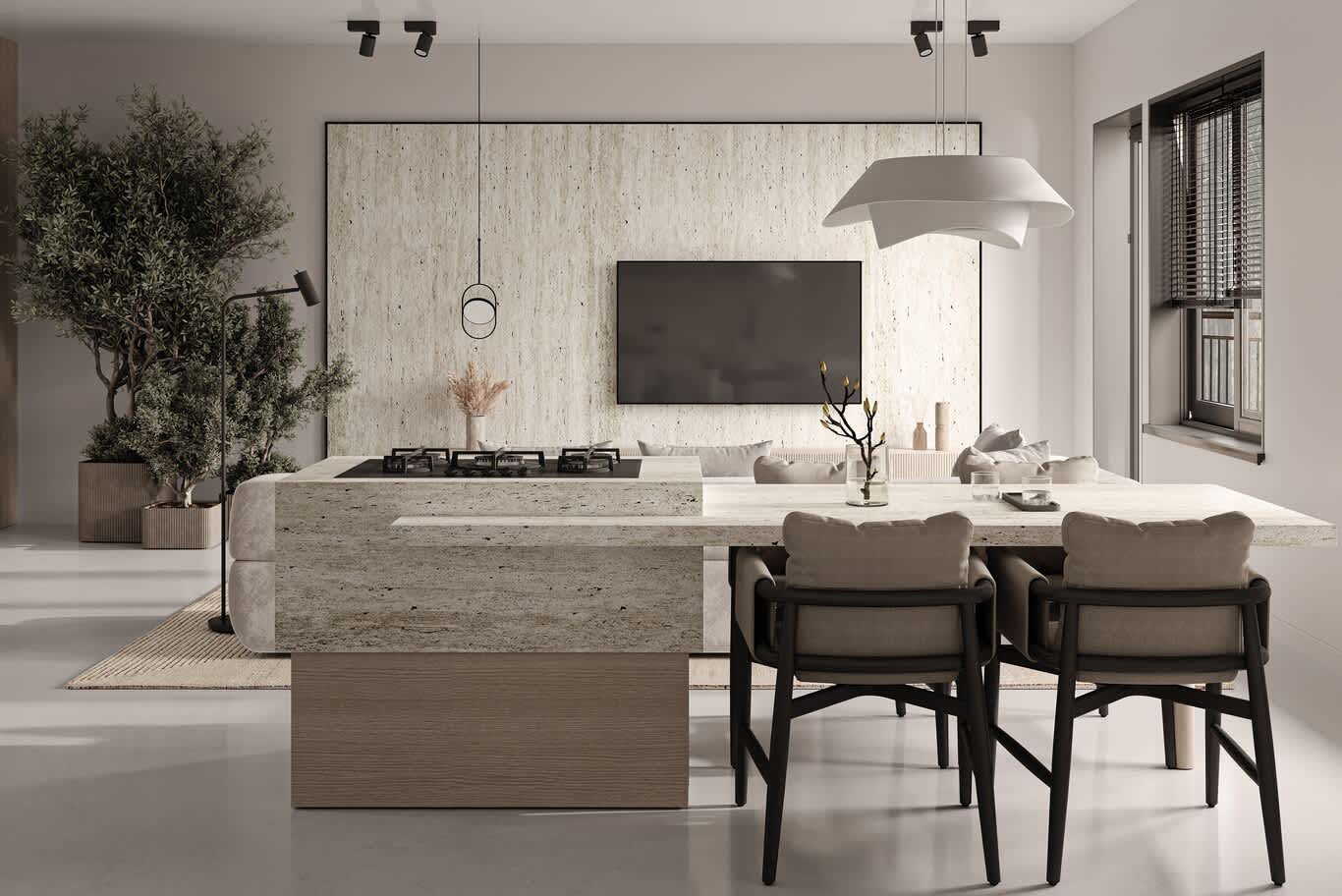
Intricate screens, known as mashrabiya, are evolving to act as both cultural motifs and functional tools for shading and privacy. There is also a rising demand for custom furniture that uses carved wood, brass, and traditional fabrics to tell a story of creativity and heritage. Working with high-end commercial fit-out experts in Dubai helps bridge the gap between old and new.
13- A Palette of the Desert and the Sea
Color choices in Dubai’s 2040 interiors are increasingly rooted in the local geology. Designers are moving away from sterile white toward compositions that use warm neutrals, terracotta, and deep blues. These choices reflect a deeper contextual identity where the space is shaped by its physical environment.
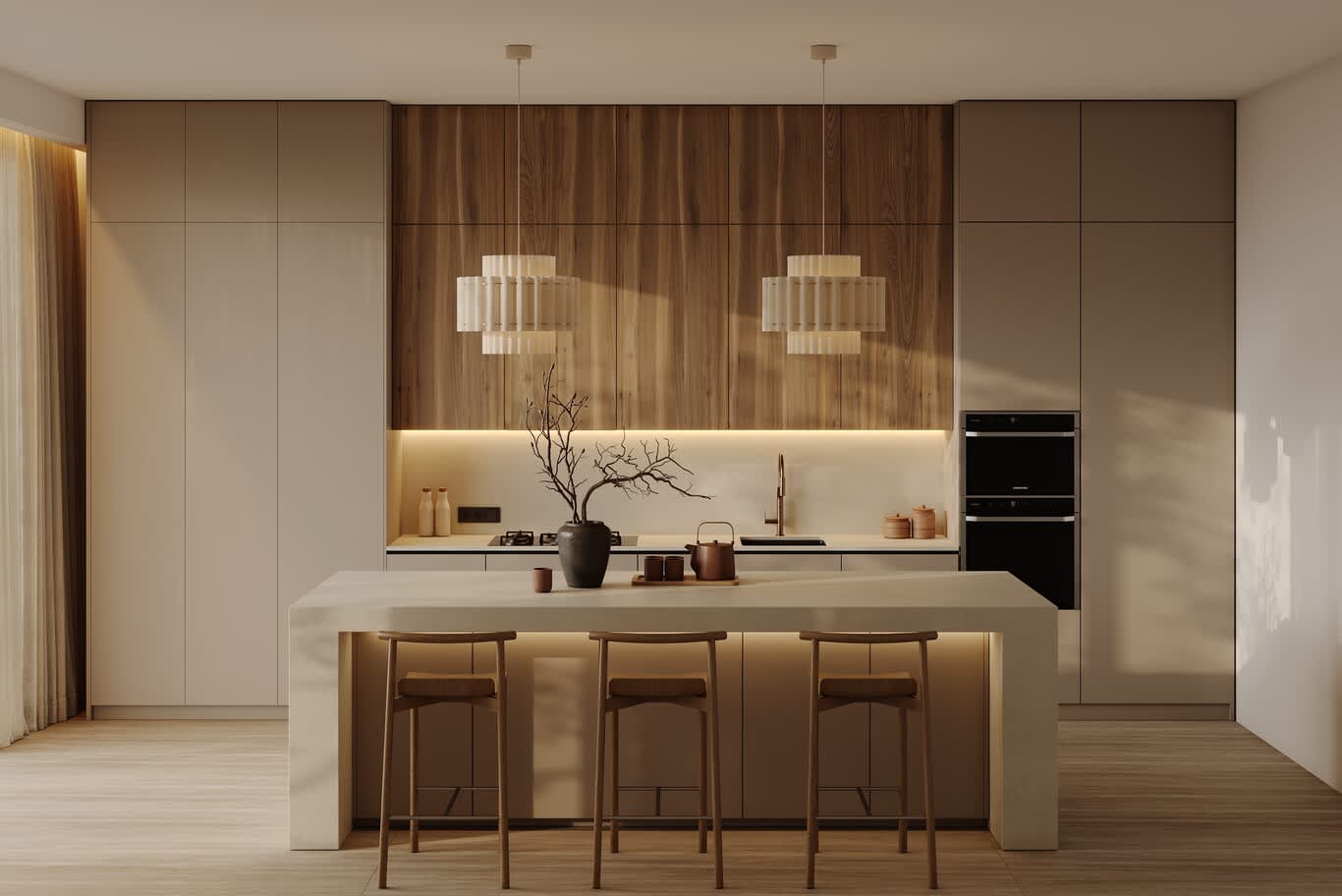
Warm earth tones also serve a functional purpose by combating the "cooling effects" of air conditioning, creating a more psychologically comfortable atmosphere. Whether it is a luxury residence seeking sophisticated warmth or a contemporary family home seeking a connection to nature, these palettes ground the building in its location.
14- Sustainable Tourism and Hatta Development
Hatta is being transformed into a global destination for eco-tourism under the 2040 plan. The Hatta Master Development Plan focuses on well-being and the preservation of the area’s unique mountain identity. New projects are inspired by "Mountain Modernism," using a soothing palette and materials that blend with the Hajar Mountains.
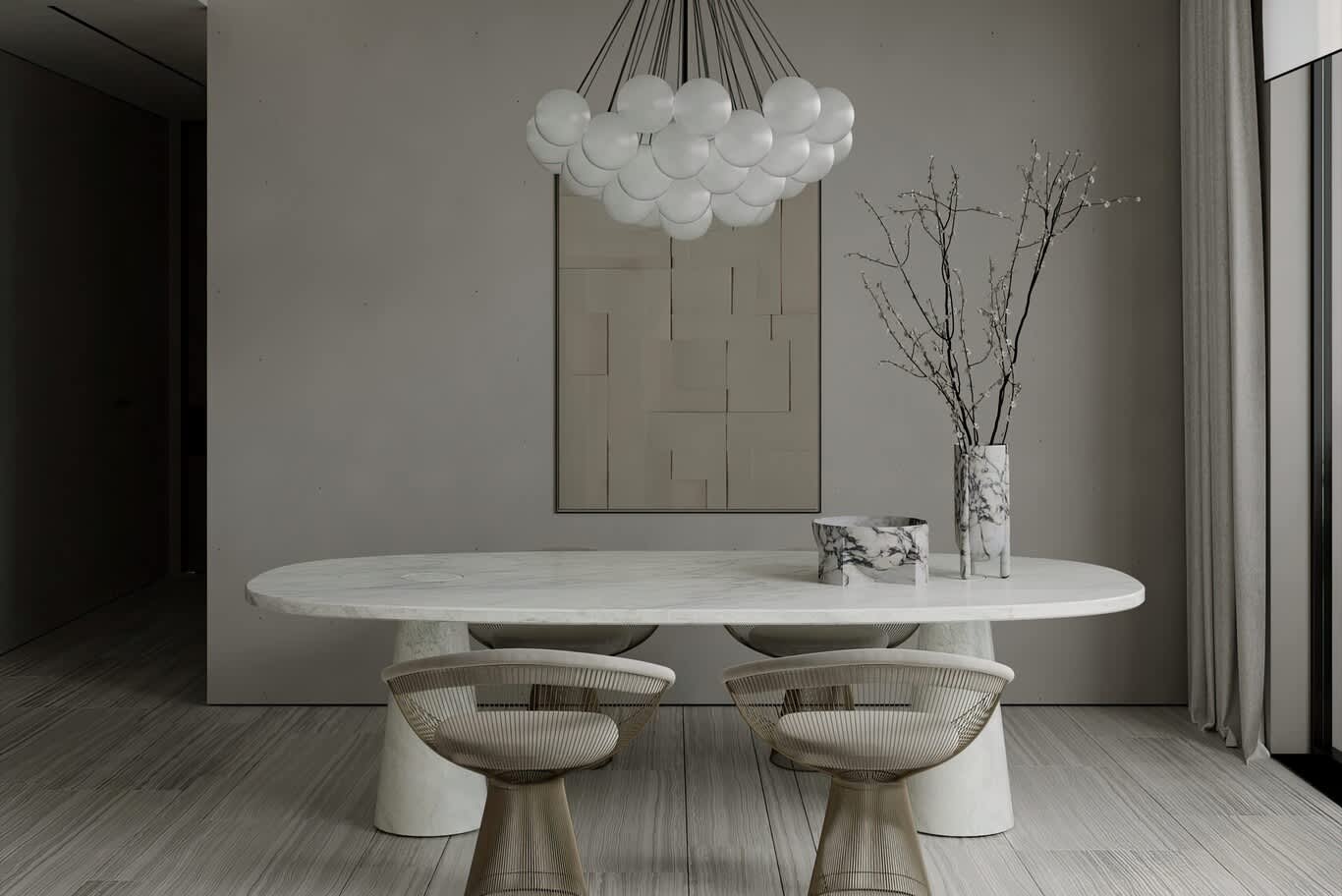
Sustainable waterfalls and beehive-inspired aesthetics link oases with bridges, promoting a diverse biological ecosystem. These spaces offer a cozy environment that contrasts with the high-rise luxury of the city center. This variety reflects the plan’s goal of providing a range of housing and recreational spaces for a multifaceted population.
15- Innovation in Dubai Silicon Oasis
As one of the five urban centers, Dubai Silicon Oasis is dedicated to knowledge and innovation. The development focuses on attracting talent through future-ready ecosystems. Office and research spaces are designed for high-functioning environments where residential and commercial areas are stitched together.
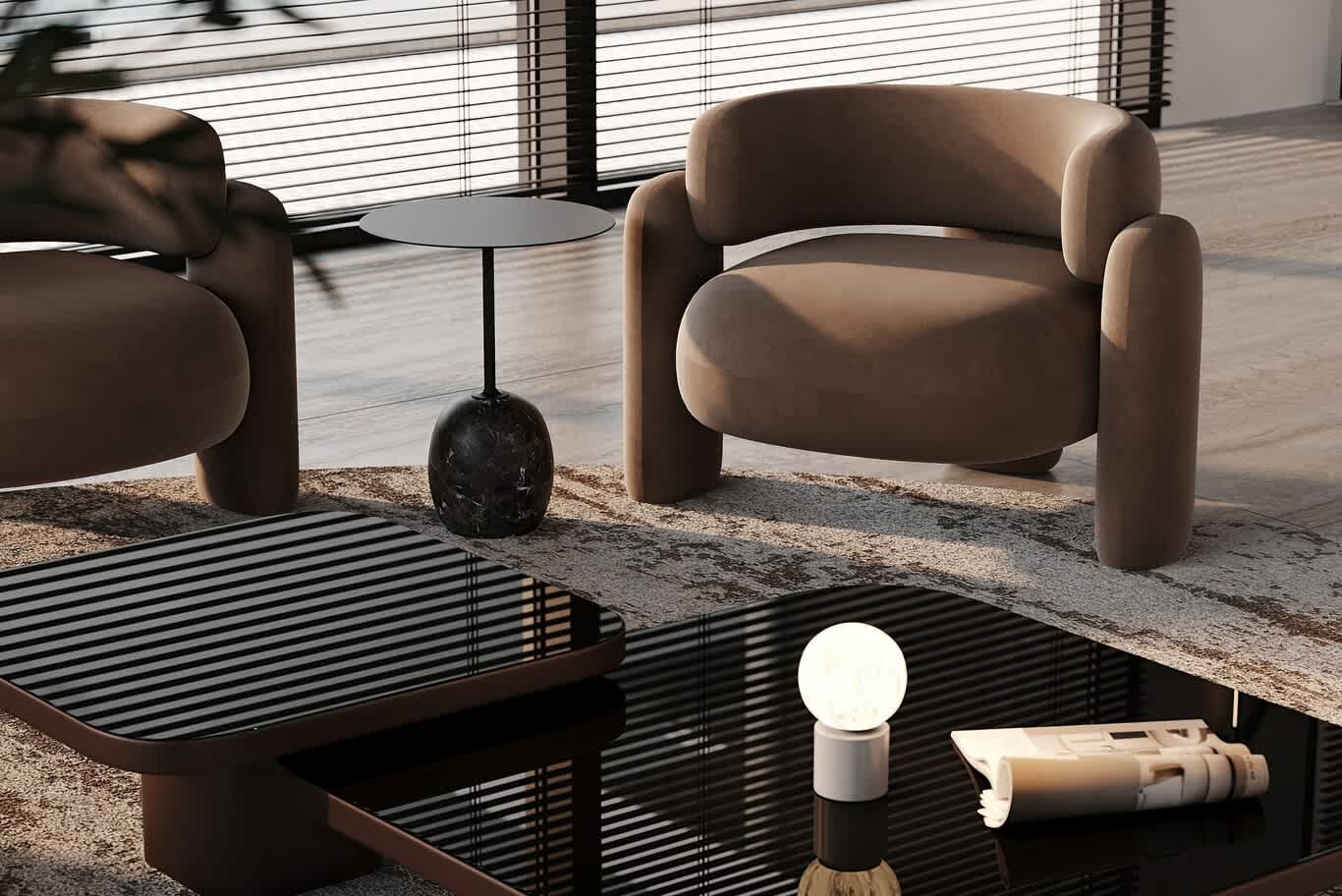
The arrival of the Dubai Metro Blue Line will further transform the area into a transit-oriented hub. This increases the demand for smart apartments and modular office fit-outs. Pedestrian-first design and bike lanes promote a car-free lifestyle, which is reflected in the design of the retail and social hubs within the district.
16- Evolution of Residential Requirements
As we look toward 2040, the way people live in Dubai is changing rapidly. Homes are no longer just places to sleep; they are multi-functional spaces that support health, work, and community. The demand for larger balconies and outdoor access even in apartments is growing. People want spaces that breathe and offer a view of the increasing green corridors of the city.
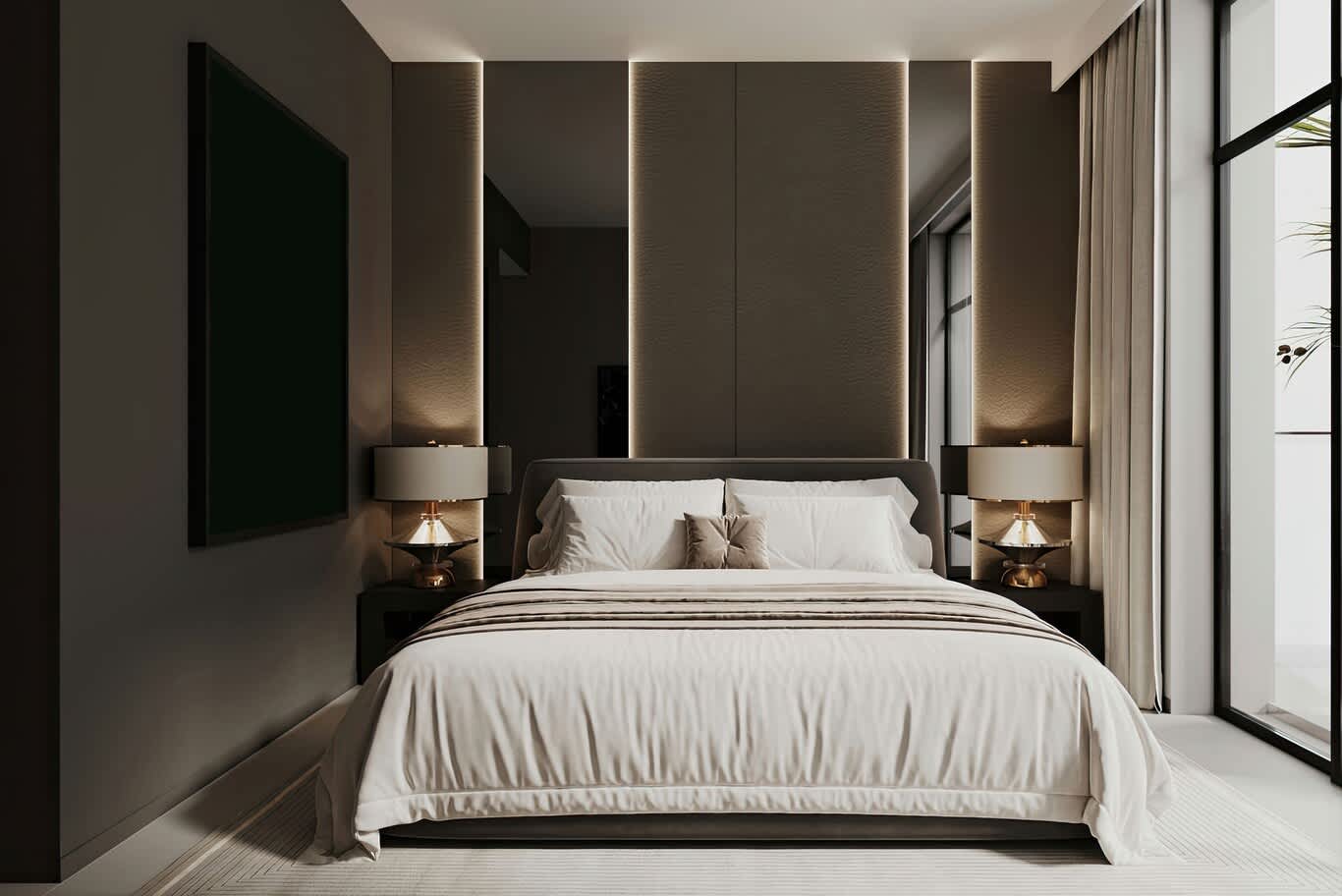
This evolution means that interior layouts must be smarter. Storage solutions are becoming hidden and integrated to maintain a clean look. Kitchens are evolving from closed-off rooms to open social zones that act as the center of the home. Every square meter is being used more effectively to ensure that residents feel a sense of space even in dense urban areas.
17- The Role of Lighting in Wellness
Lighting is a major focus in the new 2040 standards. It is not just about having enough light to see; it is about how light affects the human body. Circadian lighting systems that mimic the natural path of the sun are becoming popular. These systems help residents maintain a healthy sleep-wake cycle, which is especially important in a city that is always active.
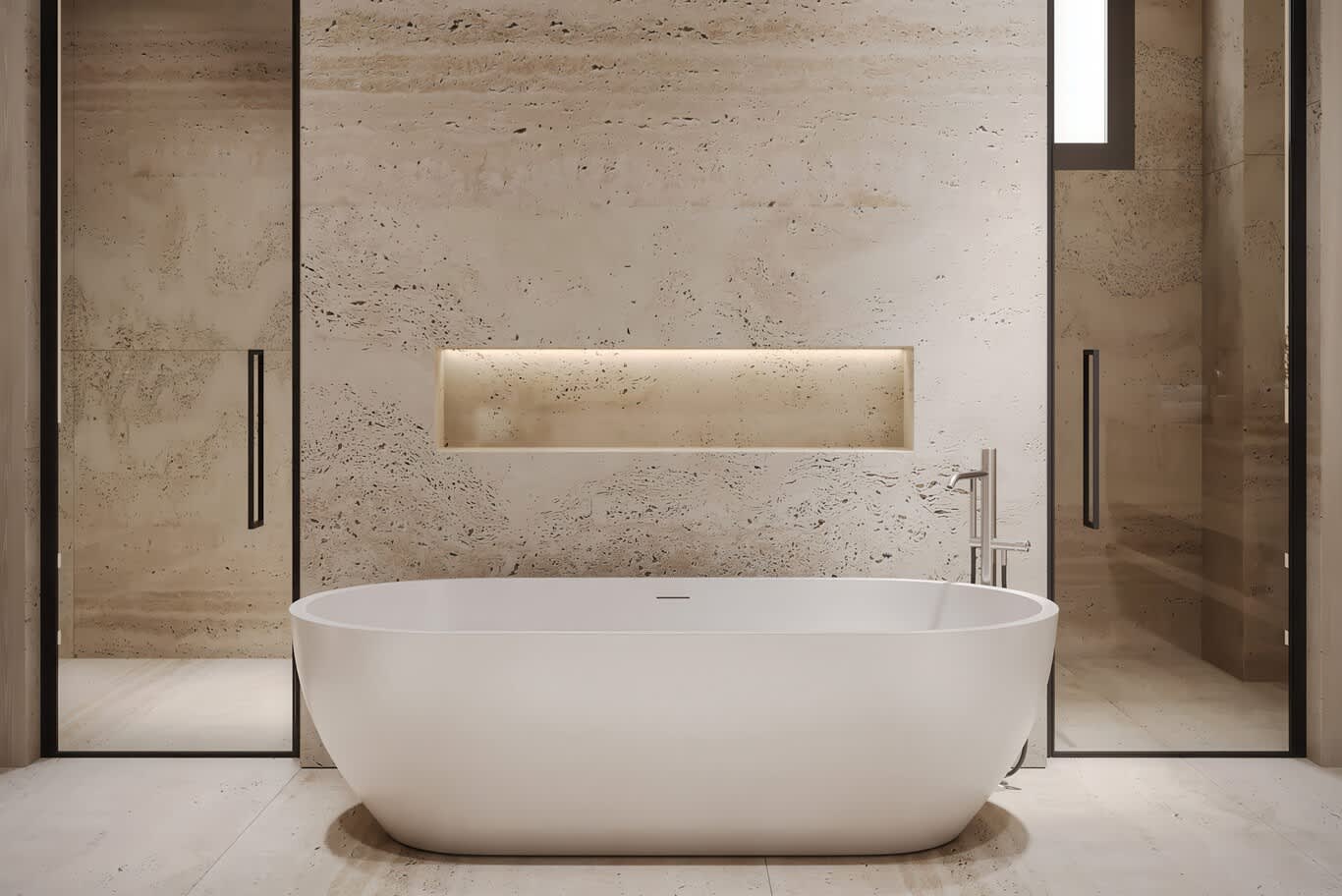
In addition to wellness, lighting is used to highlight the architectural features of a home. Recessed LEDs and smart dimming systems allow residents to change the mood of a room instantly. This level of control makes the home more adaptable and personal, aligning with the "happiness" goals of the master plan.
18- Advancements in Acoustic Design
With higher density comes the challenge of noise. The 2040 vision emphasizes high-quality living, and acoustic comfort is a big part of that. Designers are using new materials like acoustic felt, specialized wall panels, and heavy drapery to create quiet sanctuaries. This is especially important for the 20-minute city, where residential buildings are close to busy retail and social hubs.
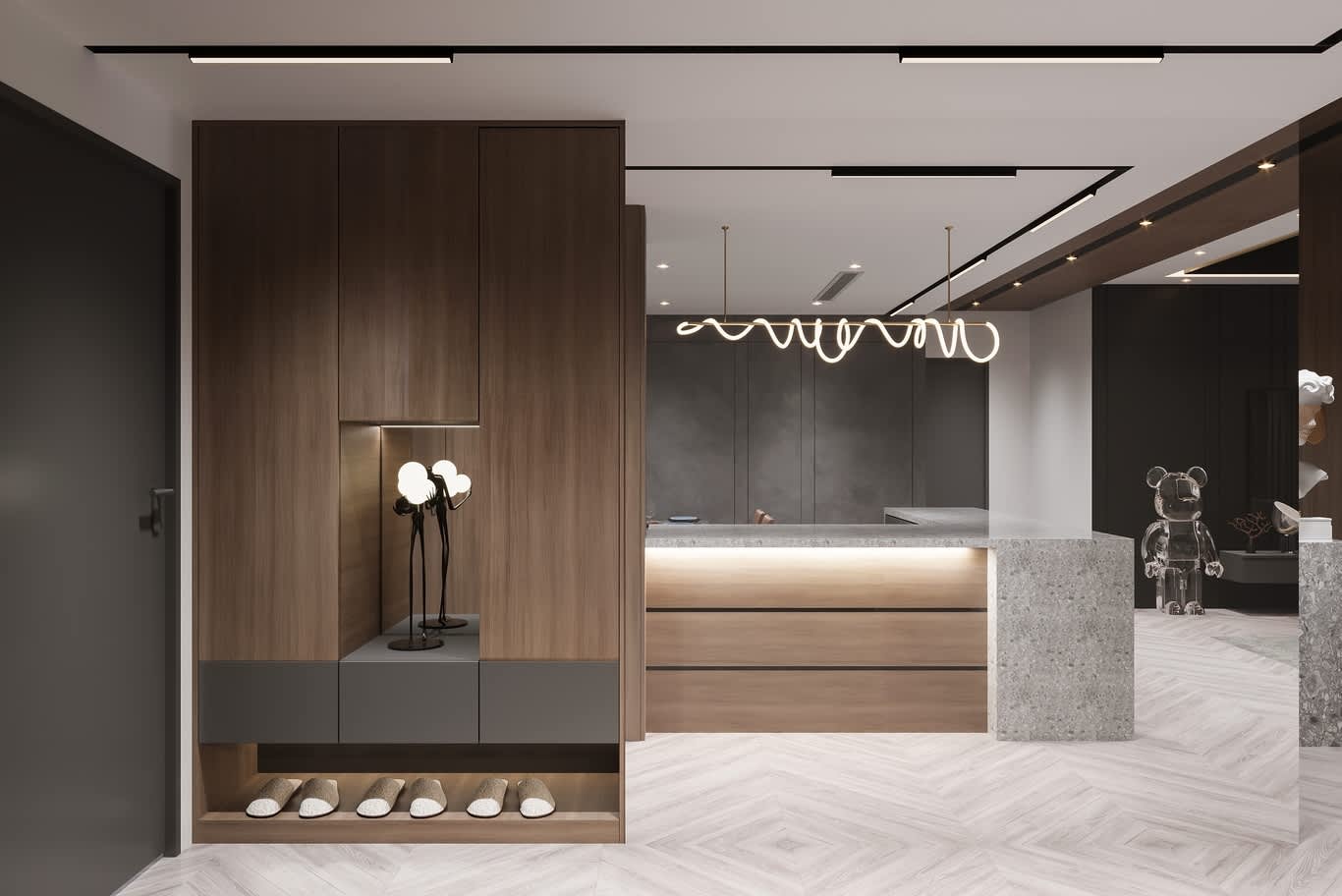
Windows are also being improved to block outside noise while still letting in natural light. Floor underlays and wall insulation are standard requirements to ensure that privacy is maintained between neighbors. These technical details make a massive difference in the daily quality of life for Dubai’s residents.
20- Future of Retail and Social Spaces
Retail interiors are also being redesigned to match the 2040 goals. Shops are becoming experiential hubs where customers can interact with products in a social setting. This matches the shift toward a "pedestrian-first" city where people spend more time exploring their local neighborhoods.
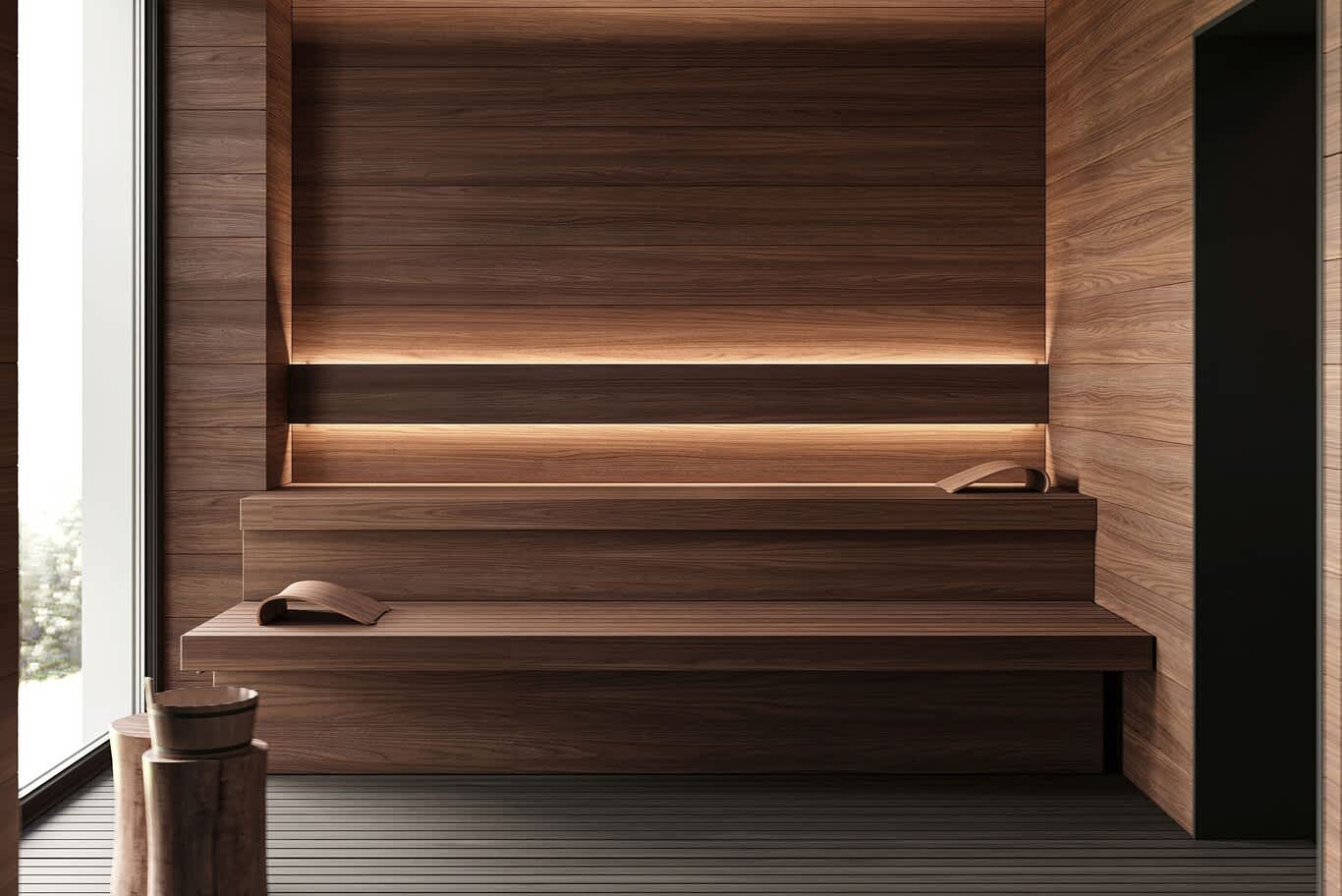
Restaurants and cafes are using more outdoor-indoor transitions to take advantage of the better weather months. The focus is on creating environments that feel welcoming and connected to the community. This move toward social design helps build stronger neighborhoods and supports the overall goal of a happy and inclusive city.
21- Professional Challenges and Adaptation
The move toward the 2040 vision presents hurdles for the industry. Supply chain issues can cause delays in receiving premium materials. Designers must employ advanced management strategies, maintaining multiple supplier relationships to ensure timelines are met.
Economic pressures and budget constraints also play a role. While there is a high demand for innovation, eco-friendly technologies require high capital outlays. To maintain efficiency, firms are turning to Building Information Modeling (BIM) to track material and labor usage with extreme accuracy, reducing errors and optimizing resources.
22- Climate and Quality Control
The extreme heat and humidity of the UAE pose a threat to the quality of interior work. Dust can compromise installations, and worker productivity is limited during summer. Sensitive materials must be stored in climate-controlled facilities, and project schedules are carefully managed to avoid high-humidity periods for the application of adhesives and paints.
23- Dubai as a Global Model for Living
The Dubai 2040 Urban Master Plan is more than a blueprint for growth. It is a commitment to a future where innovation supports life. By 2040, the city will have achieved a doubling of green spaces and a population density that supports a thriving knowledge economy.
The next two decades will be defined by the union of technology, materiality, and identity. Internal spaces will emerge as self-sufficient architectures that not only shelter residents but also generate power and recycle water. The success of these spaces will depend on prioritizing the human experience, creating a city that feels balanced and alive. As the transformation unfolds, the role of thoughtful spatial planning will be pivotal in making Dubai a resilient and happy home for millions.
If you are looking for a partner to bring your vision to life within this new urban era, contact Algedra. Our team is ready to create spaces that honor the past while embracing the sustainable future of Dubai.
FAQ
1- How does the 2040 plan impact residential property value? Properties are increasingly valued by their proximity to green corridors, internal air quality, and integration into the "20-minute city" model.
2- What is the role of AI in modern Dubai homes? AI systems are used to calibrate climate, lighting, and energy management in real-time, helping to reduce utility loads and improve personal comfort.
3- Are green building regulations mandatory for renovations? Yes, Al Sa'fat requirements apply to new constructions, additions, and significant refurbishments that require a building permit from the Dubai Municipality.
4- What defines the "Modern Arabic Fusion" style? It is a blend of traditional motifs like geometric patterns and mashrabiya screens with contemporary aesthetics and high-tech materials.
5- How does the plan address urban heat island effects? Through the doubling of green spaces, the creation of urban green corridors, and the use of heat-resistant materials and passive cooling designs in buildings.
FREE CONSULTATION
TELL US ABOUT YOUR PROJECT
WE WOULD LOVE TO HEAR FROM YOU
Feel free to reach us via this contact form and one of our Design Consultants will get back to you at earliest.
OUR BRANCHES
UAE - DUBAI
+971 52 8111106 | hello@algedra.ae
TURKEY - ISTANBUL
+90 533 701 89 71 | info@algedra.com.tr
Leading Interior Design and Decor Company in Dubai and Abu Dhabi.
Algedra is a reputable, internationally recognized, and one of the most successful interior design companies in Dubai, and Abu Dhabi, which specializes in delivering interior design, architectural, and creative space planning projects throughout GCC, MENA, North Africa, Turkey and Russia.
Algedra is a one-stop solution for all your residential interior design and fit-out needs. We have successfully completed numerous villa interior and exterior design projects, where we integrated quality and originality to deliver interior masterpieces.
ALGEDRA, Interior Design Company in Dubai, is specialized in providing elegant and stunning interior design services for both residential and commercial projects. We turn our clients' dreams into reality, trans- lating their tastes and needs into beautiful and functional spaces.
Since the day we were founded, we have designed and built many branded residences, resorts, hotels, multi-purpose social spaces, and palace designs with different functions and concepts by following the ever-changing design trends over the world.
A key element of our work is a fusion of different cultures and designs, combining Greek, Italian, Eastern and Western influences with British innovation.
As a team of highly qualified interior designers and engineers, Algedra offers complete architectural services from mall design to corporate office design as well as the exterior design of any project based on customers' needs.
Our customers include leading names, we have completed diverse projects in hospitality, landscape, commercial, and residential designs. These projects contain cafes, restaurants, gym, villas, family sitting rooms, bedrooms, kitchens; all showcasing our company's exquisite details and high-end designs.
Residential Interior Design in Dubai
Algedra's interior designers and architects have an important mission: building villas, houses, apartments, condos, and anywhere else where you reside that will fulfill your needs while being structurally safe and sound.
Architectural Designs
There are so many details that go into designing an architectural design project. Every step of the project has been carefully considered for safety and daily comfort by Algedra's experts.
Commercial Design
Conceptualizing spaces for business, to elevate style, and to increase functionality to help enhance the bottom line of a company is vital, as well as employee comfort and interior design too. Our commercial interior designers translate client's concept in ways that are efficient, attractive and provide professional workspaces.
Fit-out Projects
Algedra Interiors delivering high-quality tailored fit-out projects that transform your villas, palaces and commercial spaces.
We're a passionate team of interior designers, architects and engineers. Every day we help clients to solve interior design problems and create engaging spaces!
Wherever you are in Kuwait, Saudi Arabia, Azerbaijan, Qatar, Morocco, Algeria, Tunisia, Libya, Egypt; don't hesitate, contact us to find out more about why we are one of the best interior design companies in Dubai and Abu Dhabi!