Home Page | Blog | Installing Grand Chandeliers to Define Space in Emirates Palace Area Hotels
Installing Grand Chandeliers to Define Space in Emirates Palace Area Hotels
1/29/2026
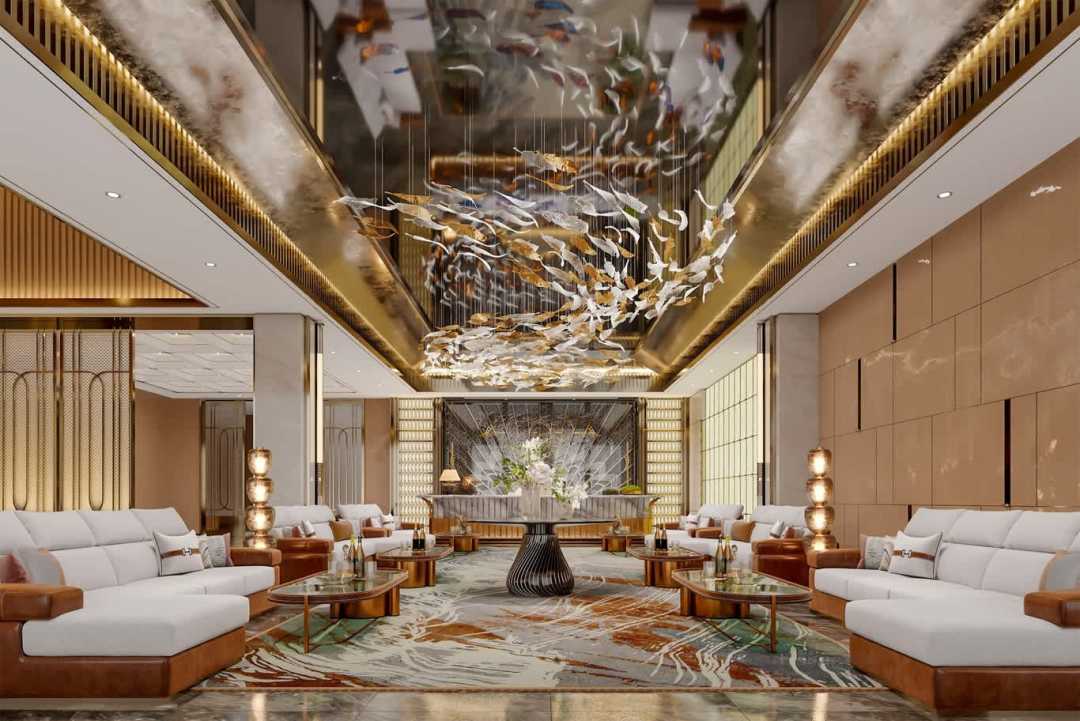
Suspended high above the polished marble floors, grand chandeliers define the visual language of the prestigious hospitality district surrounding the Emirates Palace in Abu Dhabi. These luminous giants act as crowns for the interior architecture, shaping the guest experience through a cascade of crystal and gold. The region maintains a reputation for regal aesthetics and ambitious scale, so the installation of such massive fixtures requires precise engineering and a creative vision of how light interacts with volume.
This exploration details the intricate process and the dramatic impact of installing these guiding elements to define expansive hotel environments, serving as a comprehensive hotel interior design guide for developers and enthusiasts alike.
1- The Gilded Coast of the West Corniche
Abu Dhabi’s western Corniche holds the Emirates Palace area, a district that glitters with distinct Arabian splendor. The neighborhood borders the Presidential Palace and features expansive manicured gardens, private marinas, and buildings that utilize gold leaf, onyx, and intricate mosaics. Hotels here favor soaring ceilings, massive domes, and vast open floor plans to convey a sense of infinite space. These architectural elements demand lighting solutions that possess an equal magnitude. A standard fixture would fade into the background of such immense volume. Designers choose grand chandeliers to bridge the distance between the high vaulted ceilings and the human level below.
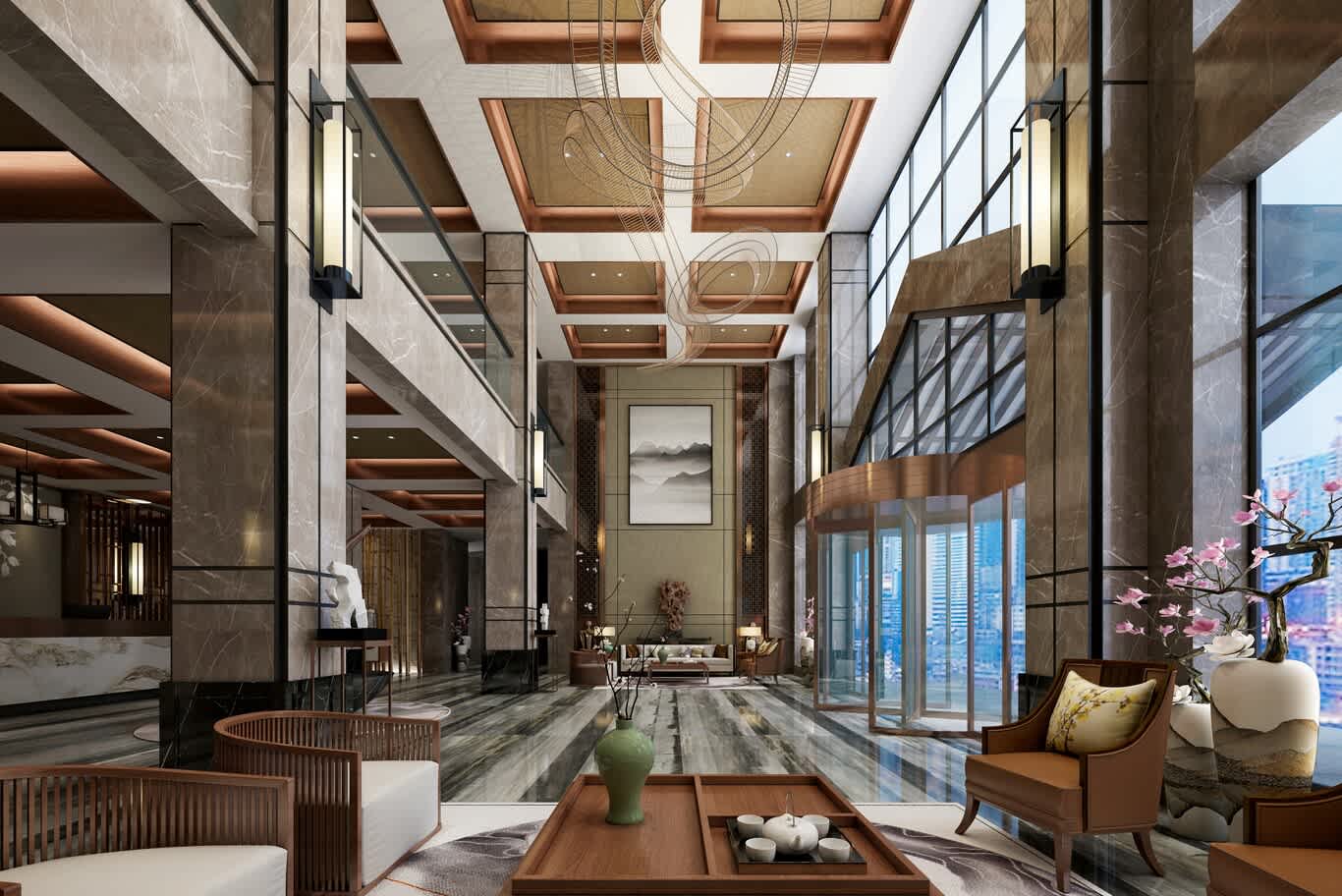
These installations bring the ceiling down visually, creating a sensation of intimacy within the grandeur. They occupy the upper volume of a room, turning empty air into a canvas of sparkling light and structure. For those seeking hotel interior design services in Emirate Palace Abu Dhabi, understanding this scale is crucial.
2- Anchoring the Lobby
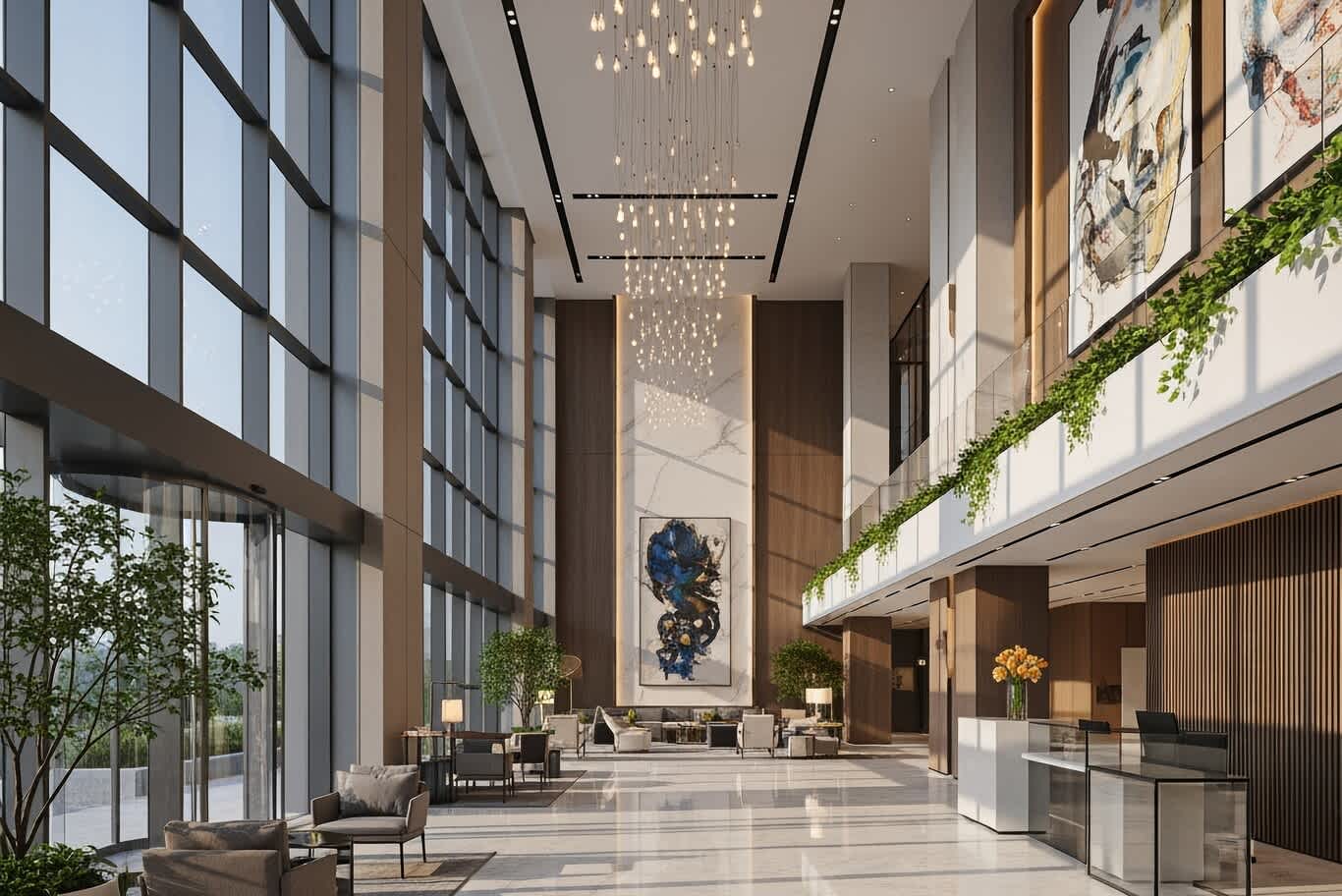
Lobbies in this district often span massive dimensions, resembling indoor plazas. A grand chandelier, positioned centrally, effectively announces the center of the hotel. It creates a magnetic focal point. Guests instinctively gravitate toward the glow. This centralization assists with intuitive orientation. Upon entering, a visitor sees the light fixture and understands the layout of the room immediately. The area directly beneath the chandelier often houses a central floral arrangement or a majlis-style seating area, marking it as a prime location for gathering.
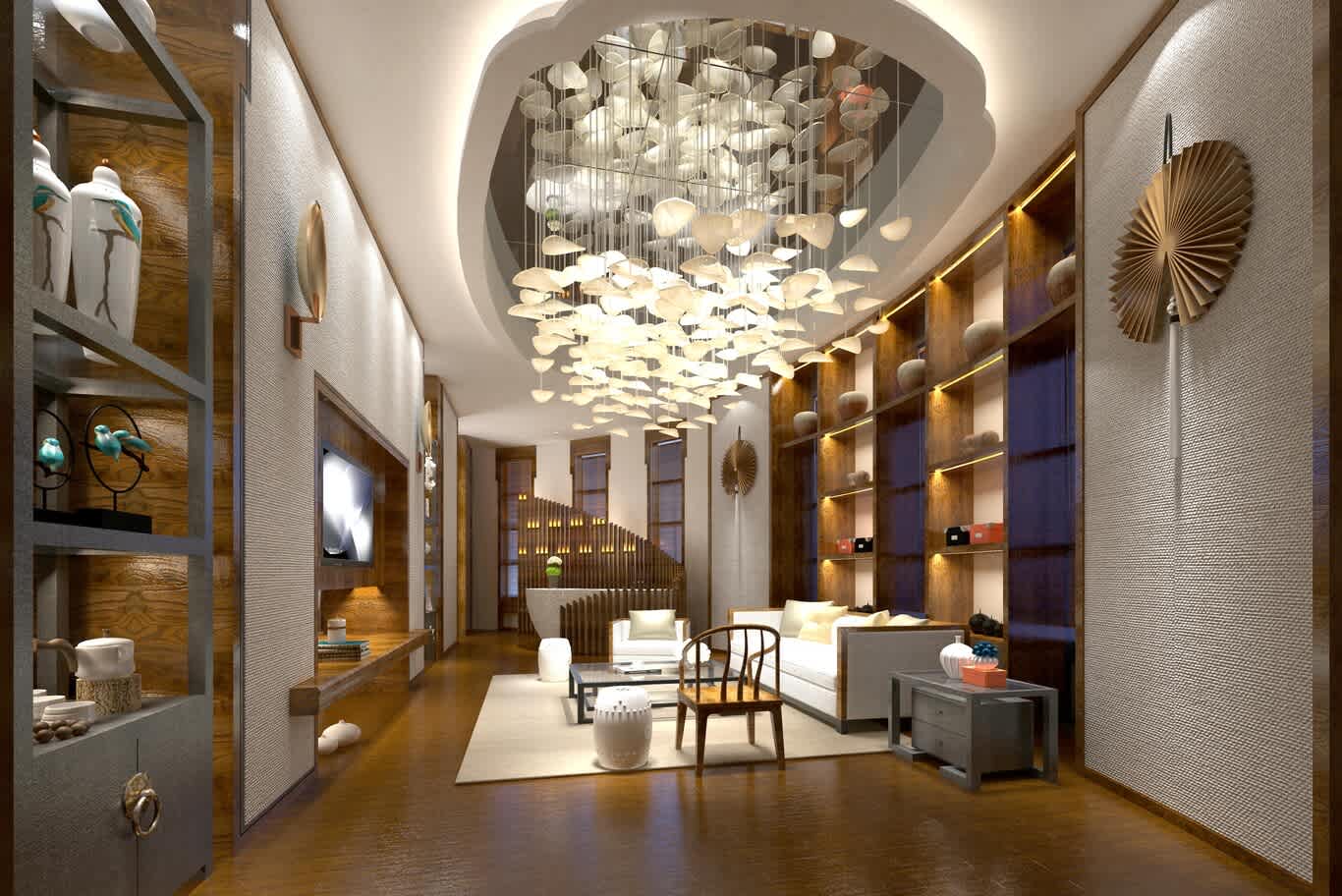
Installers and designers work together to align the fixture perfectly with the architectural center of the room. This symmetry delights the eye and reinforces the sense of order and stability. Spaces with domes often have the chandelier hanging from the apex, drawing the gaze upward to observe the architectural details of the roof before guiding it back down to the social space below. This vertical movement of the eye enriches the visual experience, allowing the guest to absorb the full volume of the hall through the strategic placement of hotel lobby lighting.
3- Defining Zones of Light
Large hotel spaces frequently combine reception areas, lounges, and walkways into one continuous floor plan. Grand chandeliers assist effectively in zoning these areas without the need for walls or dividers. A linear series of chandeliers can outline a main walkway, guiding guests from the entrance to the elevators with a rhythm of light. A cluster of pendant lights or a single, lower-hanging chandelier can define a private lounge area, suggesting a change in atmosphere from the busy reception to a quiet conversation spot.
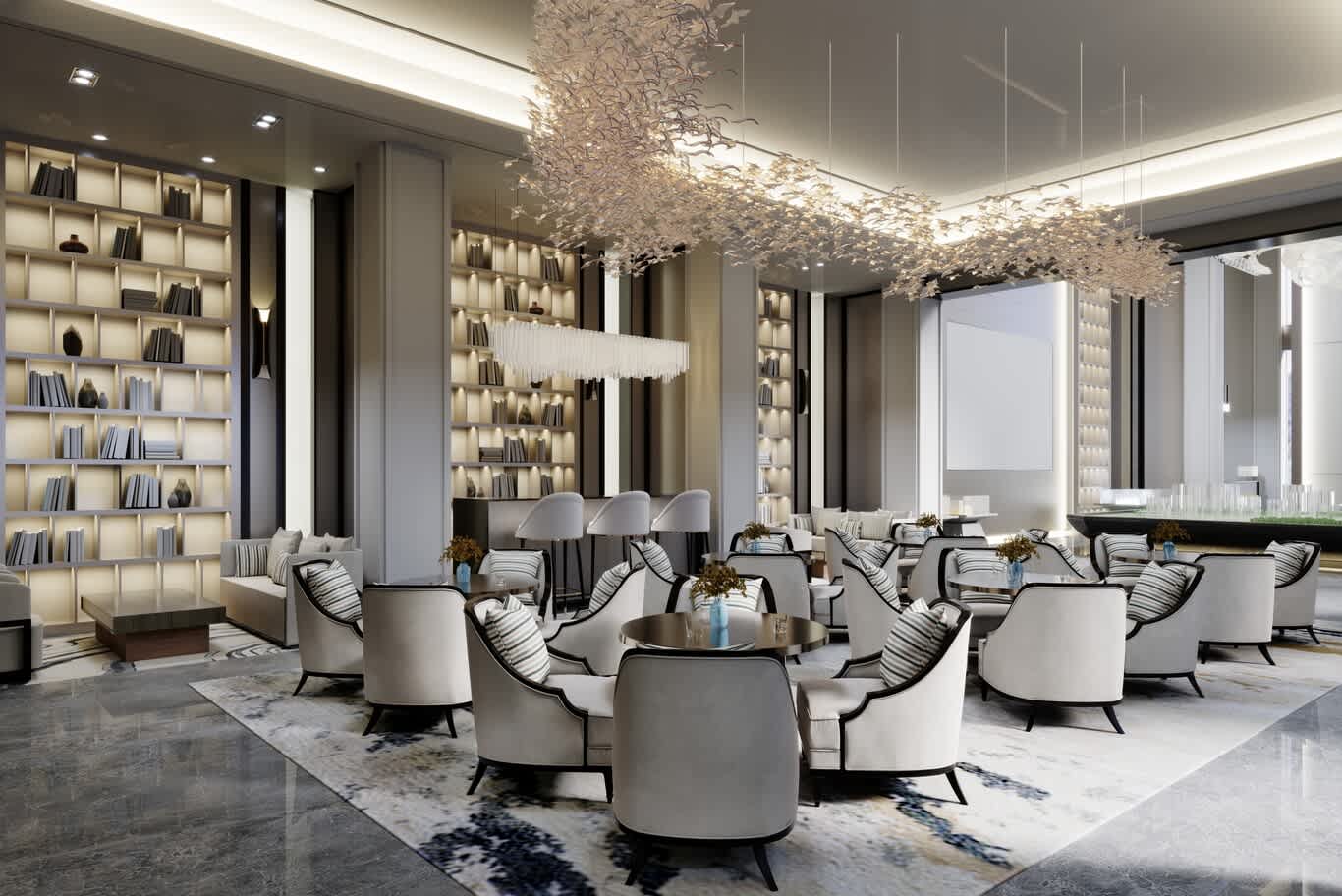
Lighting intensity plays a vital role here as well. Hotel operators focus attention on specific zones by dimming the perimeter lights and keeping the central chandelier bright. This manipulation of light creates "rooms" made of illumination. Ideally, the chandelier hanging over a seating area sits lower than one in a main thoroughfare. This variation in height signals a shift in usage, inviting guests to sit and relax. The physical presence of the fixture overhead creates a psychological ceiling, providing a sense of enclosure and protection even in a room with a triple-height ceiling, utilizing architectural lighting design techniques.
4- The Weight of Brilliance
The installation of a multi-ton chandelier demands rigorous structural preparation. Hotels near Emirates Palace often feature fixtures with heavy distinct crystals and gold-plated brass structures, making weight a primary consideration. Engineers calculate the total load, including the frame, the glass, and the electrical components. They often design a specialized sub-frame within the ceiling void to distribute this weight across the building's structural beams.
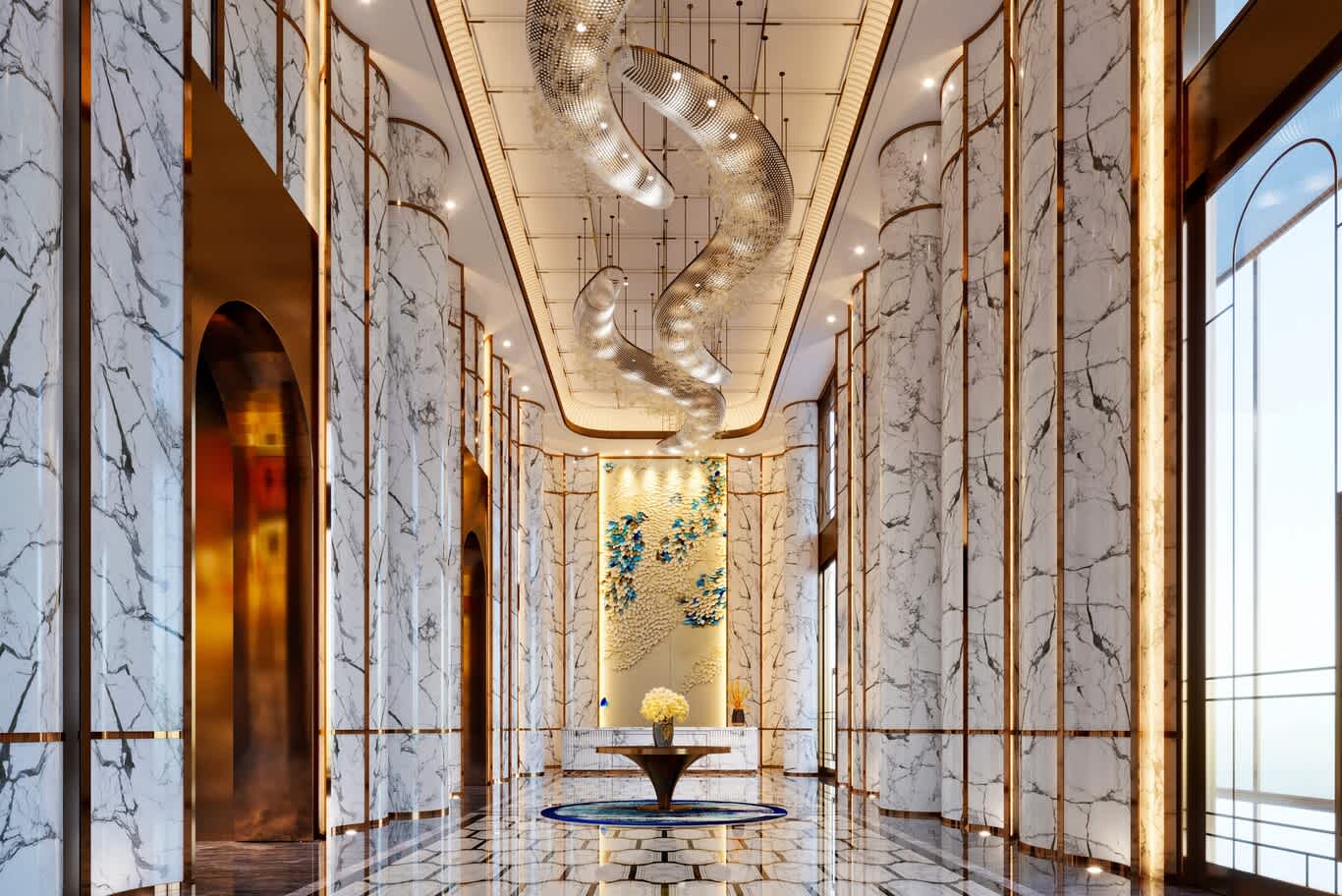
Support systems frequently utilize heavy-duty steel cables and custom-fabricated mounting plates. These elements guarantee that the fixture remains secure. The installation team coordinates closely with structural engineers during the construction phase to locate the strongest points of attachment. The ceiling itself often receives reinforcement before the final finish applies. This proactive approach secures the longevity and stability of the custom crystal chandeliers.
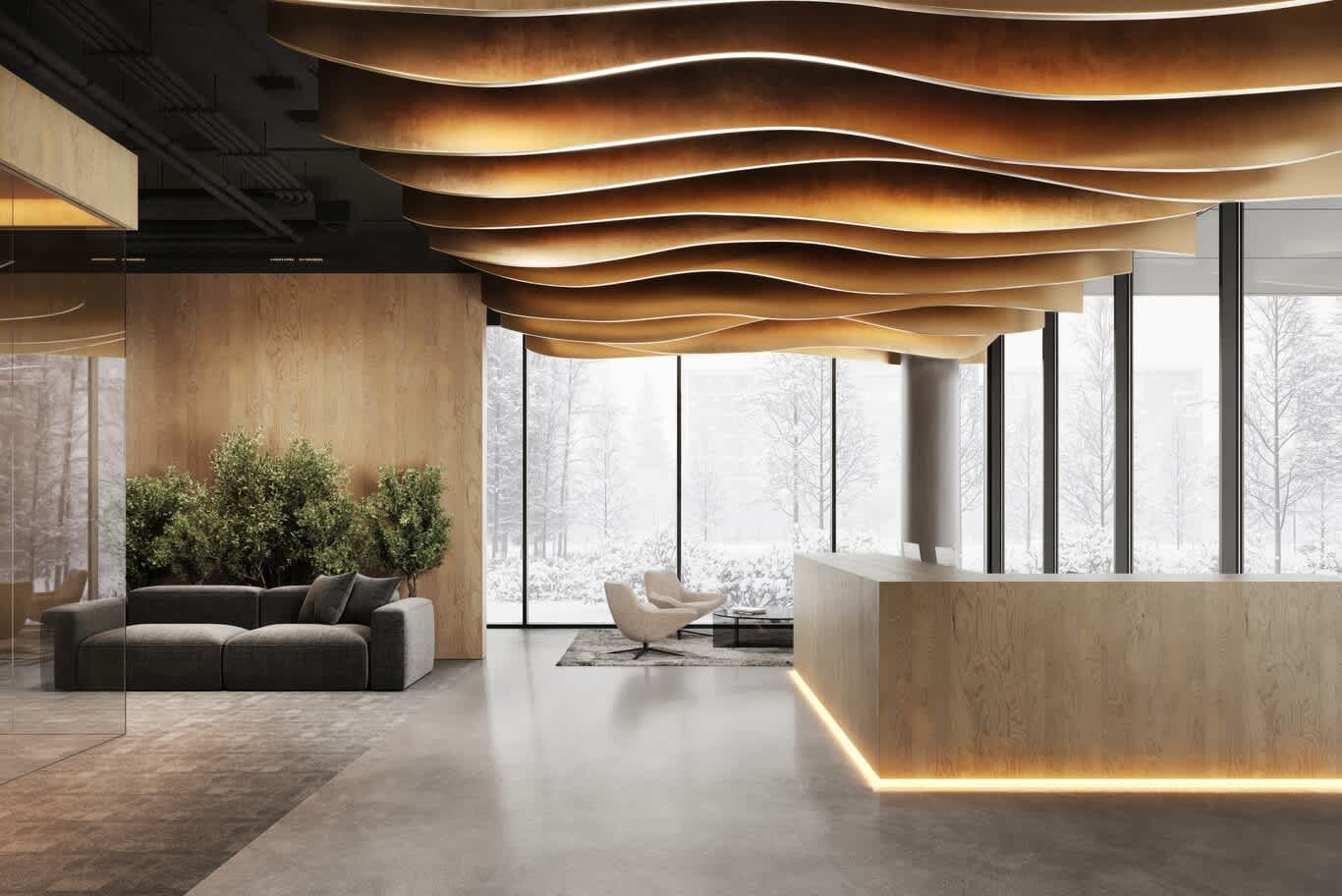
Extremely heavy fixtures benefit from a redundant support system. Independent safety cables, separate from the main suspension mechanism, attach directly to the building structure. This engineering rigor allows for the safe suspension of chandeliers that rival small cars in weight, letting them float effortlessly above the heads of guests.
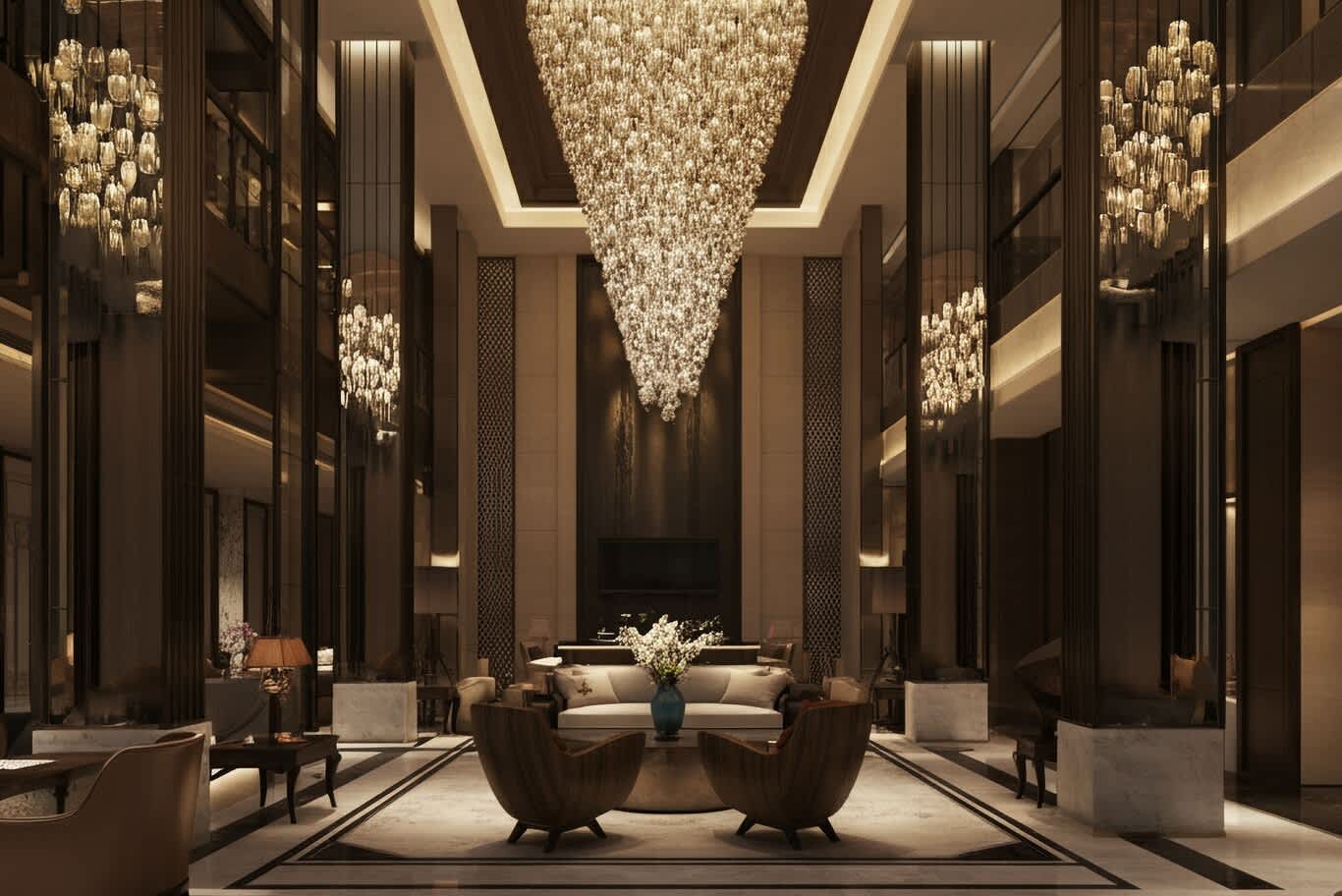
5- Illuminating the Lobby
Grand chandeliers require complex electrical systems to power hundreds of individual light sources. The quality of light matters as much as the fixture itself in high-end Abu Dhabi hotels. Designers specify LED technology that mimics the warm glow of incandescent bulbs or candlelight. This color temperature complements the gold and sand tones prevalent in the interior design.
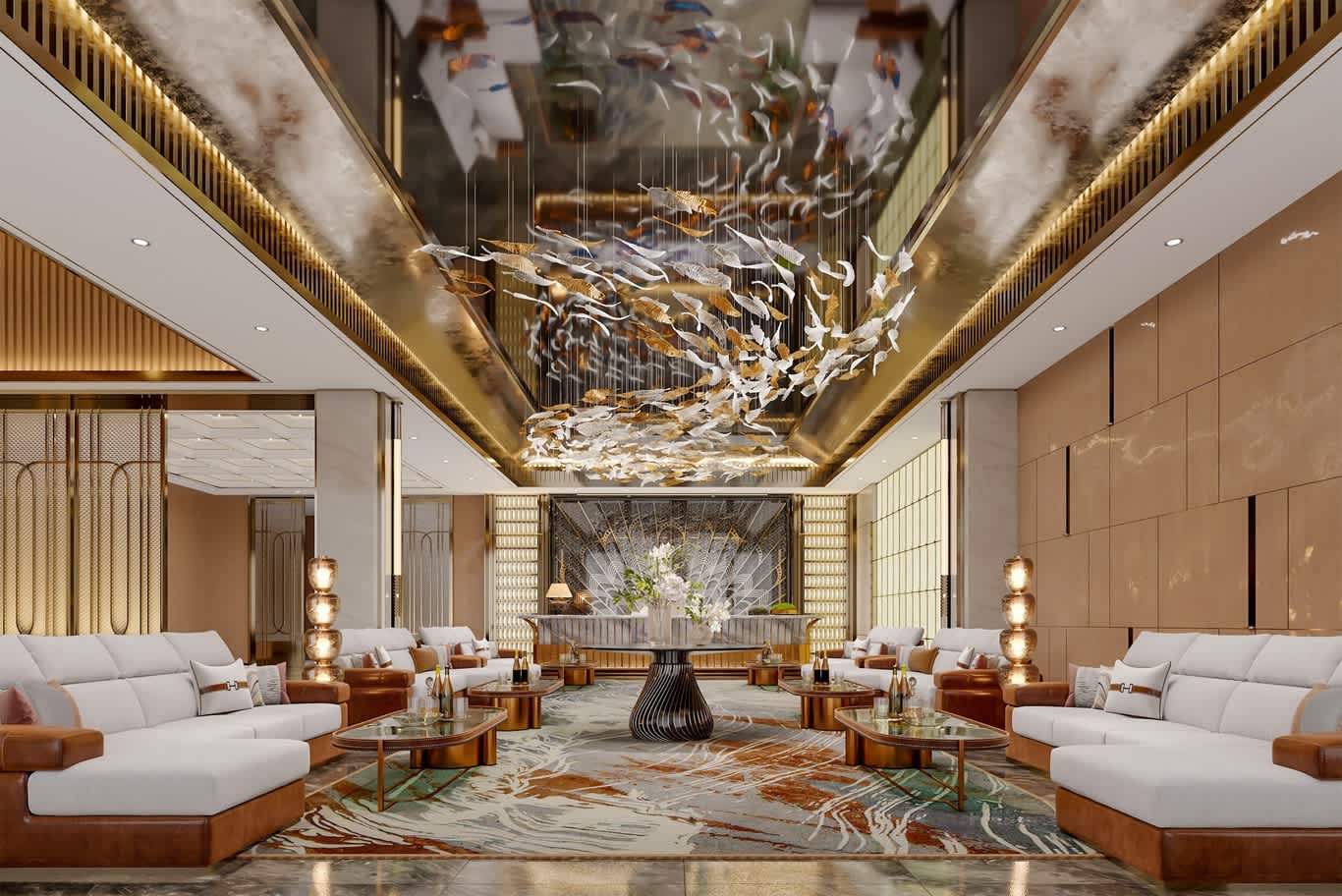
Installers run dedicated circuits to manage the load. The chandelier often connects to a sophisticated lighting control system. This allows the hotel staff to adjust the brightness levels according to the time of day. A bright, cool setting works well for cleaning and morning energy, while a warm, dim glow sets the mood for the evening. The wiring process demands meticulous organization. Technicians bundle and label wires clearly, creating a clean system within the ceiling canopy. This organization simplifies future troubleshooting and maintains the integrity of the electrical connections.
6- The Hidden Mechanics of Ascension
Maintenance remains a vital aspect of owning a grand chandelier. Dust accumulates on crystals, and bulbs eventually need replacement. Reaching a fixture with a ladder becomes impossible in spaces with ceilings reaching 10 or 20 meters. The installation of a motorized light lift system becomes standard practice in these luxury environments.
These lifts allow the maintenance team to lower the entire chandelier to floor level with the push of a button. This capability facilitates regular cleaning, which keeps the crystals sparkling and the light output at its maximum. It also makes the changing of bulbs a safe and simple task. The lift mechanism sits hidden within the ceiling void, invisible to the guests. Its operation is smooth and controlled, protecting the delicate glass elements from vibration. Hotels maintain the pristine appearance of their defining features with ease by integrating these motorized light lifts.
7- Materiality and the Prism
Materials chosen for these chandeliers directly influence their ability to define space. Crystal remains the material of choice in the Emirates Palace area due to its refractive properties. High-quality crystal breaks white light into a spectrum of colors, casting rainbows on the surrounding surfaces. This effect adds a layer of movement and energy to the room. The light feels alive.
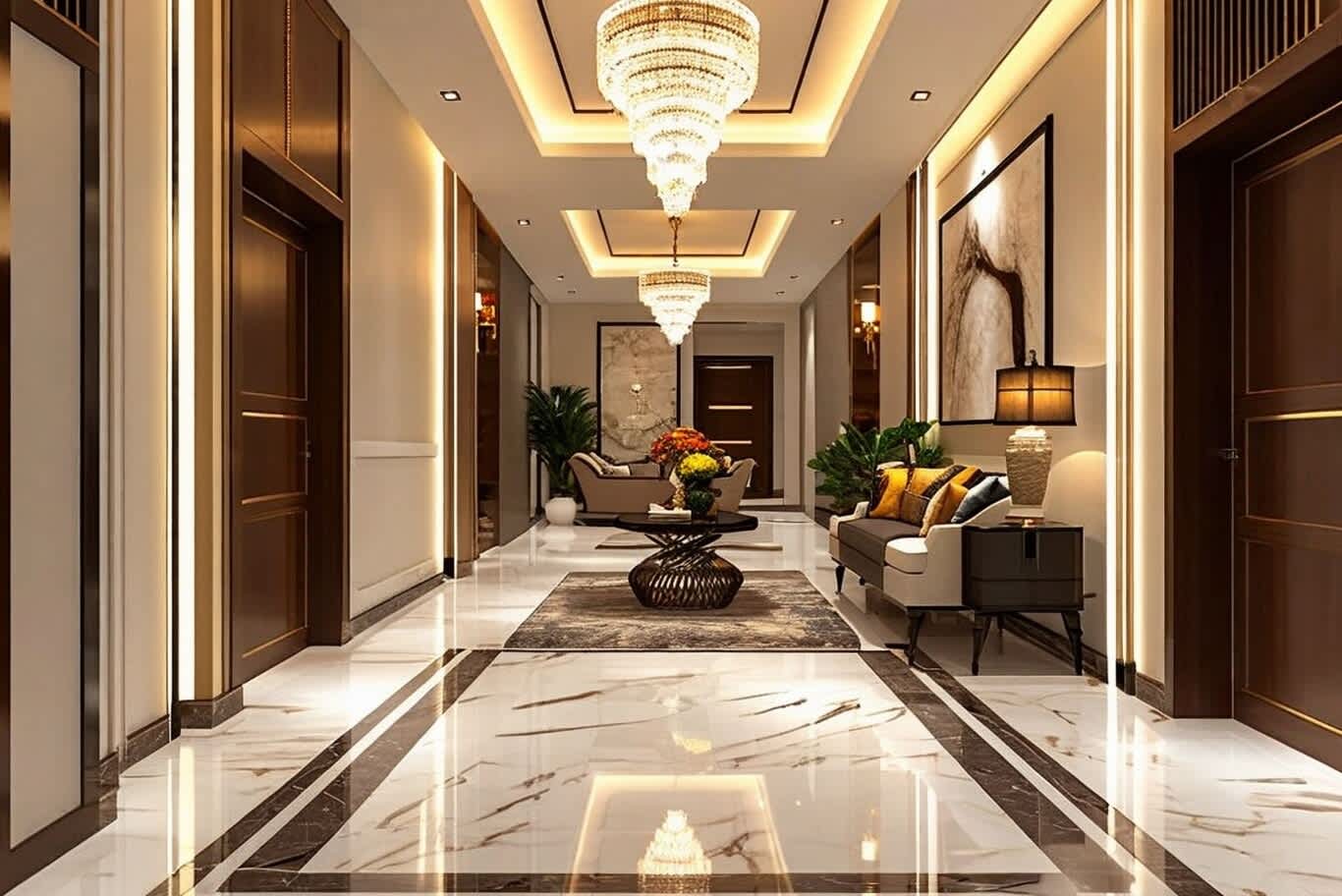
Gold finishes on the metal arms of the chandelier connect the fixture to the architectural detailing of the walls and columns. The gold glows when the chandelier is lit, adding a warmth that softens the vastness of the space. Some designs incorporate semi-precious stones or mother-of-pearl, nodding to the region's pearling history. These materials catch the light differently, creating a rich tapestry of textures. The physical mass of the chandelier combined with its optical lightness creates a compelling paradox that fascinates the viewer, showcasing the best of luxury interior materials.
8- Sculpting with Shadows
A single light source can flatten a room, but a grand chandelier creates depth. Multiple tiers of lights produce layers of illumination. Crystals closer to the center glow intensely, while those at the edges sparkle more softly. This gradation of light helps to model the faces of guests and the textures of the furniture. It reveals the three-dimensional nature of the surroundings.
Shadows play a part as well. Intricate arms and crystals cast soft, patterned shadows on the ceiling. This visual interest draws the eye upward and breaks up the monotony of a large, flat ceiling surface. The chandelier acts as a sculpture that uses light as its medium. The chandelier takes over completely in the evening when natural light fades, defining the mood of the hotel. A warm, golden light creates a welcoming and hospitable atmosphere, encouraging guests to linger under the decorative ceiling lighting.
9- The Spectacle of Assembly
The physical act of installing these giants creates a visual event of its own. It requires a coordinated team of specialists. Scaffolding often fills the room, allowing technicians to reach the ceiling safely. The assembly happens in stages. First, the frame is hoisted and secured. Then, the electrical connections undergo testing. Finally, the team dresses the frame with thousands of individual crystals.
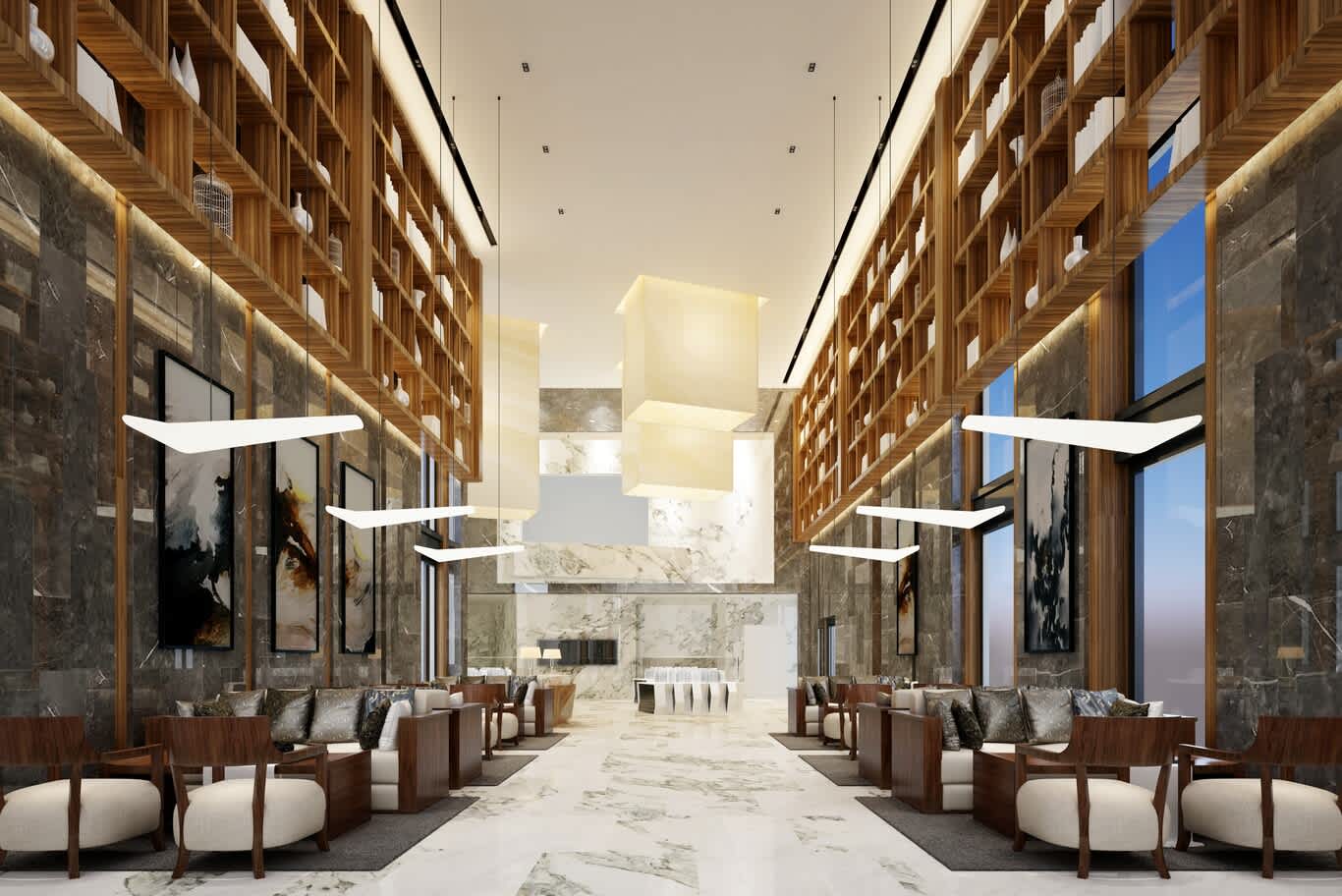
This process demands patience and precision. Every crystal has a specific place. The team wears white gloves to prevent smudges on the glass. They work from the top down, completing each tier before moving to the next. This systematic approach results in a flawless finish. Safety protocols remain strict throughout. The area is cordoned off, and all personnel wear protective gear. The successful completion of such an installation marks a major milestone in the hotel's construction or renovation, often executed by professional lighting installers.
10- Highlighting the Architecture
A well-placed chandelier highlights the surrounding architecture. The fixture accentuates the curve of the ceiling in a domed rotunda. A row of chandeliers emphasizes the rhythm of the columns in a long gallery. The light washes over the architectural moldings, bringing out the details of the plasterwork or stone carving.
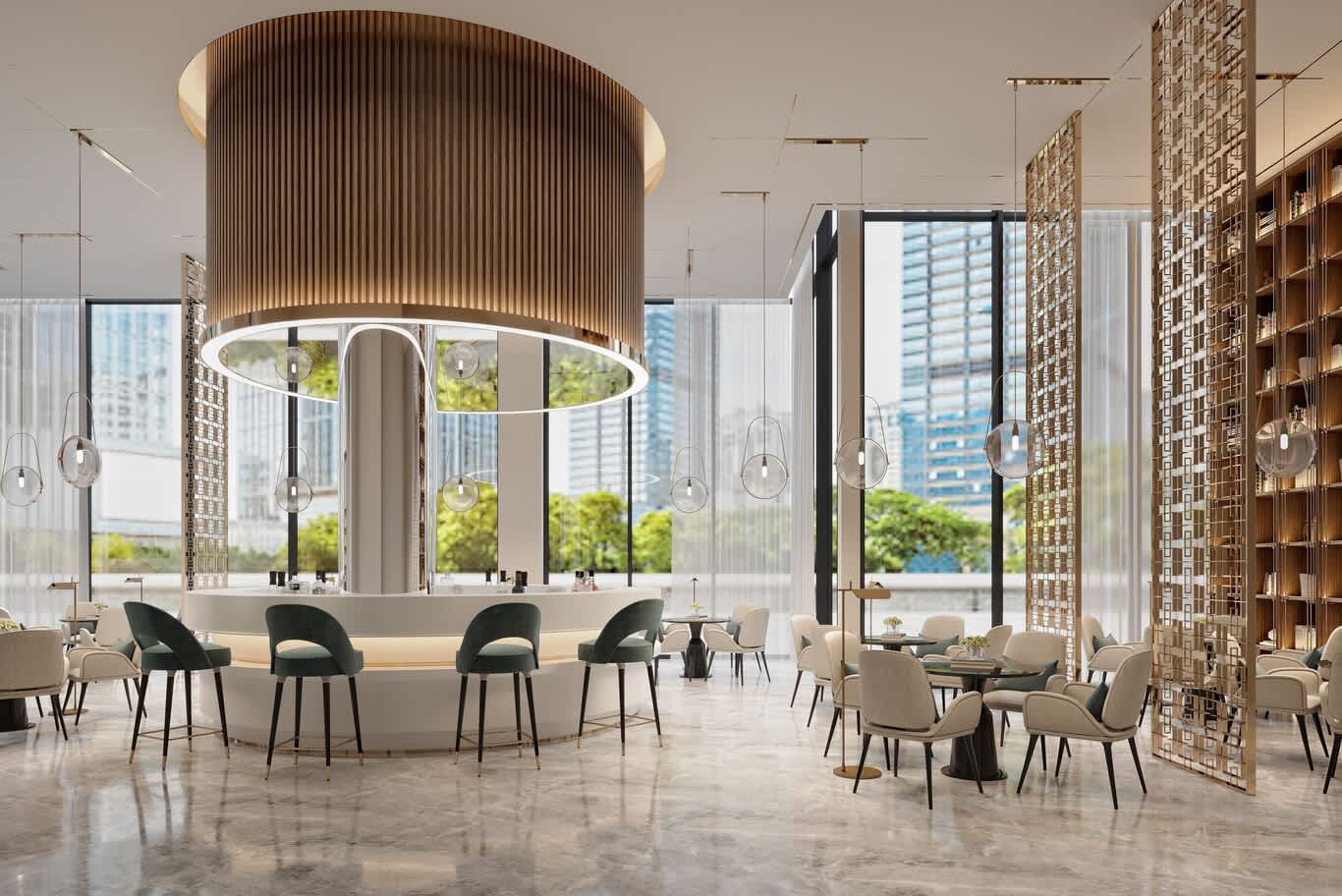
Designers use the chandelier to direct attention to specific architectural assets. A vertical chandelier hanging in the stairwell creates a visual connection between the floors if a hotel boasts a magnificent grand staircase. It encourages guests to use the stairs and admire the view. The fixture becomes a companion to the architecture, working in tandem to create a unified visual statement. The light reveals the intention of the architect, showing off the building's best features through bespoke lighting solutions.
11- The View from Below
Guests view the chandelier as a memory anchor. It is often the first thing they photograph upon arrival. The sheer scale and beauty of the fixture evoke feelings of awe and appreciation. It signals that they have arrived in a place of high status and exceptional quality. The light flatters the guests, making everyone look their best.
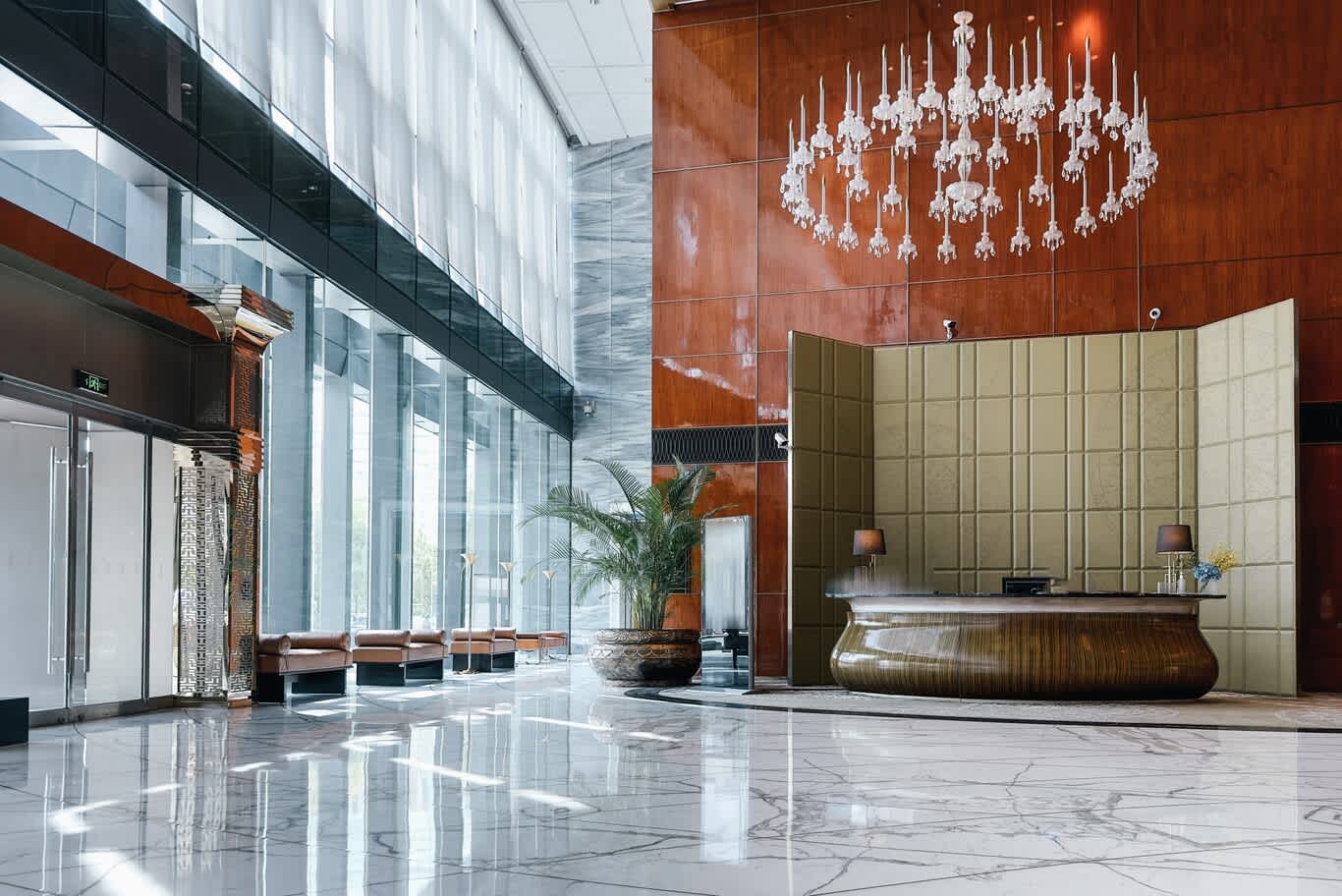
The presence of such a grand object implies a high level of care and investment by the hotel. It suggests that every detail of their stay will receive similar attention. The chandelier sets the bar for the experience. It creates a sense of occasion. Walking beneath a cascading waterfall of crystal makes a simple stroll to the reception desk feel like a grand entrance. This emotional impact forms a crucial part of the luxury hospitality experience.
12- Sunlight Effect
The chandelier interacts with the abundant sunlight of Abu Dhabi during the day. Crystals act as prisms, catching the sunbeams that enter through high windows. This passive illumination keeps the fixture alive even when the electric lights remain off. The glass glitters with the changing angles of the sun.
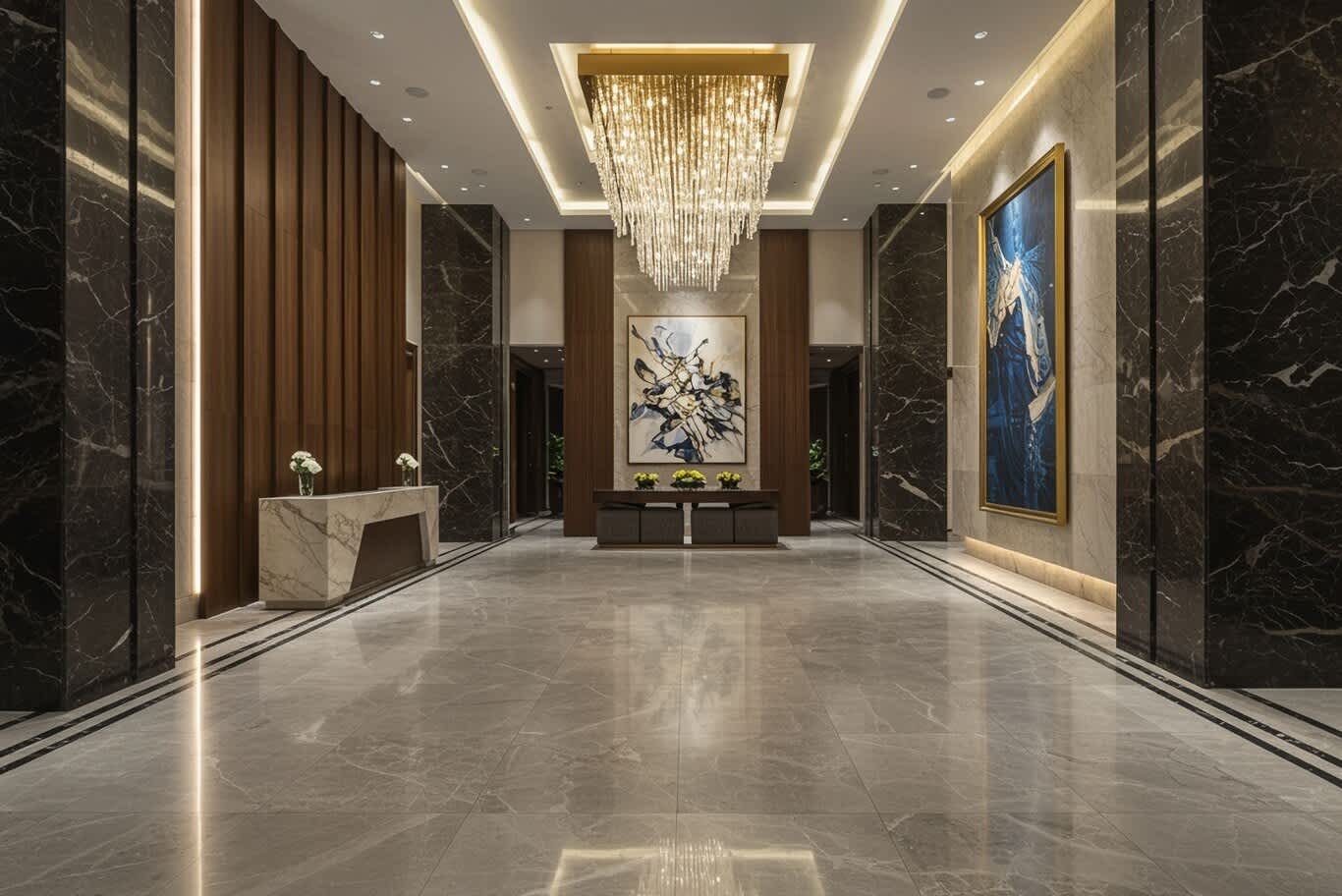
Designers position the chandeliers to maximize this interaction. They calculate the path of the sun to guarantee the fixture catches the morning or afternoon rays. This dynamic relationship with natural light connects the interior to the exterior environment. It brings the brightness of the desert sun inside, filtered and softened by the crystal. This harmony between natural and artificial light creates a balanced and comfortable visual environment for the guests throughout the day, an important part of sustainable lighting design.
13- Structural Reinforcement Details
Before any crystal touches the air, the ceiling cavity undergoes a transformation. Steel beams often need welding to the primary concrete slab to create a hardpoint capable of holding dynamic loads. Engineers account for not just the static weight, but also the potential swing caused by air conditioning currents or minor seismic activity. This hidden skeleton makes the beauty below possible.
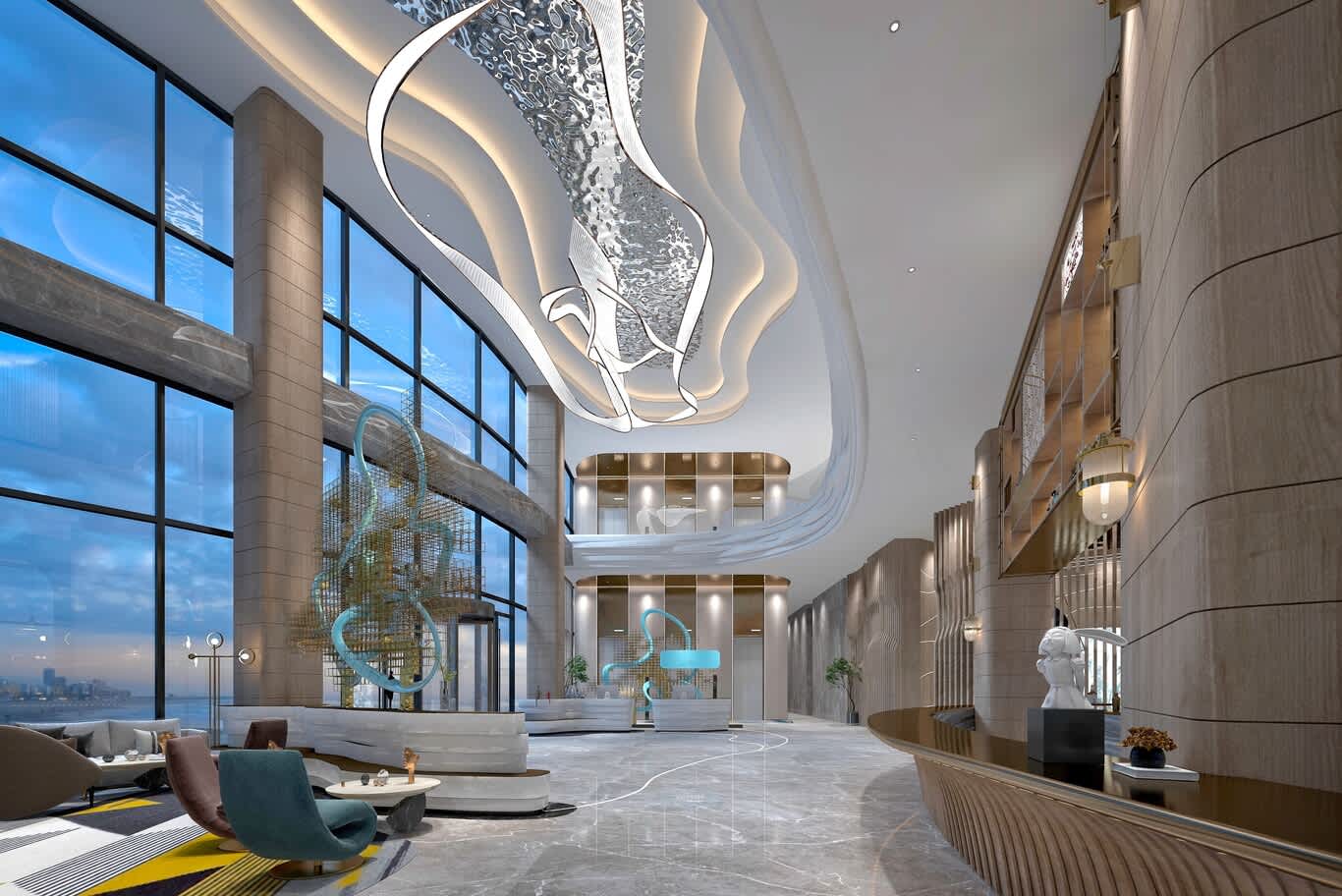
Contractors verify these points with pull tests. They apply weight exceeding the chandelier's mass to prove the integrity of the anchor. Only after these rigorous checks does the installation proceed. This invisible work guarantees that the massive structure floats with apparent weightlessness, a feat of structural engineering for lighting.
14- Logistics
Getting a chandelier to the site presents its own set of challenges. Large fixtures arrive in dozens of crates. Logistics managers coordinate the delivery to match the construction schedule. The crystals often come from Europe, while the metalwork might originate locally or from specialized foundries in Asia.
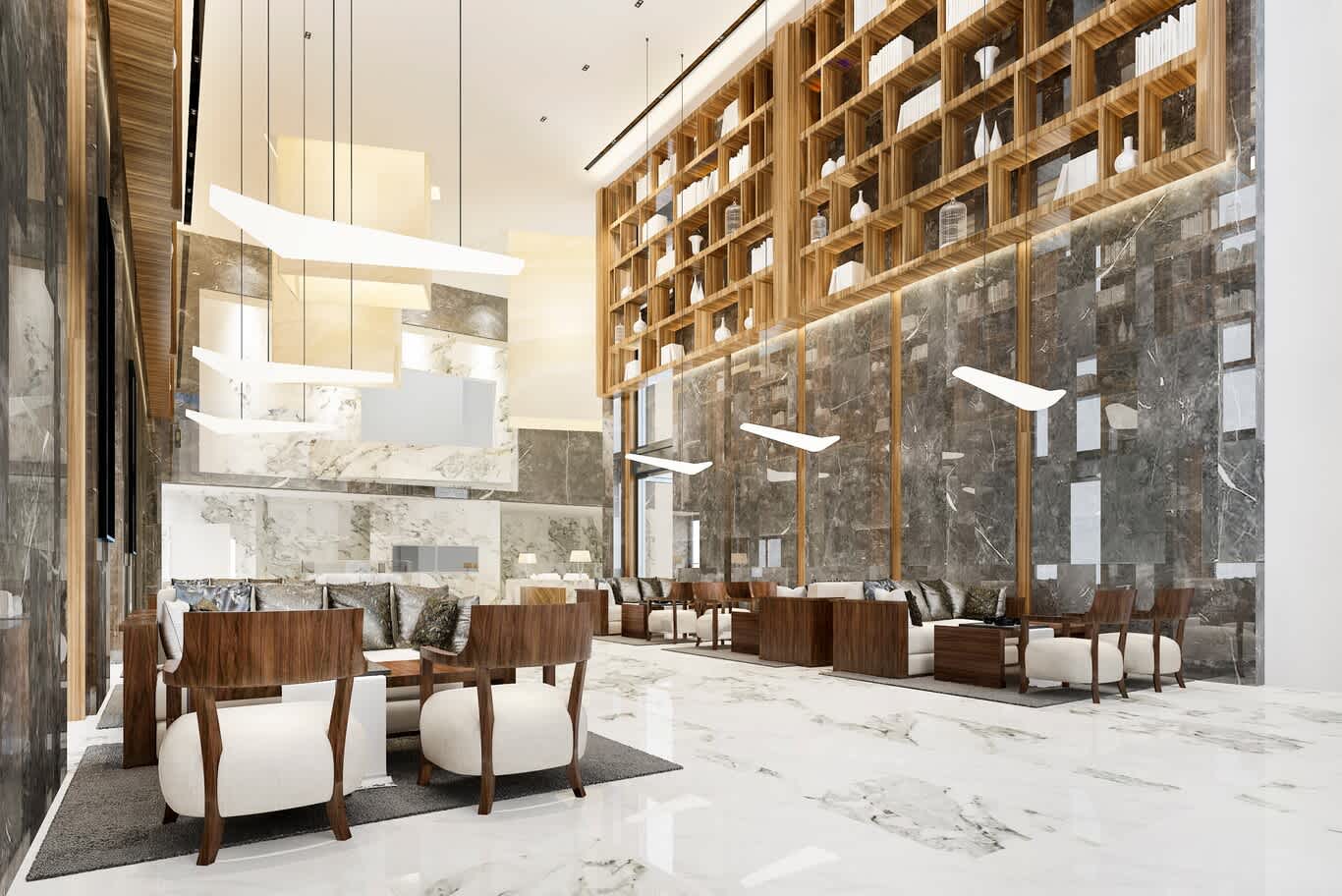
Storage on-site requires climate control to prevent tarnishing of the metal parts before assembly. The unpacking process resembles an archaeological excavation in reverse. Each piece is cataloged and inspected for damage. This logistical ballet ensures that when the installation day arrives, every screw, crystal, and bulb is ready for the team, streamlining the chandelier installation process.
15- Final Commissioning
The moment of first light, or commissioning, reveals the success of the project. Lighting designers adjust the dimming curves to ensure a flicker-free transition from dark to bright. They aim the spotlights to catch specific crystals, maximizing the sparkle. This fine-tuning stage aligns the reality of the installation with the original rendering.
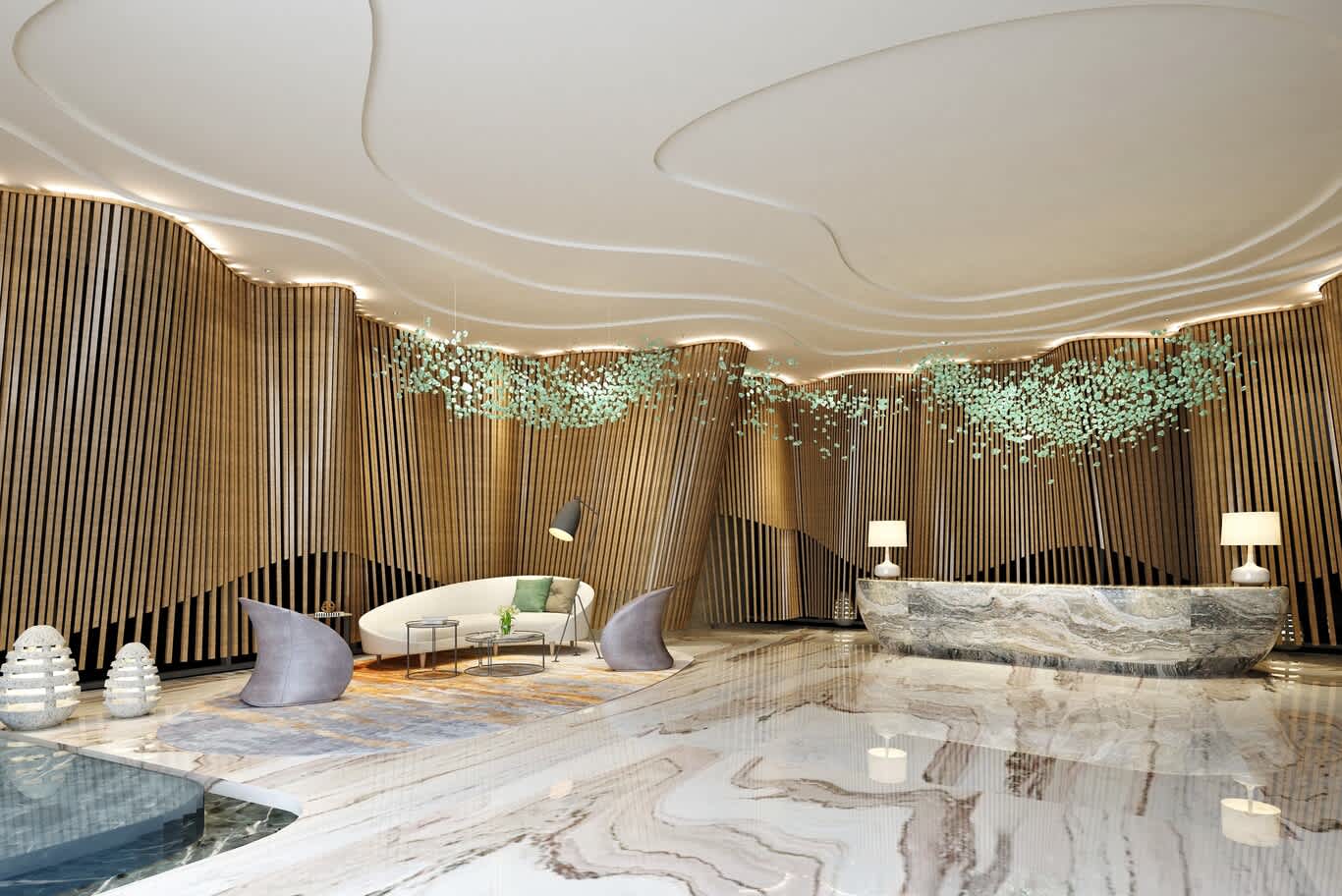
Hotel management reviews the preset scenes. They confirm that the "Evening" scene creates the right mood and the "Cleaning" scene provides enough visibility for staff. This collaboration guarantees that the chandelier meets all operational needs while maintaining its aesthetic role. The handover includes training for the facility management team on how to operate the lift and change the bulbs, ensuring the fixture remains a source of hotel design inspiration.
Conclusion
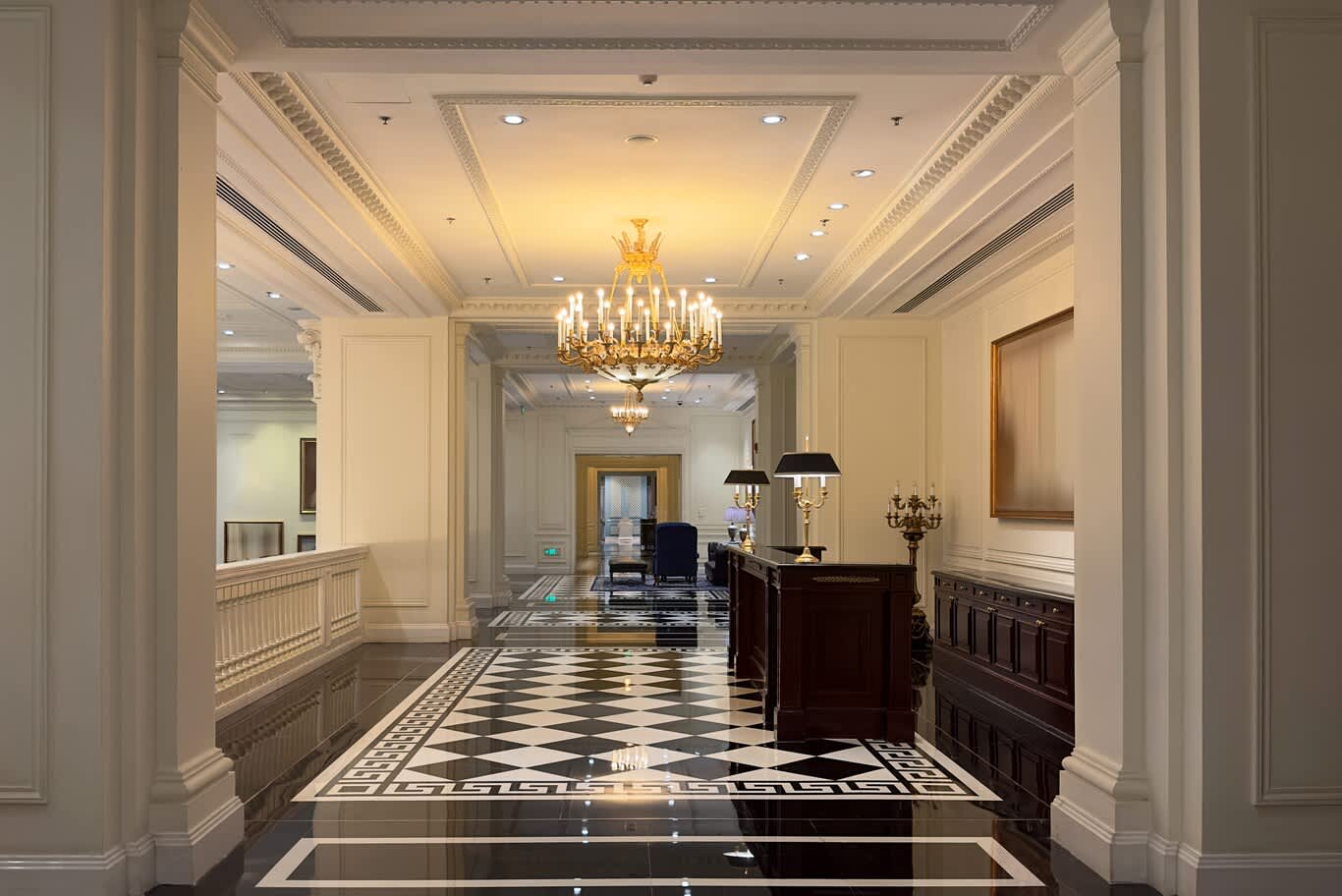
Grand chandeliers in the hotels of the Emirates Palace area represent a meeting of creative skill, engineering, and luxury. These fixtures define the immense spaces, organizing them into understandable and welcoming zones. They provide a focal point that anchors the architectural design. These luminous structures elevate the guest experience through careful material selection, precise engineering, and thoughtful placement. They act as the glowing center of the hotel, pulsing with light and energy. The successful integration of a grand chandelier confirms the hotel's status as a destination of elegance and grandeur. The light from above guides, welcomes, and delights every visitor who steps into the hall, creating an unforgettable atmosphere of modern luxury living.
Elevate Your Hotel Interiors with Algedra
Creating a space that highlights elegance requires a partner who understands the intricacies of luxury interior design. If you need a full interior design or fit-out company for your hotel project, Algedra is here to help as an award-winning firm. Our team specializes in creating environments that captivate and inspire, handling every detail from the initial concept to the final installation. We provide world-class hotel interior design services in Emirate Palace Abu Dhabi and UAE.
Contact us today to discuss how we can bring your vision to life.
FREE CONSULTATION
TELL US ABOUT YOUR PROJECT
WE WOULD LOVE TO HEAR FROM YOU
Feel free to reach us via this contact form and one of our Design Consultants will get back to you at earliest.
OUR BRANCHES
UAE - DUBAI
+971 52 8111106 | hello@algedra.ae
TURKEY - ISTANBUL
+90 533 701 89 71 | info@algedra.com.tr
Leading Interior Design and Decor Company in Dubai and Abu Dhabi.
Algedra is a reputable, internationally recognized, and one of the most successful interior design companies in Dubai, and Abu Dhabi, which specializes in delivering interior design, architectural, and creative space planning projects throughout GCC, MENA, North Africa, Turkey and Russia.
Algedra is a one-stop solution for all your residential interior design and fit-out needs. We have successfully completed numerous villa interior and exterior design projects, where we integrated quality and originality to deliver interior masterpieces.
ALGEDRA, Interior Design Company in Dubai, is specialized in providing elegant and stunning interior design services for both residential and commercial projects. We turn our clients' dreams into reality, trans- lating their tastes and needs into beautiful and functional spaces.
Since the day we were founded, we have designed and built many branded residences, resorts, hotels, multi-purpose social spaces, and palace designs with different functions and concepts by following the ever-changing design trends over the world.
A key element of our work is a fusion of different cultures and designs, combining Greek, Italian, Eastern and Western influences with British innovation.
As a team of highly qualified interior designers and engineers, Algedra offers complete architectural services from mall design to corporate office design as well as the exterior design of any project based on customers' needs.
Our customers include leading names, we have completed diverse projects in hospitality, landscape, commercial, and residential designs. These projects contain cafes, restaurants, gym, villas, family sitting rooms, bedrooms, kitchens; all showcasing our company's exquisite details and high-end designs.
Residential Interior Design in Dubai
Algedra's interior designers and architects have an important mission: building villas, houses, apartments, condos, and anywhere else where you reside that will fulfill your needs while being structurally safe and sound.
Architectural Designs
There are so many details that go into designing an architectural design project. Every step of the project has been carefully considered for safety and daily comfort by Algedra's experts.
Commercial Design
Conceptualizing spaces for business, to elevate style, and to increase functionality to help enhance the bottom line of a company is vital, as well as employee comfort and interior design too. Our commercial interior designers translate client's concept in ways that are efficient, attractive and provide professional workspaces.
Fit-out Projects
Algedra Interiors delivering high-quality tailored fit-out projects that transform your villas, palaces and commercial spaces.
We're a passionate team of interior designers, architects and engineers. Every day we help clients to solve interior design problems and create engaging spaces!
Wherever you are in Kuwait, Saudi Arabia, Azerbaijan, Qatar, Morocco, Algeria, Tunisia, Libya, Egypt; don't hesitate, contact us to find out more about why we are one of the best interior design companies in Dubai and Abu Dhabi!