Home Page | Blog | Great Ideas For Designing Small Bathrooms
Great Ideas For Designing Small Bathrooms
3/30/2026
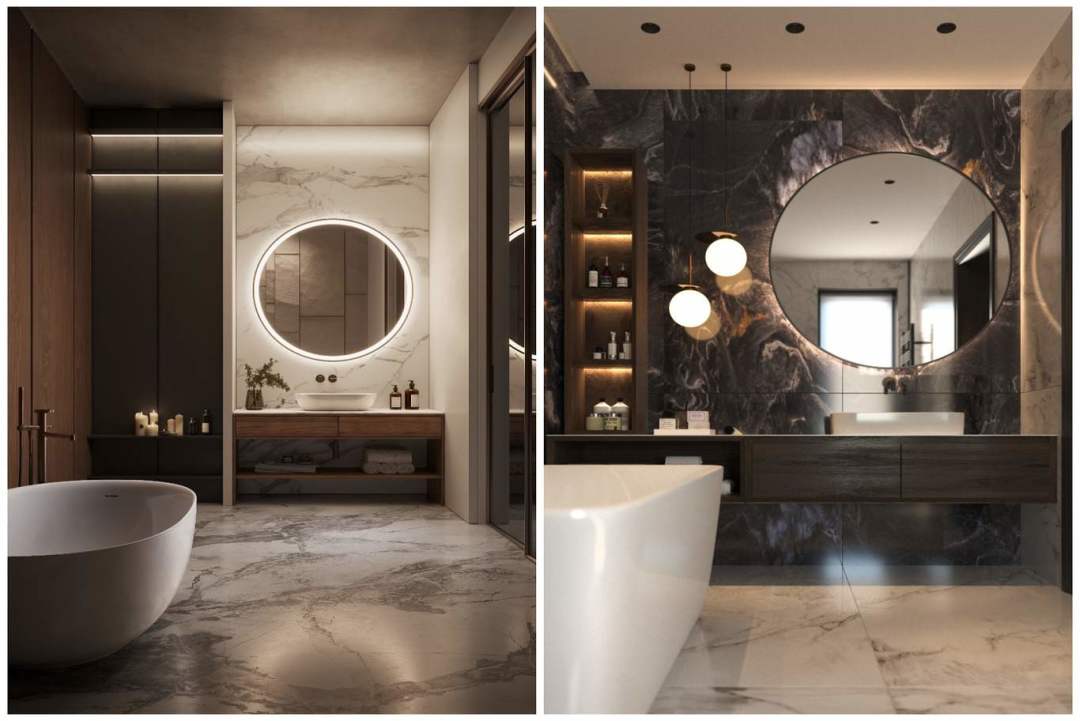
A small bathroom doesn't have to feel like a compromise. In fact, some of the most striking bathroom designs come from spaces where every square meter counts. Whether you're working with a tight apartment bathroom, a cozy guest powder room, or one of several en-suites in a larger villa, the challenge remains the same: how do you fit everything you need while keeping the space comfortable and attractive?
Throughout Dubai, Abu Dhabi, and the wider UAE, villas and palaces often include multiple bathrooms—and not all of them can be grand. Guest bathrooms, secondary en-suites, and powder rooms tend to be smaller than the master bath, yet homeowners expect the same level of style and quality. The good news? With smart planning and the right design choices, a compact bathroom can feel just as luxurious as a larger one.
This guide covers practical strategies, proven techniques, and clever ideas for designing small bathrooms that look and feel bigger than they actually are.
1- The Basics of Small Bathroom Design
Before picking out tiles or fixtures, take time to understand what makes a small bathroom work. The goal is twofold: make the space look larger than it is, and make sure every element earns its place. No room for wasted space here.
Good designers think carefully about proportion and scale in tight quarters. Every centimeter counts. Decisions about your bathroom vanity, toilet placement, shower configuration, and floor space all affect whether the room feels cramped or comfortable. The relationship between these elements—how they sit in relation to each other—determines the flow of the space.
When planning your luxury bathroom interior design, think about who will use the space and how. A guest powder room serves different needs than a family bathroom. Understanding these practical requirements helps guide your choices and ensures the finished space works well day to day.
2- Choosing the Right Wash Basin and Vanity
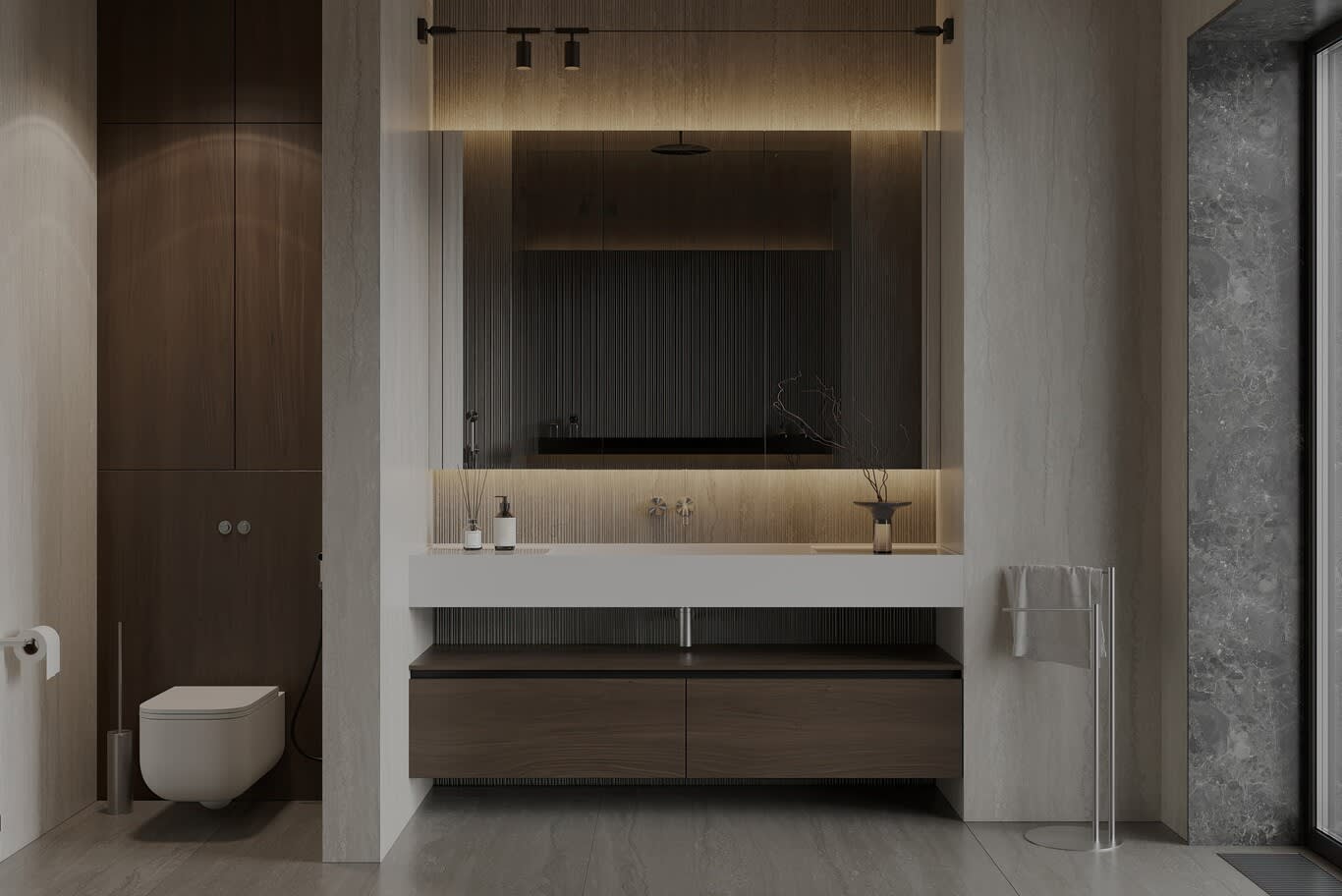
The wash basin anchors most bathrooms, drawing the eye and setting the visual tone for the room. In a small bathroom, your choice of sink style and how it's mounted can make a real difference to both function and the feeling of space.
Pedestal Wash Basins
The pedestal sink has stood the test of time for good reason. Positioned in a corner, it frees up floor space while creating a clean vertical line that makes ceilings look higher. This classic style suits powder rooms and guest bathrooms particularly well, especially when you don't need much storage.
Wall-Mounted Wash Basins
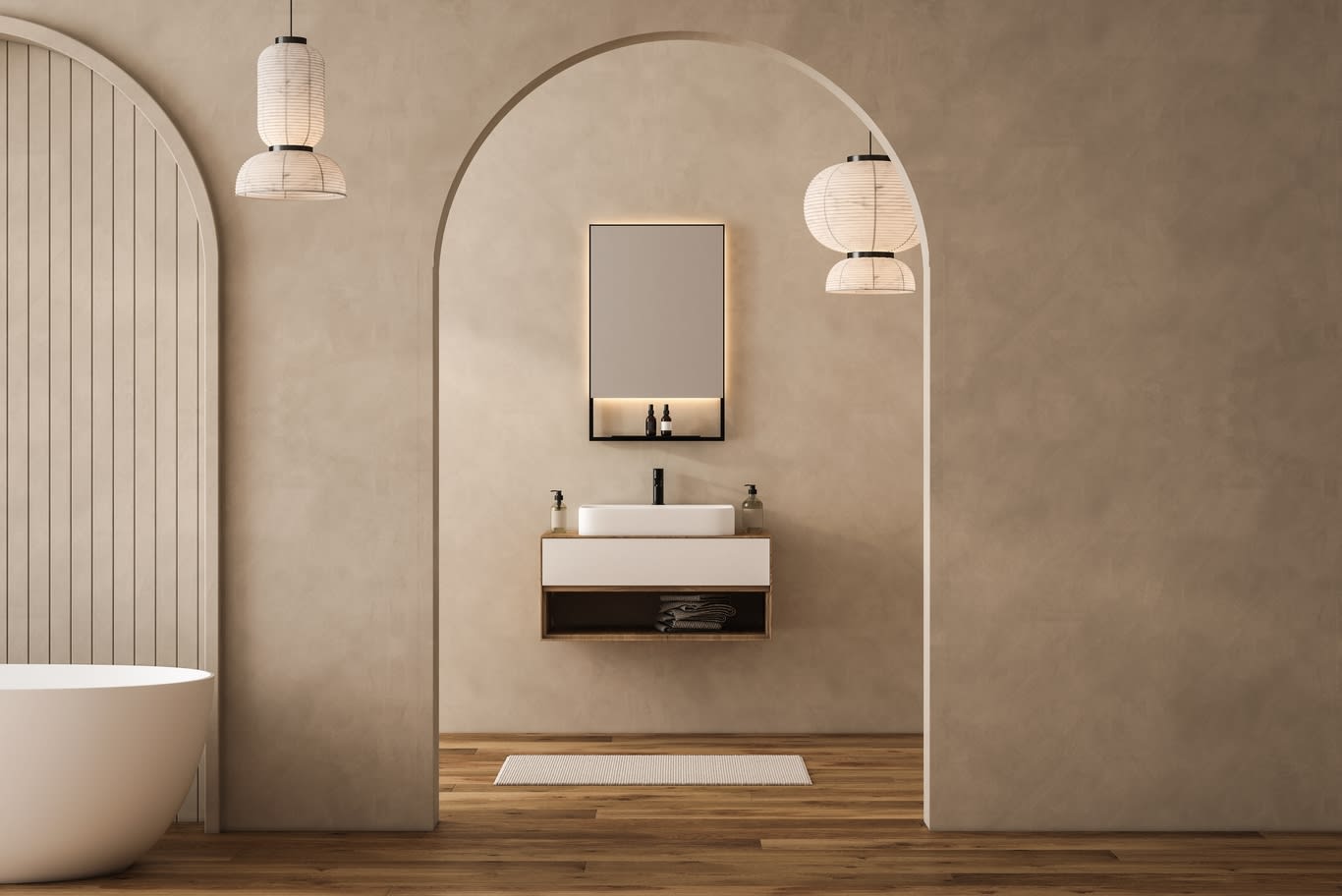
More and more contemporary bathrooms feature wall-hung sinks. By floating the basin off the floor, you eliminate visual bulk and create an open feeling underneath. The floor appears to extend further, making the whole room seem larger. This approach fits nicely with minimalist aesthetics where clean lines matter.
Vanity Units with Built-In Storage
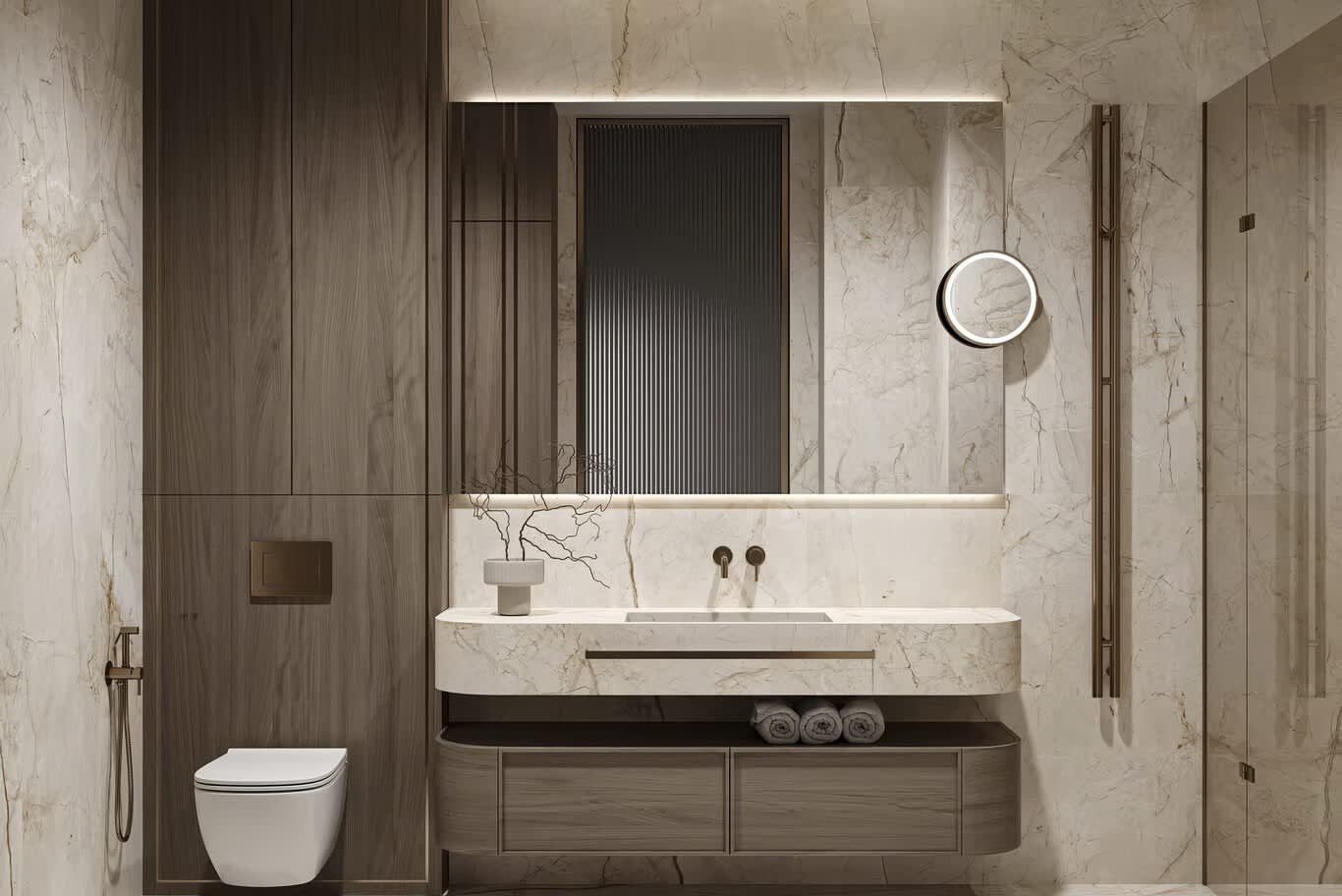
If you need somewhere to store toiletries and bathroom supplies, a vanity unit with an integrated basin gives you the best of both worlds. Wall-mounted vanity cabinets hide clutter while keeping a slim profile. For small bathrooms, look for units with shallow depths and smart internal organization—you want to maximize storage without eating up floor space.
Standard vanity depths run between 45 and 60 centimeters, but compact models measuring 30 to 40 centimeters can work just as well while leaving more room to move around. Pairing a shallower vanity with a vessel sink or semi-recessed basin often hits the sweet spot between storage and spatial efficiency.
3- Why Mirrors Matter So Much in Small Bathrooms
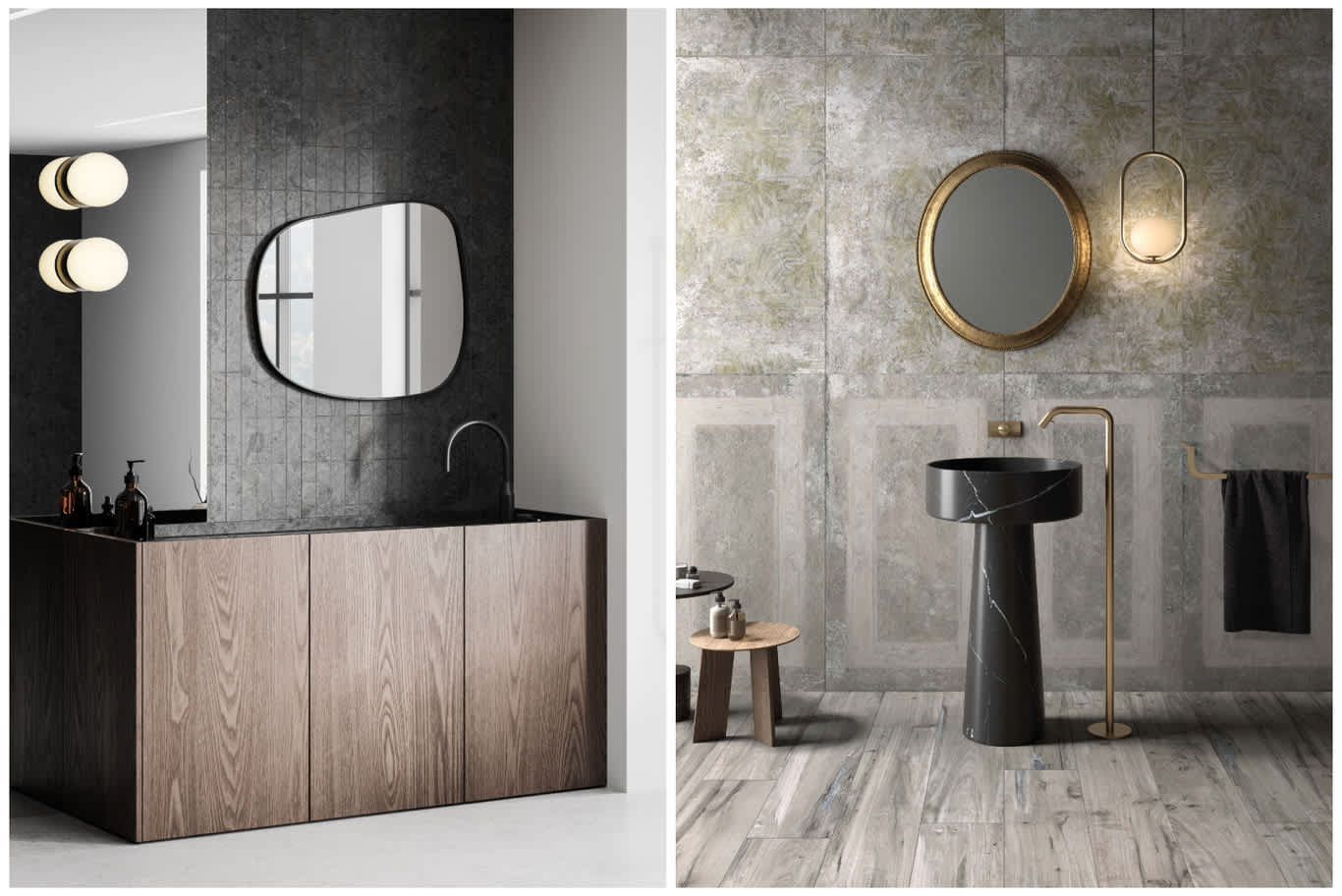
Nothing affects how big a bathroom feels quite like a mirror. Beyond its practical use for grooming, a well-placed mirror can double the apparent size of a small space by creating visual depth and bouncing light around the room.
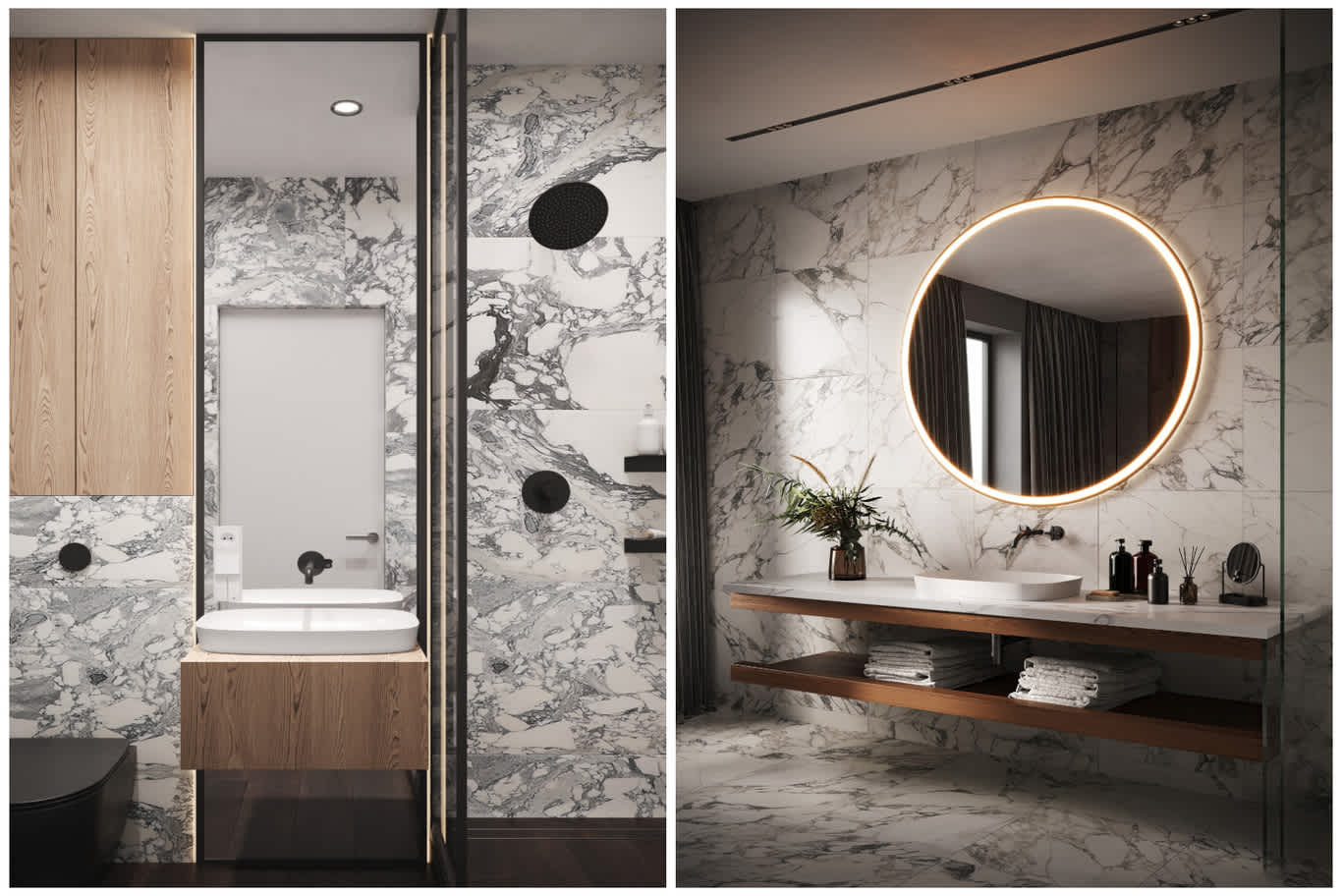
The most common approach—a large mirror above the wash basin—works beautifully. Extending the mirror to match or exceed the vanity width creates visual continuity and reflects light throughout the space. For real impact, consider a floor-to-ceiling mirror on one wall. A cramped bathroom suddenly becomes a surprisingly spacious retreat.
When exploring options for creating striking reflective surfaces in your bathroom, think about mirrors with built-in LED lighting. These modern fixtures eliminate the need for separate wall lights above the vanity, reducing clutter while providing even, flattering light for daily grooming. Backlit mirrors create a floating effect that adds depth and a contemporary edge.
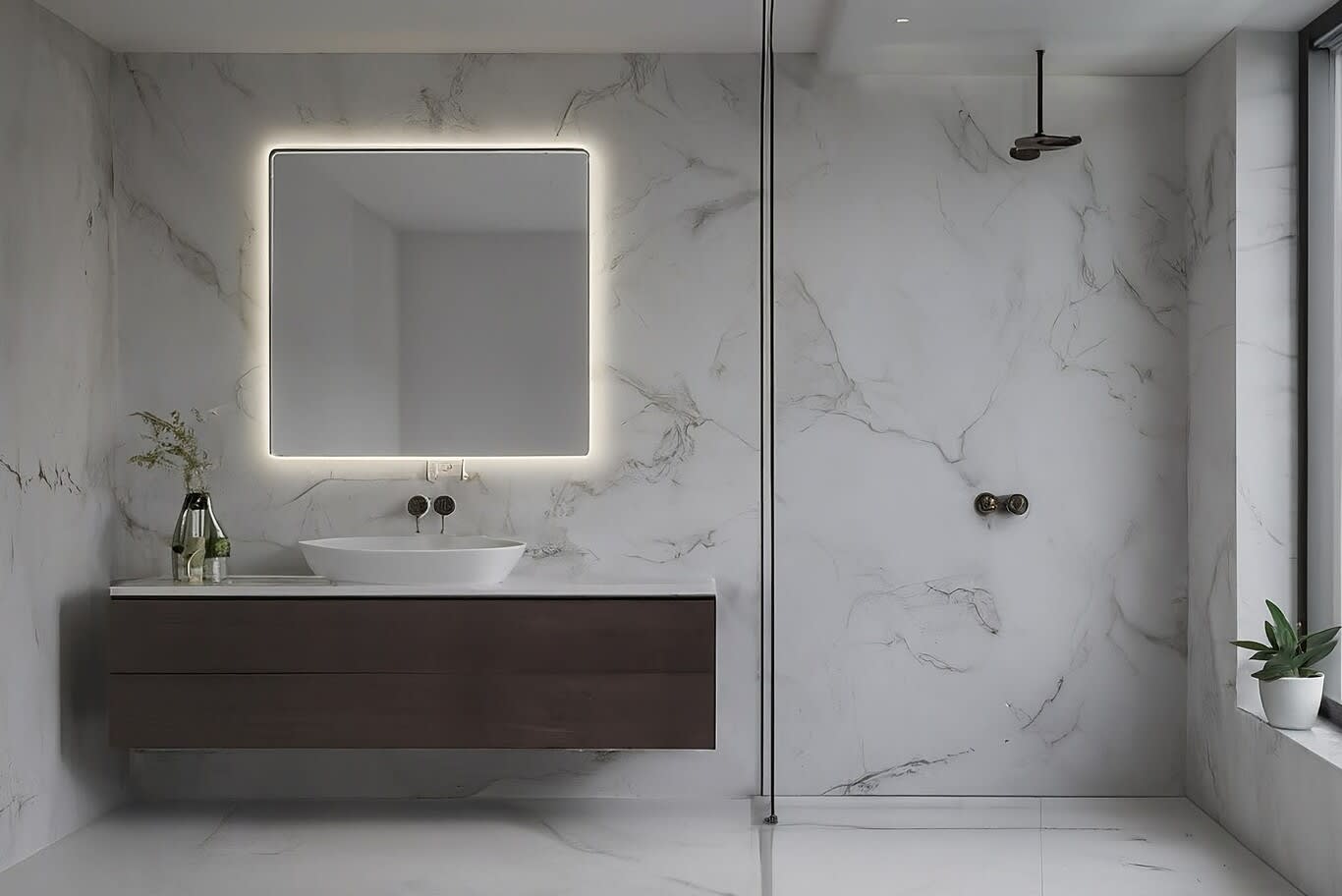
Mirror cabinets offer another smart solution, combining that reflective surface with hidden storage. These units typically have mirrored doors that open to reveal shelves for medications, cosmetics, and toiletries. Some include built-in outlets, defogging systems, and adjustable interior lighting.
Watch your mirror positioning. Avoid placing mirrors directly opposite the toilet—this creates awkward sightlines. Similarly, a mirror facing the bathroom door can feel intrusive and undermine the privacy a bathroom should provide.
4- Bathtubs, Showers, and Wet Areas
The bathing area takes up the most floor space in most bathrooms, making it a key focus when designing for smaller rooms. You'll need to decide between a standalone shower, a bathtub, or a combination unit that offers both in one footprint.
Shower Enclosures for Tight Spaces
A well-designed shower can feel spacious even in a small bathroom if you use the right techniques. Frameless glass shower doors or panels remove visual barriers, letting your eye travel across the entire room and creating an open, airy feel. Clear glass beats frosted or patterned options here—transparency is your friend.
Corner showers work especially well in compact spaces, making use of areas that might otherwise go to waste. Neo-angle enclosures tuck neatly into corners with angled doors that swing open without blocking nearby fixtures. Sliding doors are another solid choice when clearance is tight.
Wet room designs have grown popular in recent years. Instead of a separate shower enclosure, the entire bathroom floor gets waterproofed and sloped toward a linear drain. This creates a barrier-free transition between wet and dry zones—perfect for small bathrooms where removing obstacles matters.
Fitting a Bathtub in a Small Bathroom
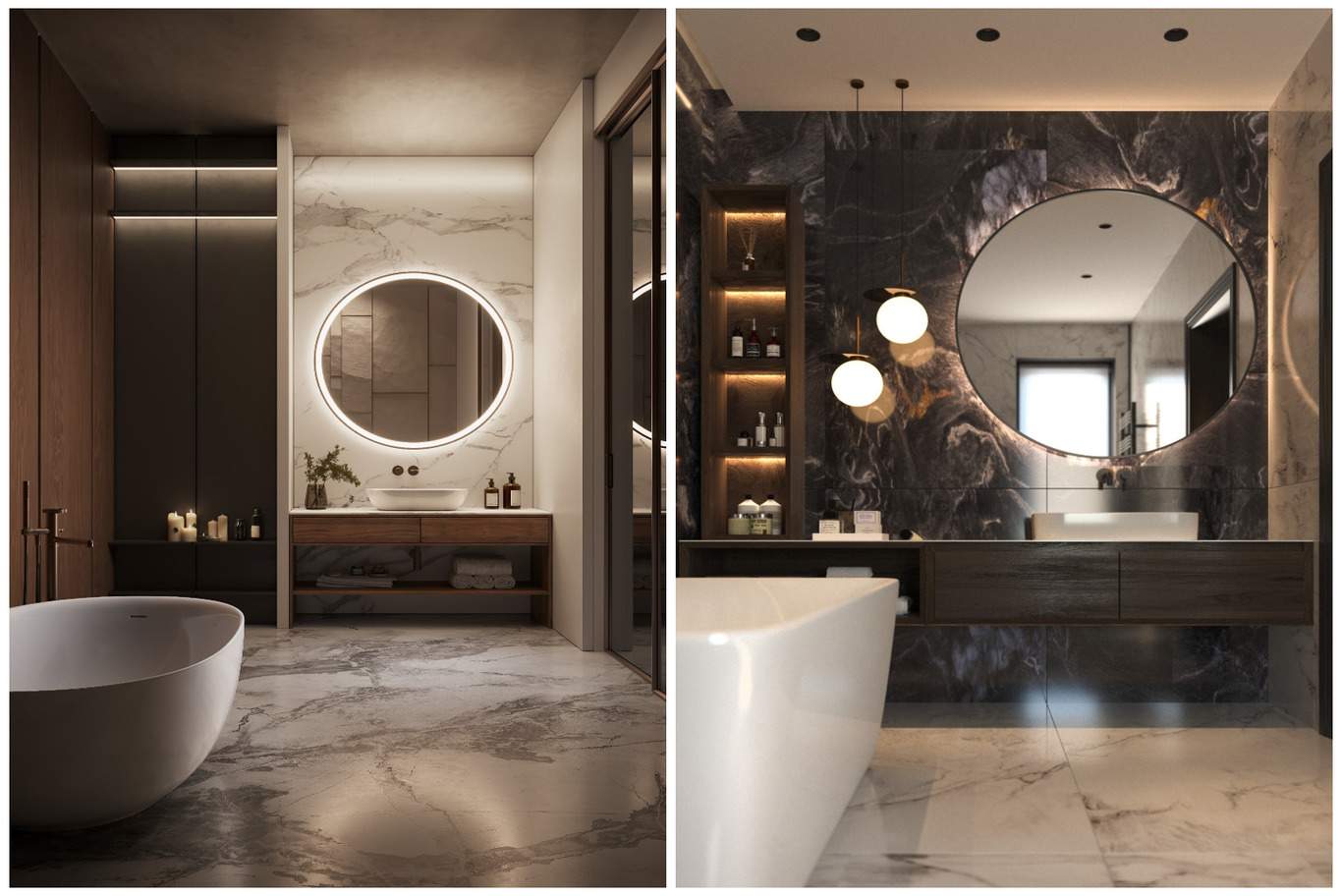
While many assume bathtubs belong only in bigger bathrooms, options exist for those who won't give up the pleasure of a good soak. Compact tubs measuring 1200 to 1500 millimeters can fit smaller spaces while still providing enough room to relax. Japanese-style soaking tubs offer deep immersion in a surprisingly small footprint.
For those who want both bathing and showering options, the shower-bath combination remains practical. Installing a shower head over a bathtub, protected by a glass screen, gives you versatility within a single fixture footprint. Make sure the glass enclosure extends far enough to keep water from splashing onto the bathroom floor.
The rise of spa-inspired wellness retreats has shaped bathroom design trends, with homeowners looking to add luxury and relaxation even to smaller spaces. Steam shower features, rainfall shower heads, and body jets can turn a modest shower enclosure into a rejuvenating escape.
5- How Color Affects the Feeling of Space
Color choice has a powerful effect on how we perceive room size. Understanding the psychological and optical effects of different colors helps you create bathrooms that feel larger, brighter, and more welcoming than their actual dimensions might suggest.
Light and Neutral Palettes
Light colors reflect more light than dark ones, creating brightness that visually expands space. White remains the go-to choice for small bathroom walls, ceilings, and fixtures. It provides a clean backdrop that maximizes reflectivity and creates an airy impression. That said, an all-white bathroom can feel cold without texture and thoughtful accessorizing.
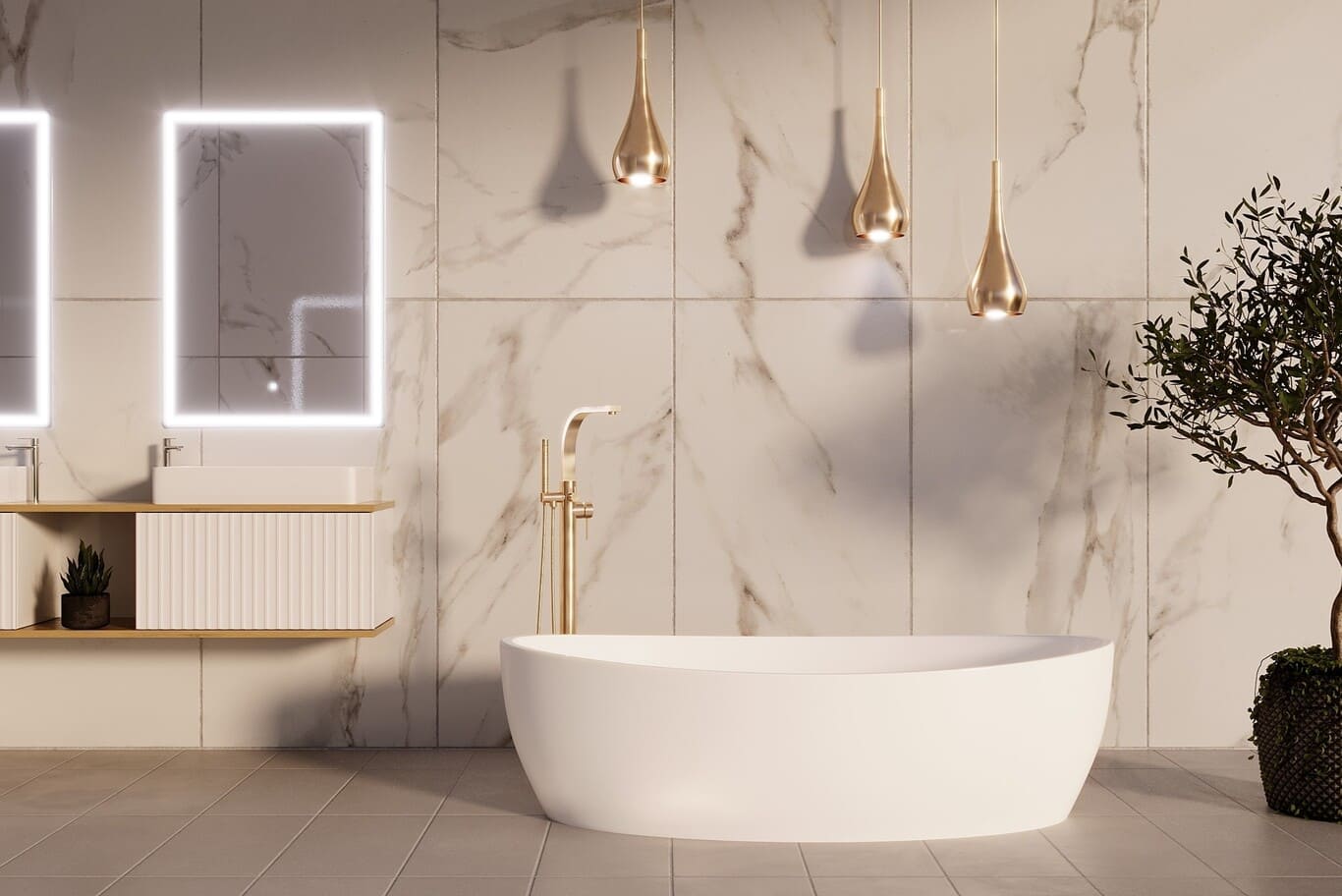
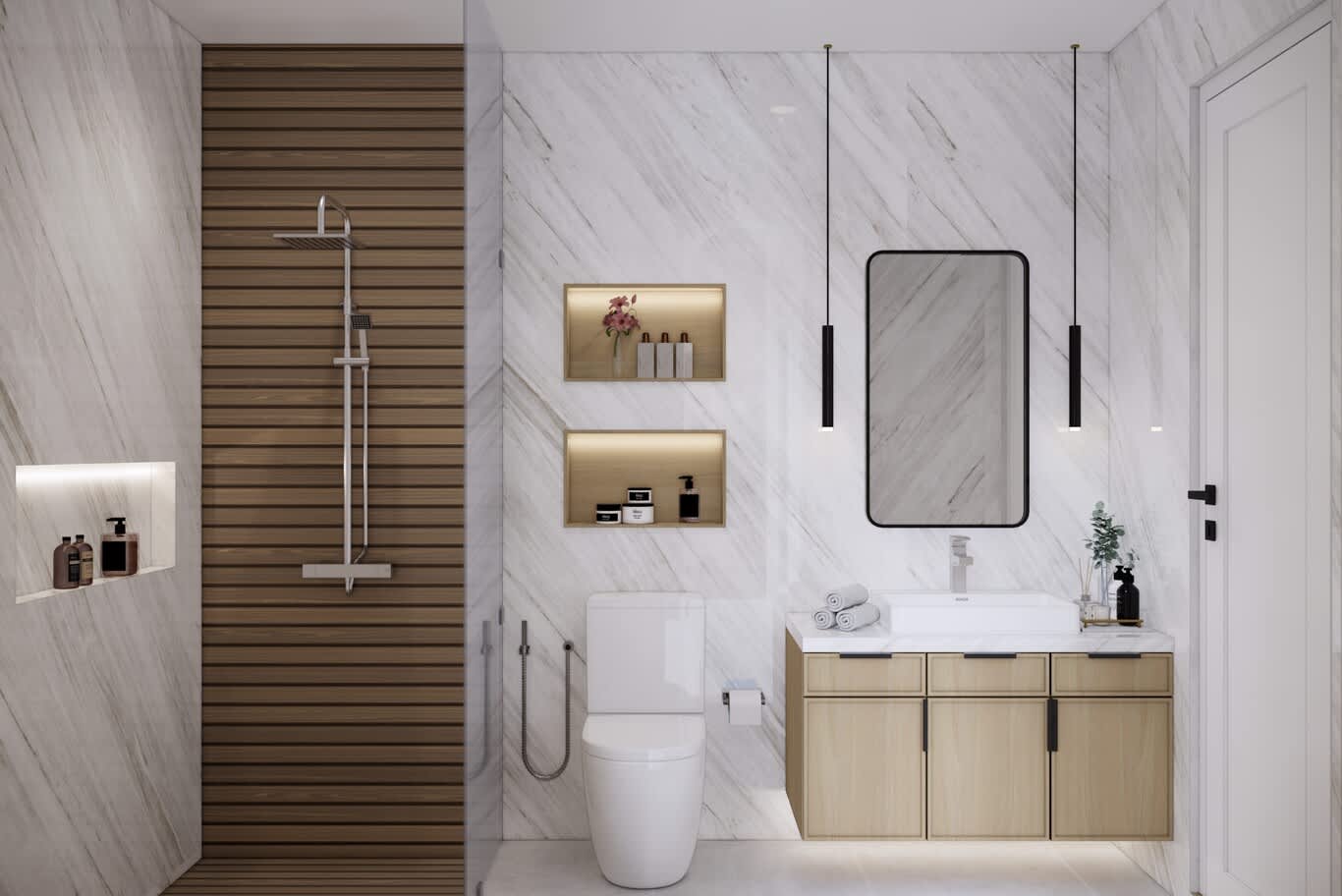
Soft neutrals like beige, cream, and light gray offer warmth while keeping the space-expanding benefits of lighter tones. A beige bathroom with natural wood accents feels welcoming and spa-like, while gray palettes bring contemporary sophistication.
Combining beige with brown wood tones produces bathrooms that feel both refined and grounded.
Adding Color Without Overwhelming
While light backgrounds establish spaciousness, color accents prevent boredom and add personality. Consider bringing in color through easily changed items like towels, bath mats, and accessories rather than permanent fixtures or tiles. This way, you can refresh your bathroom's look without major work.
Orange and red tones can energize a bathroom when used sparingly. A light orange wall paired with red cabinet fronts creates warmth and vitality—especially effective in north-facing bathrooms with limited natural light. White fixtures and lower wall sections balance these warm tones and keep the color from overwhelming a small space.
Blue paired with beige creates a calm, spa-like atmosphere well suited to bathrooms. This classic combination suggests water and sand, establishing a relaxed coastal feeling. Natural wood tones complement this palette nicely, adding organic texture without disrupting the calming effect.
6- Choosing Tiles and Ceramic Finishes
Bathroom tiles affect more than just appearance. Slip resistance, moisture handling, maintenance needs, and spatial perception all play into the decision. Since tiles cover large surface areas in most bathrooms, getting this choice right matters a lot.
Tile Size and Pattern
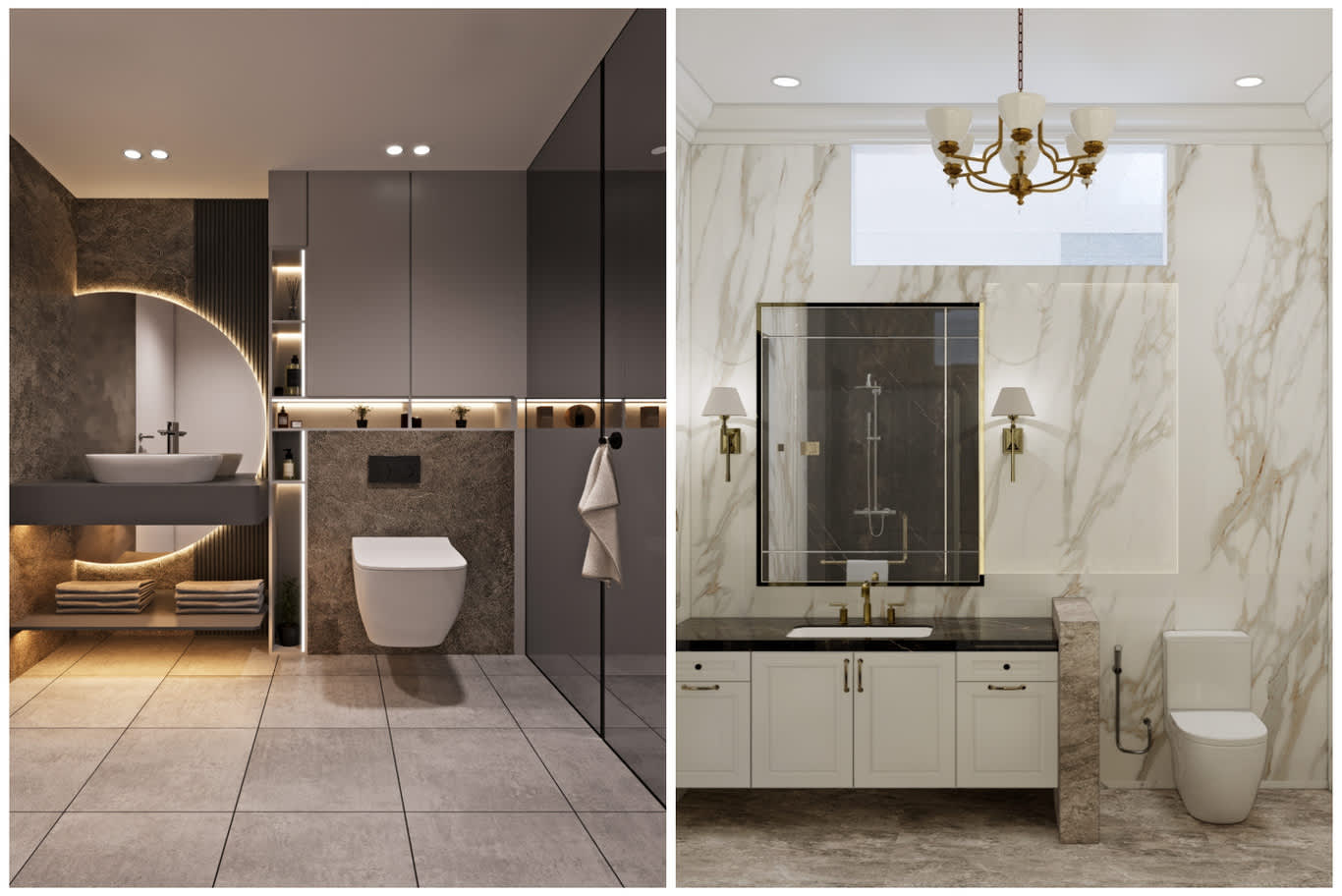
Old advice said small bathrooms need small tiles, but modern designers often disagree. Large-format tiles actually help compact spaces by reducing grout lines and creating visual continuity that makes floors and walls appear more expansive. Tiles measuring 600x600 millimeters or larger work well in small bathrooms, though installation requires extra precision.
How you lay the tiles also affects perception. Rectangular tiles installed horizontally emphasize width, while vertical orientation draws the eye up and makes ceilings seem higher. Diagonal patterns create movement that distracts from limited dimensions.
When thinking about smart tile choices and layout options, remember that using the same tile on floors and walls creates transitions that expand perceived space. Using matching tiles in different sizes—larger on floors, smaller on walls—maintains visual connection while adding subtle interest.
Popular Tile Options for Small Bathrooms
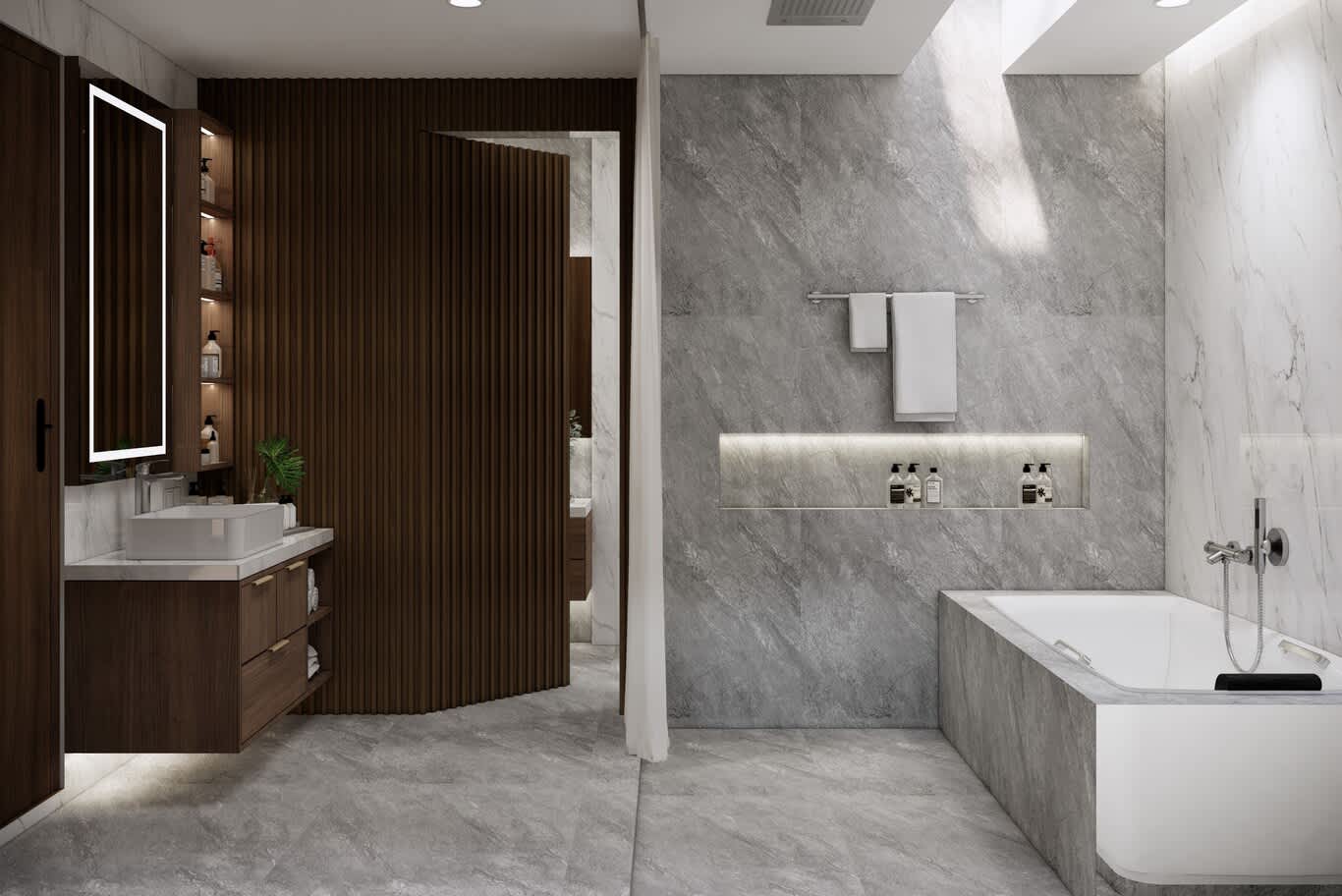
Light beige ceramic tiles without heavy patterns make an excellent base for small bathroom design. These plain, medium-sized tiles create a neutral backdrop that lets other design elements stand out. Pairing beige wall tiles with slightly darker brown floor tiles adds visual grounding while keeping overall brightness.
Rectangular ceramic tiles in white with subtle color accents—brown, black, or olive green—offer contemporary appeal. The elongated shape creates movement and direction, while the mostly white base maximizes light reflection. Light brown plain ceramic floor tiles complete the look with warmth and practicality.
Smaller format tiles, including mosaics and penny rounds, create visual interest through texture and pattern rather than bold color. When used consistently from floor to wall, these tiles produce a cocooning effect that feels luxurious rather than cramped. Honey-toned mosaics in matte finishes add warmth while keeping the space-expanding benefits of continuous material.
7- Design Tricks to Make Small Bathrooms Feel Bigger
Beyond fixture selection and color, several design techniques help small bathrooms punch above their weight. These strategies work with perception to create bathrooms that feel larger, better organized, and more luxurious than their actual size.
Mirror Strategies
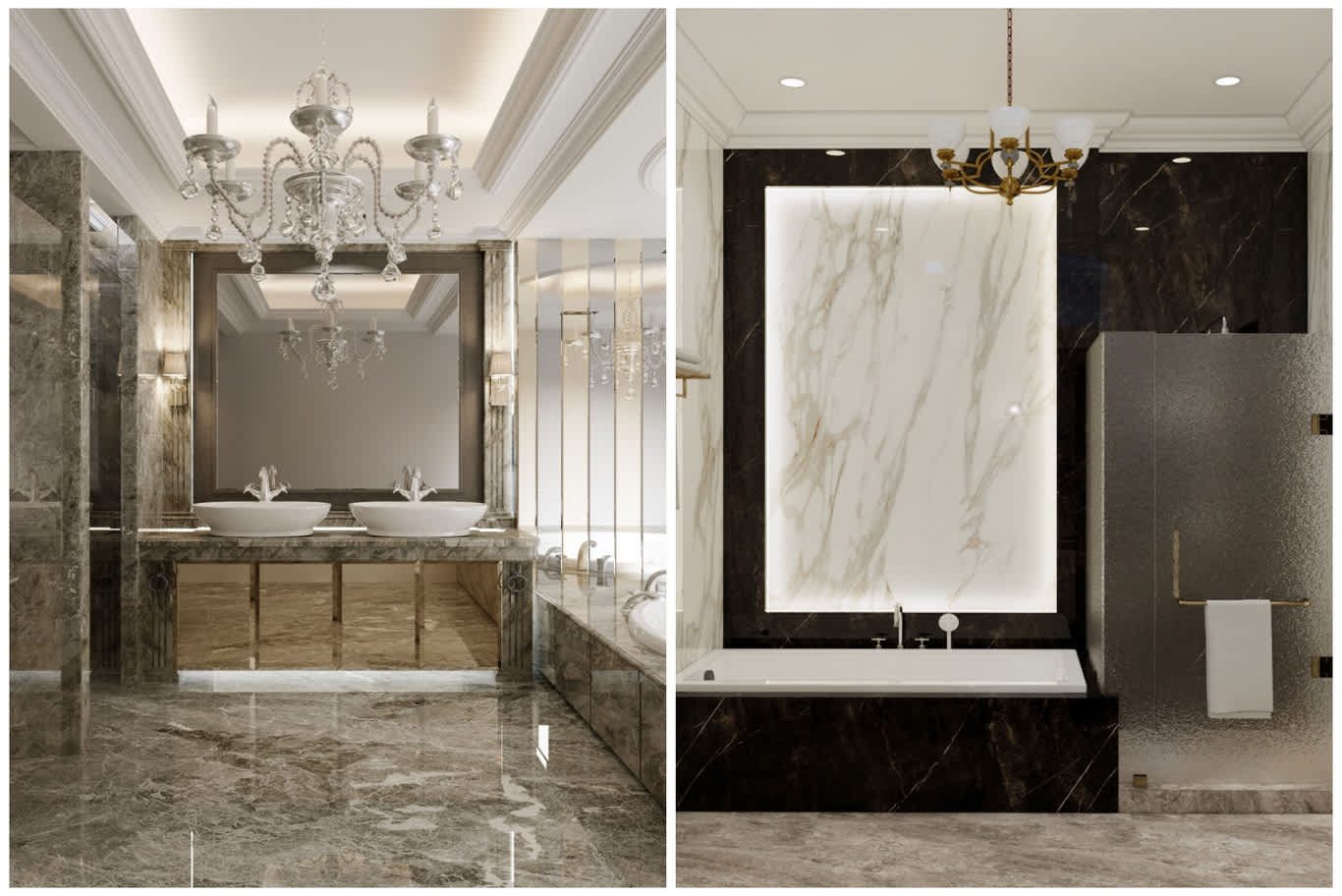
As covered earlier, mirrors rank as the most powerful space-expanding tool in bathroom design. A large mirror above the wash basin reflects light and creates depth. For maximum effect, consider extending mirrors to cover entire walls, particularly opposite windows where they reflect natural light throughout the room.
Pattern and Texture
Surprisingly, bathrooms with detailed patterns can seem larger than plain-surfaced ones. Patterned tiles, decorative curtains, and textured walls create visual complexity that distracts from spatial limitations. Balance matters, though—too much pattern creates clutter and makes spaces feel cramped.
Fixture Shapes
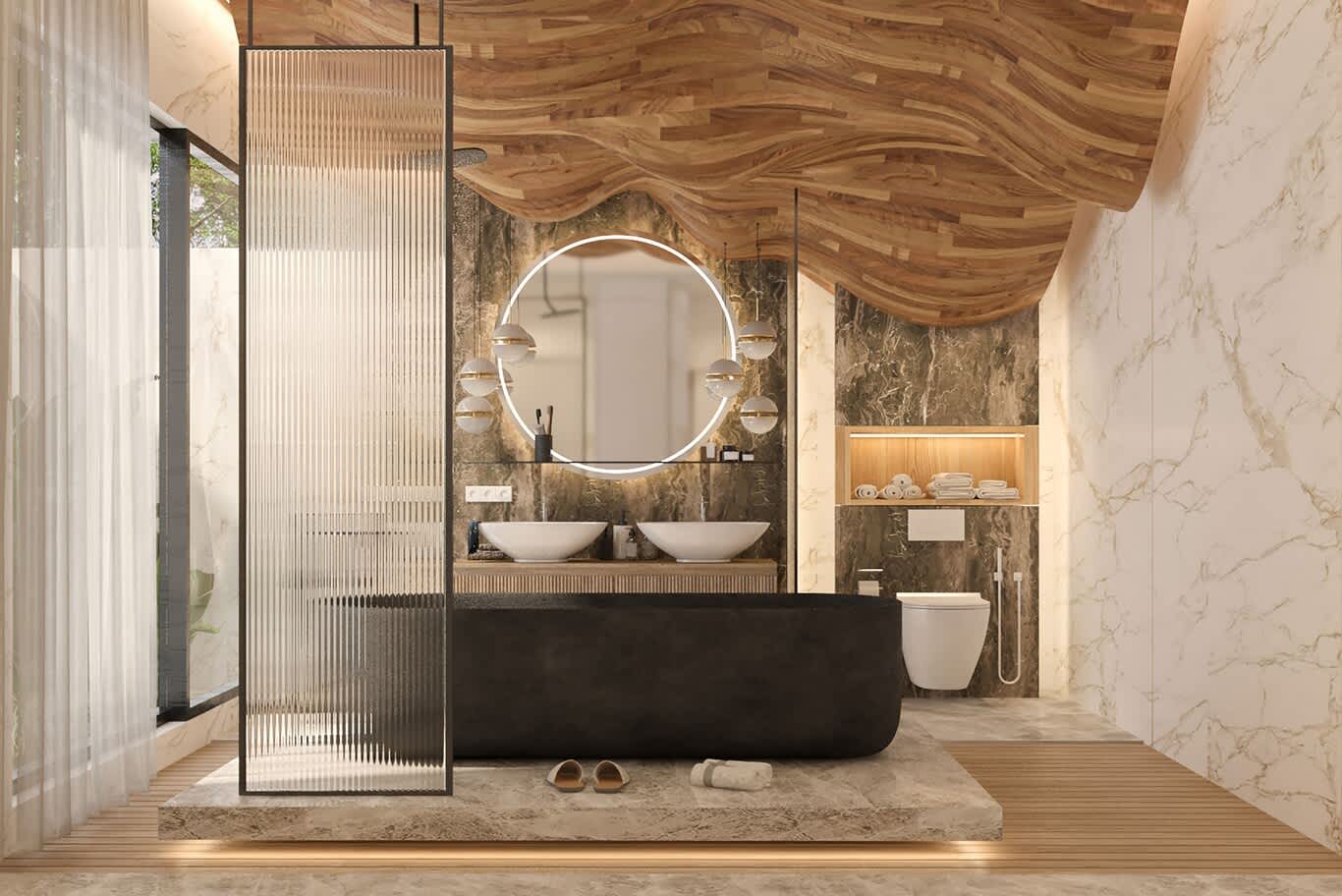
Rectangular or elongated fixtures tend to work better in small bathrooms than square or circular ones. A rectangular wash basin provides adequate function within a slimmer profile, leaving more floor space. Elongated toilets project less into the room than round-front models while maintaining comfort.
Vanity units with built-in storage serve double duty, providing organization while reducing the need for additional furniture or shelving. Choose vanities with shallow profiles and efficient internal layouts to maximize storage without compromising circulation.
Going Vertical with Storage
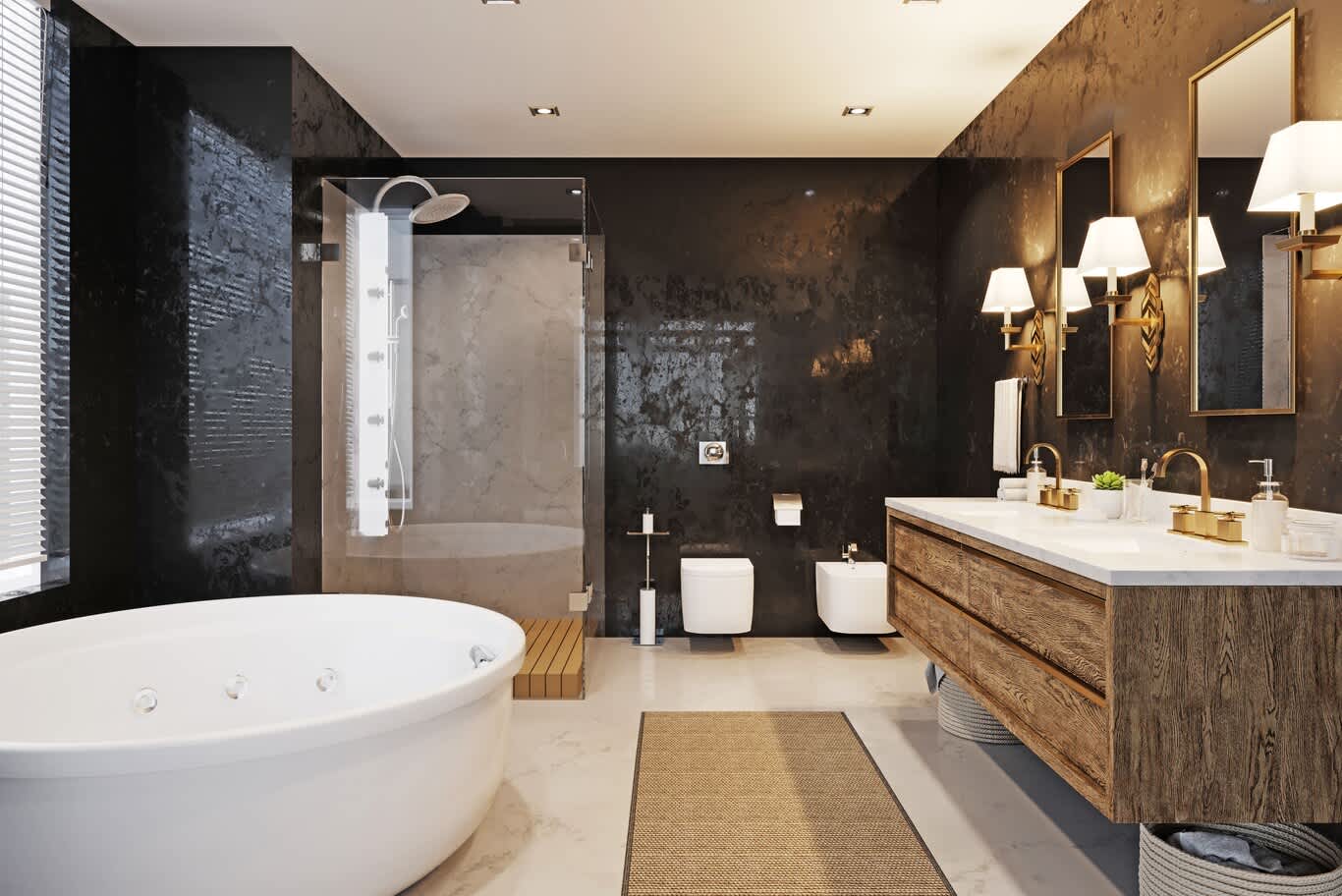
When floor space is limited, think vertically. Wall-mounted shelves above toilets or beside vanities hold towels, toiletries, and decorative items without using up precious floor area. Recessed shelving niches built into shower walls eliminate the need for freestanding caddies while maintaining clean lines.
Small shelving units installed on otherwise unused wall areas accommodate cotton balls, toilet paper, and bathroom accessories. These vertical solutions keep necessities within reach while maintaining the open floor space needed for comfortable movement.
8- Lighting Design for Small Bathrooms
Good lighting can take a small bathroom from merely functional to truly impressive, creating atmosphere while ensuring adequate illumination for grooming.
Natural light serves as the ideal foundation. Even small windows make a noticeable difference in how a bathroom feels, providing connection to the outdoors and contributing to psychological comfort. Where privacy is a concern, frosted glass, high windows, or skylights maintain natural light without compromising seclusion.
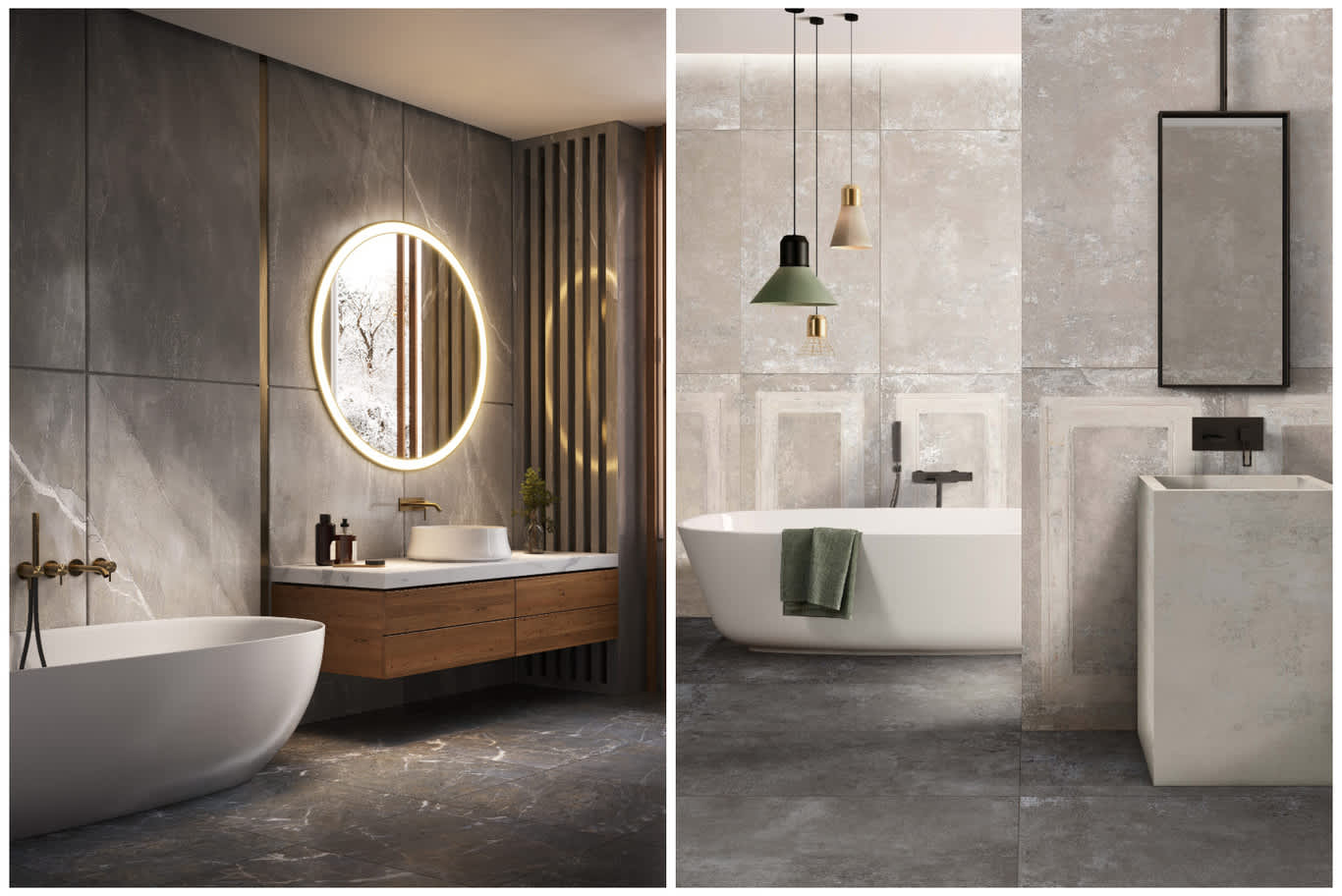
Artificial lighting should supplement natural sources. Overhead ambient lighting provides general illumination, while task lighting flanking the vanity mirror ensures even, shadow-free light for grooming. LED strips beneath floating vanities or along ceiling edges add modern sophistication while boosting overall brightness.
Learning how to refresh your bathroom through thoughtful updates means recognizing the impact of well-planned lighting. Dimmer switches let you adjust light levels for different activities and moods—bright for morning routines, softer for relaxing evening baths.
9- Current Trends in Small Bathroom Design
Bathroom design keeps moving forward, with new directions emerging that particularly suit compact spaces. Staying aware of current trends helps homeowners make choices that feel fresh while maintaining lasting appeal.
Floating Fixtures
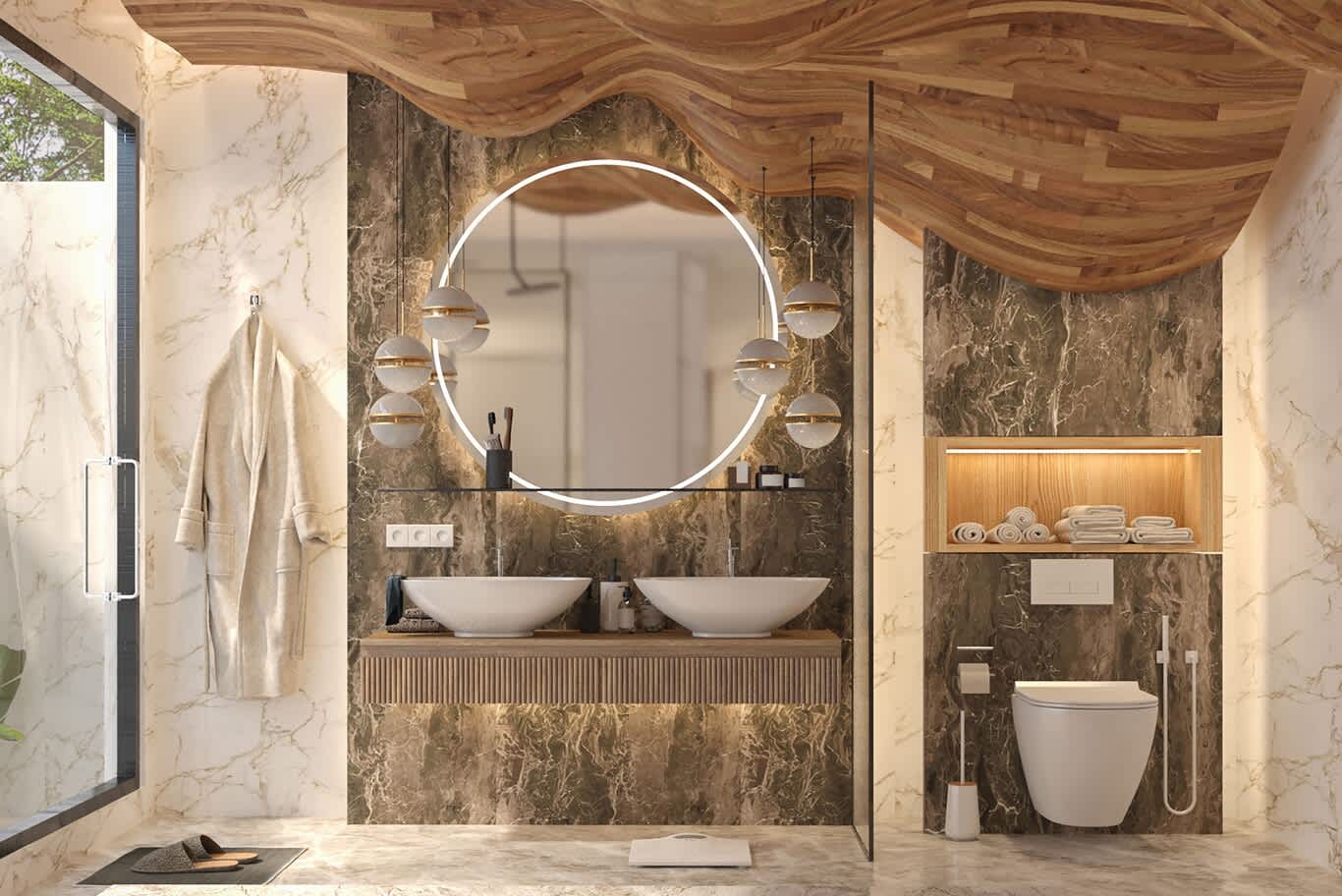
The move toward floating fixtures—wall-hung toilets, suspended vanities, elevated shelving—continues to grow. By lifting elements off the floor, designers create visual lightness and make spaces appear larger. This approach also makes floor cleaning easier and suits the minimalist look popular in contemporary design.
Smart Technology
New technology is changing how bathrooms function. Smart mirrors, touchless faucets, and built-in sound systems are becoming more common. These features improve daily experience while often reducing visual clutter through streamlined, multi-purpose designs.
Sustainable Materials
Environmental awareness influences material choices, with homeowners looking for options that reduce ecological impact. Recycled glass tiles, bamboo cabinetry, and water-saving fixtures align with sustainability goals while offering attractive design possibilities.
Wellness Features
The bathroom as a wellness space continues to gain ground, with features borrowed from spa environments appearing in homes. Aromatherapy diffusers, chromotherapy lighting, and heated surfaces turn daily routines into opportunities for self-care.
10- Bringing It All Together
Designing a small bathroom that meets both practical needs and aesthetic goals takes careful planning, creative thinking, and attention to detail. The strategies in this guide provide a foundation for approaching these projects with confidence, whether you're renovating an existing space or building new.
Successful small bathroom design comes from how well different elements work together rather than any single decision. Fixtures, finishes, colors, lighting, and accessories must combine to create a unified result that serves daily needs while providing comfort and visual appeal.
For homeowners wanting expert guidance, professional interior designers bring specialized knowledge and experience to the complexities of small bathroom design. Their expertise often leads to optimized layouts, better material choices, and design solutions you might not discover on your own.
When exploring options for your complete bathroom design project, consider working with experienced professionals who understand residential bathroom requirements. The investment in expert help often pays off through smarter layouts, appropriate materials, and unexpected solutions.
Whether your project involves a compact powder room, a family bathroom, or a secondary en-suite within a larger home, the principles of small bathroom design stay consistent. By focusing on spatial efficiency, visual expansion techniques, and careful attention to every detail, even the smallest bathroom can become a space of beauty, function, and daily enjoyment.
Limited square footage isn't a barrier—it's a chance to get creative. With thoughtful planning and smart execution, your small bathroom can become one of the most satisfying spaces in your home.
Ready to Design Your Perfect Small Bathroom?
At Algedra, we specialize in creating stunning bathroom designs for homes across Dubai, Abu Dhabi, and the wider UAE region. Our team of experienced interior designers understands the unique challenges of small bathroom design and brings years of expertise to every project.
Whether you're renovating a compact powder room, updating a guest bathroom, or designing multiple en-suites for a new villa, we're here to help bring your vision to life. We handle everything from initial concept development through to final fit-out, ensuring a smooth process and results that go beyond what you imagined.
Get in touch with our design team!
Let's discuss your project and explore how we can turn your small bathroom into something special.
Frequently Asked Questions About Small Bathroom Design
1. What is the minimum size for a functional bathroom?
A functional bathroom needs at least 1.5 to 2.5 square meters for a basic powder room with just a toilet and wash basin. For a full bathroom with a shower, you'll want at least 3 to 4 square meters. That said, skilled designers can make even tighter spaces work through careful fixture selection and smart layout planning. Wall-hung toilets, corner sinks, and compact shower enclosures help maximize every centimeter.
2. Should I use large or small tiles in a small bathroom?
Large-format tiles often work better in small bathrooms than you might expect. Bigger tiles mean fewer grout lines, which creates visual continuity and makes floors and walls appear more expansive. Tiles measuring 600x600mm or larger can work beautifully in compact spaces. However, smaller mosaic tiles can also be effective when used consistently across surfaces, creating a cocooning effect. The key is maintaining visual flow rather than breaking up surfaces with contrasting materials.
3. How can I add storage to a small bathroom without making it feel cramped?
Think vertical. Wall-mounted shelves, recessed niches in shower walls, and mirror cabinets all provide storage without taking up floor space. Floating vanities with built-in drawers offer hidden storage while keeping the floor visible beneath them—this visual trick makes the room feel larger. Avoid bulky freestanding furniture and instead look for slim-profile solutions that hug the walls.
4. Is it worth installing a bathtub in a small bathroom?
It depends on your priorities and how you use the space. Compact bathtubs measuring 1200 to 1500mm can fit in smaller bathrooms while still providing a decent soaking experience. Japanese-style deep soaking tubs offer another option with a smaller footprint. If you rarely take baths, a well-designed walk-in shower might serve you better and free up valuable floor space. For family bathrooms where children need bathing, a shower-over-bath combination gives you both options in one footprint.
5. What colors make a small bathroom look bigger?
Light colors reflect more light and create an impression of openness. White remains the most popular choice for small bathrooms, though soft neutrals like cream, light gray, and pale beige work equally well while adding warmth. The ceiling should always be the lightest surface in the room. You can still add personality through colorful towels, accessories, and accent pieces—these are easy to change later if you want a fresh look without repainting or retiling.
FREE CONSULTATION
TELL US ABOUT YOUR PROJECT
WE WOULD LOVE TO HEAR FROM YOU
Feel free to reach us via this contact form and one of our Design Consultants will get back to you at earliest.
OUR BRANCHES
UAE - DUBAI
+971 52 8111106 | hello@algedra.ae
TURKEY - ISTANBUL
+90 533 701 89 71 | info@algedra.com.tr
Leading Interior Design and Decor Company in Dubai and Abu Dhabi.
Algedra is a reputable, internationally recognized, and one of the most successful interior design companies in Dubai, and Abu Dhabi, which specializes in delivering interior design, architectural, and creative space planning projects throughout GCC, MENA, North Africa, Turkey and Russia.
Algedra is a one-stop solution for all your residential interior design and fit-out needs. We have successfully completed numerous villa interior and exterior design projects, where we integrated quality and originality to deliver interior masterpieces.
ALGEDRA, Interior Design Company in Dubai, is specialized in providing elegant and stunning interior design services for both residential and commercial projects. We turn our clients' dreams into reality, trans- lating their tastes and needs into beautiful and functional spaces.
Since the day we were founded, we have designed and built many branded residences, resorts, hotels, multi-purpose social spaces, and palace designs with different functions and concepts by following the ever-changing design trends over the world.
A key element of our work is a fusion of different cultures and designs, combining Greek, Italian, Eastern and Western influences with British innovation.
As a team of highly qualified interior designers and engineers, Algedra offers complete architectural services from mall design to corporate office design as well as the exterior design of any project based on customers' needs.
Our customers include leading names, we have completed diverse projects in hospitality, landscape, commercial, and residential designs. These projects contain cafes, restaurants, gym, villas, family sitting rooms, bedrooms, kitchens; all showcasing our company's exquisite details and high-end designs.
Residential Interior Design in Dubai
Algedra's interior designers and architects have an important mission: building villas, houses, apartments, condos, and anywhere else where you reside that will fulfill your needs while being structurally safe and sound.
Architectural Designs
There are so many details that go into designing an architectural design project. Every step of the project has been carefully considered for safety and daily comfort by Algedra's experts.
Commercial Design
Conceptualizing spaces for business, to elevate style, and to increase functionality to help enhance the bottom line of a company is vital, as well as employee comfort and interior design too. Our commercial interior designers translate client's concept in ways that are efficient, attractive and provide professional workspaces.
Fit-out Projects
Algedra Interiors delivering high-quality tailored fit-out projects that transform your villas, palaces and commercial spaces.
We're a passionate team of interior designers, architects and engineers. Every day we help clients to solve interior design problems and create engaging spaces!
Wherever you are in Kuwait, Saudi Arabia, Azerbaijan, Qatar, Morocco, Algeria, Tunisia, Libya, Egypt; don't hesitate, contact us to find out more about why we are one of the best interior design companies in Dubai and Abu Dhabi!