Home Page | Blog | Office Interior Design
Office Interior Design
1/9/2026
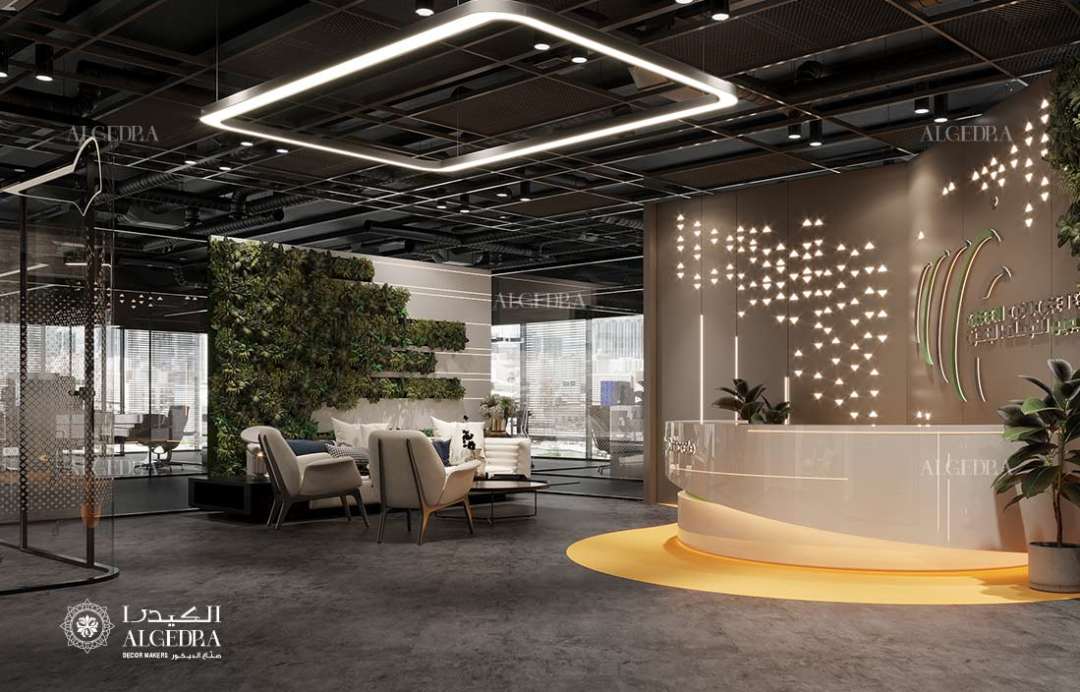
The modern workplace is a dynamic environment where creativity, productivity, and brand identity converge. As businesses evolve, the physical spaces that house them must also adapt to meet new demands. A well-designed office does much to support employee well-being, impress clients, and streamline daily operations.
At Algedra, we understand that interior design is about creating an atmosphere that aligns with your goals. From selecting the right color palette to integrating the latest technology, every detail matters. This comprehensive guide explores the essential styles, emerging trends, best practices and the best office interior design ideas that define successful office interiors today.
1- The Foundation of Office Style
Choosing a design direction can feel like a puzzle given the vast array of options available. However, most successful designs act as an extension of the company's core values. We begin by revisiting three fundamental styles that continue to shape the industry, expanding on how they apply to the modern professional landscape.
Contemporary Style
The contemporary style captures the pulse of the present moment. It embraces openness, creativity, and a fusion of global influences. This approach often features rich details that harmonize to represent a unique character and taste. It allows for the display of cultural artifacts, mementos, or bold art pieces that spark conversation.
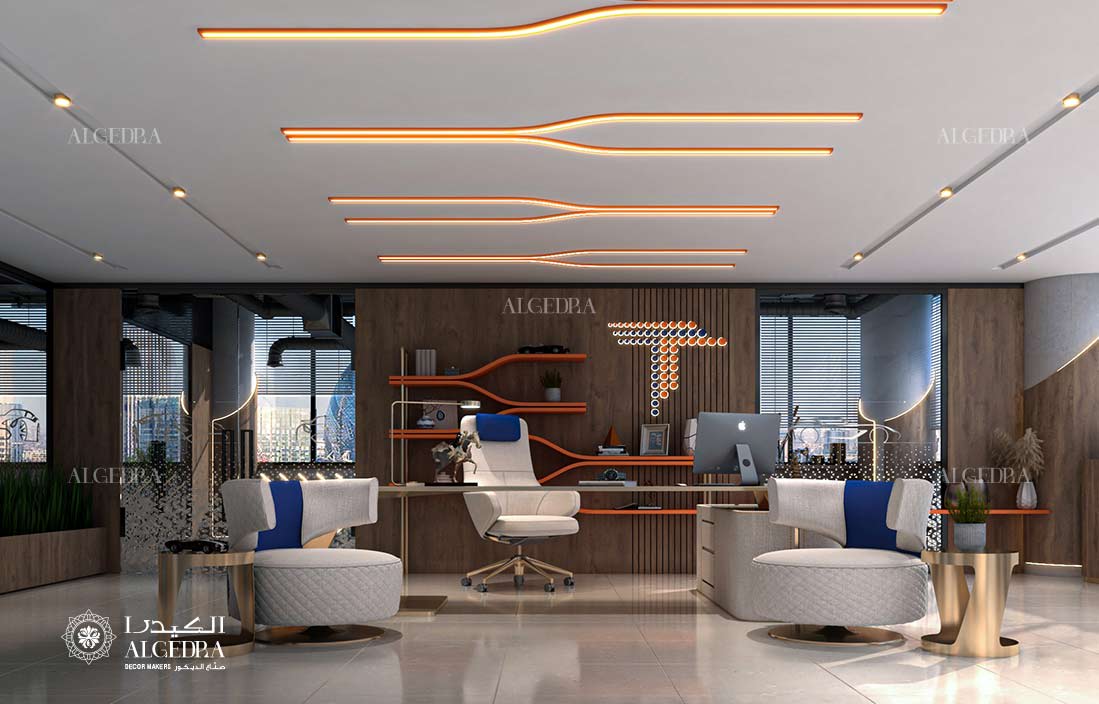
For creative agencies, tech startups, and forward-thinking firms, the contemporary style offers a canvas for expression. It creates an environment that feels alive and constantly evolving. By incorporating elements from various cultures or artistic movements, you create a space that welcomes visitors into your world. We recommend this style for professionals in arts, science, and media who wish to express a mindset of innovation and curiosity.
Modern Style
Modern design champions simplicity and clarity. It directs focus toward the essentials, eliminating clutter that might distract from the task at hand. In a modern office, clean lines and open spaces dominate. The goal is to provide a calm backdrop that aids concentration.
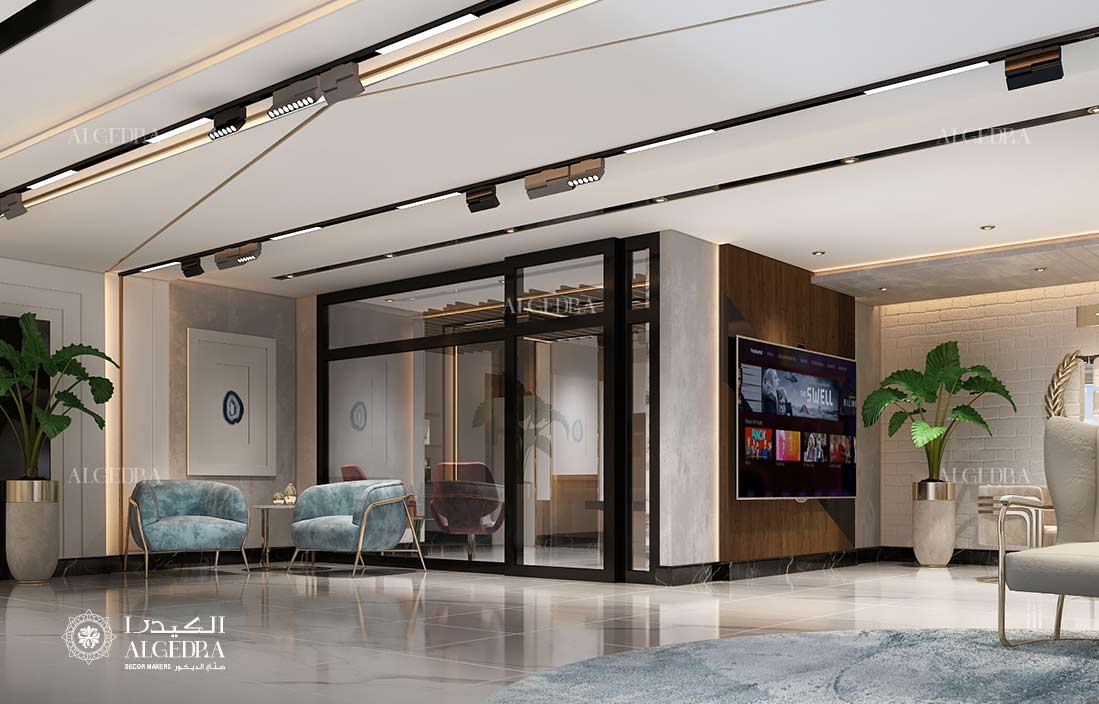
This style emphasizes the effective use of space. Furniture is sleek and often modular, allowing for easy reconfiguration. Walls are kept clean or adorned with minimal, abstract art to maintain a sense of order. The modern style signals seriousness, efficiency, and a focus on targeted goals. It is an ideal choice for corporate headquarters, financial firms, and executive suites where clarity of thought is paramount.
Classic Style
The classic style stands as a testament to tradition, history, and prestige. It often incorporates rich wood finishes, intricate moldings, and substantial furniture that commands respect. This aesthetic works exceptionally well for law firms, government offices, and luxury consultancies where heritage and authority are key assets.
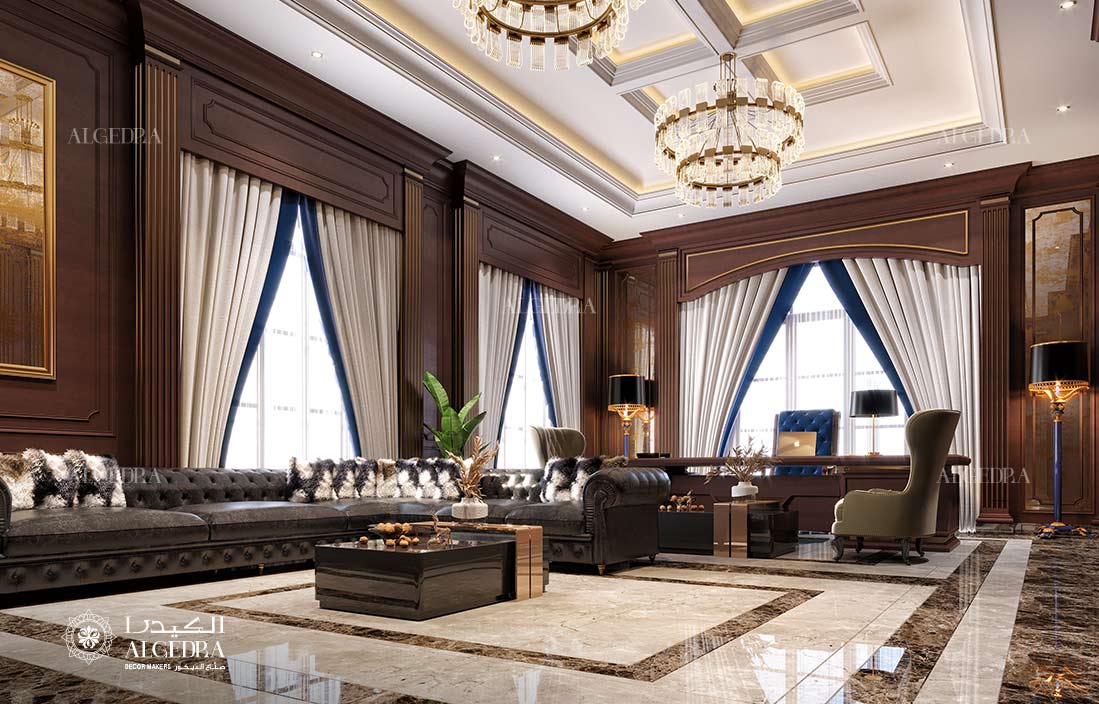
A classic office might feature a large library wall filled with books on law, history, or politics, centering the room and creating an aura of wisdom. The desk is typically a majestic piece, serving as the focal point of the room. This style communicates leadership and stability, making visitors feel they are in the presence of established expertise and this approach is particularly effective for commercial interiors in Dubai's traditional business districts, where established firms often seek to communicate stability and long-standing success.
2- The Human Element: Ergonomics and Well-being
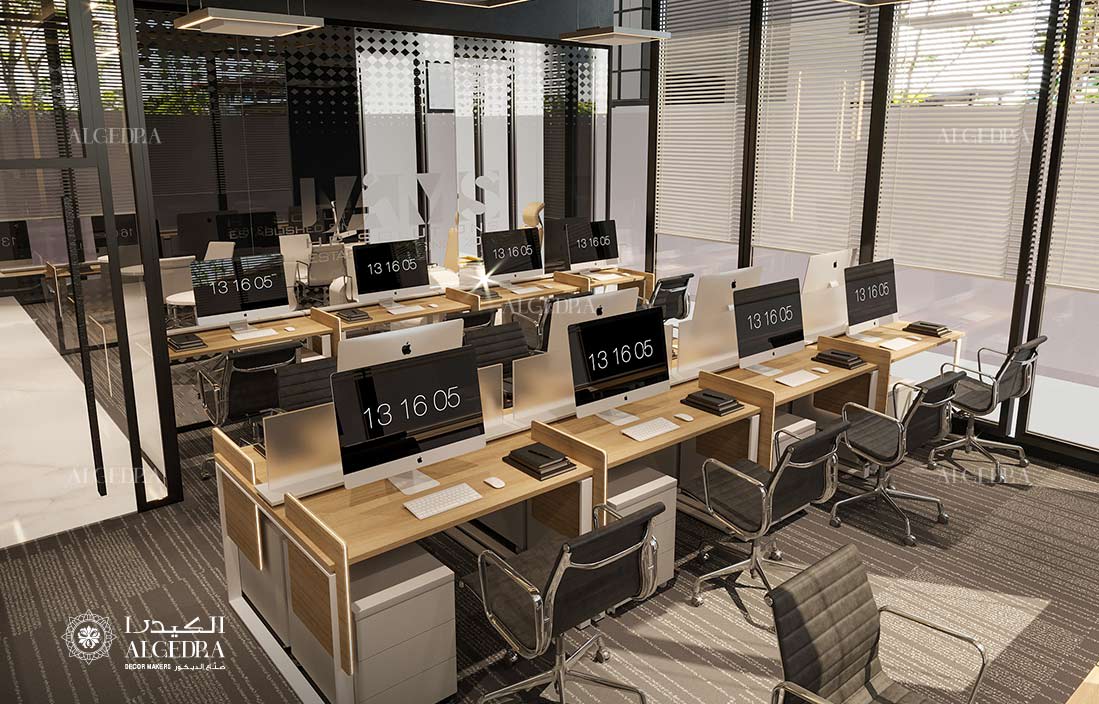
A beautiful office must also support the people who use it. Ergonomics has moved to the forefront of design conversations. Employees spend a significant portion of their lives at work, and their physical comfort directly impacts their output.
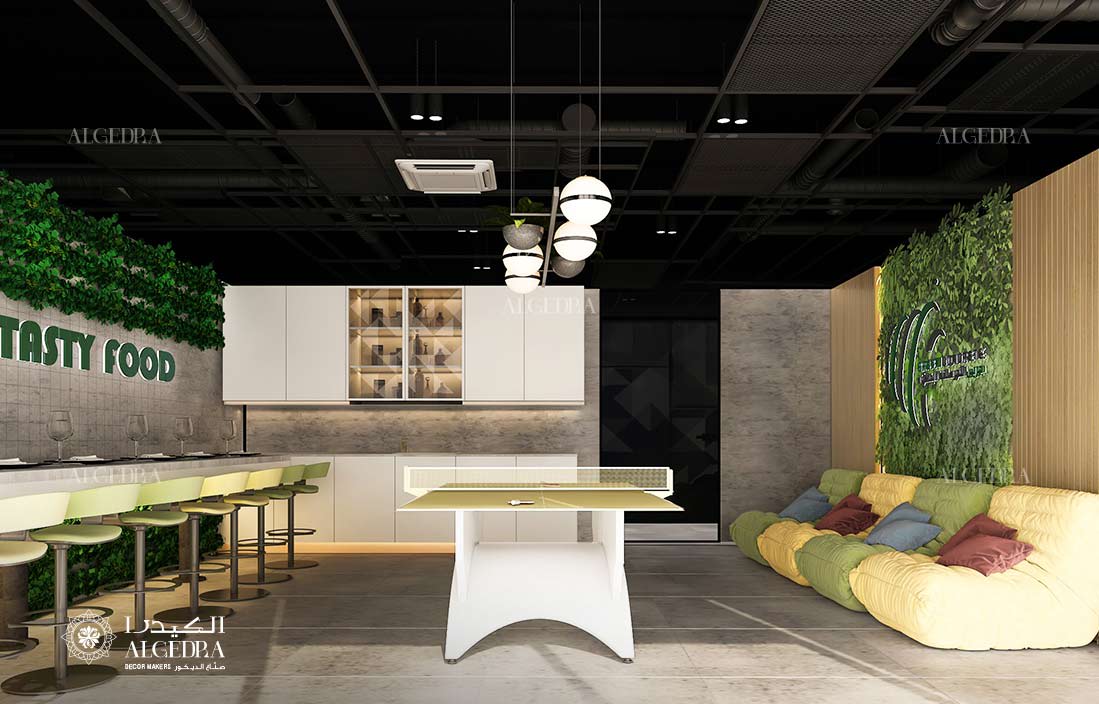
Invest in high-quality, adjustable chairs that support the spine. Sit-stand desks are excellent for encouraging movement throughout the day, reducing the risks associated with prolonged sitting. Monitor arms and keyboard trays help maintain neutral body postures, preventing strain.
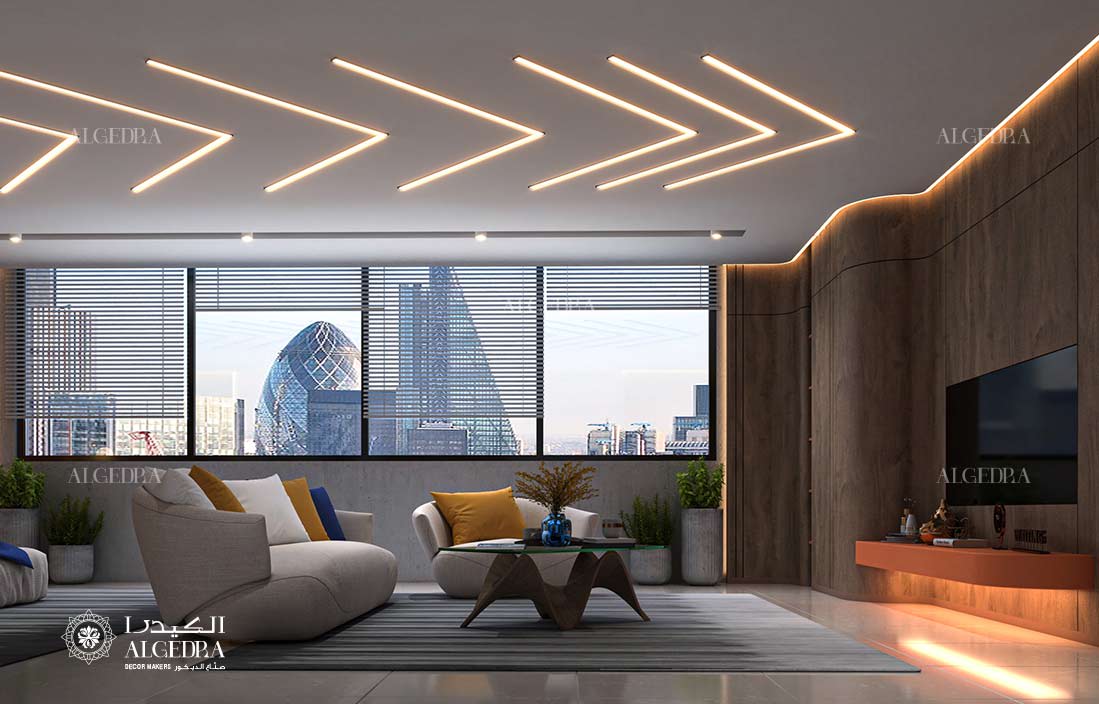
Beyond furniture, consider the flow of movement within the office. Wide corridors and clear pathways prevent congestion and allow for easy navigation. Designated breakout areas give staff a place to stretch and recharge, which helps maintain high energy levels during long projects.
3- Biophilic Design: Bringing the Outdoors In
Connecting with nature is a powerful way to boost mood and creativity. Why use biophilic design? Biophilic design integrates natural elements into the built environment. This approach goes beyond simply placing a potted plant in the corner. It involves a holistic strategy to incorporate organic materials, natural light, and vegetation.
Living walls or vertical gardens make a striking visual statement while improving indoor air quality. Use materials like wood, stone, and bamboo to add warmth and texture to the space. Water features, such as small fountains or aquariums, can introduce a soothing auditory element that masks distracting noises.
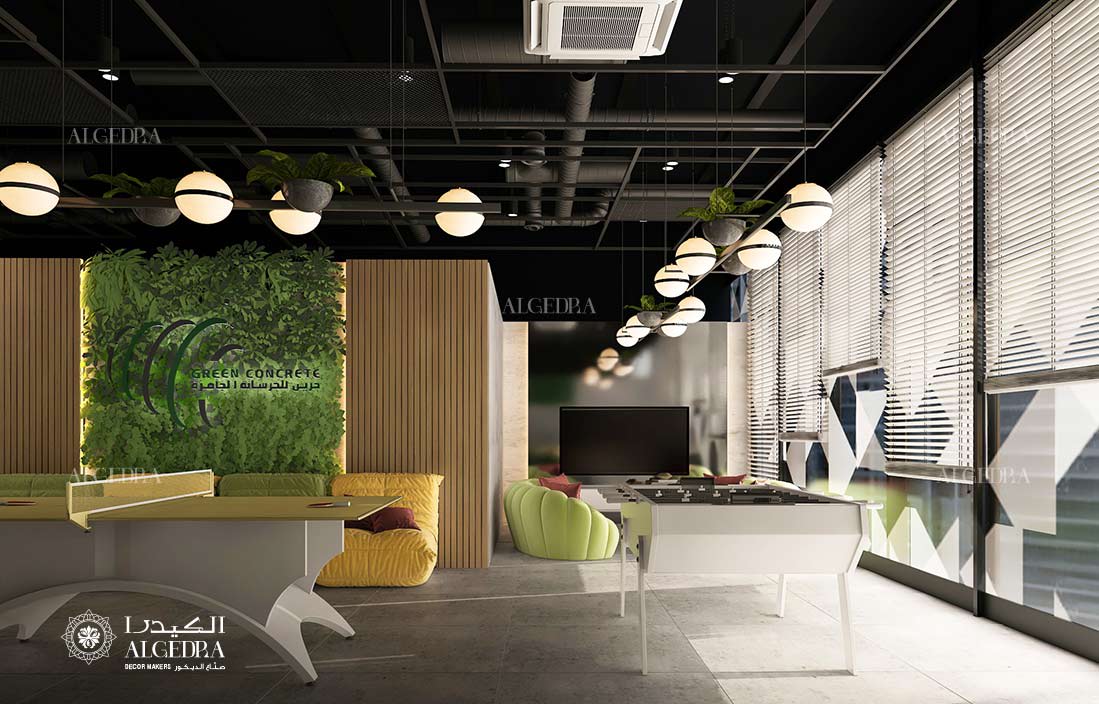
Studies show that exposure to nature, even indoors, lowers stress levels and enhances cognitive performance. By fostering a connection to the natural world, you create a workspace that feels restorative and energizing.
4- Color Psychology in the Workplace
Color influences human behavior and emotion in profound ways. Choosing colors wisely for your office sets the tone for the entire workspace.
● Blue and Green: These cool tones are famous for their ability to improve focus and efficiency. They create a sense of calm and stability, making them perfect for high-concentration areas like analyst bullpens or private coding rooms.
● Yellow and Orange: These warm, vibrant colors stimulate creativity and optimism. Use them in brainstorming rooms, cafeterias, or creative zones to spark energy and encourage interaction.
● Red: A powerful color that evokes excitement and urgency. It works well as an accent color in areas where high energy is required, such as sales floors, but should be used sparingly to avoid overwhelming the senses.
● Neutrals (White, Gray, Beige): These shades provide a clean, professional backdrop. They allow other design elements to stand out and help maintain a sense of spaciousness.
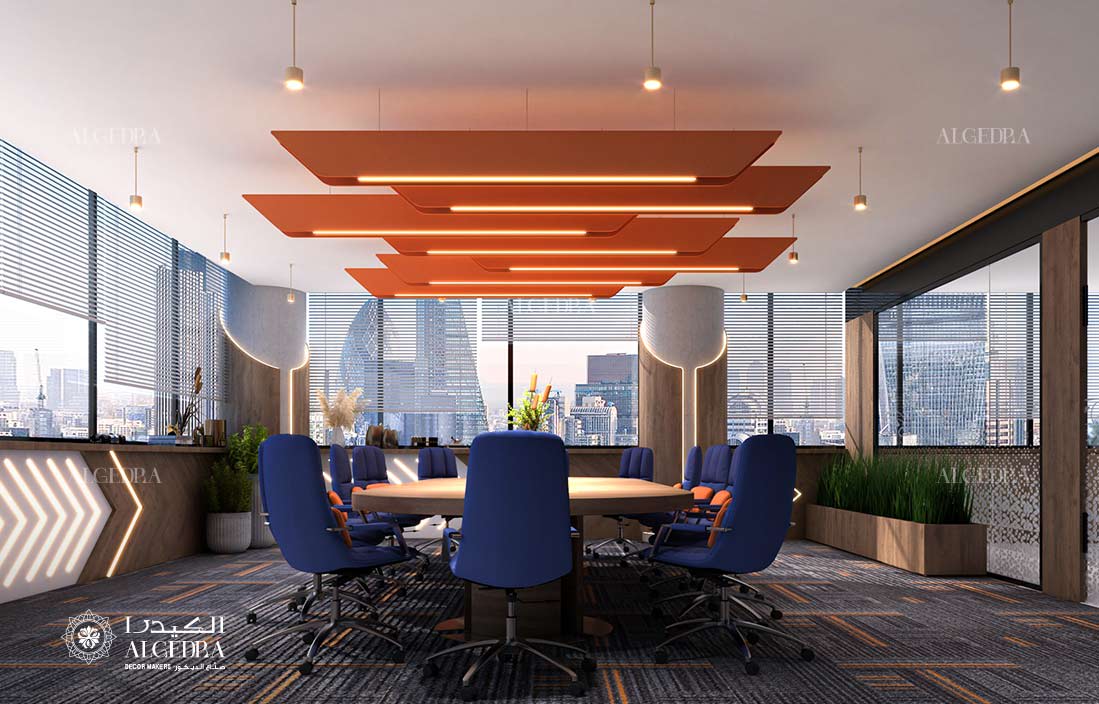
By strategically applying these colors, you can define different zones within the office, guiding the energy of the space to match the intended activity.
5- Lighting: The Invisible Architect
Lighting plays a pivotal role in how a space is perceived and experienced. Relying solely on harsh overhead fluorescent strips is a thing of the past. A layered lighting approach creates a balanced and comfortable environment.
Natural Light: Maximize the entry of daylight wherever possible. Large windows, glass partitions, and skylights help sunlight penetrate deep into the building. Natural light regulates circadian rhythms, helping employees stay alert during the day and sleep better at night.
Ambient Lighting: This provides the base level of illumination. diverse fixtures like recessed lights or pendant lamps can distribute light evenly without creating glare.
Task Lighting: specific tasks require focused light. Desk lamps or under-cabinet lights ensure that detailed work can be performed without eye strain.
Accent Lighting: Use light to highlight architectural features, artwork, or company awards. This adds depth and drama to the interior, elevating the overall aesthetic.
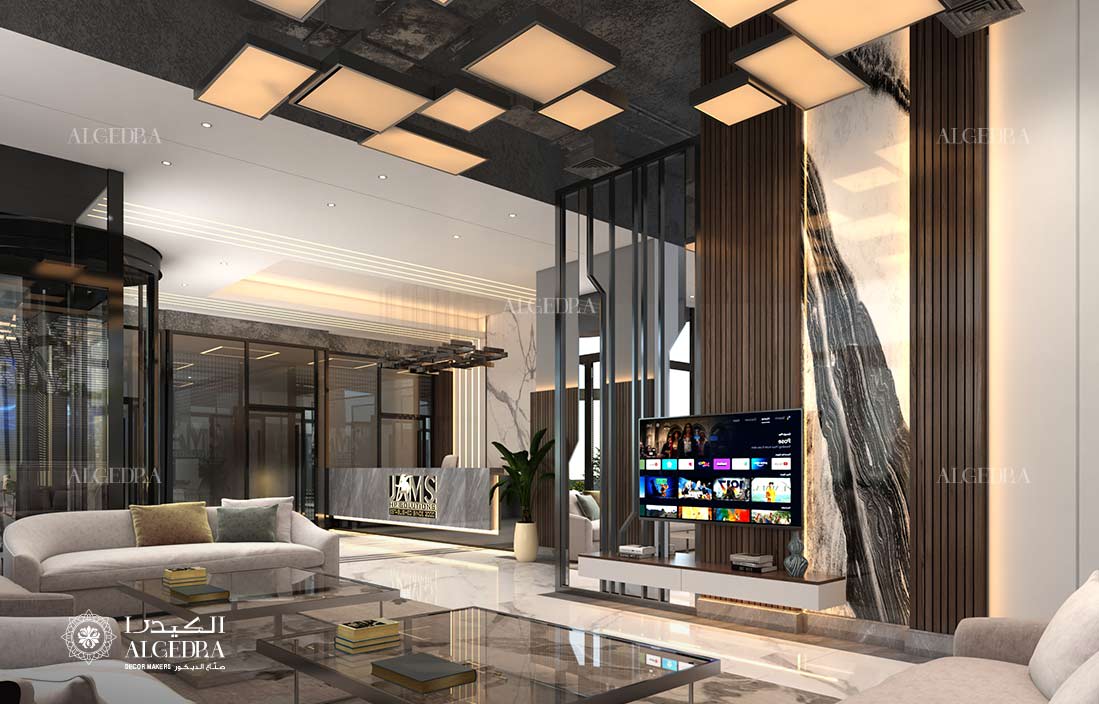
6- Smart Office Integration
Technology is an integral part of modern business, and interior design must accommodate it seamlessly. The "smart office" integrates digital tools directly into the physical infrastructure.
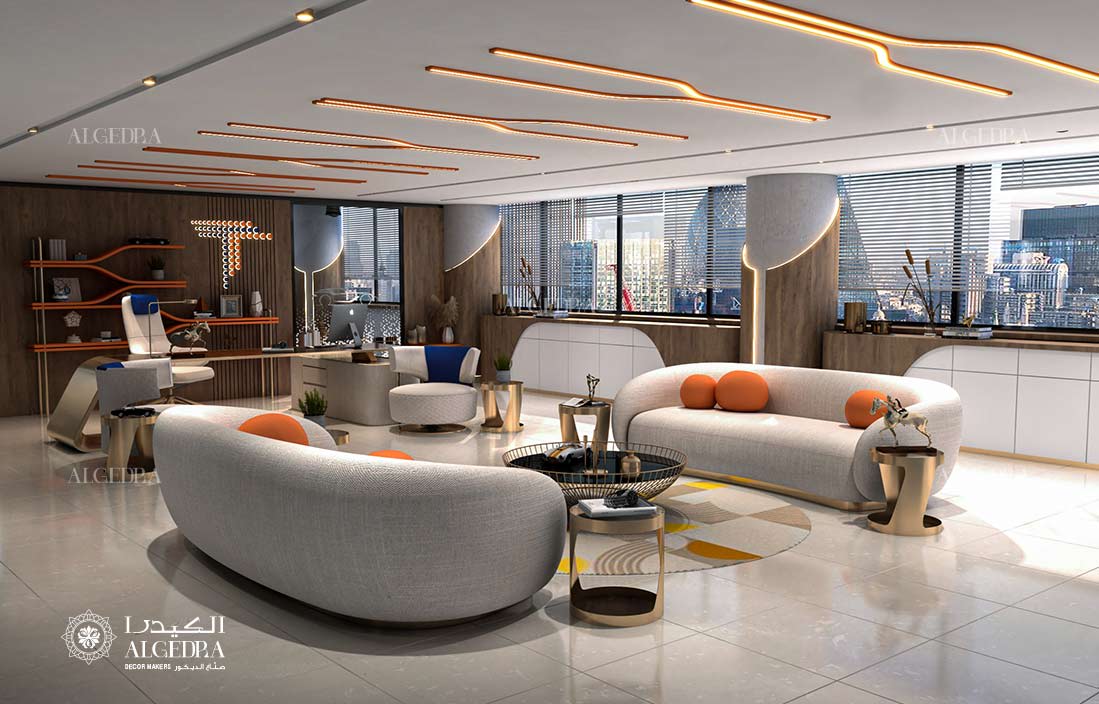
Wireless charging stations built into meeting tables eliminate the mess of tangled cords. Smart glass partitions can switch from transparent to opaque with the touch of a button, offering instant privacy. IoT (Internet of Things) sensors can monitor occupancy and adjust lighting or temperature automatically to optimize energy usage.
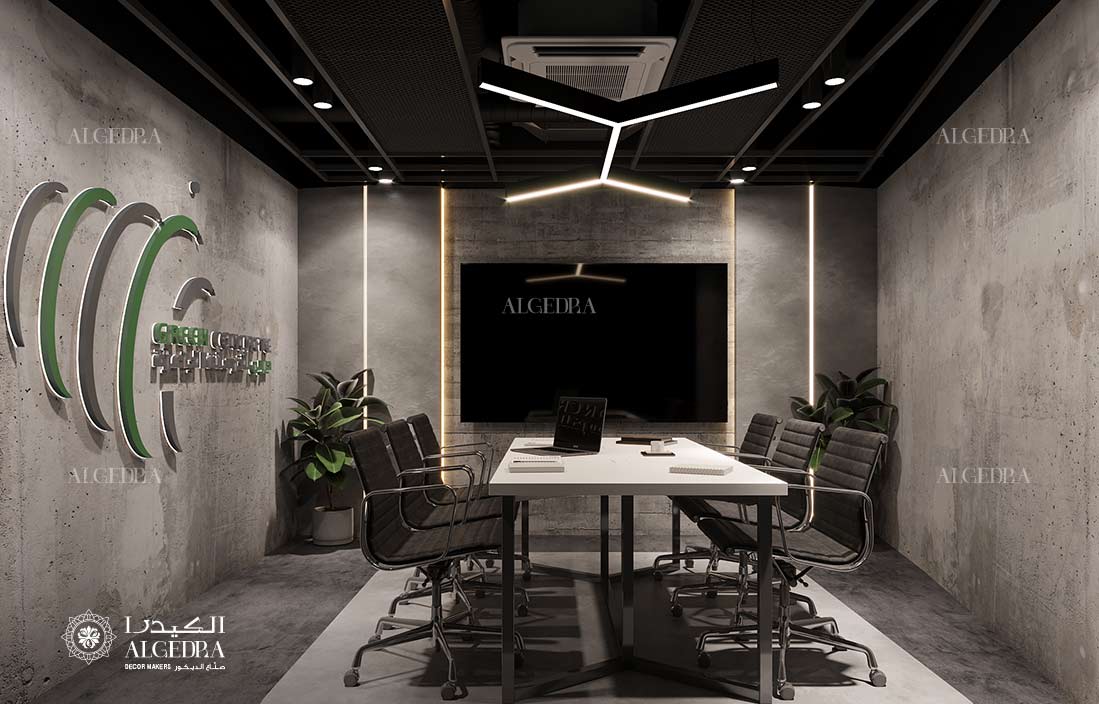
Cable management is crucial in a tech-heavy environment. Raised floors or integrated desk channels keep wires hidden, maintaining the clean lines of the design. By planning for technology from the start, you avoid unsightly retrofits later.
7- Sustainability and Eco-Friendly Practices
Sustainable design is a commitment to the future. Diverse businesses are prioritizing eco-friendly materials and construction methods to reduce their environmental footprint.
Select materials with low VOC (Volatile Organic Compounds) emissions to maintain healthy indoor air quality. Extensive use of recycled materials, such as reclaimed wood or carpets made from recycled plastics, adds character and demonstrates corporate responsibility.
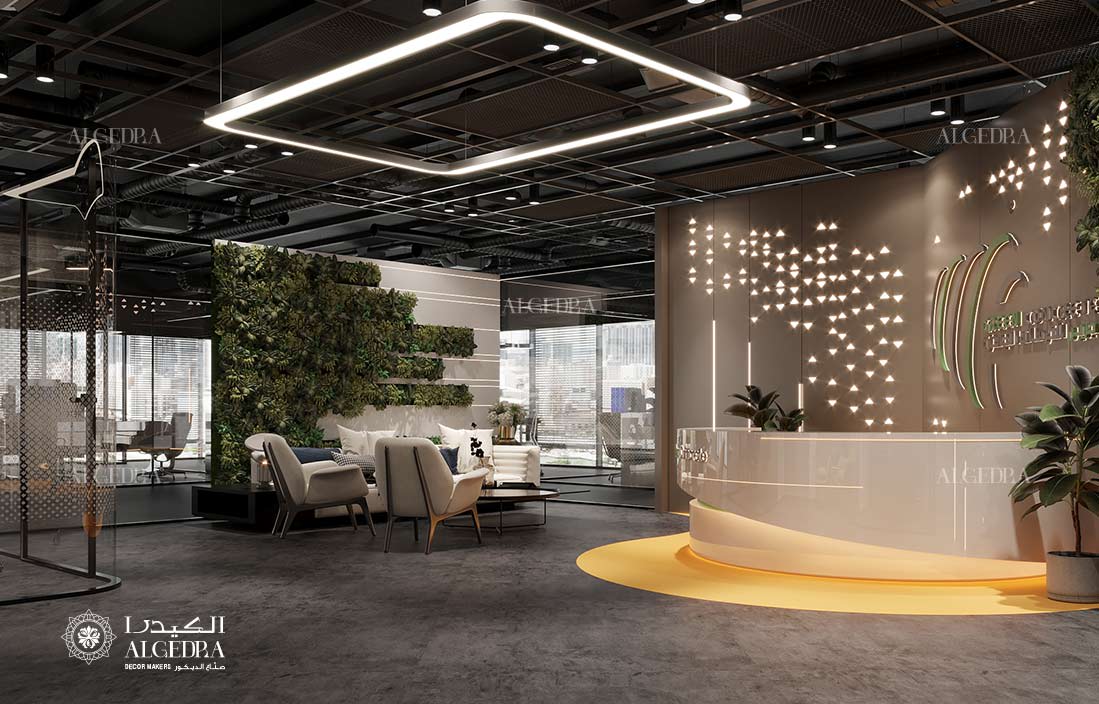
Energy efficiency is another key component. LED lighting, energy-efficient appliances, and smart climate control systems significantly lower operational costs. Designing for sustainability not only helps the planet but also resonates with clients and employees who value environmental stewardship.
8- Designing for Hybrid Work Models
The way we work has transformed, and office layouts are adapting to support hybrid models. The office is becoming a hub for collaboration and social connection, rather than just a place for solitary work.
Hot-Desking and Hoteling: With fewer employees in the office every day, dedicated desks are giving way to shared workstations. Locker systems allow staff to store personal items securely while keeping desks clear for the next user.
Collaboration Zones: distinct areas designed for teamwork are essential. These can range from casual lounge settings with soft seating to formal conference rooms equipped with video conferencing technology.
Focus Pods: To balance the open plan, provide soundproof pods or small quiet rooms where individuals can take calls or work on tasks requiring deep concentration.
Flexible Layouts: Use movable partitions and modular furniture to allow the space to expand or contract based on the team's needs. This adaptability ensures the office remains useful as the company grows or changes its working style.
9- Brand Identity Through Design
Your office is a physical manifestation of your brand. When a client walks through the door, the design should instantly communicate who you are and what you stand for.
Incorporating brand colors is a subtle way to reinforce identity. However, you can go further by using design elements that tell your story. A tech company might use industrial materials and exposed ductwork to signal innovation. A wellness brand might prioritize organic shapes, soft textures, and abundant greenery.
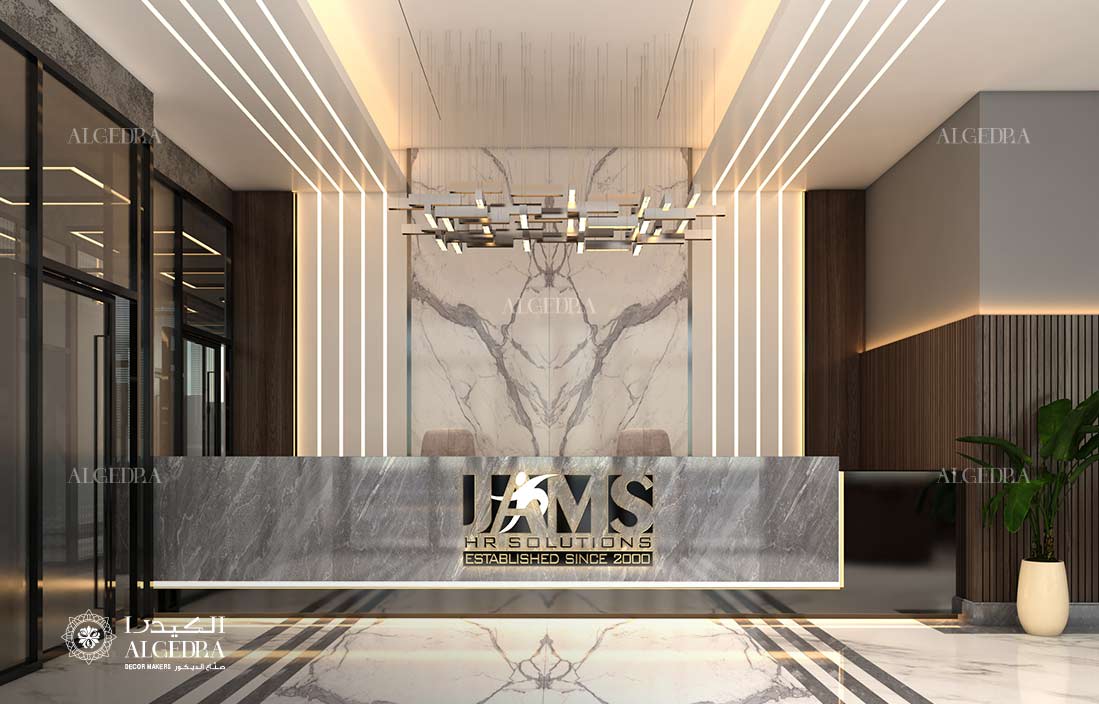
Custom signage, wall graphics, and bespoke furniture pieces can all contribute to a cohesive brand narrative. This alignment strengthens company culture and leaves a lasting impression on visitors.
10- Acoustic Comfort
Noise control is a critical factor in open-plan offices. Excessive noise leads to distraction and increased stress. Integrating acoustic solutions helps maintain a productive atmosphere.
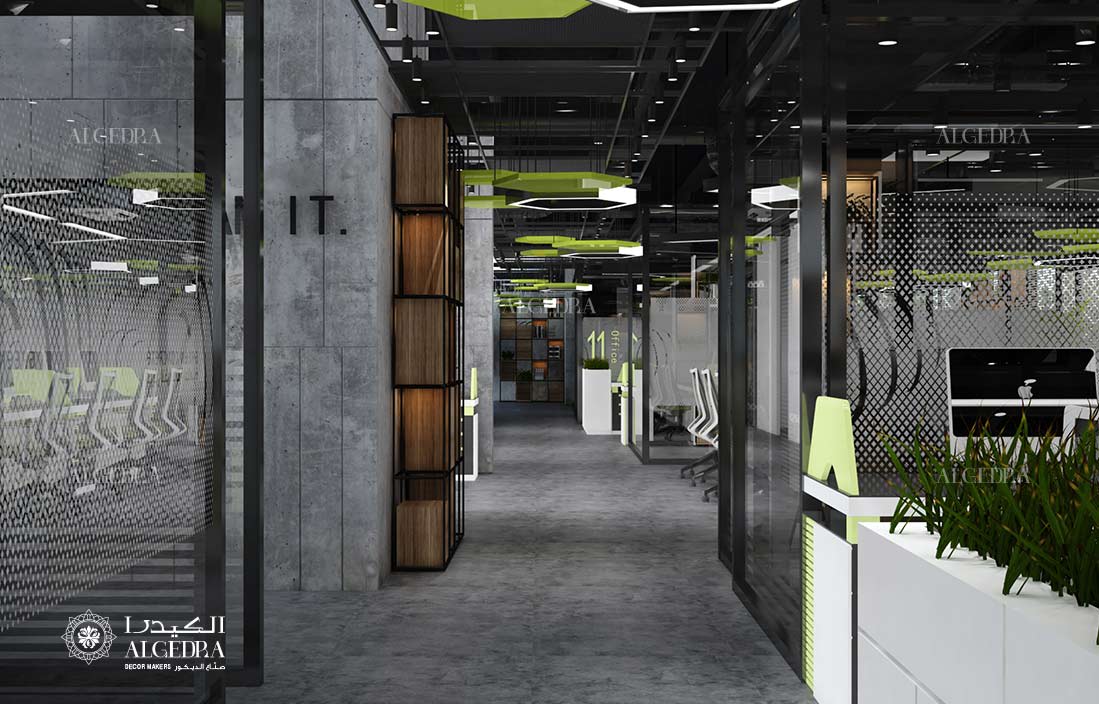
Acoustic panels, ceiling baffles, and carpeting absorb sound and reduce reverberation. Soft furnishings, such as upholstered chairs and curtains, also contribute to dampening noise. Masking systems that emit a low-level background sound can help obscure speech, providing speech privacy in open areas.
Conclusion
Creating the perfect office interior is a multifaceted endeavor that balances aesthetics, comfort, and utility. It requires a deep understanding of your business goals and the needs of your team. Whether you lean toward the timeless elegance of the Classic style, the clean lines of the Modern look, or the vibrant energy of Contemporary design, the right environment propels your success.
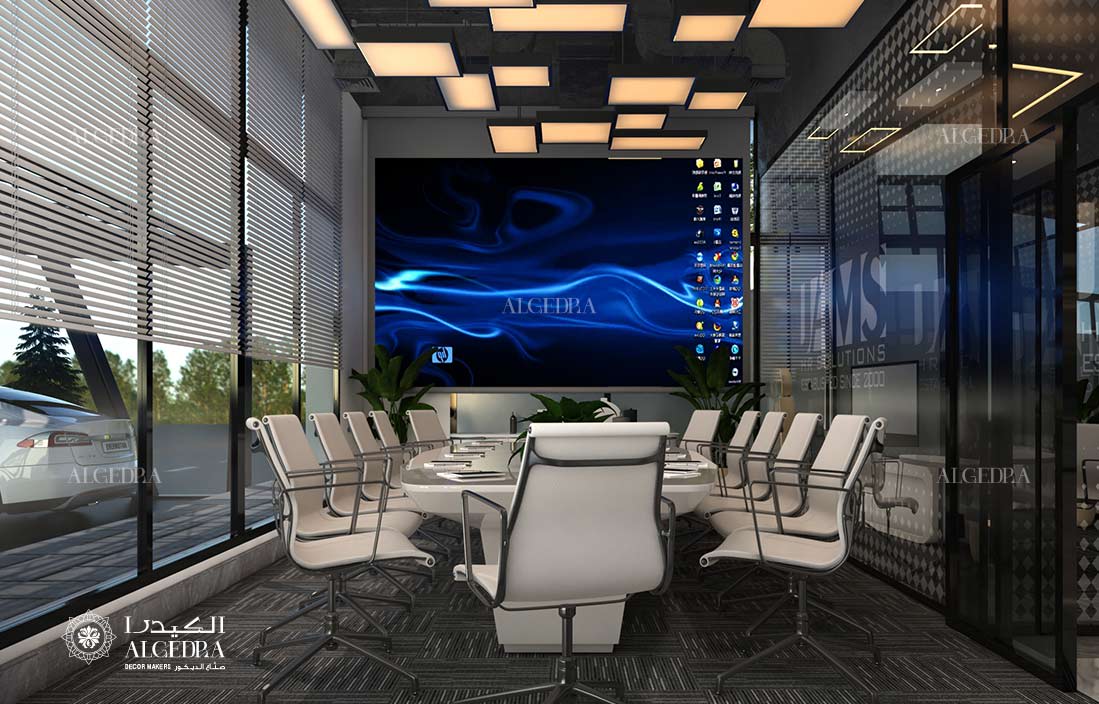
At Algedra, we specialize in corporate office interior design that turns these visions into reality. Our team of experts combines creativity with technical precision to deliver spaces that elevate your business. We handle every aspect of the process, from the initial concept to the final fit-out, ensuring a seamless experience.
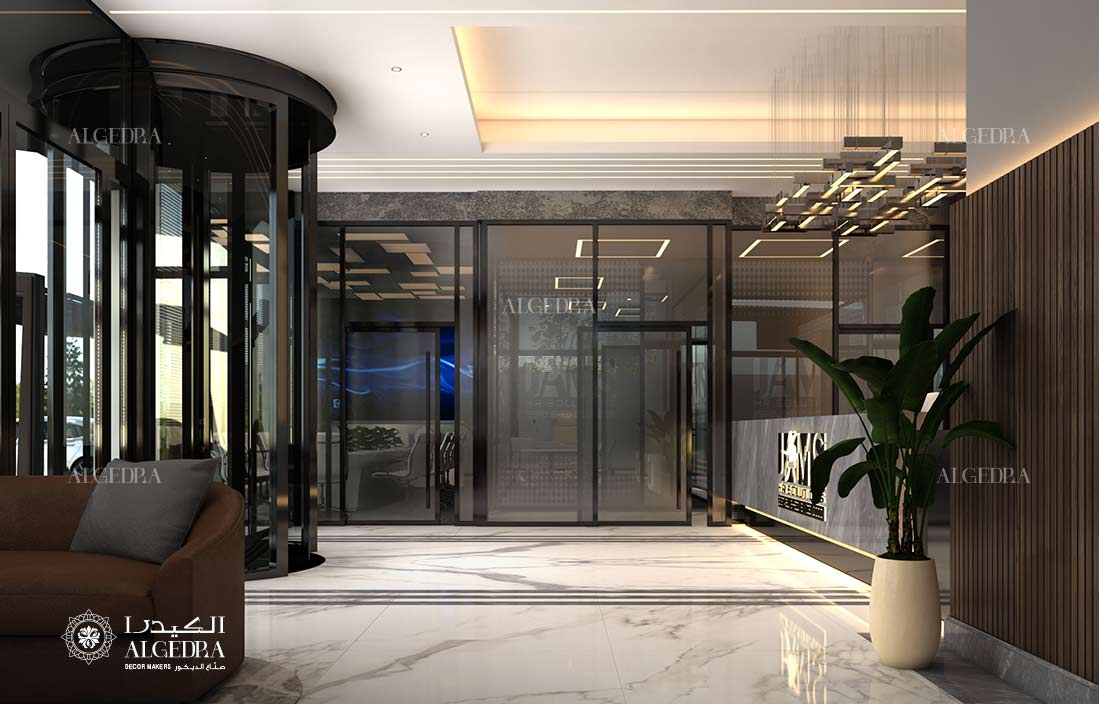
You can view examples of our successful corporate office services to see how we have helped other businesses transform their workspaces.
Are you ready to transform your workspace?
Contact Algedra today for a free consultation and let us build your dream office together.
Frequently Asked Questions
1. How does office interior design affect employee productivity? A well-planned environment directly influences how employees perform. By providing ergonomic furniture, adequate lighting, and effective acoustic control, you minimize physical discomfort and distractions. Employees who feel comfortable and supported by their surroundings maintain focus for longer periods. Additionally, offering a variety of work settings—from quiet pods to collaborative tables—empowers individuals to choose the best environment for their specific tasks, optimizing their output.
2. Can I redesign my office without disrupting daily operations? Yes, careful planning allows for renovations that respect your business schedule. We often implement a phased approach, working on one section of the office at a time while your team continues in another. We can also schedule intensive construction work during evenings or weekends. This strategy maintains continuity for your business, allowing you to upgrade your space while keeping productivity high.
3. What is the ideal timeline for a complete office fit-out? The duration of a project depends on the size of the space and the complexity of the design. Generally, a standard office fit-out can take anywhere from a few weeks to several months. This timeline includes the initial consultation, concept development, material sourcing, and final construction. We establish a clear schedule at the beginning of every project to ensure we meet your target move-in dates efficiently.
4. How do I determine the right budget for my office design project? Defining a budget involves considering the scope of work, the quality of materials, and the level of technology integration. We recommend starting with a clear list of priorities. Allocate funds to high-impact areas like the reception, conference rooms, and workstations first. Working with a professional design team helps you maximize your investment, as we can suggest high-value alternatives and manage costs effectively to deliver a premium result within your financial parameters.
5. Why is sustainable design important for modern offices? Sustainable design offers long-term benefits for both the environment and your bottom line. By using energy-efficient lighting and climate systems, you significantly lower utility costs. Eco-friendly materials often improve indoor air quality, which supports employee health. Furthermore, a commitment to sustainability enhances your corporate reputation, appealing to clients and talent who value environmental responsibility.
FREE CONSULTATION
TELL US ABOUT YOUR PROJECT
WE WOULD LOVE TO HEAR FROM YOU
Feel free to reach us via this contact form and one of our Design Consultants will get back to you at earliest.
OUR BRANCHES
UAE - DUBAI
+971 52 8111106 | hello@algedra.ae
TURKEY - ISTANBUL
+90 533 701 89 71 | info@algedra.com.tr
Leading Interior Design and Decor Company in Dubai and Abu Dhabi.
Algedra is a reputable, internationally recognized, and one of the most successful interior design companies in Dubai, and Abu Dhabi, which specializes in delivering interior design, architectural, and creative space planning projects throughout GCC, MENA, North Africa, Turkey and Russia.
Algedra is a one-stop solution for all your residential interior design and fit-out needs. We have successfully completed numerous villa interior and exterior design projects, where we integrated quality and originality to deliver interior masterpieces.
ALGEDRA, Interior Design Company in Dubai, is specialized in providing elegant and stunning interior design services for both residential and commercial projects. We turn our clients' dreams into reality, trans- lating their tastes and needs into beautiful and functional spaces.
Since the day we were founded, we have designed and built many branded residences, resorts, hotels, multi-purpose social spaces, and palace designs with different functions and concepts by following the ever-changing design trends over the world.
A key element of our work is a fusion of different cultures and designs, combining Greek, Italian, Eastern and Western influences with British innovation.
As a team of highly qualified interior designers and engineers, Algedra offers complete architectural services from mall design to corporate office design as well as the exterior design of any project based on customers' needs.
Our customers include leading names, we have completed diverse projects in hospitality, landscape, commercial, and residential designs. These projects contain cafes, restaurants, gym, villas, family sitting rooms, bedrooms, kitchens; all showcasing our company's exquisite details and high-end designs.
Residential Interior Design in Dubai
Algedra's interior designers and architects have an important mission: building villas, houses, apartments, condos, and anywhere else where you reside that will fulfill your needs while being structurally safe and sound.
Architectural Designs
There are so many details that go into designing an architectural design project. Every step of the project has been carefully considered for safety and daily comfort by Algedra's experts.
Commercial Design
Conceptualizing spaces for business, to elevate style, and to increase functionality to help enhance the bottom line of a company is vital, as well as employee comfort and interior design too. Our commercial interior designers translate client's concept in ways that are efficient, attractive and provide professional workspaces.
Fit-out Projects
Algedra Interiors delivering high-quality tailored fit-out projects that transform your villas, palaces and commercial spaces.
We're a passionate team of interior designers, architects and engineers. Every day we help clients to solve interior design problems and create engaging spaces!
Wherever you are in Kuwait, Saudi Arabia, Azerbaijan, Qatar, Morocco, Algeria, Tunisia, Libya, Egypt; don't hesitate, contact us to find out more about why we are one of the best interior design companies in Dubai and Abu Dhabi!