Home Page | Blog | Gorgeous Open-Concept Lounges in Dubai: What the Best Ones Get Right (and What Most Get Wrong)
Gorgeous Open-Concept Lounges in Dubai: What the Best Ones Get Right (and What Most Get Wrong)
3/26/2026
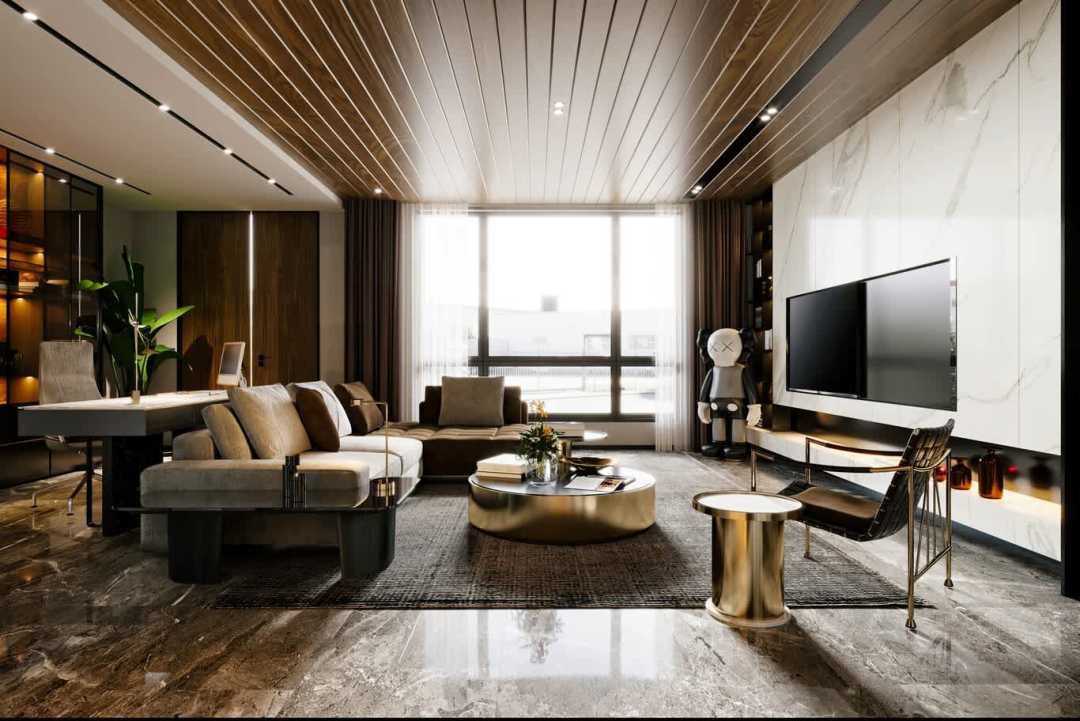
Open-concept lounges are everywhere in Dubai. Scroll through any property listing in Emirates Hills or Palm Jumeirah, and you will see the same pitch: soaring ceilings, walls of glass, marble everything. What you will not see is how many of those rooms are uncomfortable by 3 PM, acoustically terrible by 7 PM, and showing wear on the upholstery within eighteen months.
The gap between a gorgeous open-concept lounge and one that simply looks expensive is enormous. Here is what actually separates the two.
1- West-Facing Glass Is a Mistake
Every designer in Dubai hears this request: "I want my lounge facing the sunset." It sounds romantic. In practice, it is a thermal disaster.
West-facing floor-to-ceiling glazing takes the full force of low-angle afternoon sun, the hardest type to shade. Interior blinds barely help. The glass itself becomes a heat source, raising surface temperatures on furniture and flooring within two metres of the wall. Your AC works overtime and still loses the fight.
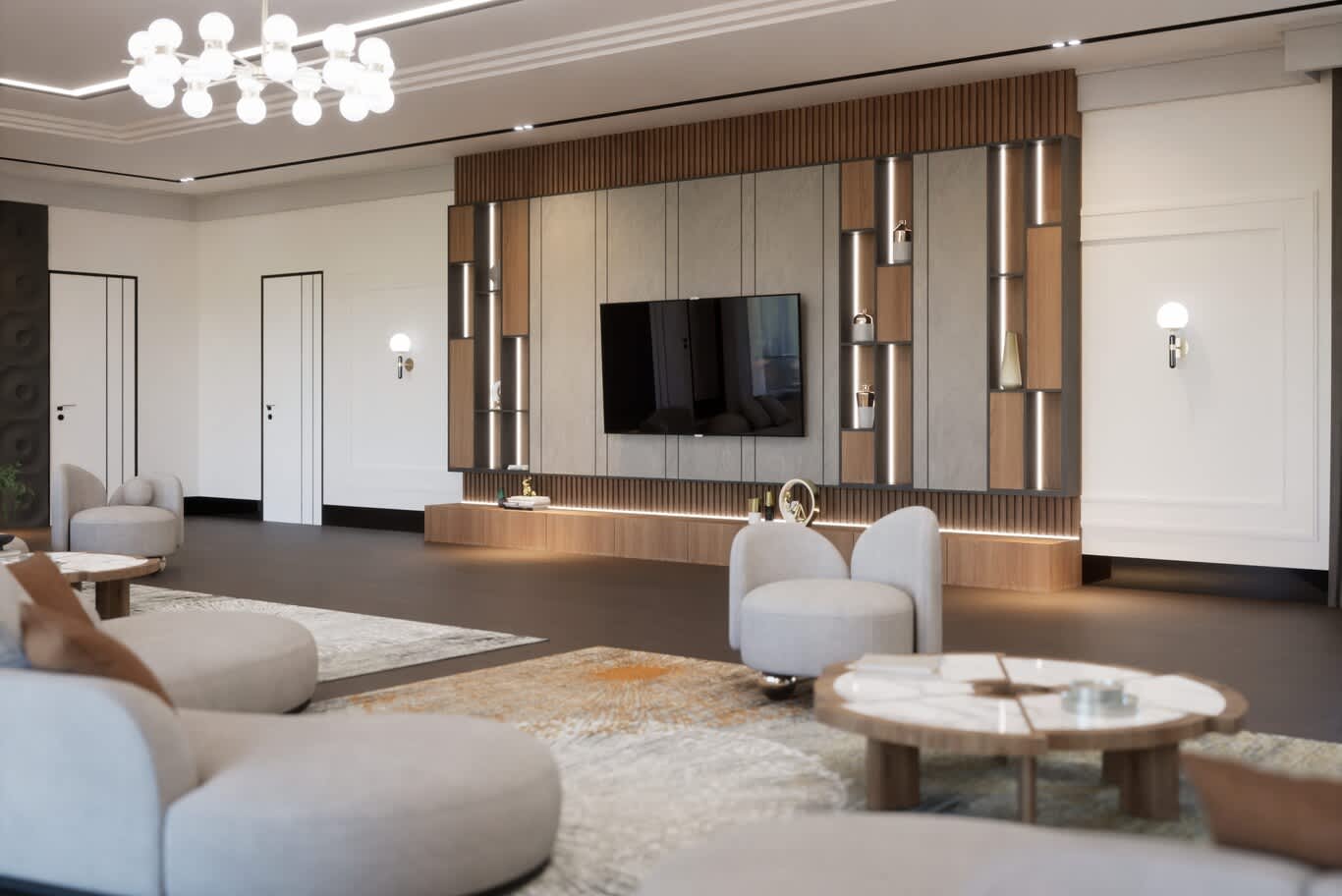
The fix is architectural, not decorative. Deep cantilevered overhangs block summer sun while admitting the lower winter light when sunsets are actually pleasant to watch. External perforated screens, the ones that read as mashrabiya-inspired detail in photographs, cut cooling loads in that zone by roughly 25 percent. Angling the glazing slightly off true west gives you the golden hour without the greenhouse effect.
Good orientation planning is the single highest-impact decision in a Dubai open-concept lounge. It costs nothing extra at the design stage and saves everything later.
2- Your European Furniture Has a Shelf Life Here
This is something most firms will not say out loud: a large percentage of European luxury furniture is not engineered for Dubai conditions.
Leather finished for Mediterranean humidity, stable at 40 to 60 percent year-round, cracks under the constant cycling between 20 percent humidity in a heavily air-conditioned interior and 85 percent the moment a terrace door opens in September. We have seen high-end Italian pieces develop surface fractures within two years that the manufacturer had never encountered, because they had never tested for this kind of swing.
Seat foam tells a similar story. Under 18 hours a day of aggressive AC for six straight months, certain compounds compress faster and lose resilience sooner than they would in a European living room.
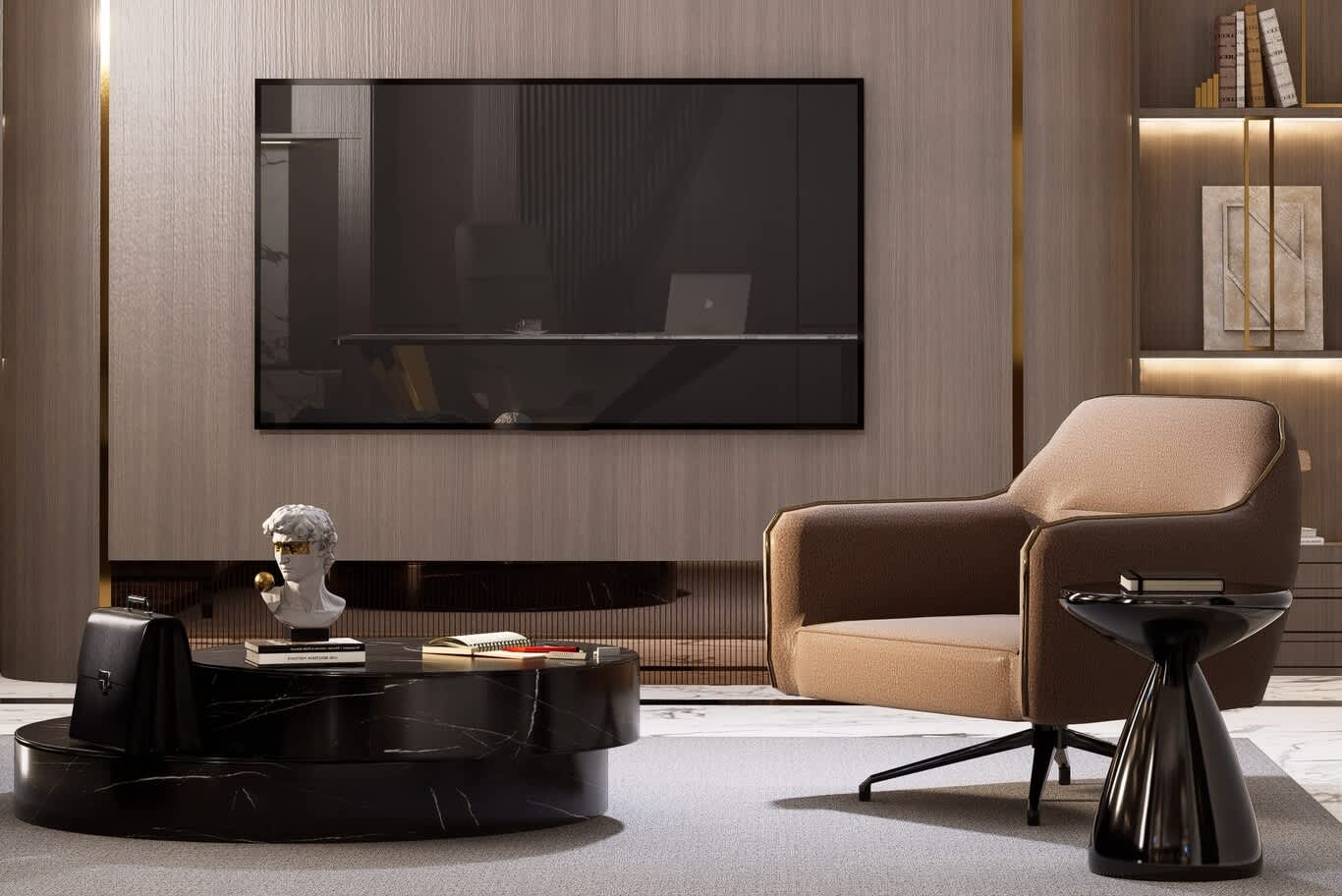
The solution is not to avoid European aesthetics. It is to spec differently beneath them. Kiln-dried hardwood frames that hold stable through temperature shifts. High-resilience foam rated for commercial hospitality use, dressed in residential-weight fabric. The look stays Milanese. The build is Dubai-proof.
Specifying at this level costs more upfront, but it changes the maths over five years. Replacement cycles shrink, reupholstery jobs disappear, and the total spend drops. If you are working within a fixed number, our guide on how to set a realistic interior design budget in Dubai breaks down where to invest and where to hold back.
3- The Bakhoor Factor
Burning bakhoor, the oud-based incense that is part of daily life across the Gulf, produces thick, resinous smoke. In an open-concept lounge, that smoke travels through the entire volume and settles into every textile it touches.
Most design blogs ignore this entirely. It is one of the most important interior considerations in this market.
Air handling needs to account for regular incense use. Return air grilles positioned to pull smoke upward and out, rather than letting it pool at ceiling height and stain lighter finishes. Tight-weave upholstery fabrics that release scent rather than absorbing it permanently. In several projects, we have built a dedicated bakhoor alcove, a shallow recessed niche with its own discreet extraction, so the smoke rises in a controlled column and disperses evenly.
The goal: oud should linger in a room the way you remember a good dinner party. It should not live permanently in the drapes.
4- The Two-Kitchen Rule
Walk through any properly designed Dubai villa and you will find two kitchens. The "show kitchen," with stone counters, integrated appliances, and clean cabinetry, sits within or adjacent to the open lounge. It handles coffee, light prep, and the kind of cooking that looks appropriate in a social space.
The working kitchen is behind the scenes, connected by a service corridor. Heavy cooking, spice-based dishes, frying, grilling, anything that produces serious odour, happens here. Dedicated ventilation and air separation prevent those aromas from migrating into the lounge and settling into soft furnishings.
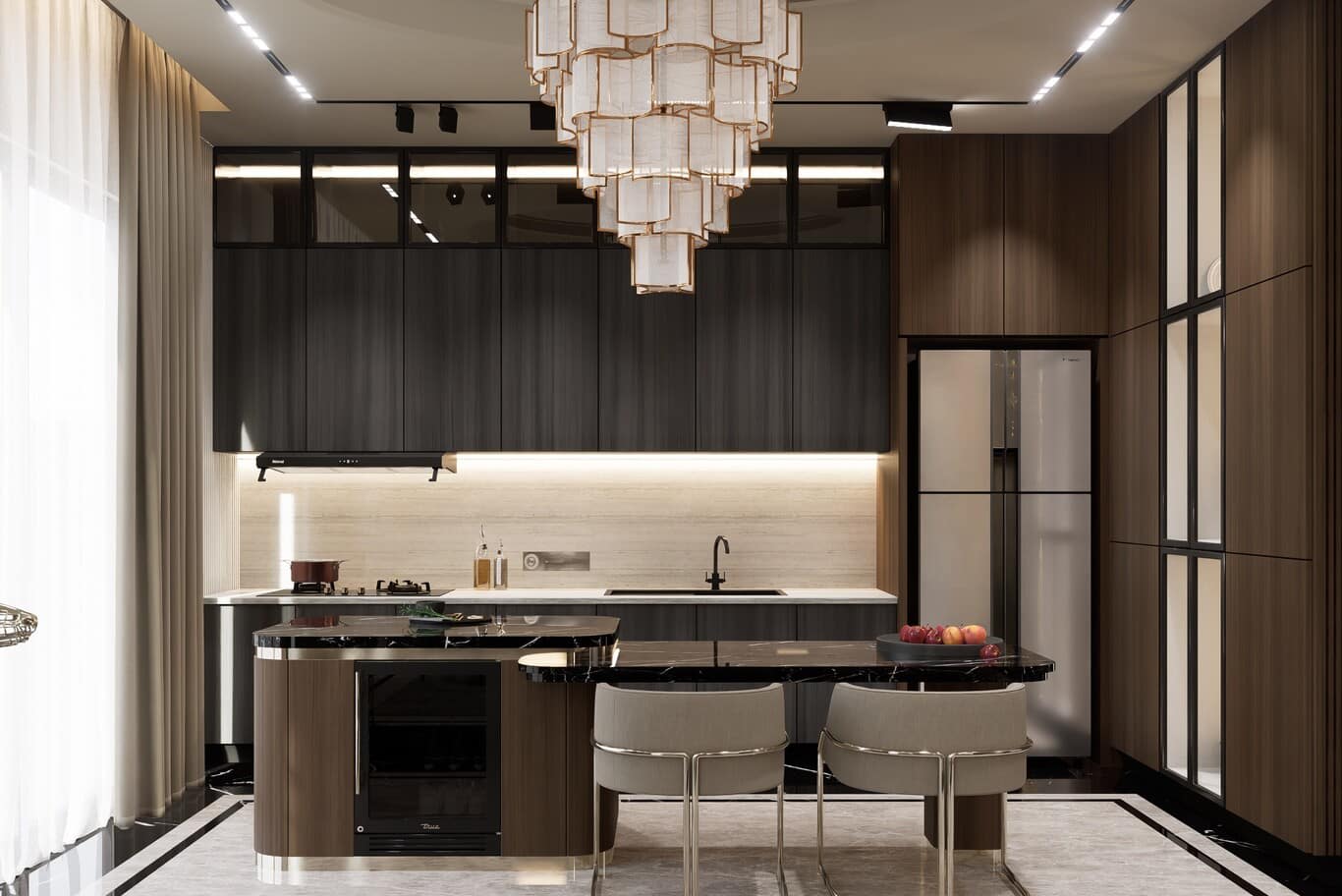
Designers who treat the visible kitchen as the only kitchen are building for a photo shoot, not for a family that cooks machboos on a Tuesday and hosts twelve for dinner on Friday.
The relationship between kitchen and lounge is the single most important spatial decision in an open floor plan. How the island is positioned, where the extraction runs, how the sightlines connect cooking to conversation, all of it shapes the feel of the room. We cover the full range of approaches in our piece on open-concept kitchen and living room design ideas for Dubai homes.
5- The Acoustics Problem Nobody Photographs
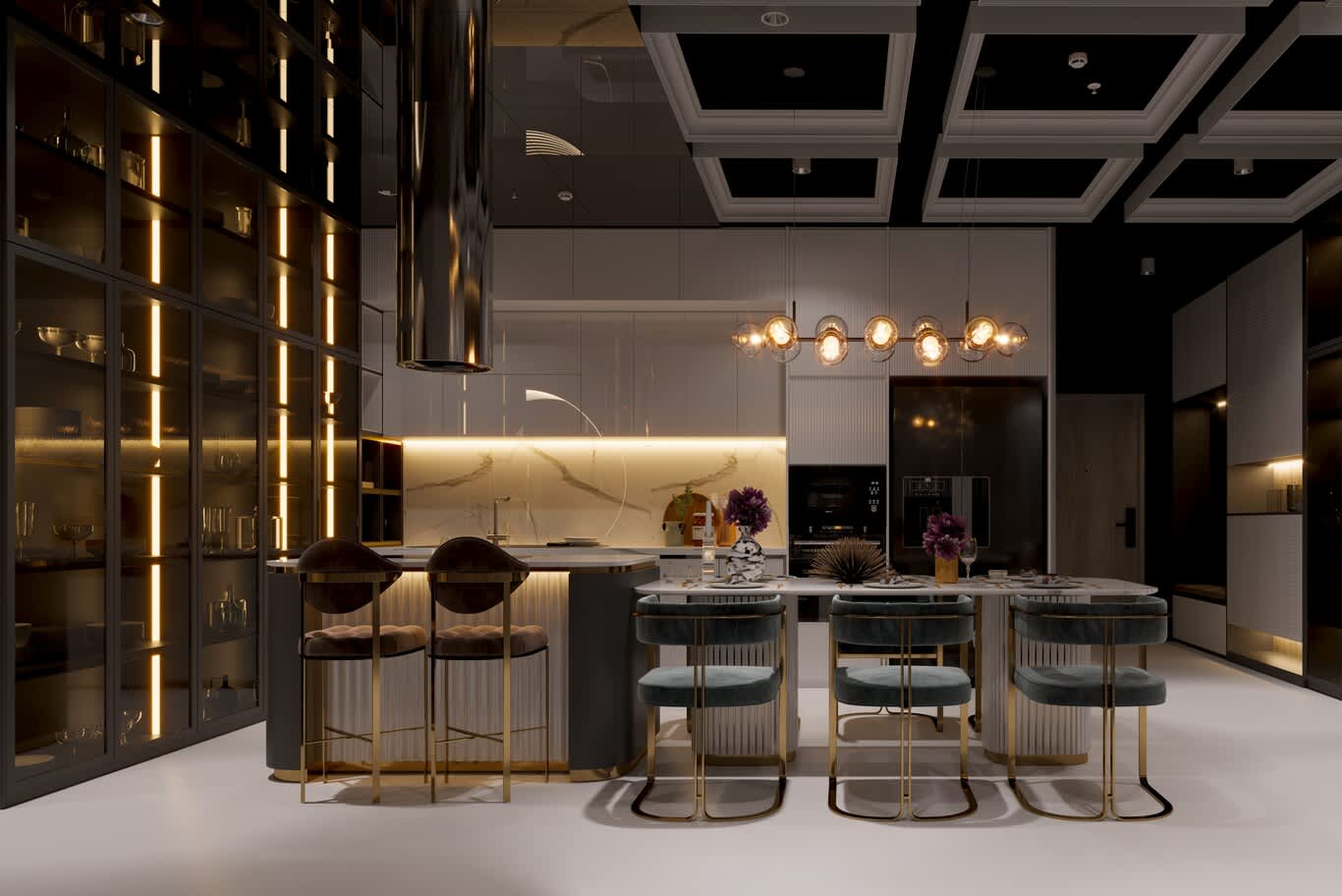
Here is something that ruins more open-concept lounges in Dubai than bad furniture or wrong orientation: echo.
A room with marble floors, glass walls, stone countertops, and a 3.5-metre ceiling is an acoustic nightmare. Every conversation bounces. Cutlery on a plate sounds like a percussion section. A child's voice carries from one end of the room to the other with zero absorption. By the time you have fifteen people talking over dinner, the noise level climbs to the point where everyone is nearly shouting.
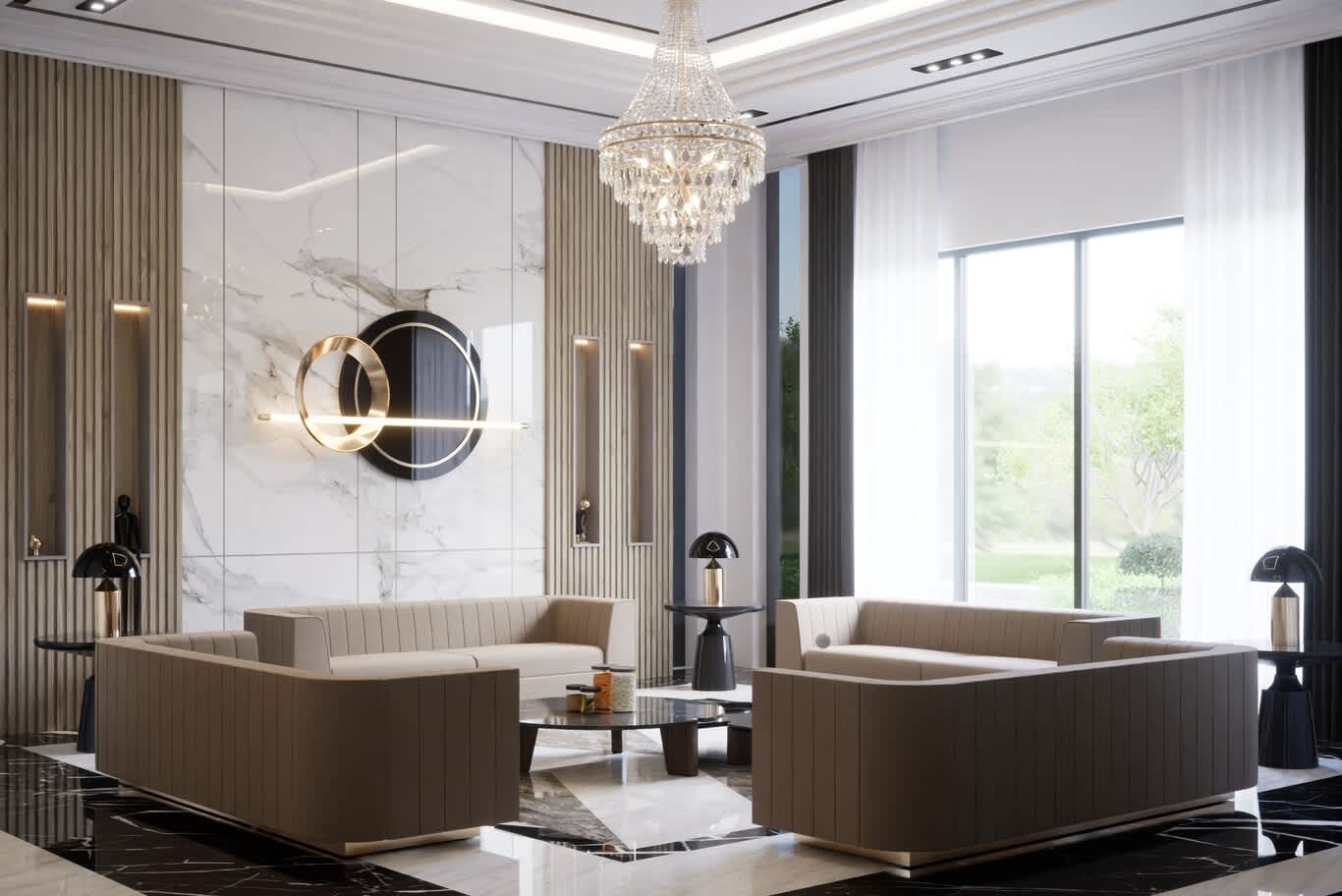
This is a solved problem, but only if it is addressed during design, not after handover. Fabric-backed wall panels in key zones absorb mid-range frequencies without looking like office soundproofing. Timber slat ceilings break up reflections overhead. Upholstered furniture, heavy wool rugs, and full-length linen drapes all contribute to the absorption profile of the room.
The target is not silence. It is clarity. Two people should be able to have a normal conversation in one corner of a 100-square-metre lounge while a group of eight talks at full volume in another, and neither party should need to raise their voice. Hitting that balance takes calculation, not guesswork. We model the acoustic response of every large-format lounge before specifying a single finish.
6- Scaling from Two People to Twenty-Five
A 100-square-metre open-concept lounge needs to feel right with two people after work on a Wednesday. It also needs to absorb twenty-five guests on a Friday evening without feeling crowded or chaotic.
The answer is furniture planning at three scales. A primary seating group, the one you see when you walk in, sized for four to six people. A secondary cluster further back that opens up a second conversation zone when numbers grow. And a handful of individual accent chairs and side tables positioned near walls and windows, ready to be pulled into either group.
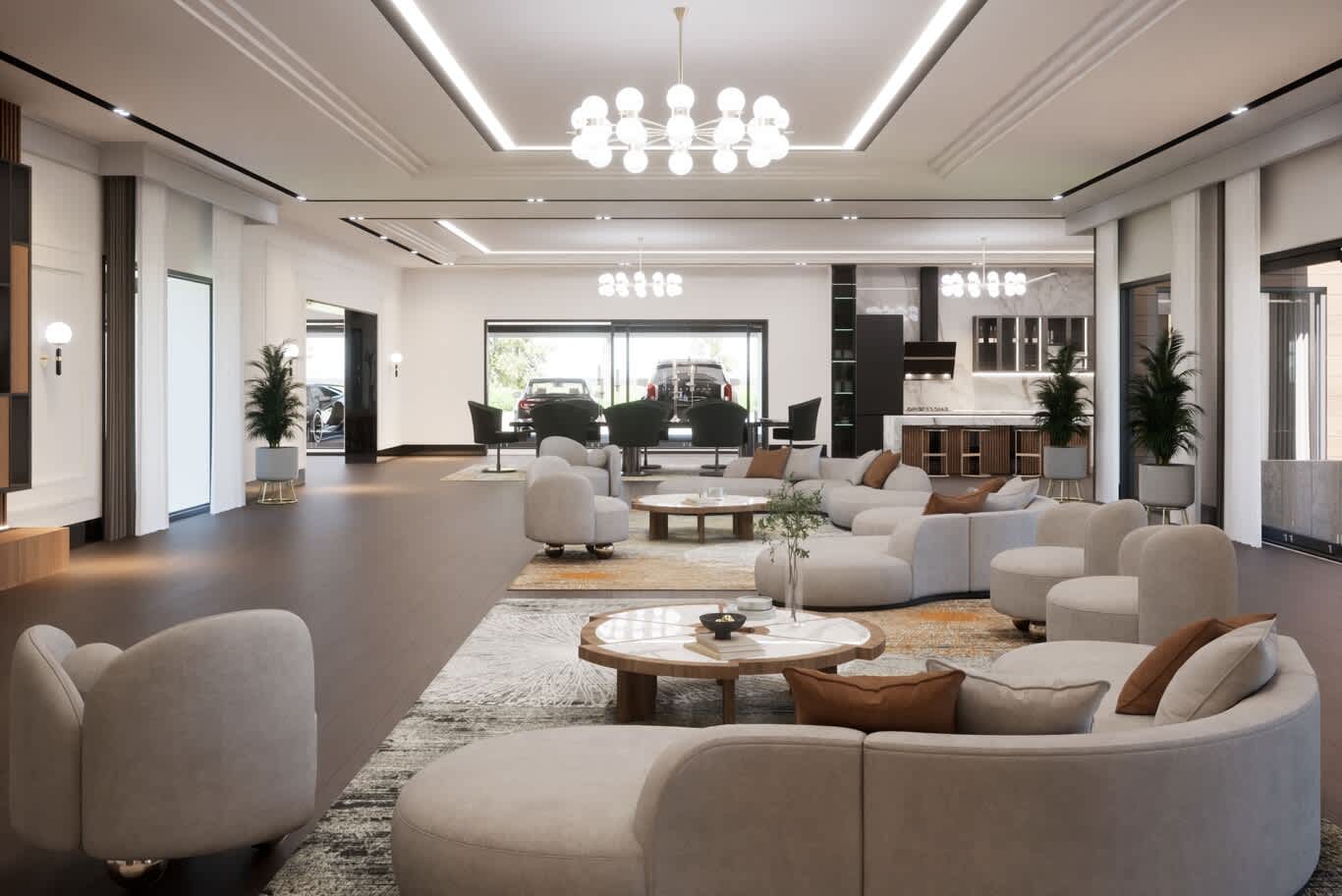
The spacing between these groups matters more than the pieces themselves. Too tight, and the room feels packed at fifteen guests. Too spread, and it feels empty at four. We test layouts with actual body counts during the planning stage, not just with floor plan drawings.
7- What the Ceiling Is Really Doing
In Dubai's climate, AC ductwork is substantial. A villa lounge running on a ducted system needs large-diameter supply and return ducts across the ceiling void, plus access panels for maintenance. That is a lot of mechanical infrastructure to hide.
The coffered ceiling that looks like a classical architectural detail? Those coffers are often sized to conceal duct runs, with flat sections between them holding recessed downlights and supply diffusers. The dropped bulkhead that appears to define the dining area? It typically hides a return air grille and provides a chase for pendant light cabling.
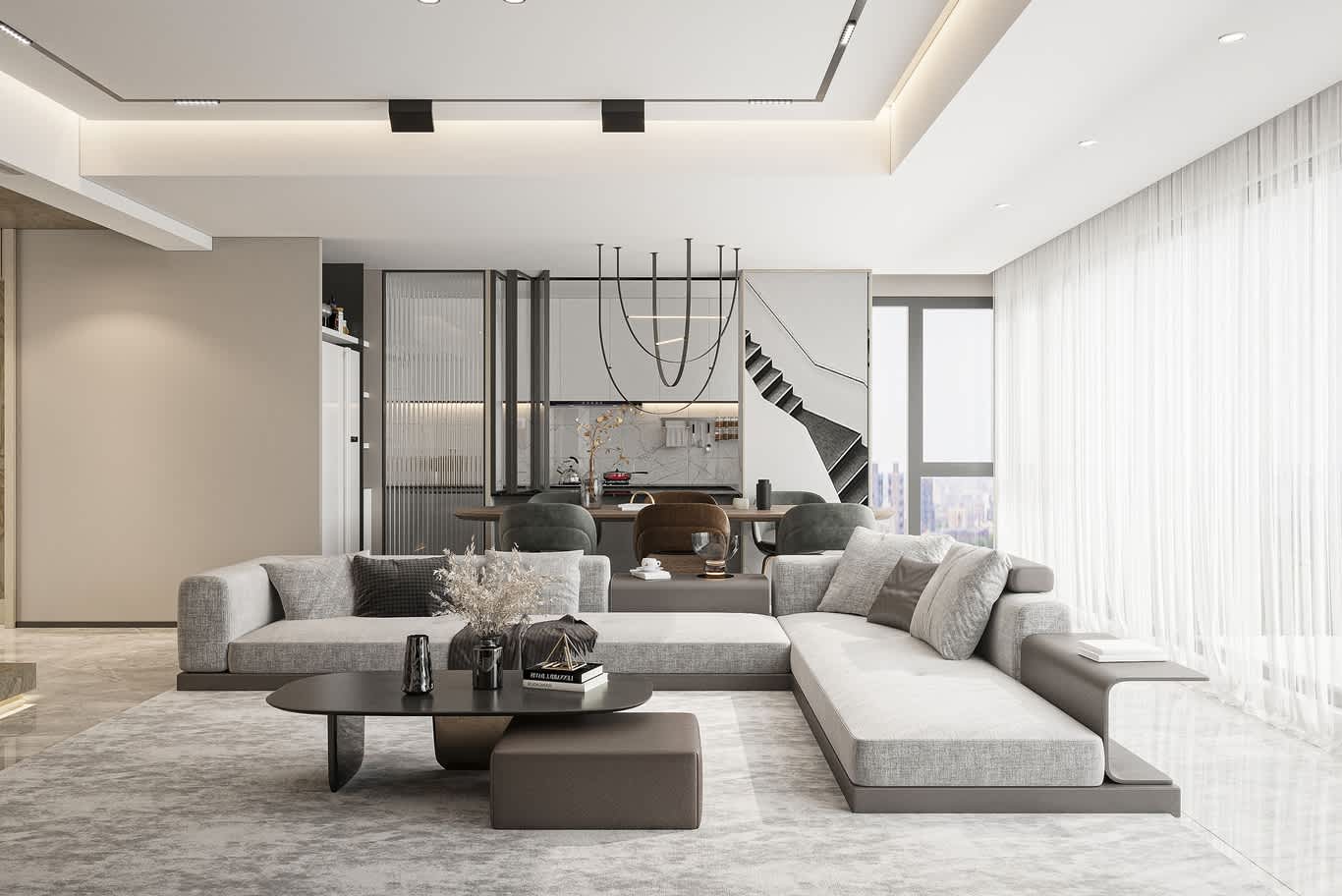
The mistake we see constantly: the interior designer creates the ceiling concept, then the MEP engineer routes ductwork through it, and the two plans collide. Soffits get added, grilles land in awkward positions, and the ceiling ends up looking compromised.
We design the decorative ceiling and the mechanical layout as one coordinated system from day one. The client should see proportion and warmth when they look up. Never ductwork.
8- The Colour Shift Under Desert Light
A colour swatch chosen in a showroom in London or Milan will not behave the same way in a Dubai lounge. The light here is brighter, harder, and more direct. It flattens subtlety and punishes anything that relies on soft northern European light to look good.
Stark whites are the biggest casualty. A pure white wall in a room with full-height glazing glares under the midday desert sun. It becomes fatiguing to look at and makes everything else in the room appear slightly grey by contrast. This is why the best open-concept lounges in Dubai have shifted to warmer neutrals: sandy beiges, stone taupes, greyed-out creams. These tones hold up under intense light and respond gracefully as conditions change through the day.
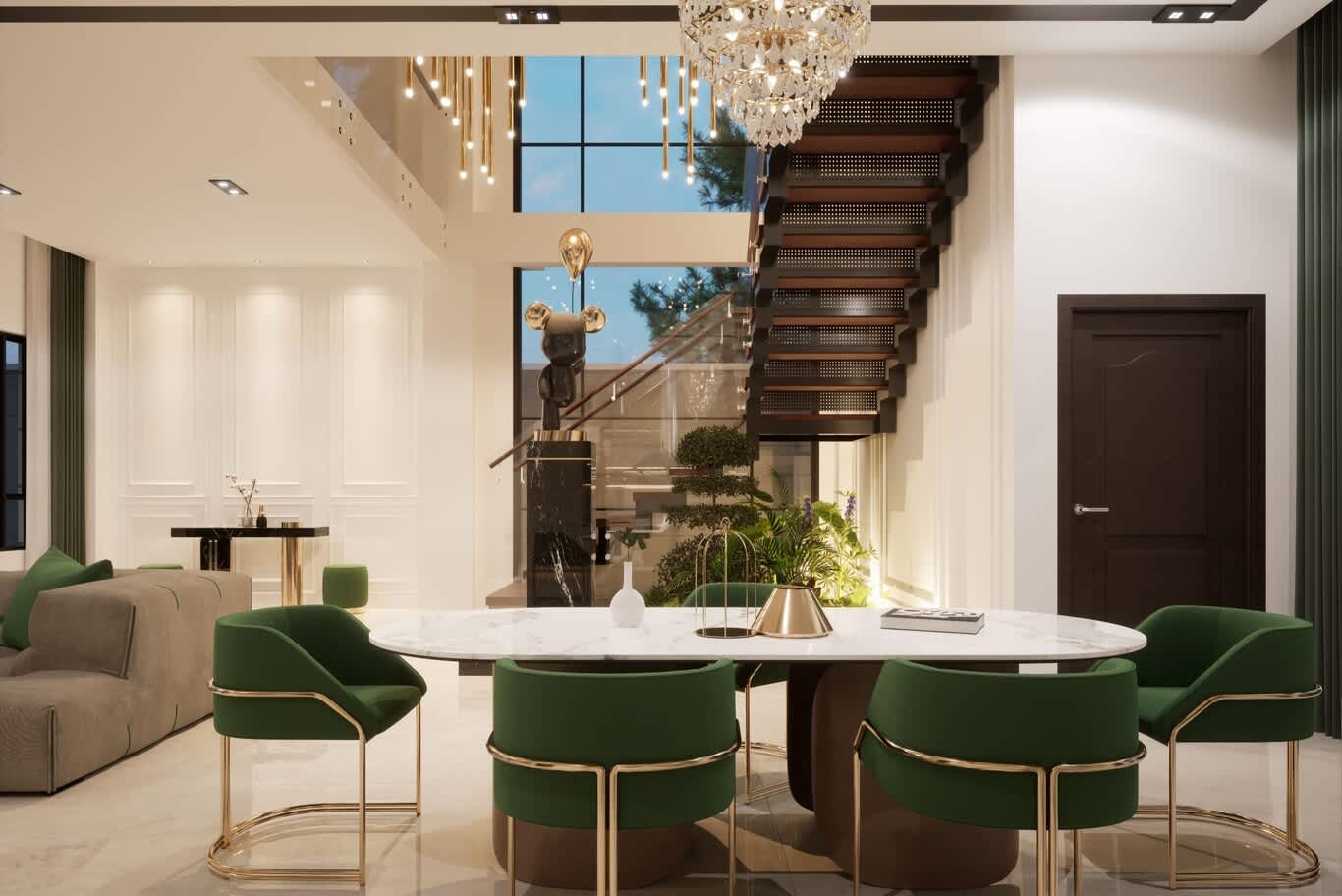
Textured wall finishes perform far better than flat paint here. Lime-wash, Venetian stucco, micro-cement, and raw plaster all catch and release light at slightly different angles across their surface. Under the Dubai sun, which moves fast and hits hard, these finishes give walls a living, shifting quality that flat colour cannot achieve. It is one of the reasons textured plaster has moved from a boutique choice to a standard specification in high-end residential projects across the city.
Bold colour, when it appears, works best through soft furnishings. A terracotta linen cushion, an olive velvet armchair, a deep rust throw. These can be swapped with the season without repainting a single wall. In a culture where homes are dressed and refreshed regularly for entertaining, that flexibility is a practical advantage, not a design compromise.
9- The Thermal Gradient Nobody Mentions
In a room with floor-to-ceiling glazing, stone floors develop an uneven temperature profile. The zone within two metres of the glass absorbs radiant heat and warms noticeably, even with high-spec glazing. The interior zone near shaded walls, cooled by AC, stays cold. The middle band sits neutral.
Instead of fighting this, use it. Place the daytime reading spot in the warm zone near the windows, where the stone holds gentle warmth underfoot. Anchor the main seating group in the cooler interior zone, where bare feet on stone stay comfortable during long evening gatherings. A large handknotted wool rug bridges the two zones and gives the sofa arrangement its own defined territory.
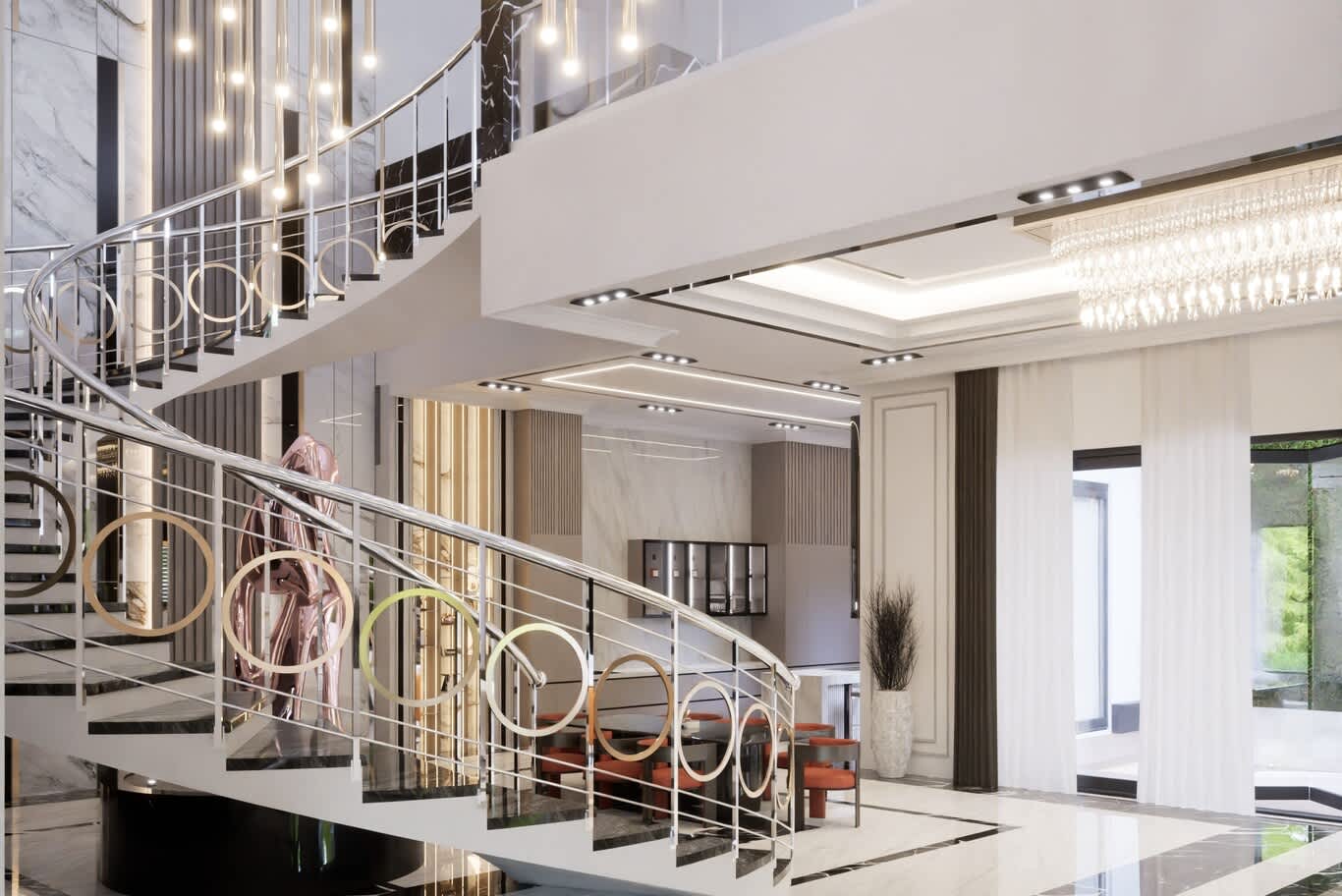
This is climate-responsive interior planning at the micro level. You will not find it in a product catalogue. It comes from paying attention to where people actually sit and linger across seasons.
10- The Terrace That Only Works Half the Year
Every open-concept lounge in Dubai with retractable glass walls or sliding pocket doors faces the same split-personality problem: the indoor-outdoor connection is glorious from October through April and completely unusable from May through September.
Most designs commit fully to one state or the other. They either treat the terrace as an integral part of the lounge, which means the room feels incomplete when the doors are sealed for summer, or they treat it as a bonus, which means the winter months never reach their full potential.
The better approach is to design for both states deliberately. Interior furniture layouts need to feel complete and proportioned with the doors closed. The terrace gets its own self-contained arrangement that works independently when the glass opens. Shared material palettes and colour schemes tie the two zones together visually, so when the doors do slide back, the terrace reads as an extension of the lounge rather than a separate outdoor room bolted on.
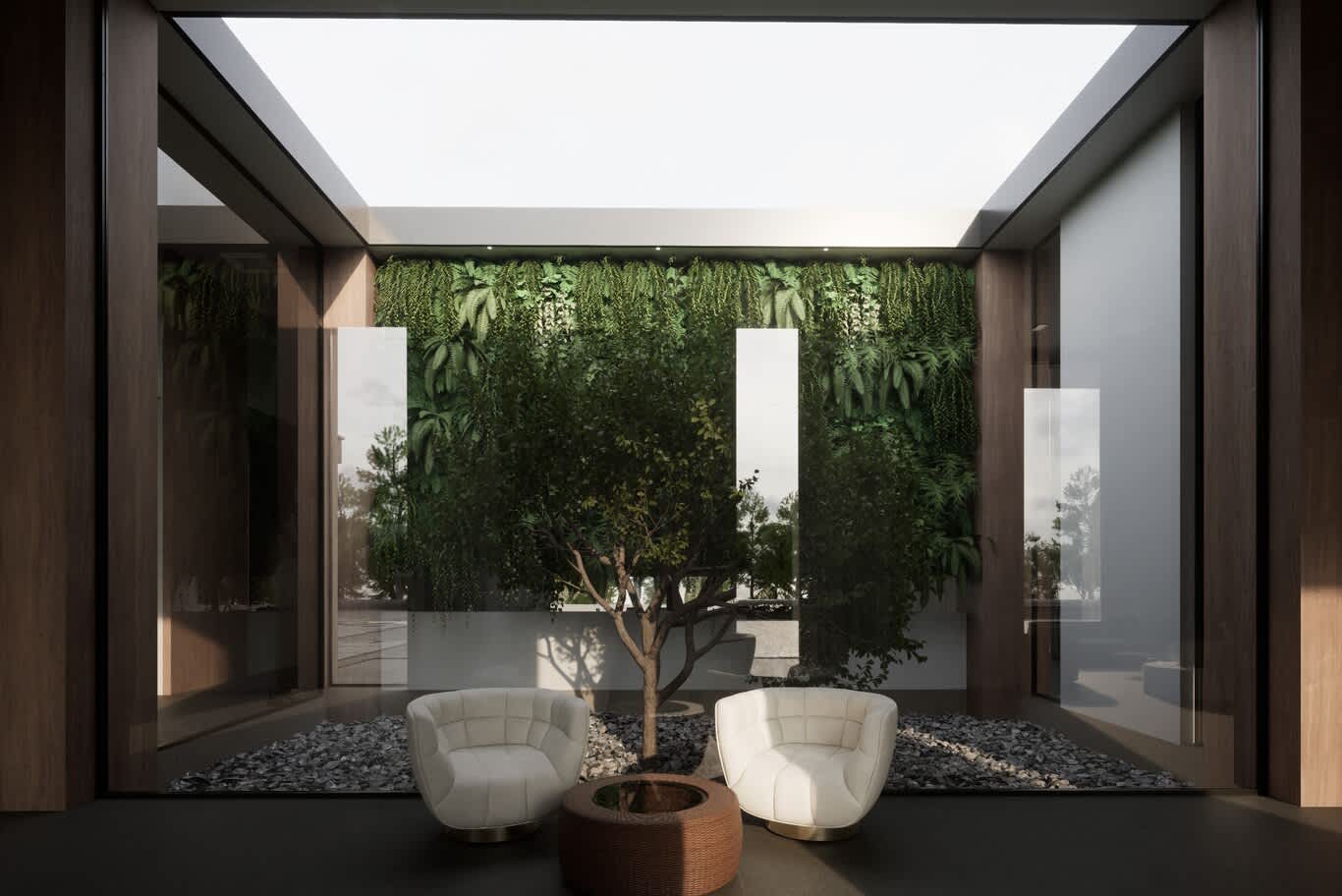
Covered pergolas, ceiling fans rated for exterior use, and misting systems extend the usable terrace season by a few weeks on either end. But the hard truth is that for about five months, the AC wins and the glass stays shut. Any design that cannot hold its own during those months has failed half its job.
This seasonal split affects apartment lounges just as much as villas. In tower developments where outdoor terraces are smaller and more exposed, the interior has to carry even more weight year-round. We explored how to handle that in compact high-rise settings in our guide to urban chic decor for City Walk apartments, where the terrace-to-lounge ratio demands a different strategy entirely.
11- The Staff Circulation Layer
In many Dubai households, domestic staff serve refreshments during gatherings. How they move through the lounge, and how they do not, is a design problem that gets solved gracefully or not at all.
A well-planned open-concept lounge has a secondary circulation route. Coffee arrives from the kitchen on a path that does not cut through the middle of a seated conversation. Used cups disappear the same way. The service corridor connects to the working kitchen and a staging area where trays are prepared and cleared.
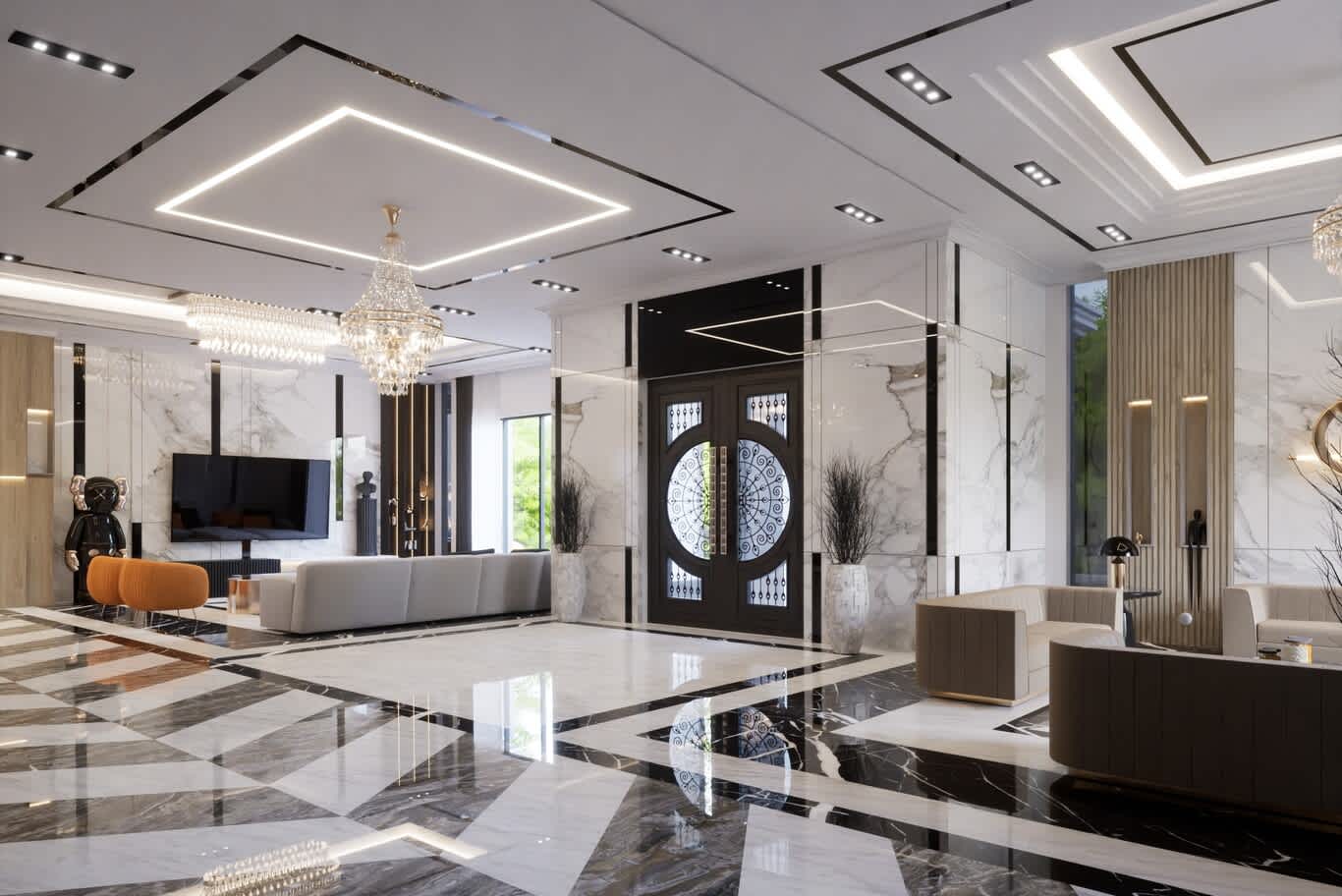
This second layer of movement is invisible to the guest. It is felt rather than seen. Designing it means thinking about door positions, gaps between furniture groupings, and joinery placement with a hospitality mindset, not just a residential one.
The best Dubai lounges run with the quiet efficiency of a private club. That does not happen by accident.
12- The Prayer Room Ripple Effect
The prayer room faces northeast from Dubai, toward Mecca, and that fixed orientation shapes the floor plan around it, including the lounge.
This planning constraint never appears in international design references, but it is one of the first things we address in residential projects across the Gulf. The prayer room needs access from both family and guest zones. It should feel private but not isolated. Its fixed orientation determines what sits on either side.
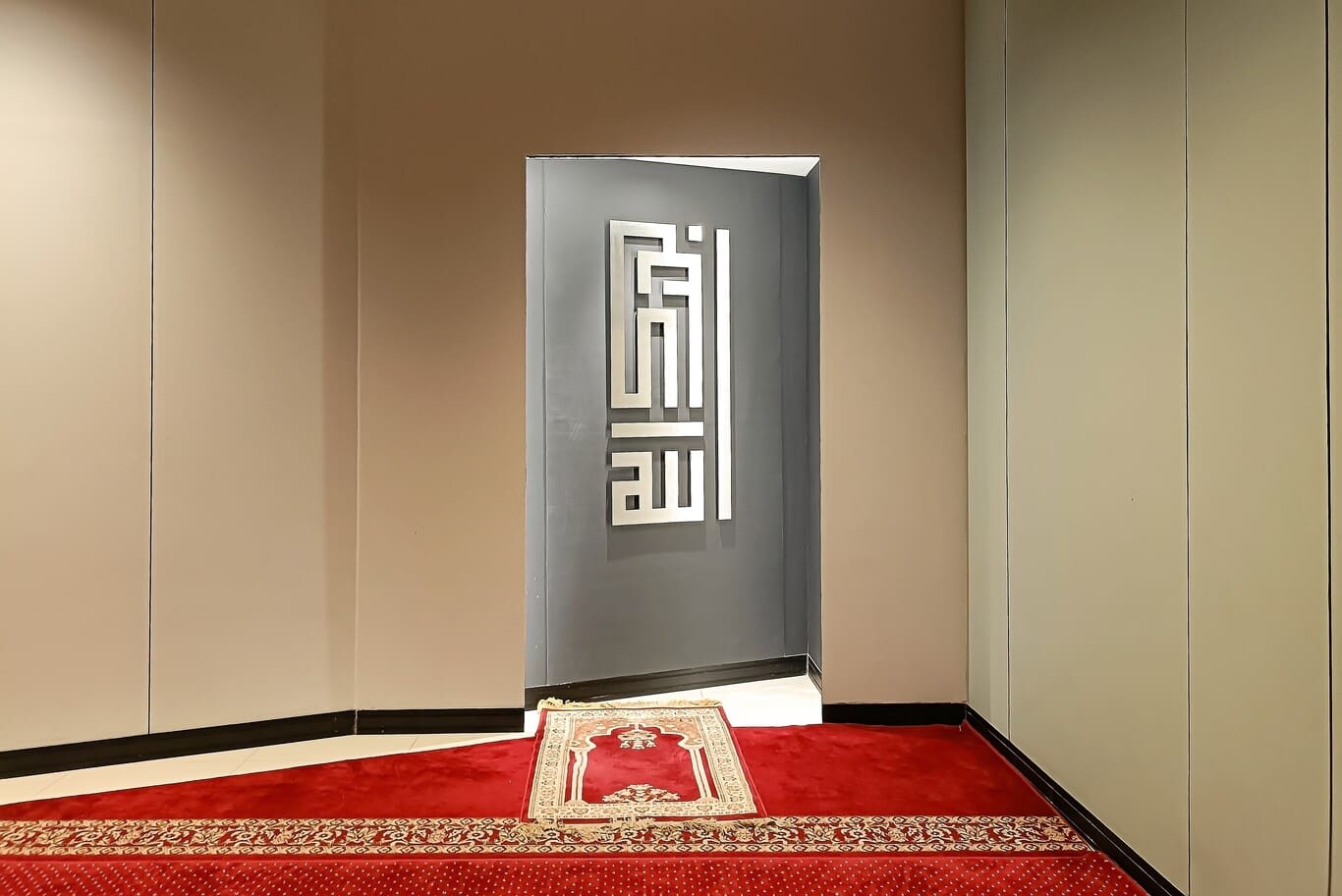
In several projects, the prayer room shares a wall with the majlis and the open lounge. A sliding screen allows it to stay open during casual family time and close off during formal gatherings. The same stone flooring and plaster finishes run through, so it reads as part of the home's vocabulary rather than an interruption.
Getting this right is not glamorous work. It is also one of the first things a family notices about a home designed by someone who understands how life in Dubai actually works.
13- The Majlis Inside the Open Plan
The majlis, the traditional receiving room, is the social centrepiece of homes across the Gulf. In contemporary open-concept layouts, it rarely occupies its own walled-off room anymore. Instead, it is folded into the lounge as a defined zone within the larger space.
This creates a specific design challenge: the majlis area needs to feel formal and self-contained enough for guest reception, while remaining visually connected to the rest of the open floor plan.
Ceiling height changes work well here. A modest drop or a change in ceiling finish overhead signals the transition. A shift in flooring material or a large-format rug anchors the zone. Furniture faces inward, oriented for conversation rather than toward a screen.
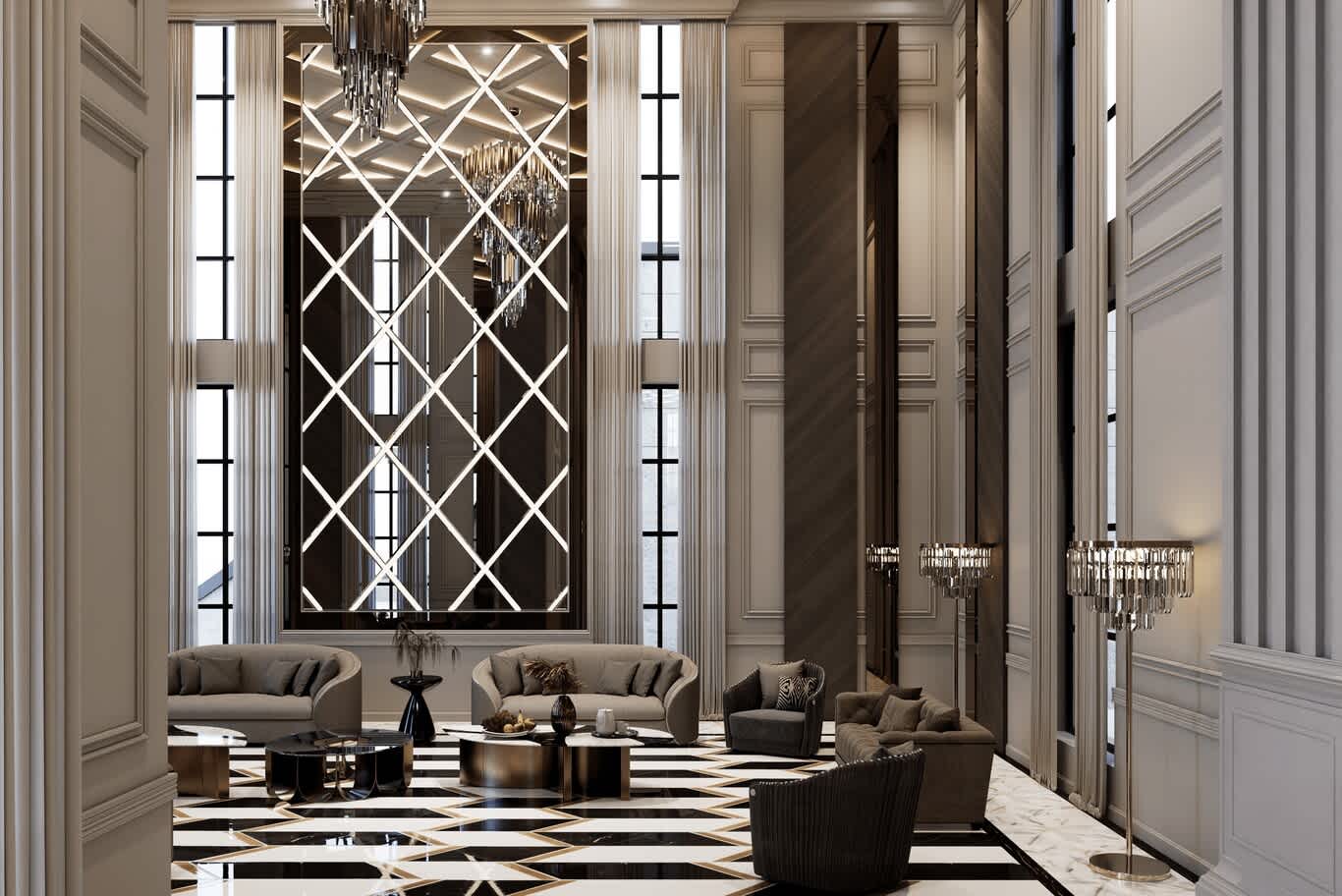
The harder question is circulation. Guests arriving for the majlis should move from the entrance to that zone without crossing through private family space. That means dedicated guest circulation, a designed path from front door to majlis that bypasses bedrooms, family living, and the working kitchen entirely.
This dual-circulation logic, guest routes and family routes running in parallel, is fundamental to residential layout in this region. It is also the detail that most clearly separates a Dubai lounge designed by someone who knows the culture from one designed by someone who just knows the trends.
14- Custom Joinery Is Doing Architectural Work
In most open-concept lounges, the joinery is doing far more than storing things. It is defining space.
A floor-to-ceiling walnut unit positioned between the lounge and dining area is not a bookshelf. It is a wall that is not a wall. On the lounge side, it might house a media system and display shelving. On the dining side, it provides a buffet surface and concealed storage for tableware. From either direction, it reads as furniture. In plan, it functions as architecture, giving each zone its own identity without breaking the visual continuity of the room.
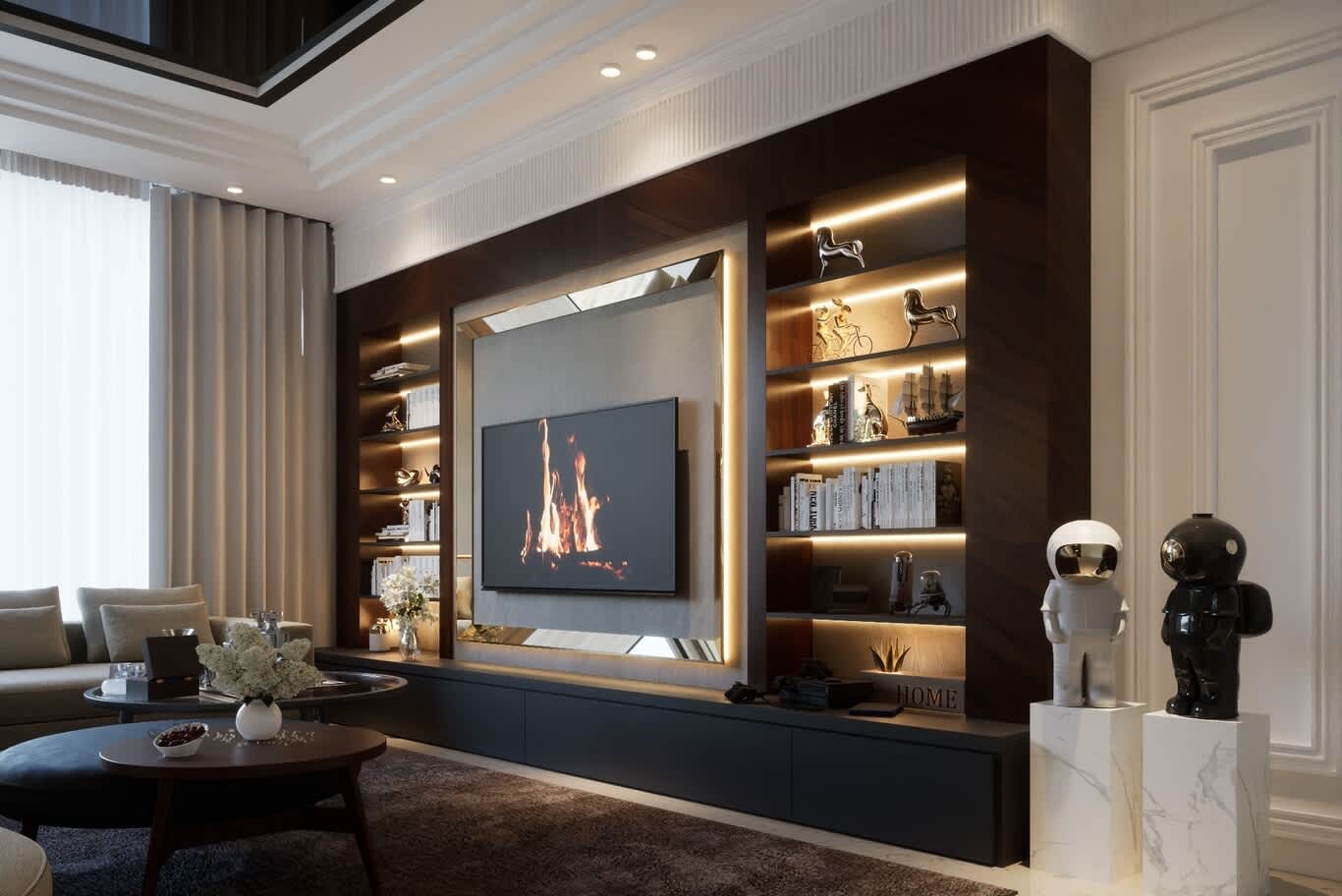
We design these pieces as part of the architectural layout, not as an afterthought added during the furnishing stage. Dimensions are driven by sightlines, ceiling heights, and duct routes. Materials are chosen to complement the flooring and wall finishes on both sides. Integrated lighting within the unit, whether back-lit shelving or recessed spots, turns the joinery into a light source that contributes to the room's evening atmosphere.
In a market where custom-built joinery is standard rather than premium, this is one of the most powerful tools available for shaping open-concept space. A well-designed unit does the work of a partition wall, a media console, a display cabinet, and a room divider, all in a single piece that looks like it was always part of the building.
For homeowners working with an existing layout rather than starting from scratch, joinery is often the fastest way to transform an open-concept lounge without structural changes. We walk through the full renovation process, from first assessment to final fit-out, in our guide to renovating your Gulf apartment with top designers.
15- What Actually Makes Them Gorgeous
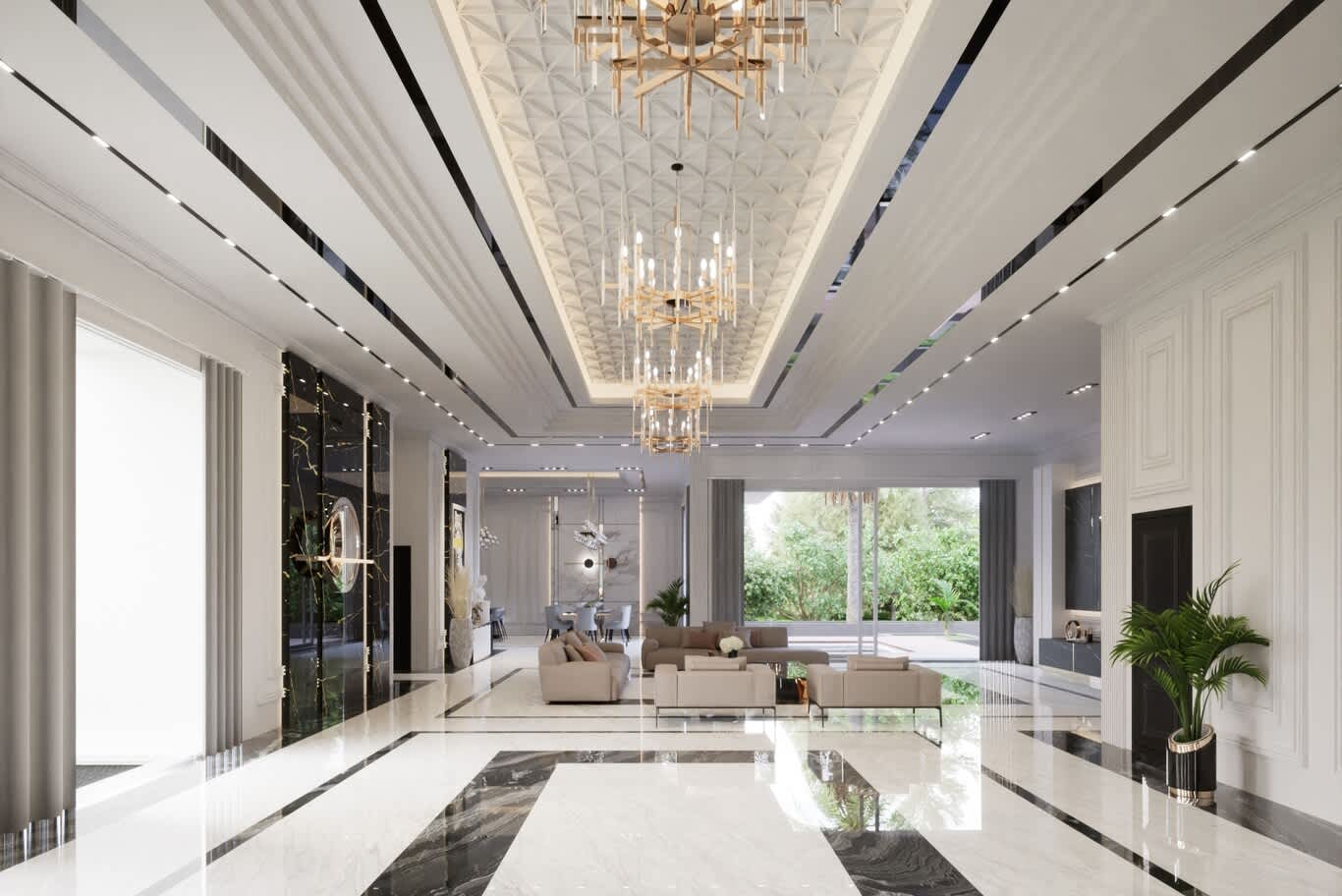
The open-concept lounges in Dubai worth admiring are not the ones with the biggest budgets. They are the ones where the orientation was planned before the floorplan, where the ceiling hides the ductwork without anyone noticing, where the furniture holds up after five summers, where the bakhoor smoke goes where it should, and where twenty-five Friday-night guests move through the space as comfortably as two people on a quiet Tuesday.
That is what gorgeous means in this market. Not marble. Not square footage. Rooms that work as well as they look, every day, every season, for years.
The Bottom Line
A gorgeous open-concept lounge in Dubai is not a style. It is a set of problems solved correctly: thermal, cultural, acoustic, spatial, under conditions that forgive nothing. The orientation has to be right. The materials have to survive the climate. The acoustics have to hold at full occupancy. The floor plan has to respect how families here actually live, receive guests, pray, cook, and gather. Miss any one of those, and the room looks great in the walkthrough and disappoints within the first year.
Get all of them right, and you have something rare: a room that a family never outgrows.
At Algedra Interior Design, this is the work we do every day. From villa lounges in Emirates Hills to penthouse living spaces in Downtown Dubai, our team designs open-concept interiors built for this climate, this culture, and the way life in the Gulf actually works, not the way it looks on a mood board.
If you are planning a new build, a renovation, or rethinking your living space from scratch, we would like to hear about it.
Book a consultation with our design team and let's talk about what your lounge should actually do, before we talk about what it should look like.
FREE CONSULTATION
TELL US ABOUT YOUR PROJECT
WE WOULD LOVE TO HEAR FROM YOU
Feel free to reach us via this contact form and one of our Design Consultants will get back to you at earliest.
OUR BRANCHES
UAE - DUBAI
+971 52 8111106 | hello@algedra.ae
TURKEY - ISTANBUL
+90 533 701 89 71 | info@algedra.com.tr
Leading Interior Design and Decor Company in Dubai and Abu Dhabi.
Algedra is a reputable, internationally recognized, and one of the most successful interior design companies in Dubai, and Abu Dhabi, which specializes in delivering interior design, architectural, and creative space planning projects throughout GCC, MENA, North Africa, Turkey and Russia.
Algedra is a one-stop solution for all your residential interior design and fit-out needs. We have successfully completed numerous villa interior and exterior design projects, where we integrated quality and originality to deliver interior masterpieces.
ALGEDRA, Interior Design Company in Dubai, is specialized in providing elegant and stunning interior design services for both residential and commercial projects. We turn our clients' dreams into reality, trans- lating their tastes and needs into beautiful and functional spaces.
Since the day we were founded, we have designed and built many branded residences, resorts, hotels, multi-purpose social spaces, and palace designs with different functions and concepts by following the ever-changing design trends over the world.
A key element of our work is a fusion of different cultures and designs, combining Greek, Italian, Eastern and Western influences with British innovation.
As a team of highly qualified interior designers and engineers, Algedra offers complete architectural services from mall design to corporate office design as well as the exterior design of any project based on customers' needs.
Our customers include leading names, we have completed diverse projects in hospitality, landscape, commercial, and residential designs. These projects contain cafes, restaurants, gym, villas, family sitting rooms, bedrooms, kitchens; all showcasing our company's exquisite details and high-end designs.
Residential Interior Design in Dubai
Algedra's interior designers and architects have an important mission: building villas, houses, apartments, condos, and anywhere else where you reside that will fulfill your needs while being structurally safe and sound.
Architectural Designs
There are so many details that go into designing an architectural design project. Every step of the project has been carefully considered for safety and daily comfort by Algedra's experts.
Commercial Design
Conceptualizing spaces for business, to elevate style, and to increase functionality to help enhance the bottom line of a company is vital, as well as employee comfort and interior design too. Our commercial interior designers translate client's concept in ways that are efficient, attractive and provide professional workspaces.
Fit-out Projects
Algedra Interiors delivering high-quality tailored fit-out projects that transform your villas, palaces and commercial spaces.
We're a passionate team of interior designers, architects and engineers. Every day we help clients to solve interior design problems and create engaging spaces!
Wherever you are in Kuwait, Saudi Arabia, Azerbaijan, Qatar, Morocco, Algeria, Tunisia, Libya, Egypt; don't hesitate, contact us to find out more about why we are one of the best interior design companies in Dubai and Abu Dhabi!