Home Page | Blog | Industrial Chic Aesthetics for Specialty Coffee Shops in Al Quoz Creative Zone
Industrial Chic Aesthetics for Specialty Coffee Shops in Al Quoz Creative Zone
1/31/2026
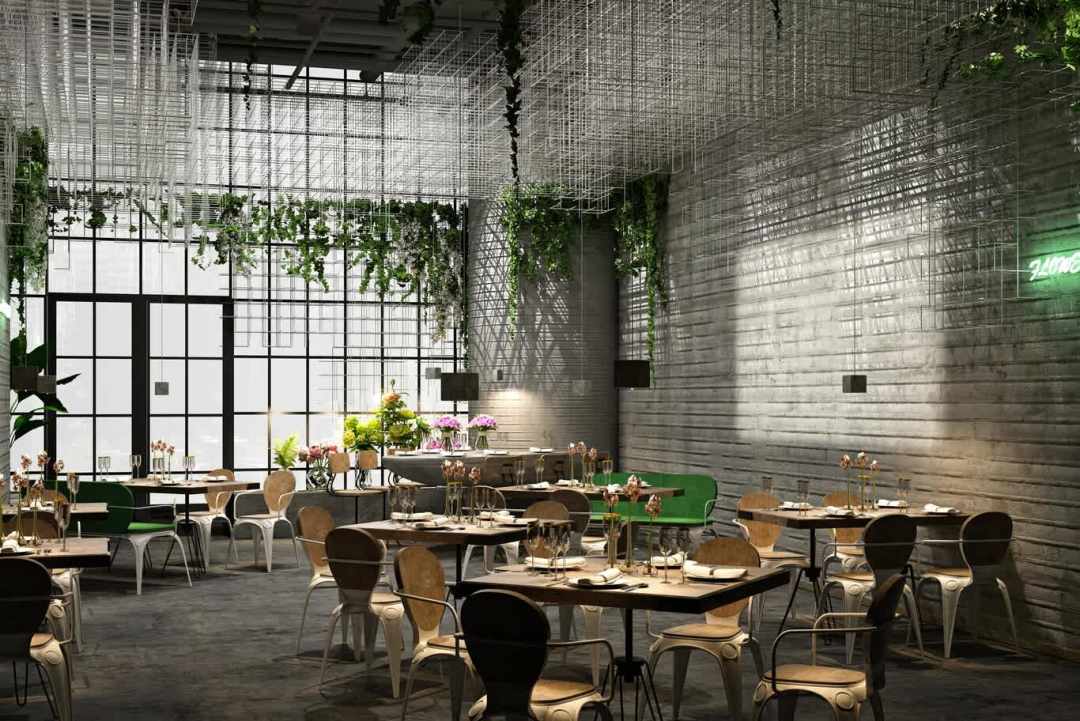
Al Quoz stands as a primary hub for the creative economy in Dubai. This district transitioned from a landscape of utility into a vibrant destination for innovators. The Al Quoz Creative Zone initiative accelerates this growth, converting massive steel and concrete shells into high-end specialty coffee shop designs. Achieving the industrial chic look in this specific context involves a focus on structural transparency and the history of the neighborhood.
1- Cultural Significance of Al Quoz
Al Quoz is a unique living industrial zone. Unlike other gentrified districts, active carpentry shops and car garages still operate next to world-class art galleries. This proximity keeps the aesthetic grounded. Specialty coffee shops here act as community hubs where artists from Alserkal Avenue and designers from the nearby studios meet.
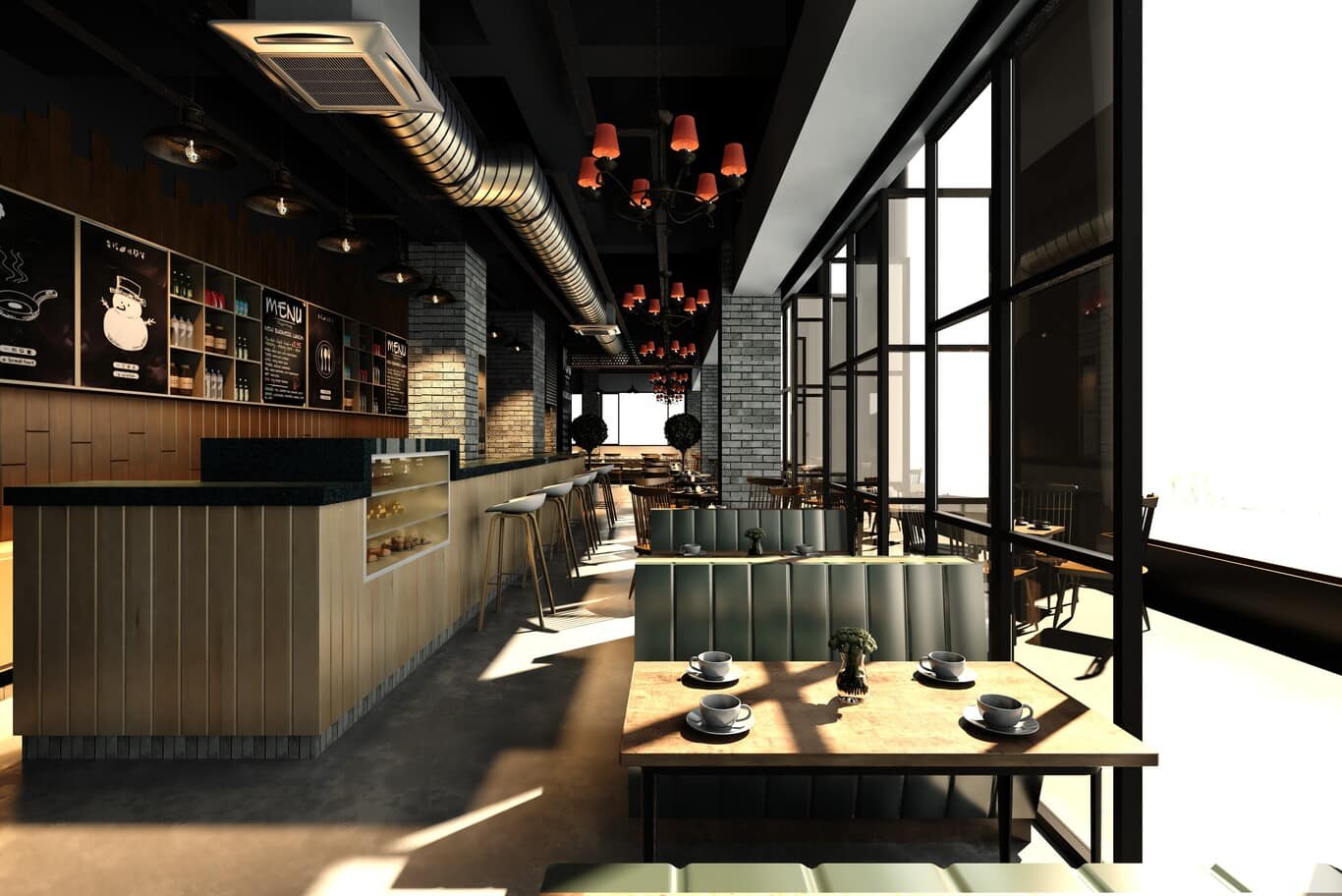
The Al Quoz Creative Zone provides specific zoning benefits for creative businesses, including simplified licensing and support for cultural events. This makes it a viable location in Dubai for a specialty coffee shop that emphasizes design and community.
2- The Impact of the Al Quoz Creative Zone Initiative
Government support has played a large role in the area's success. By designating Al Quoz as a creative zone, the city has encouraged the growth of businesses that value design. This has led to a high concentration of specialty coffee shops that push the boundaries of traditional cafe interiors.
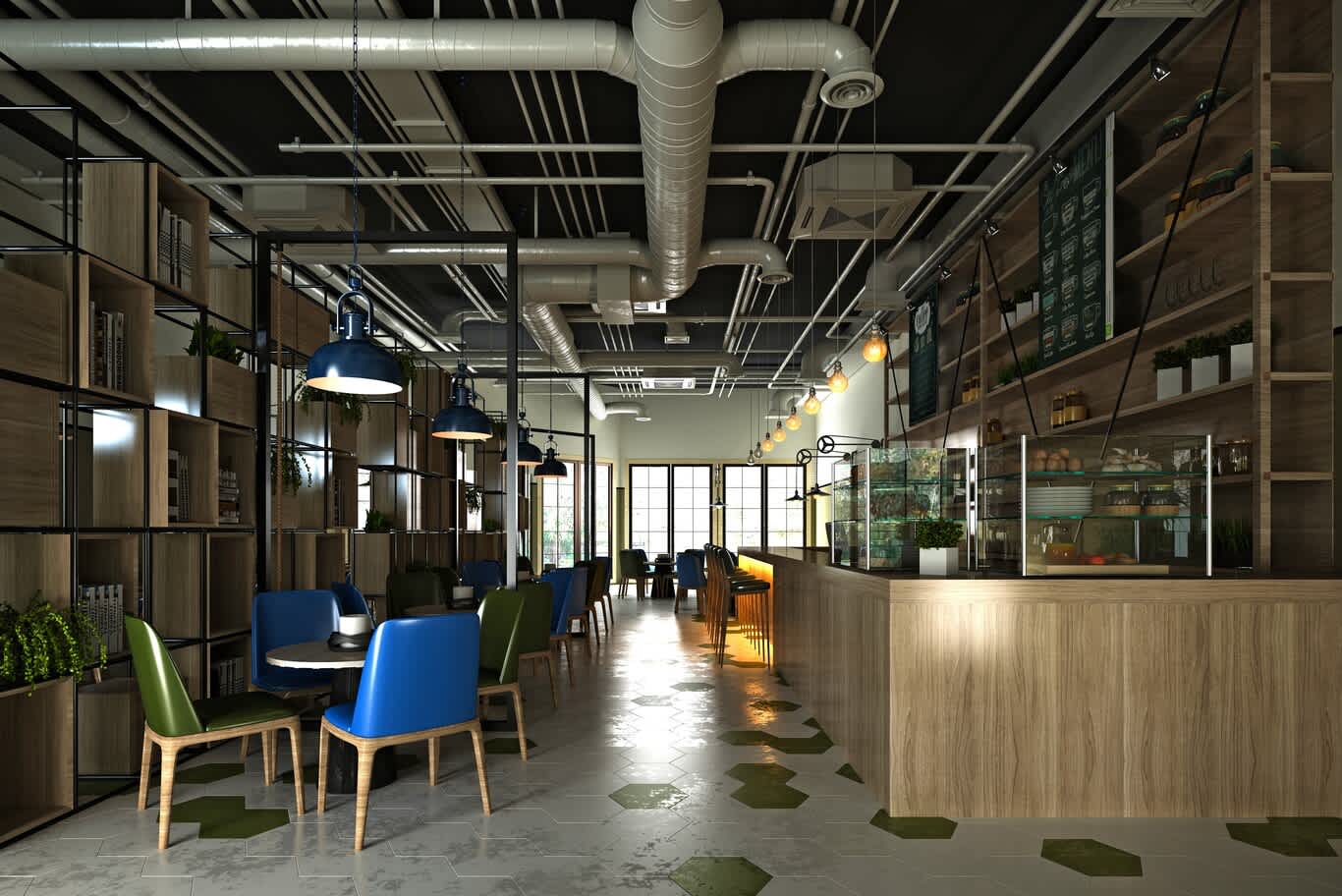
For visitors, Al Quoz offers an experience that is different from the rest of Dubai. It is a place where you can see the city's industrial past and its creative future at the same time. The coffee shops are a major part of this experience, providing spaces for people to gather, work, and enjoy high-quality coffee in a unique setting.
3- The Foundation of Industrial Design
The look begins with the warehouse itself. These structures feature high eaves and wide-span steel frames. When designing a specialty coffee shop here, the first step involves stripping back modern additions to reveal the original skeleton of the building.
Concrete flooring is a staple. Most Al Quoz warehouses come with industrial-grade concrete slabs. Polishing these surfaces instead of covering them preserves the building identity. Using a high-gloss epoxy or a matte sealant provides a sturdy surface that handles high foot traffic and heavy roasting equipment.
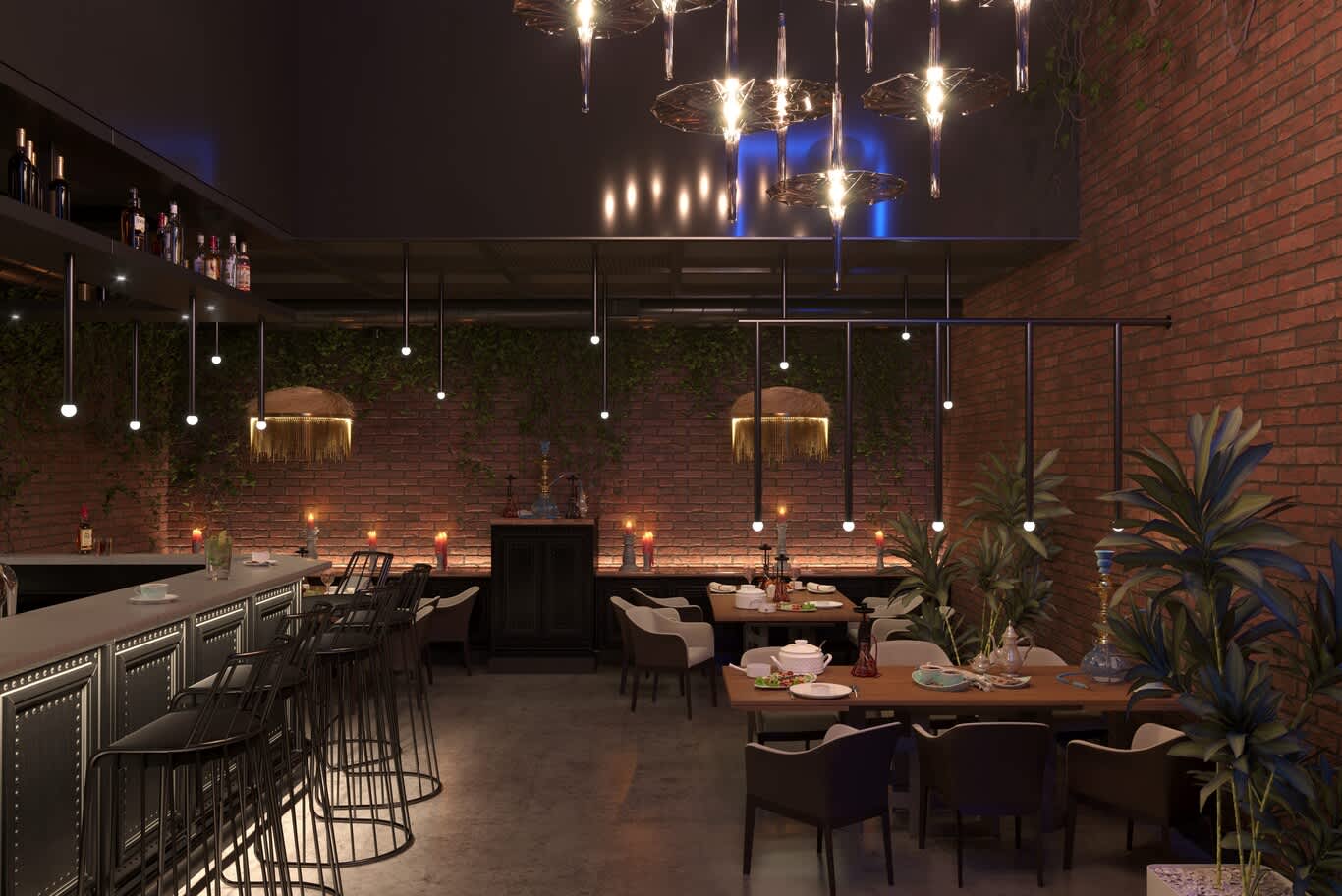
Exposed ducting and piping are also key. True industrial design leaves the inner workings of the building visible. Galvanized steel air conditioning ducts and copper water pipes become decorative elements. Painting these in contrasting matte black or leaving them in their metallic state adds visual layers to the ceiling.
Steel elements are another essential component. Custom-fabricated steel appears in many Al Quoz designs. Designers often use cold-rolled steel for bar fronts, shelving units, and mezzanine staircases. This material is sturdy and reflects the metalwork shops that still operate in the surrounding streets.
4- Lighting and Atmosphere
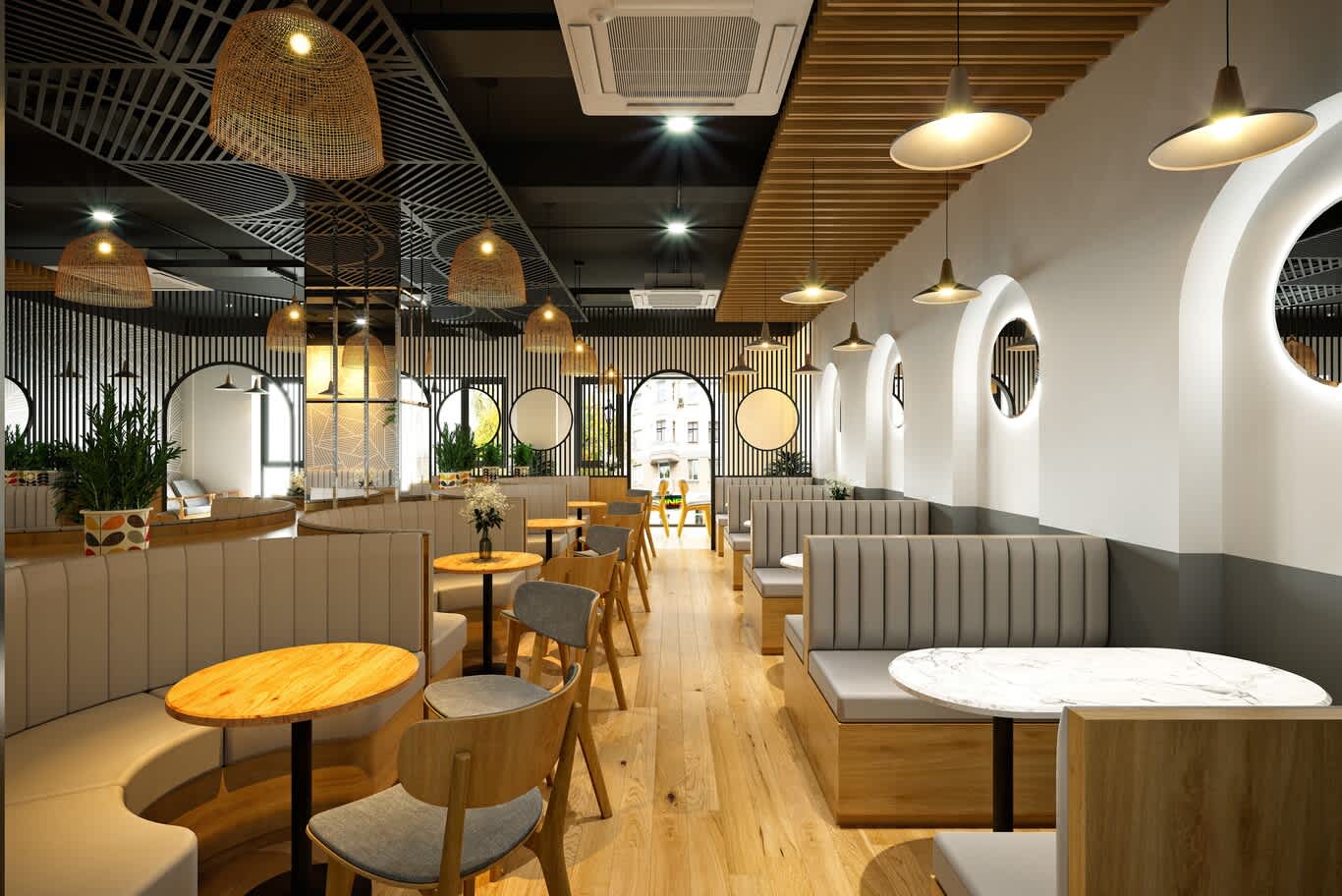
Lighting in a cavernous warehouse fulfills two roles. It illuminates the workspace for baristas and creates a welcoming glow for guests.
Natural light integration is a major factor. Al Quoz warehouses often have large roller shutter doors. Replacing these with expansive glass panels or steel-framed windows allows sunlight to flood the space. This reduces the need for artificial lighting during the day.
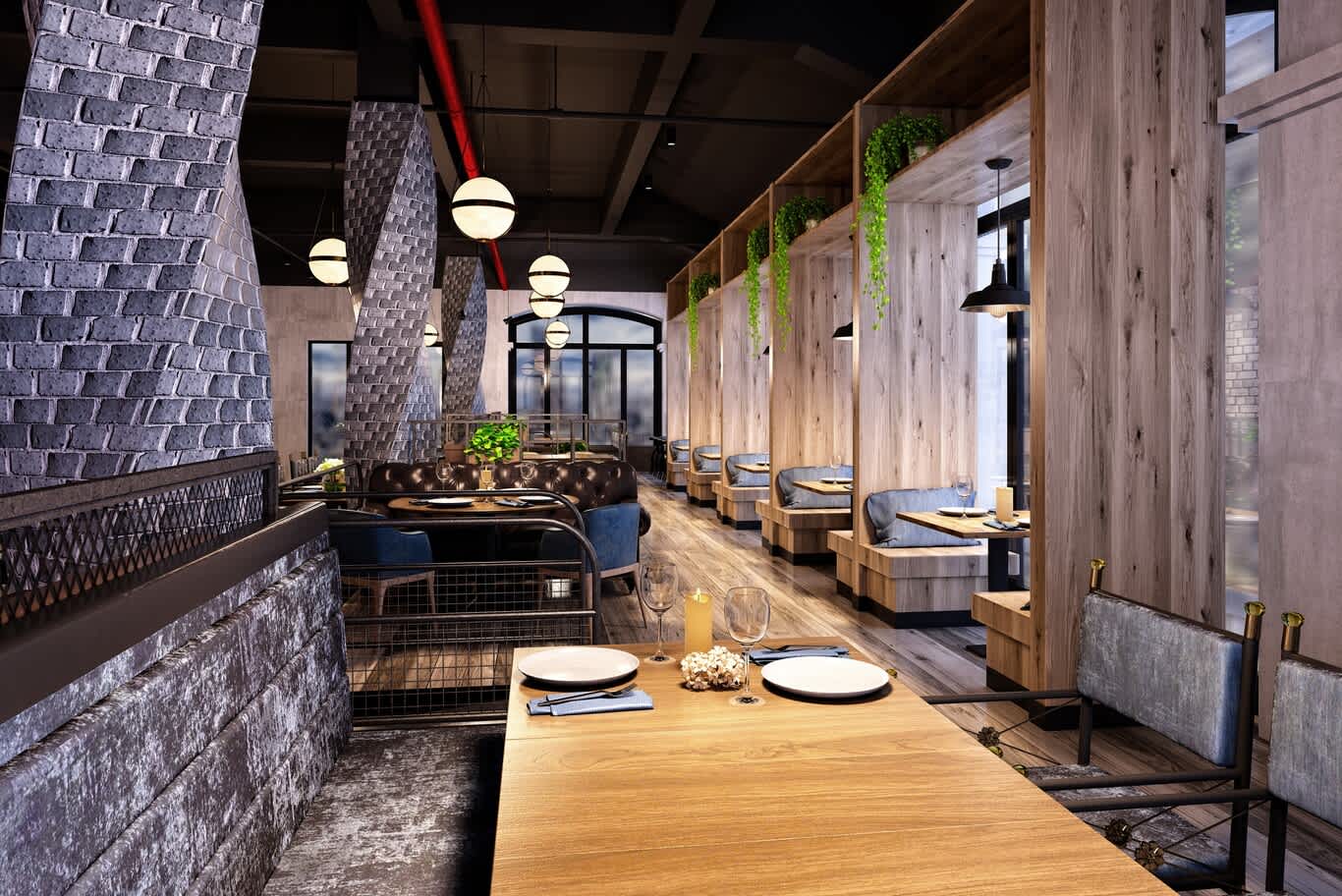
Pendant and task lighting add character. Over the coffee bar, pendant lights with filaments provide a warm, amber glow. This contrast against the cool grey of concrete makes the coffee preparation area a central focus.
Accent lighting helps define different zones. Using floor lamps or wall-mounted swing-arm lights in seating areas creates pockets of intimacy within a large, open room.
5- The Specialty Coffee Bar Setup
In Al Quoz, the coffee shop is often a roastery first and a cafe second. The design accommodates the technical requirements of specialty coffee production while remaining visually appealing.
High-end espresso machines are frequently customized to match the shop color palette. Placing the roaster in a visible location allows customers to see the bean-to-cup process. These machines, with their mechanical beauty and industrial scale, act as the primary decor.
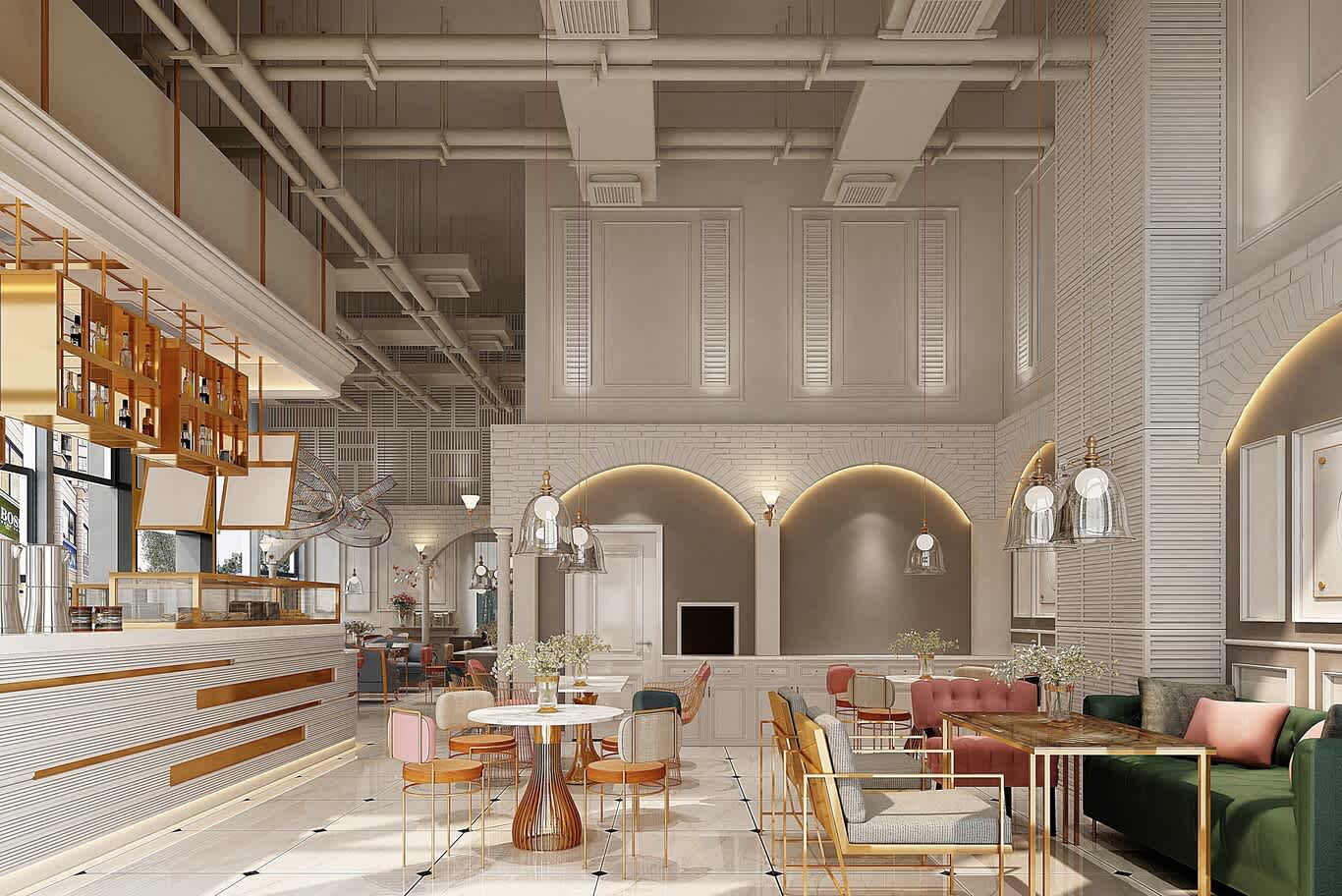
Specialty coffee shops in Al Quoz prioritize the slow bar experience. This involves dedicated sections for pour-over methods. Using materials like white marble or thick oak for the brew bar counter provides a clean, bright surface that highlights the clarity and color of the coffee.
6- Acoustic Management and Sound Design
Acoustics are a primary challenge in large-scale environments. Hard surfaces like concrete and steel reflect sound, potentially creating a noisy environment. Utilizing acoustic wood wool panels or heavy fabric upholstery on seating areas is an effective way to absorb sound. These materials add textural depth without compromising the raw aesthetic of the building.
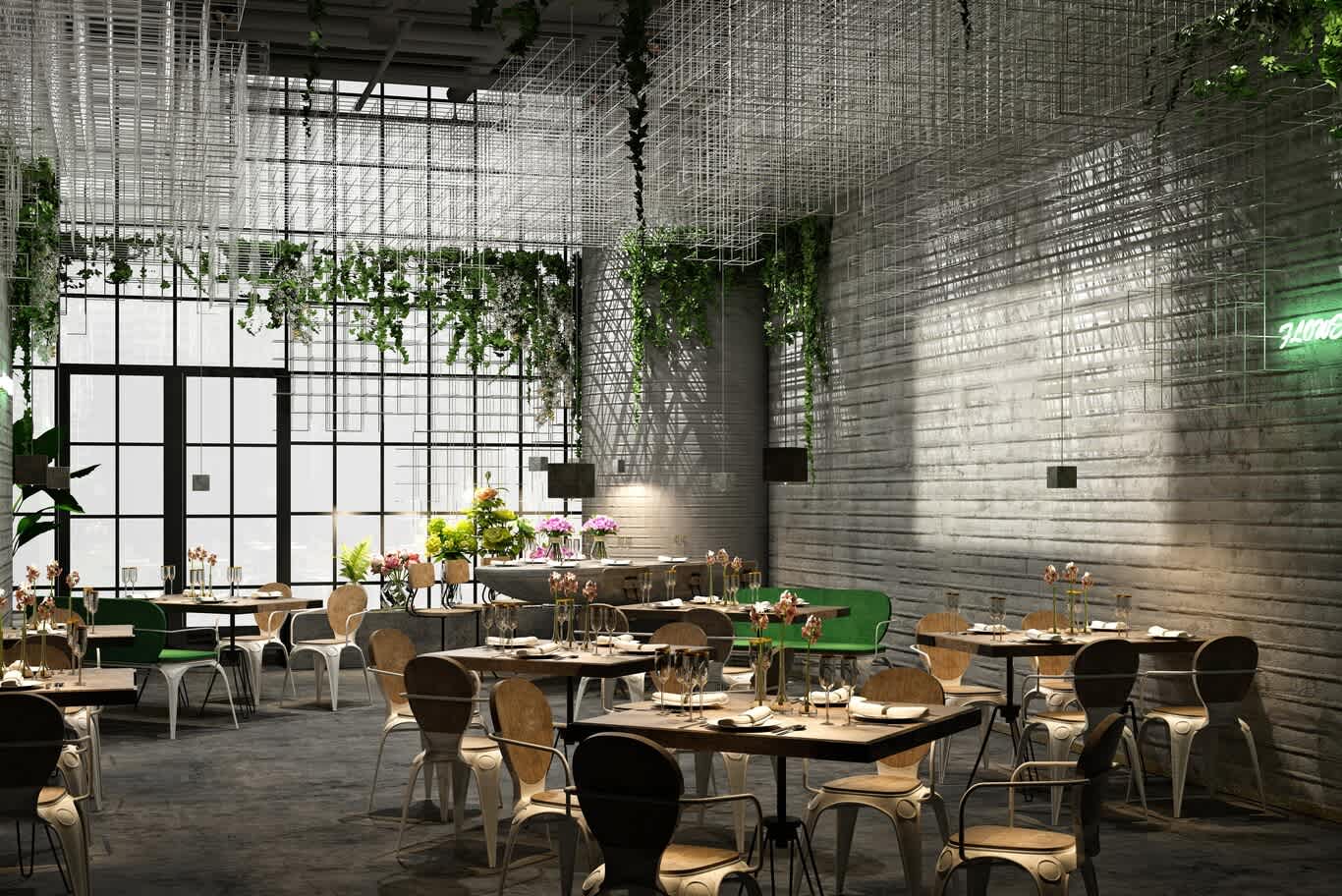
Effective sound design also includes the placement of speakers. Distributed audio systems ensure that background music remains at a consistent level throughout the cavernous space, preventing "dead zones" or areas where the volume is too loud.
7- Material Selection and Durability
Choosing the right materials for a coffee shop in Al Quoz is about longevity and style. Concrete is favored for its ability to withstand heavy machinery. Metal is used for its strength and its ability to be shaped into custom fixtures. Wood is used to bring a human element to the industrial setting.
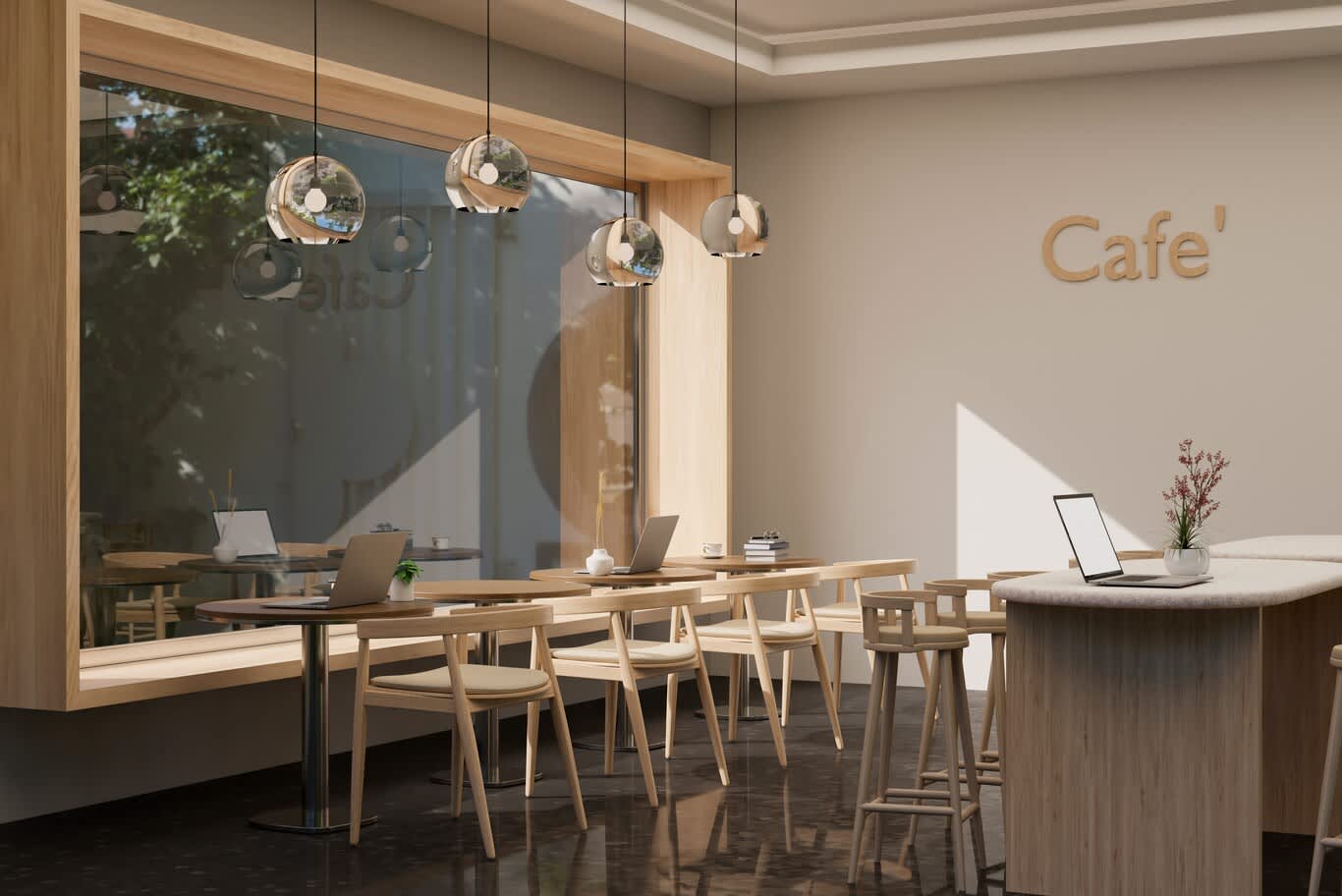
When these materials work together, they create a space that feels both modern and timeless. This is the goal of industrial chic. It is about taking what is already there and making it better through thoughtful design and high-quality construction.
8- Technical Aspects of Warehouse Conversion
Transforming a warehouse into a specialty coffee shop requires a clear strategy for MEP (Mechanical, Electrical, and Plumbing) systems. In Al Quoz, the electrical load for coffee roasting equipment and high-powered espresso machines is high. Designers must integrate these requirements into the aesthetic.
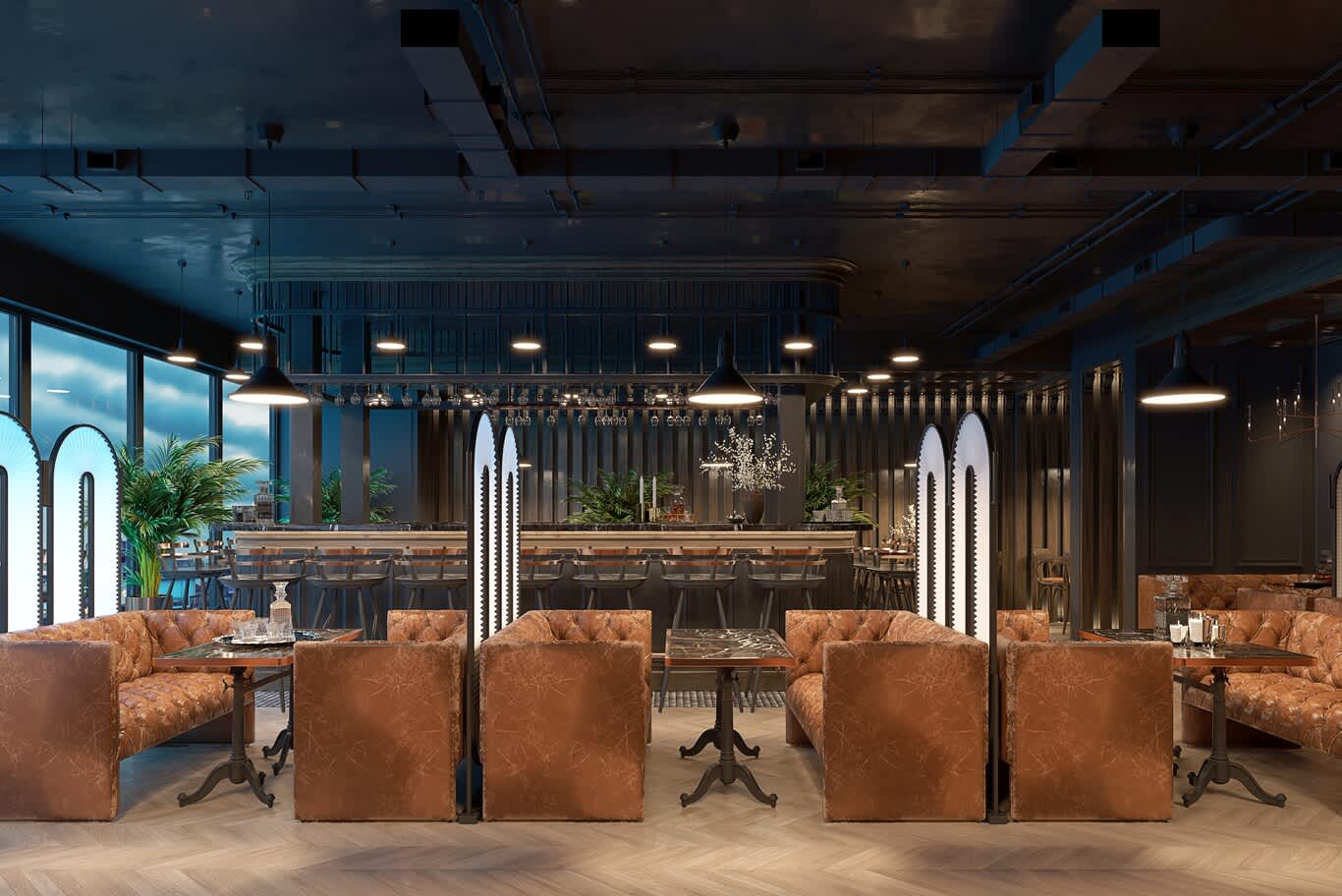
One popular method is using surface-mounted conduits. Instead of hiding electrical wires inside walls, they are run through visible metal pipes. This matches the industrial theme and allows for easier maintenance or upgrades in the future.
Plumbing for coffee bars also requires careful planning. Large drainage systems are needed for espresso machines and sinks. In many Al Quoz shops, these are installed beneath the concrete slab, with access points that blend into the floor design.
9- Custom Furniture and Bespoke Fixtures
Bespoke furniture is a hallmark of the Al Quoz coffee scene. Local fabricators work with designers to create pieces that fit the large proportions of warehouse spaces.
Long communal tables made from single slabs of wood are a common sight. These tables encourage interaction and provide a sturdy surface for people working on laptops. Steel-framed chairs with leather or heavy canvas seats provide comfort while maintaining the industrial aesthetic.
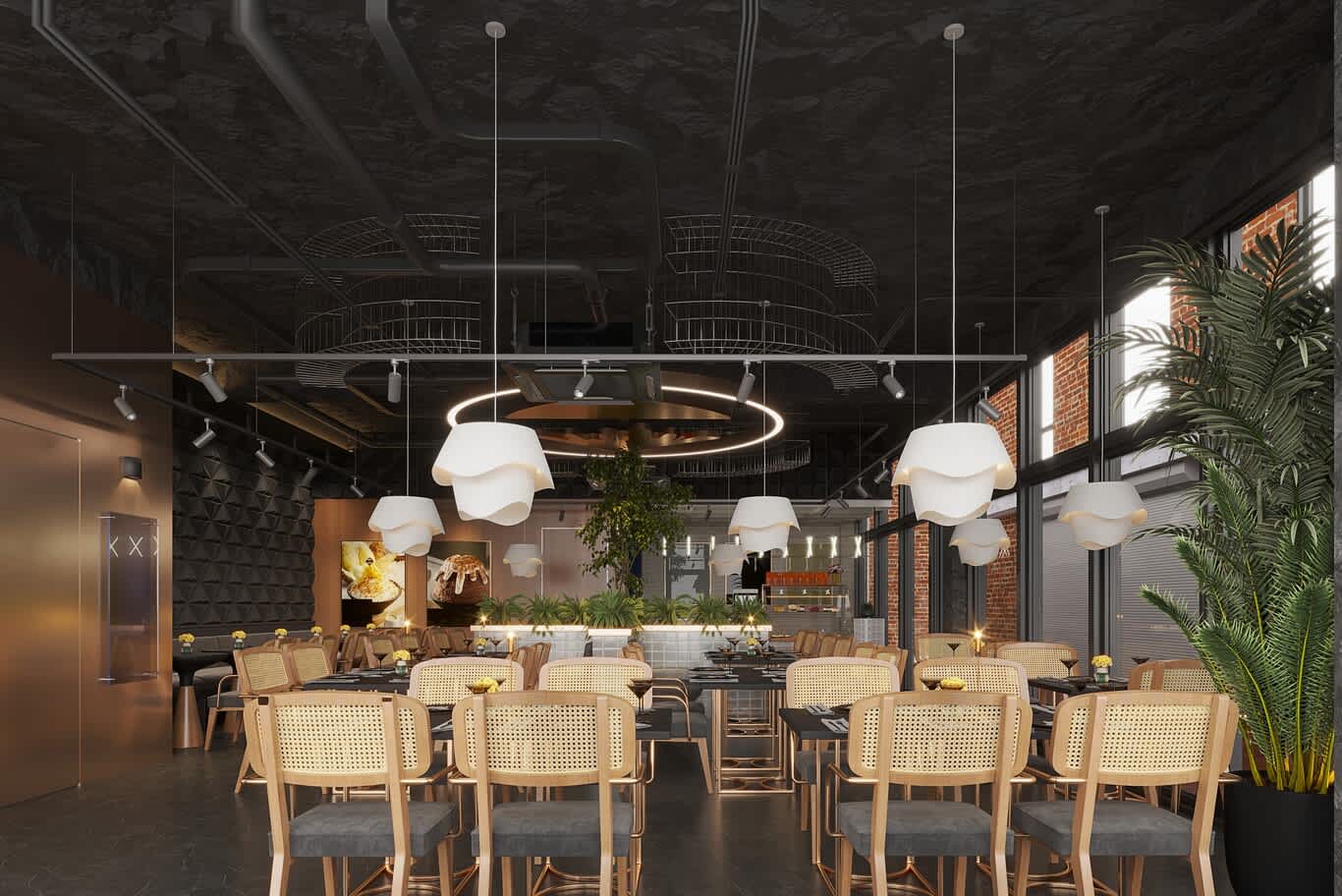
Shelving units are often made from industrial piping and reclaimed wood. These are used to display retail coffee beans, brewing equipment, and books, adding a personal touch to the large-scale environment.
10- Environmental Considerations and Sustainability
Sustainability is a growing focus in Al Quoz. Many coffee shops use recycled materials in their construction. For example, some cafes use reclaimed bricks from older buildings or repurposed wood from shipping pallets.
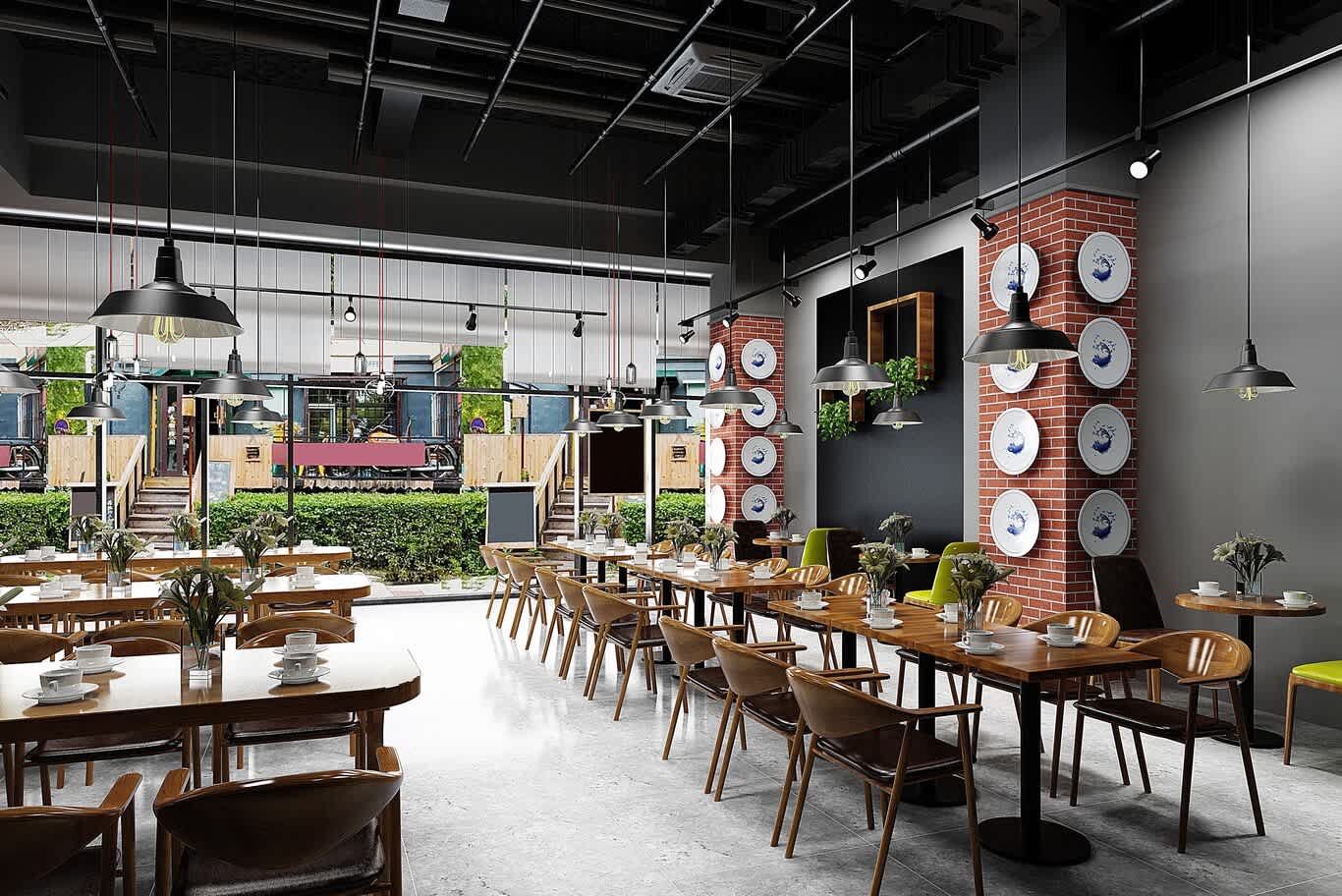
Energy-efficient lighting and AC systems are also prioritized. Because warehouses have large volumes of air to cool, using smart thermostats and high-efficiency insulation is necessary to manage operational costs and environmental impact.
11- Global Comparisons and Local Nuance
When looking at other global industrial hubs like Shoreditch in London or Brooklyn in New York, Al Quoz holds a unique position. The scale of the warehouses here is often larger, and the integration of the roasting process is more prominent. This gives Al Quoz a distinct industrial roastery aesthetic that is specific to the region.
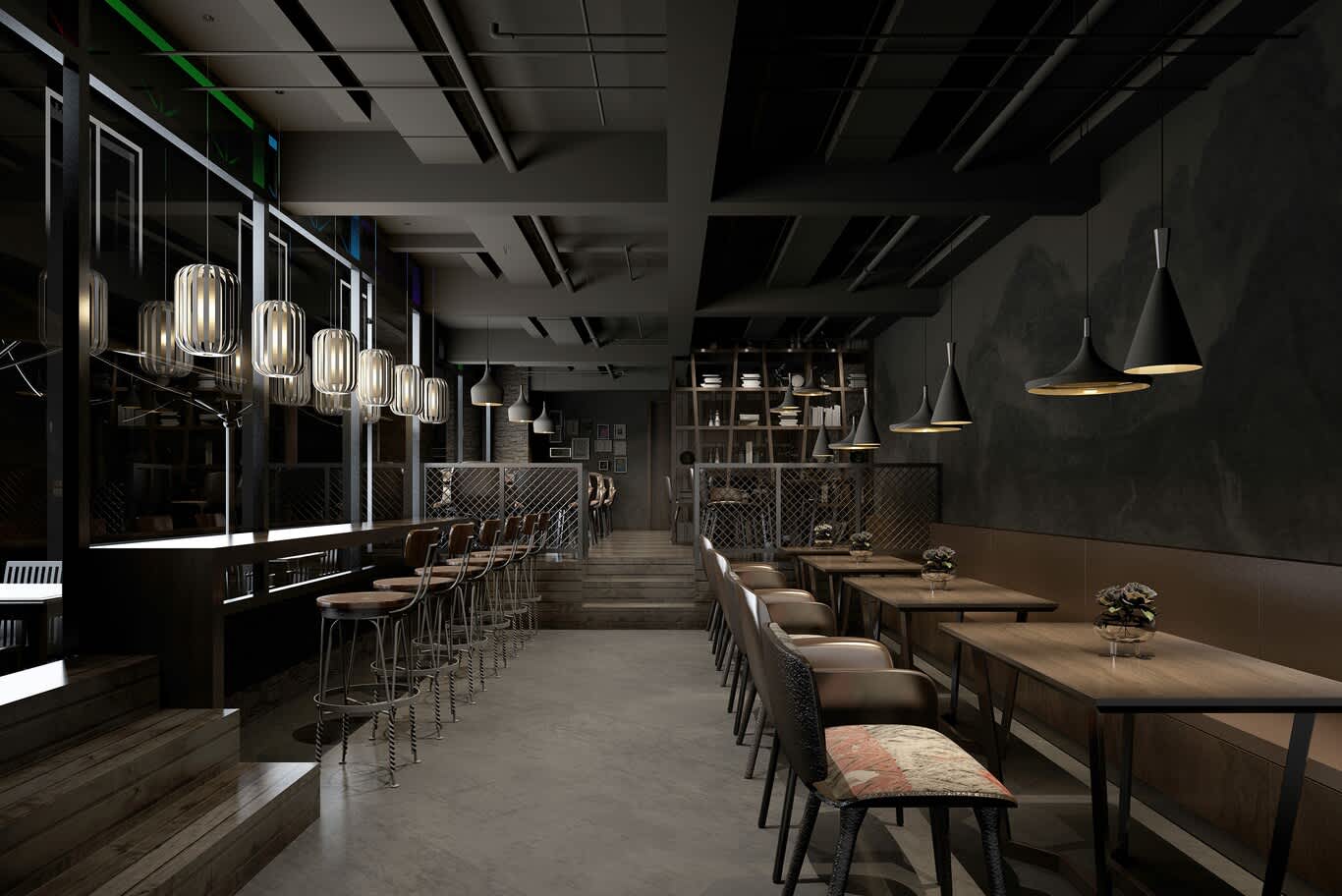
The focus on high-end materials and custom finishes also sets Al Quoz apart. While other areas might lean into a shabby-chic look, Al Quoz designers prefer a more polished and high-end industrial finish. This reflects the wider design trends in Dubai, where quality and luxury are always a priority.
12- Building Regulations and Compliance
Successfully completing a fit-out in Al Quoz requires adherence to Dubai Municipality and Dubai Culture guidelines. These regulations govern everything from fire safety to accessibility. Working with an experienced design firm ensures that the project meets all legal requirements while staying true to the creative vision of the space.
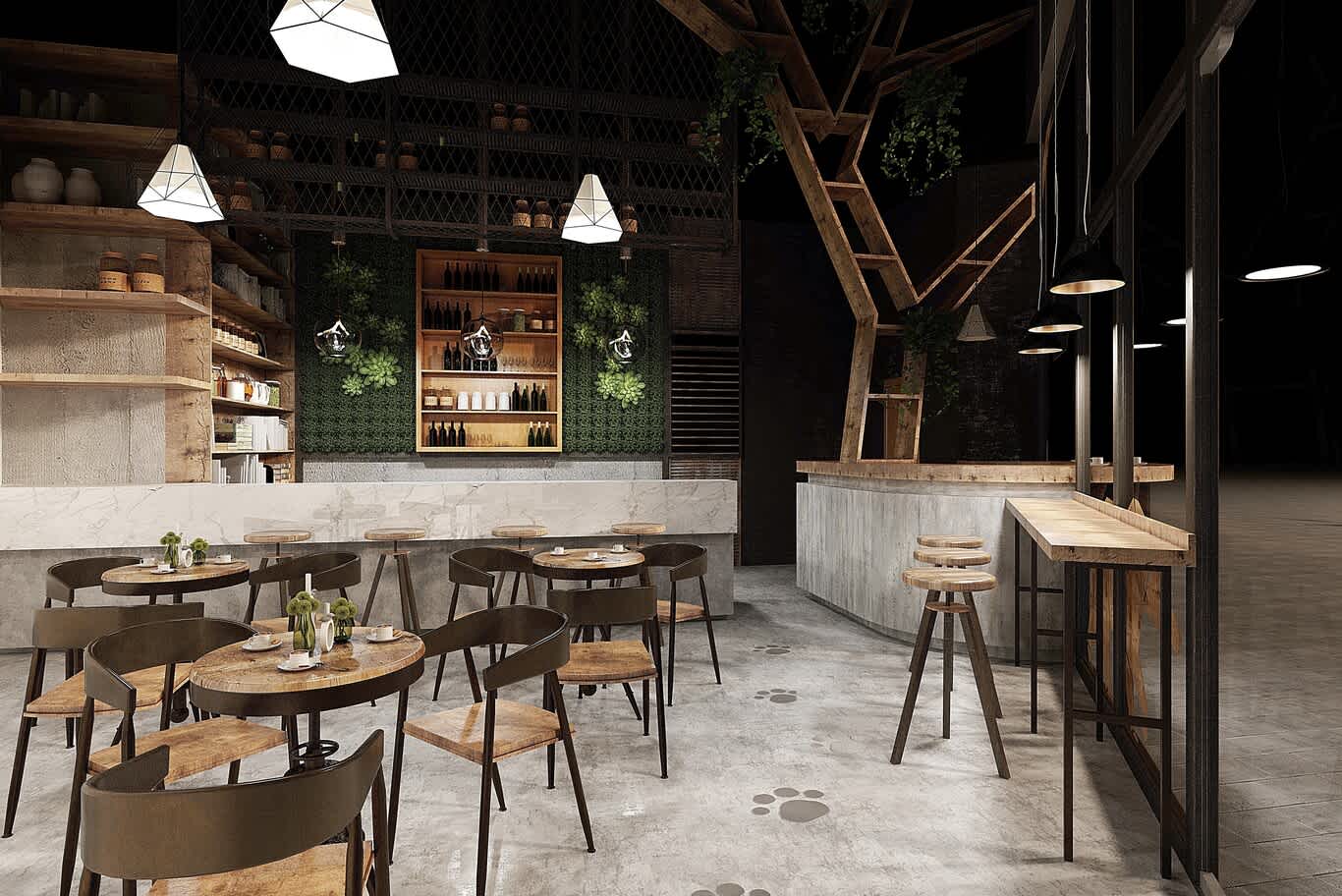
Zoning laws in Al Quoz are specific to the "Creative Zone" designation, which allows for a mix of light industrial use (roasting) and commercial use (cafe). Understanding these nuances is vital for a smooth approval process.
13- Final Technical Specifications for Fit-outs
● Warehouse Conversion Dubai involves heavy-duty structural reinforcement to support mezzanine levels.
● Industrial Interior Design focuses on the 70/30 rule, where 70% of the space remains open and 30% is allocated to service pods.
● Commercial Interior Fit-out standards in Al Quoz require high-spec ventilation to manage heat from roasting machines.
● Al Quoz Creative Zone Cafe layouts must include dedicated paths for green bean deliveries that do not interrupt the customer flow.
14- Advanced Concrete Finishing Techniques
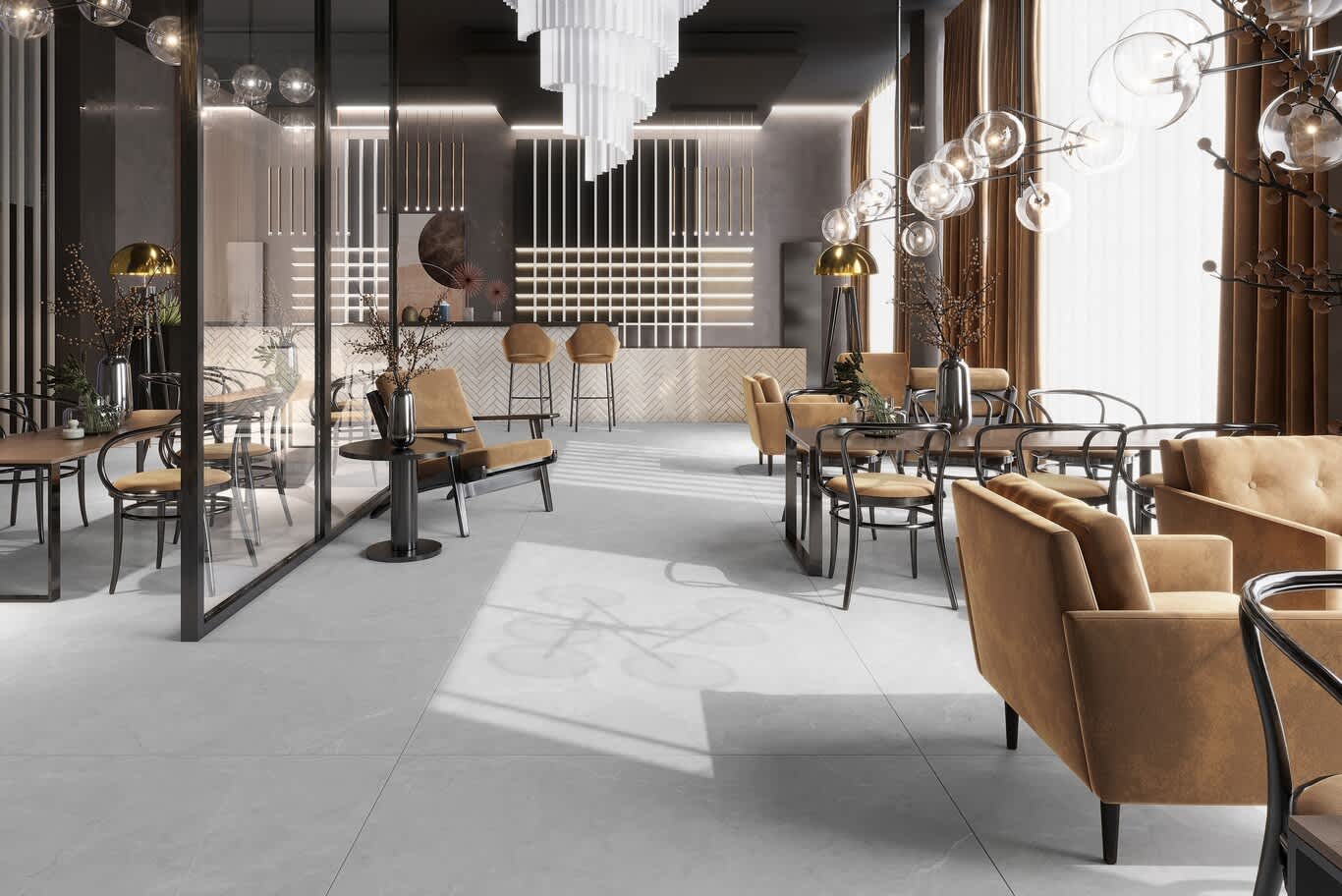
For a premium Warehouse Conversion Dubai, the floor finish is a major investment. Beyond simple polishing, some designers use "salt and pepper" grinding to reveal a specific level of aggregate. Others might stain the concrete with acid-based dyes to create a marbled, organic look. This level of detail in Industrial Interior Design ensures the floor becomes a unique feature rather than just a utility surface.
15- Signage and Visual Identity
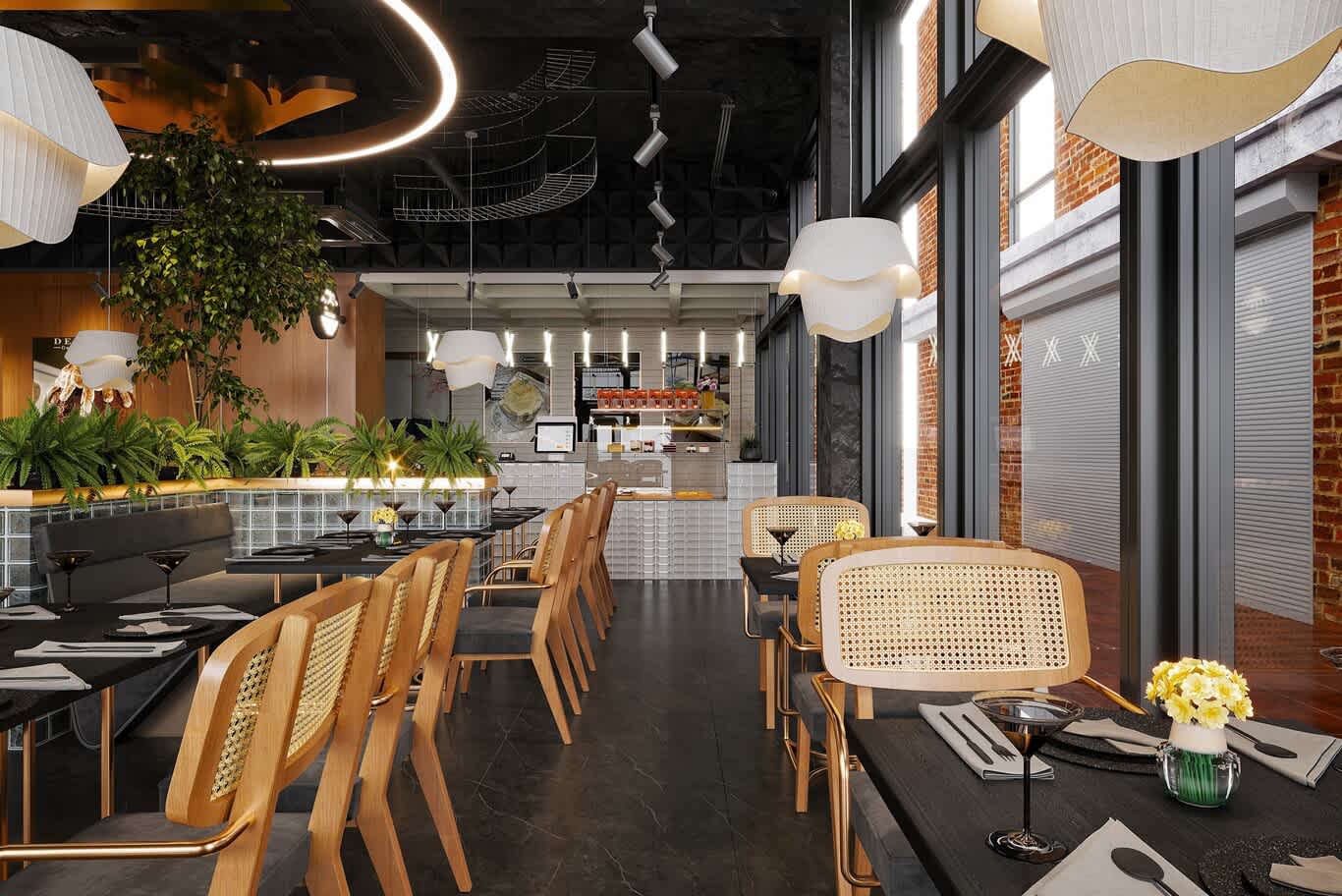
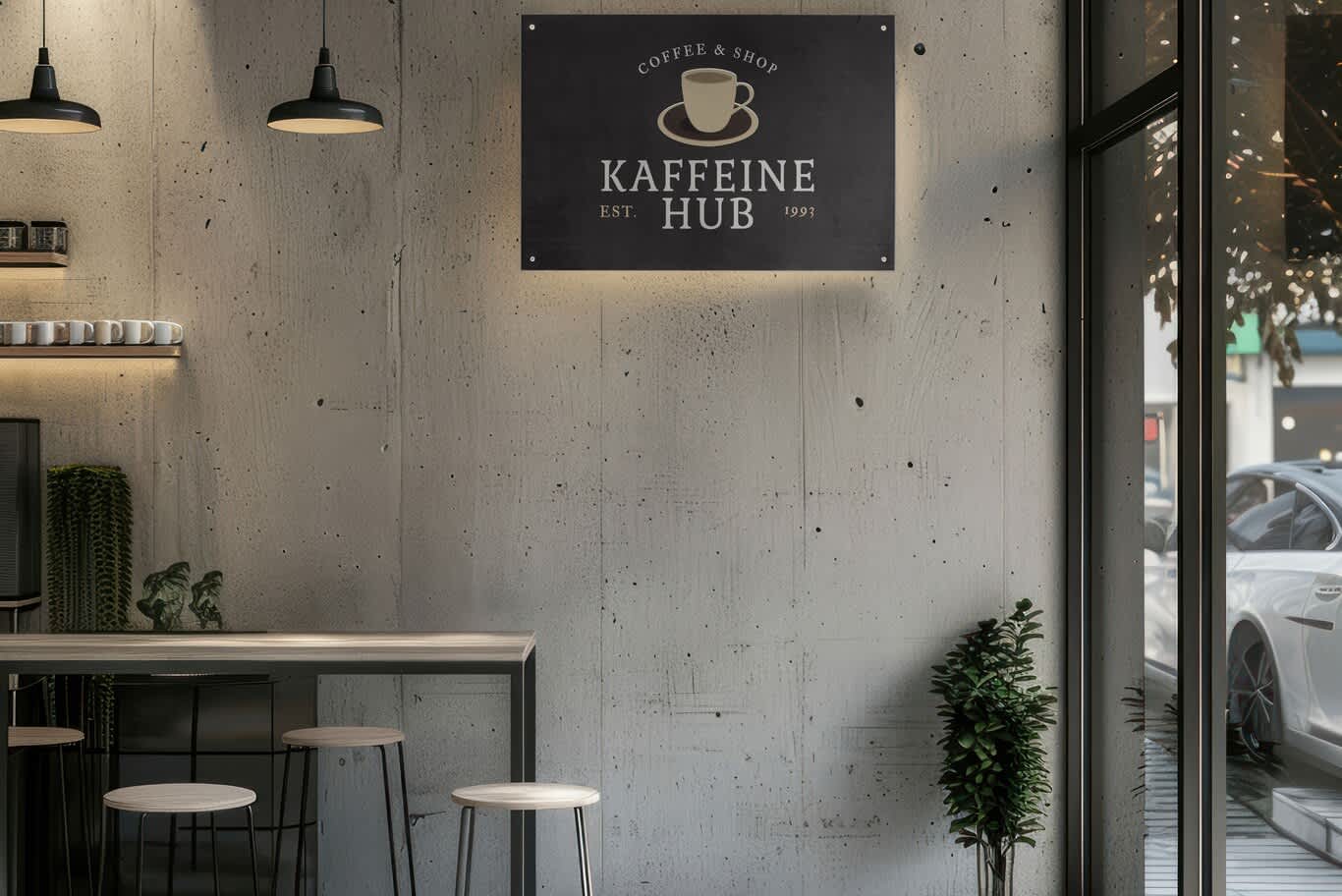
In a Commercial Interior Fit-out, signage must be bold to match the scale of the building. Large-scale hand-painted murals or laser-cut metal signs are common in Al Quoz. These elements provide clear branding while fitting the gritty, handcrafted vibe of the creative district. Exterior signage often uses back-lit "halo" lighting to make the warehouse visible during Dubai's busy evening hours.
Final Thoughts for Designers
For designers working in Al Quoz, the key is to respect the original building while pushing the boundaries of what a coffee shop can be. Use the height to your advantage, experiment with raw materials, and always keep the technical needs of the coffee at the forefront of the design.
By doing so, you create a destination that adds to the rich cultural fabric of the Al Quoz Creative Zone.
Check our restaurant & cafe interior design services to find out more!
FREE CONSULTATION
TELL US ABOUT YOUR PROJECT
WE WOULD LOVE TO HEAR FROM YOU
Feel free to reach us via this contact form and one of our Design Consultants will get back to you at earliest.
OUR BRANCHES
UAE - DUBAI
+971 52 8111106 | hello@algedra.ae
TURKEY - ISTANBUL
+90 533 701 89 71 | info@algedra.com.tr
Leading Interior Design and Decor Company in Dubai and Abu Dhabi.
Algedra is a reputable, internationally recognized, and one of the most successful interior design companies in Dubai, and Abu Dhabi, which specializes in delivering interior design, architectural, and creative space planning projects throughout GCC, MENA, North Africa, Turkey and Russia.
Algedra is a one-stop solution for all your residential interior design and fit-out needs. We have successfully completed numerous villa interior and exterior design projects, where we integrated quality and originality to deliver interior masterpieces.
ALGEDRA, Interior Design Company in Dubai, is specialized in providing elegant and stunning interior design services for both residential and commercial projects. We turn our clients' dreams into reality, trans- lating their tastes and needs into beautiful and functional spaces.
Since the day we were founded, we have designed and built many branded residences, resorts, hotels, multi-purpose social spaces, and palace designs with different functions and concepts by following the ever-changing design trends over the world.
A key element of our work is a fusion of different cultures and designs, combining Greek, Italian, Eastern and Western influences with British innovation.
As a team of highly qualified interior designers and engineers, Algedra offers complete architectural services from mall design to corporate office design as well as the exterior design of any project based on customers' needs.
Our customers include leading names, we have completed diverse projects in hospitality, landscape, commercial, and residential designs. These projects contain cafes, restaurants, gym, villas, family sitting rooms, bedrooms, kitchens; all showcasing our company's exquisite details and high-end designs.
Residential Interior Design in Dubai
Algedra's interior designers and architects have an important mission: building villas, houses, apartments, condos, and anywhere else where you reside that will fulfill your needs while being structurally safe and sound.
Architectural Designs
There are so many details that go into designing an architectural design project. Every step of the project has been carefully considered for safety and daily comfort by Algedra's experts.
Commercial Design
Conceptualizing spaces for business, to elevate style, and to increase functionality to help enhance the bottom line of a company is vital, as well as employee comfort and interior design too. Our commercial interior designers translate client's concept in ways that are efficient, attractive and provide professional workspaces.
Fit-out Projects
Algedra Interiors delivering high-quality tailored fit-out projects that transform your villas, palaces and commercial spaces.
We're a passionate team of interior designers, architects and engineers. Every day we help clients to solve interior design problems and create engaging spaces!
Wherever you are in Kuwait, Saudi Arabia, Azerbaijan, Qatar, Morocco, Algeria, Tunisia, Libya, Egypt; don't hesitate, contact us to find out more about why we are one of the best interior design companies in Dubai and Abu Dhabi!