Home Page | Blog | Major Steps To Consider In Renovating A Villa
Major Steps To Consider In Renovating A Villa
7/6/2026
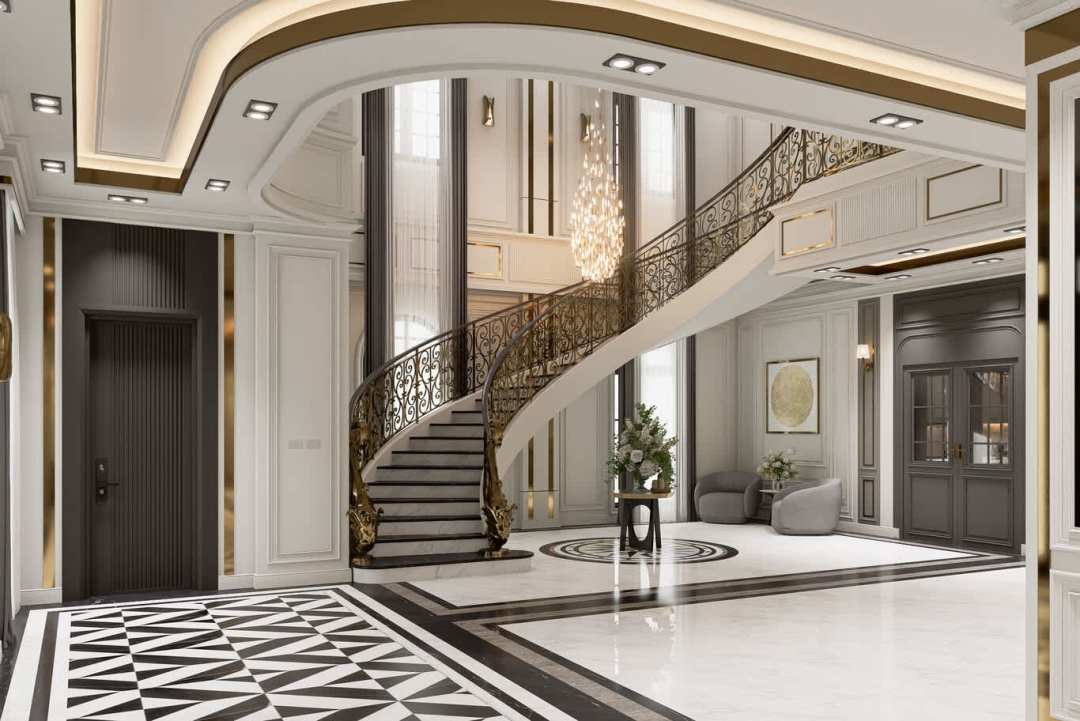
A villa renovation sits somewhere between a financial decision and a deeply personal one. Much of the region's villa stock was built between 2000 and 2015, which means a large share of homes are now old enough for ageing services, tired finishes and layouts that no longer suit how families actually live. A well-handled renovation lifts both the comfort and the resale value of the property, and the gap between a calm project and a stressful one usually comes down to the order in which decisions get made.
The steps below follow roughly the sequence an experienced design and build team would work through, from the first scoping conversation to the final styling on site. Treating them in order is the surest way to keep a villa renovation on budget, on schedule and free of the approval problems that catch so many owners off guard.
Define the Scope: Cosmetic Refresh or Structural Overhaul
The opening decision shapes every cost and timeline that follows, so it deserves real thought before a single supplier is contacted. A cosmetic renovation covers surfaces and finishes: new flooring, refaced or replaced cabinetry, updated bathrooms, repainting, fresh lighting and soft furnishings. A structural renovation reaches into the bones of the house, where walls come down or move, bathrooms are relocated, mechanical and electrical systems are replaced, and footprints are extended.
The distinction matters far beyond aesthetics. Cosmetic work can usually proceed with minimal approvals, while anything structural calls for engineered drawings, a licensed engineer's sign-off and a developer No Objection Certificate. Open-plan conversion, where a closed kitchen and formal living room become one connected space, has become the most requested change across Dubai villas, and it almost always crosses into structural territory. A measured plan for villa interior design in Dubai begins by separating pure surface work from anything that touches structure or services, because the two carry very different cost, time and compliance weights.
Intent should steer the scope as much as taste does. An owner preparing a villa for sale within a year benefits from focused, high-return upgrades that read well to buyers, while a family settling in for the next decade can justify deeper structural change that reshapes daily life. The age and condition of the property pull on the decision too, since villas built more than fifteen years ago often need mechanical and electrical replacement whether or not the owner planned for it. Naming the real goal at the outset keeps the brief honest and stops a modest refresh from quietly expanding into a full rebuild.
Set a Realistic Budget, Then Protect It
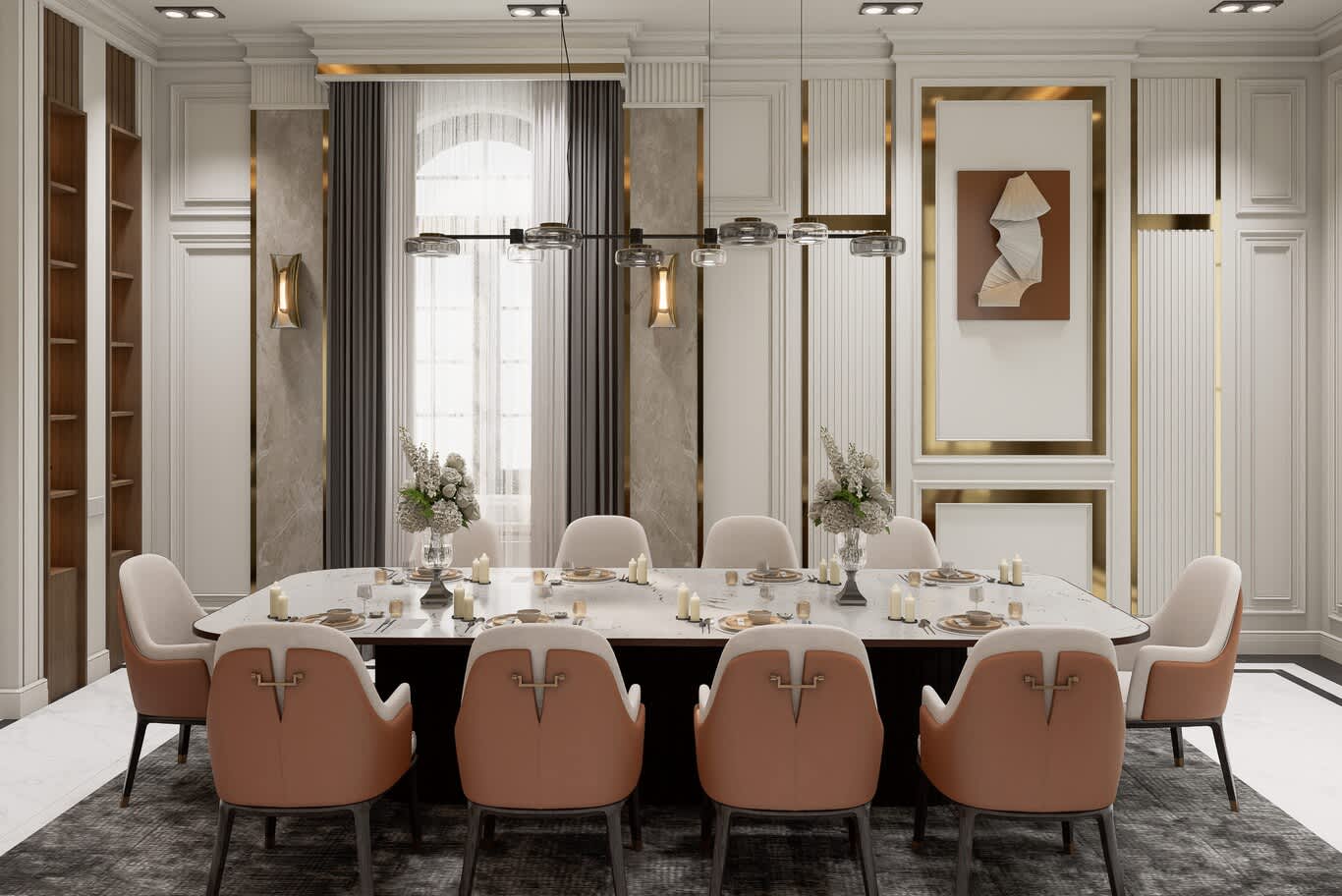
Budget sets the ceiling for ambition, and Dubai's market gives fairly consistent reference points. A cosmetic refresh of a smaller villa tends to start around AED 80,000. A mid-range project, taking in an open-plan conversion, a new kitchen, two bathrooms, smart cooling and a full repaint, commonly lands between AED 130,000 and AED 180,000. A full structural and interior overhaul of a large luxury villa can pass AED 250,000 comfortably and reach AED 1.5 million or more once extensions, premium joinery and high-end finishes enter the picture.
Once the number is set, ranking priorities keeps the project honest. Some changes carry the project, while others can wait for a later phase without much loss. Building a contingency of roughly ten to fifteen percent into the figure absorbs the surprises that older villas tend to hide behind walls and under floors. One habit protects owners more than any other: insisting on a written bill of quantities and an approved 3D design before any large deposit changes hands, which guards against vague scopes and mid-project price creep. For a broader view of how to weigh priorities and finance the work, our complete guide to renovating a home walks through the trade-offs in more detail.
Secure Approvals and Community NOCs First
Approvals are the part of a Dubai villa renovation most owners underestimate, and the part most likely to derail a timeline. Structural changes require Dubai Municipality approval, supported by architectural and MEP drawings and a structural engineer's calculations. Most gated communities, including Emaar, Nakheel, DAMAC, Meraas and Wasl developments, also require a master-developer NOC before works begin. Properties inside the Dubai Development Authority's free-zone clusters route their permits through the DDA instead, and any change to electrical load or water connections brings DEWA approval into play. Where the work touches fire systems or a full kitchen, Civil Defence clearance can apply too.
Timelines run from about two to six weeks depending on the scope, and the approval track can run in parallel with the design phase to save calendar time. The cost of skipping this stage is severe. Unpermitted structural work can trigger fines starting at AED 10,000, stop-work orders, and forced reinstatement of the property to its original condition at the owner's expense. The longer-term penalty is quieter but heavier, since the Dubai Land Department flags unauthorised modifications during a sale, which can stall a transaction for months and weaken a seller's position. Starting the paperwork early, with a contractor who holds a valid trade licence and is registered with the relevant authority, removes the single biggest source of renovation delay.
Develop the Design and Lock the Layout Before Site Work
Design is where the renovation stops being an idea and becomes a buildable document. The most useful output at this stage pairs photorealistic 3D visuals with a build-ready scope that fixes finishes, ceiling plans, wet-area configurations and exact MEP points. Locking that scope before drawings go to an authority matters for a practical reason: drawing revisions are the most common cause of three to four week approval delays, and a fully agreed scope cuts the revision cycle dramatically.
A settled design also disciplines the bidding process. When every contractor quotes against the same detailed scope, owners receive comparable prices and far fewer variation claims once work starts. Coordinating architecture, interiors and services together at this point, ideally under one residential architectural design team, prevents the clashes that appear when separate firms hand drawings back and forth. The hours spent resolving the layout on screen are the cheapest hours in the entire project.
Follow the Renovation Sequence on Site
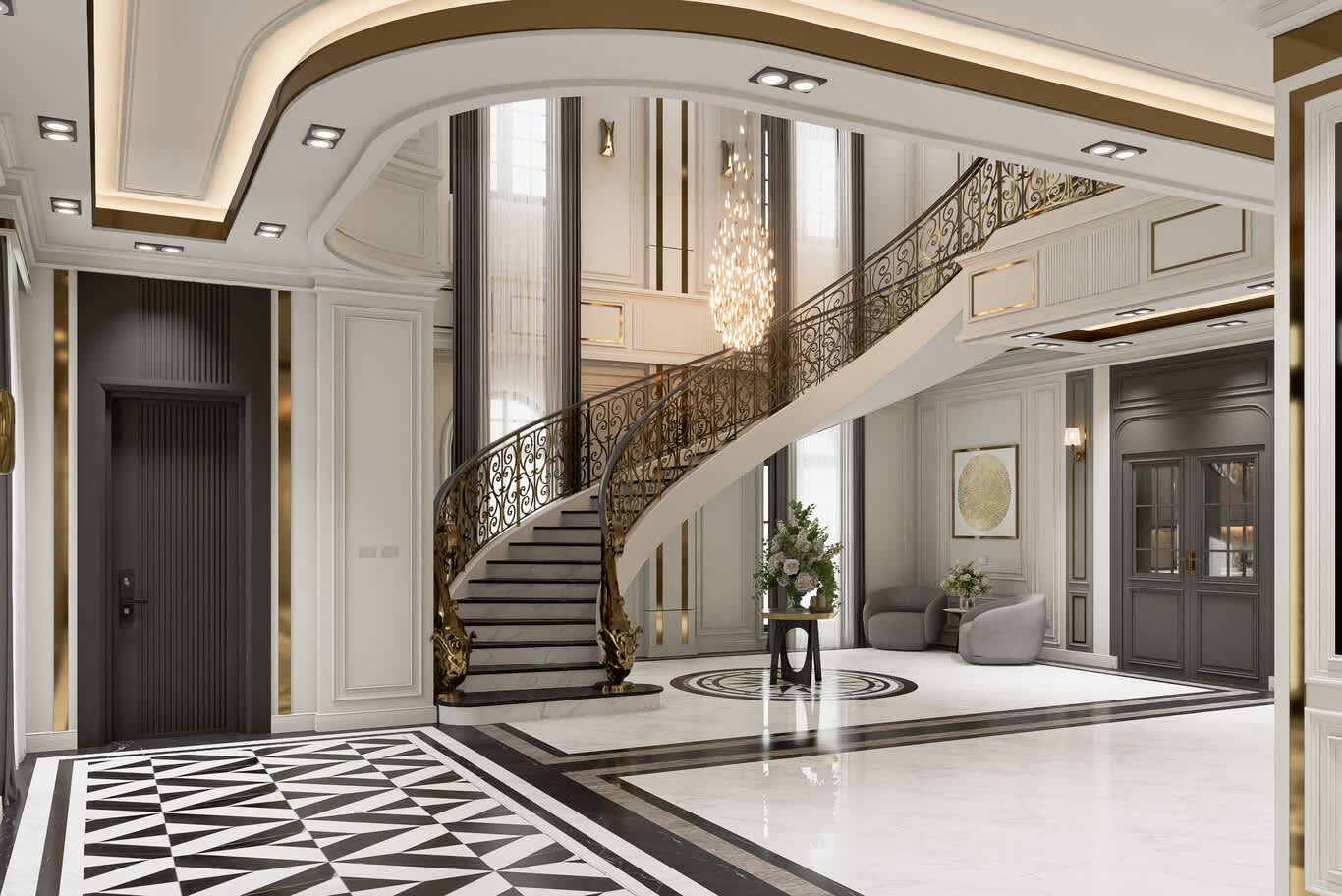
Site work obeys an order, and respecting it protects both quality and budget. The build sequence on a typical Dubai villa runs from demolition and structural works, through MEP rough-ins, plastering and screeding, first-fix carpentry, tiling, second-fix mechanical and electrical, painting, joinery and kitchen installation, and finally styling and handover. Skipping ahead, or letting trades overlap carelessly, creates rework that erases any time supposedly saved.
The critical path almost always runs through two points: permit approvals and the delivery of long-lead materials such as bespoke joinery, stone and imported fixtures. Ordering those items early, and building four weeks of float into the programme for communities with complex NOC processes, keeps the finish line realistic. For heavy demolition and MEP phases, vacating the villa improves both safety and the quality of the result, since dust-free, uninterrupted work delivers cleaner finishes. A complete Dubai villa fit-out shows how careful staging across these phases produces the kind of even, considered result that rushed projects rarely reach.
Reimagine the Kitchen and Bathrooms
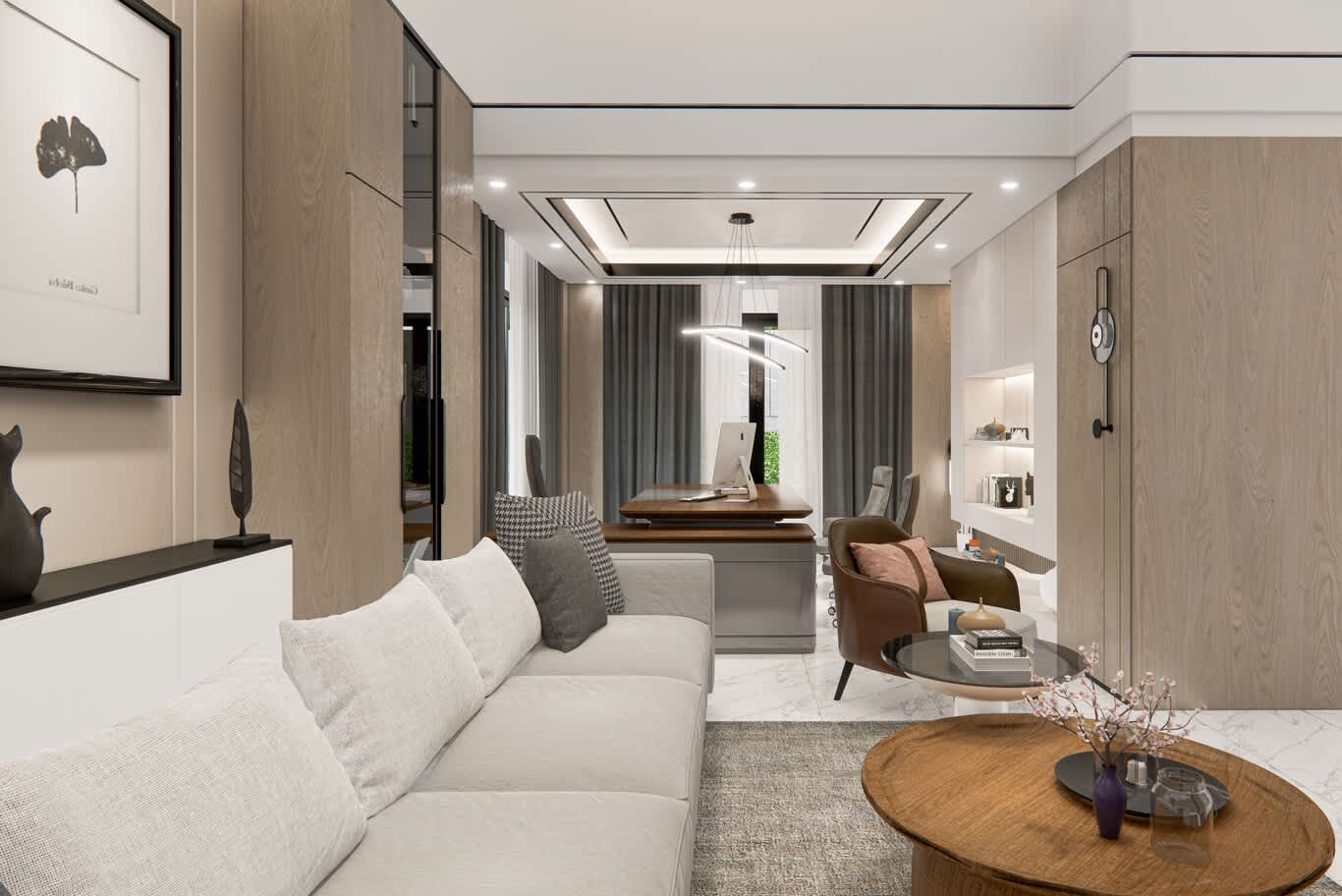
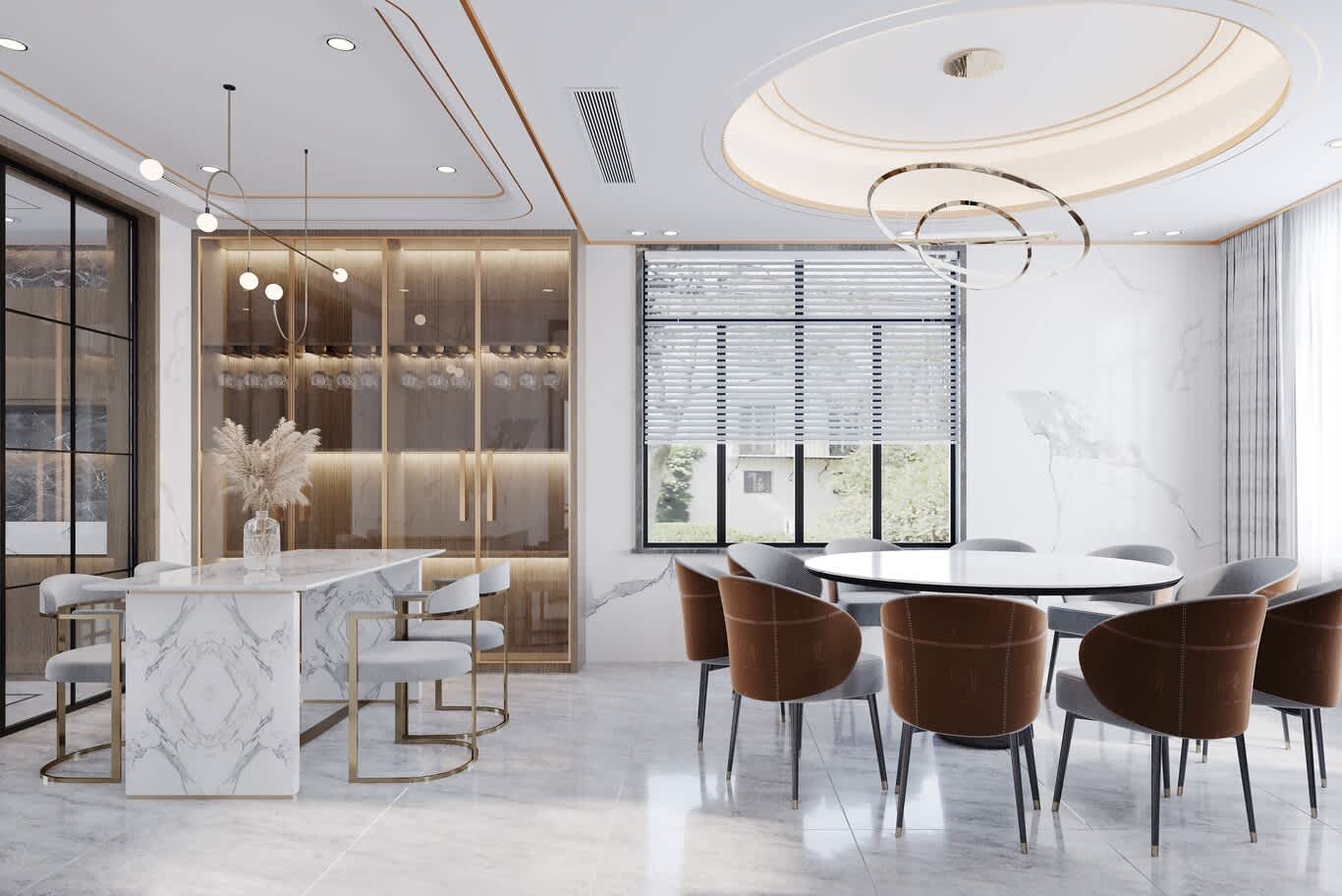
Kitchens and bathrooms carry more renovation value per square metre than any other rooms, which is why they reward careful planning. The kitchen has shifted from a closed service room to the social centre of the villa, and an open-plan layout with a generous island, quality cabinetry and integrated appliances reads as the single most desirable upgrade for both families and future buyers. Joinery quality shows immediately, so investment in well-built cabinets and durable worktops pays back in daily use and in resale appeal.
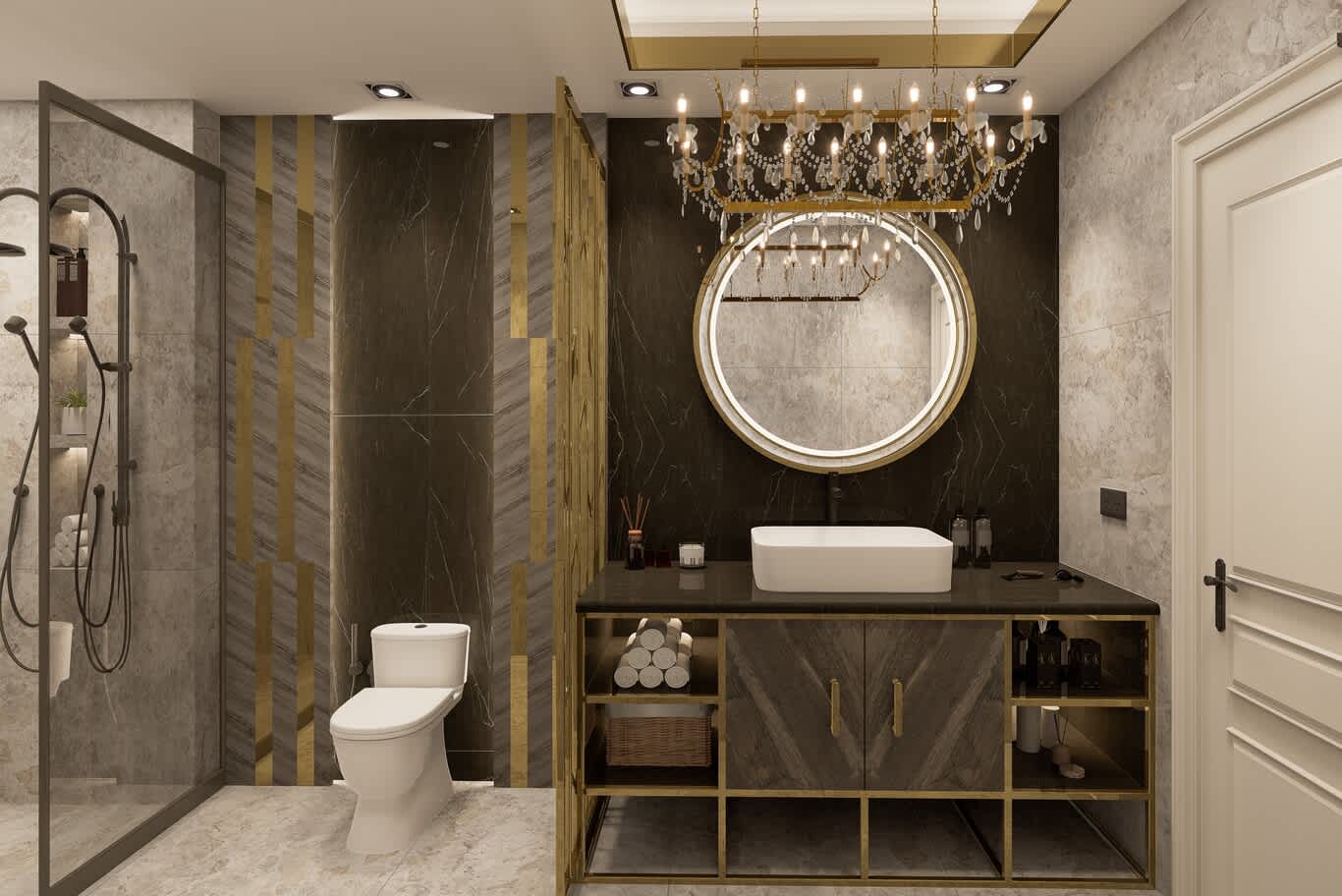
Bathrooms reward the same attention, with the added technical demand of waterproofing. Proper tanking and drainage detailing, completed before tiling, is the difference between a bathroom that holds up for fifteen years and one that fails within three. Premium fixtures, considered lighting and a spa-like material palette turn a functional room into a private retreat. Because buyers scrutinise these two spaces closely, getting them right protects the value of the whole renovation.
Material selection in both rooms deserves early attention, since stone slabs, bespoke joinery and imported sanitaryware carry the longest delivery times in the project. Confirming finishes and placing orders during the design stage keeps these high-impact rooms off the critical path, while leaving them until site work begins is one of the most common causes of a stalled programme.
Plan the Fit-Out, Finishes and Smart Systems
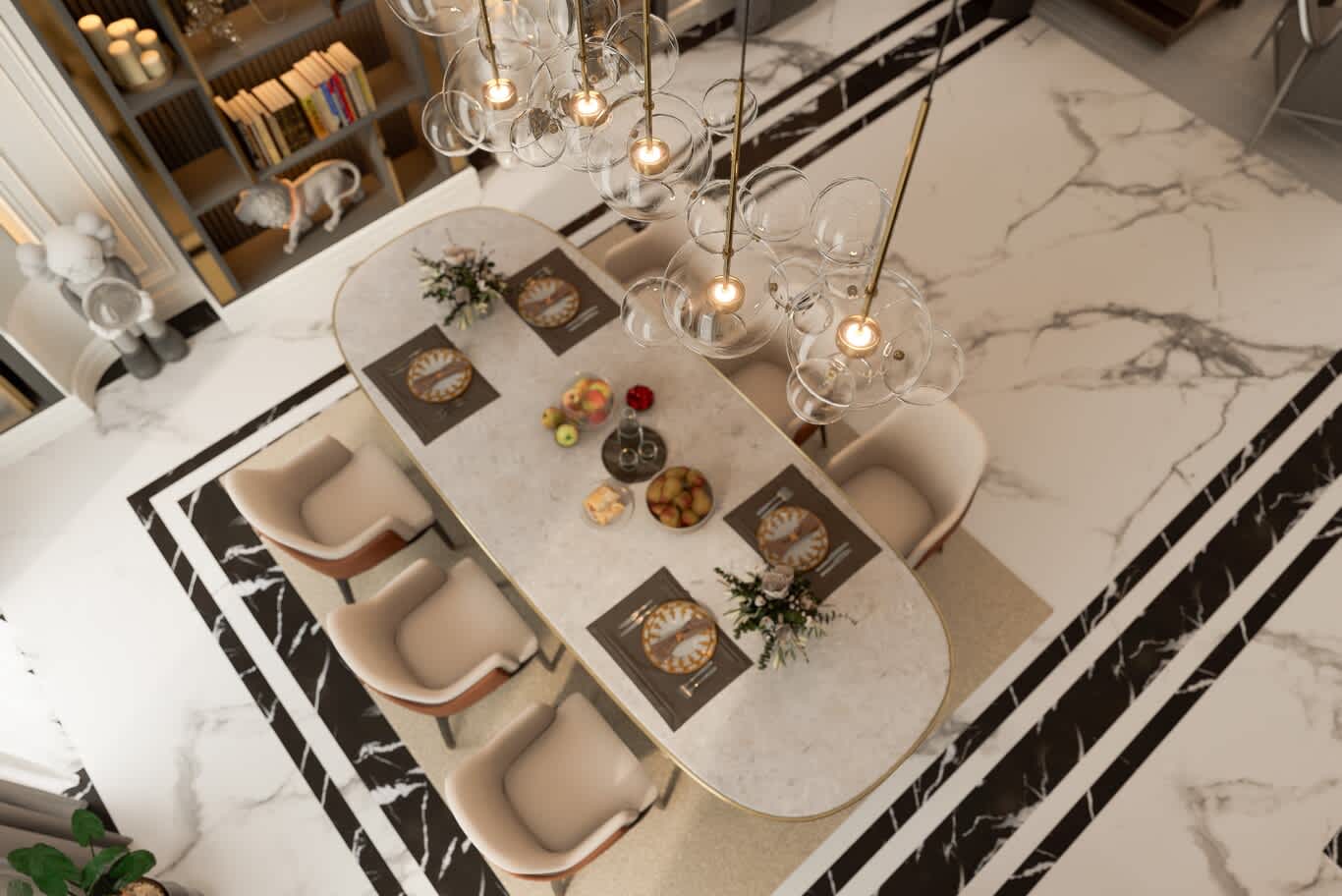
Fit-out is the phase where the villa finally takes on its character. The term covers the interior layer that sits on top of the structural shell: finishes, joinery, flooring, lighting and the integration of furniture and fixtures. A renovation can include both structural and fit-out work, while a fit-out concentrates on the interior surfaces and built elements that owners and guests actually touch and see.
Smart systems have become a standard expectation in this layer. The most requested additions across Dubai villas now include smart lighting with scene control, app-managed cooling that can cut energy bills by fifteen to twenty percent, integrated video security, and motorised blinds linked to lighting scenes. Planning the wiring and control points for these systems during the design stage avoids the cost of retrofitting later. Coordinated villa fit-out work keeps finishes, joinery and technology aligned to a single design intent, and a full villa interior implementation demonstrates how layout, materials and lighting come together when one team handles the interior end to end.
Extend the Work to the Exterior and Garden
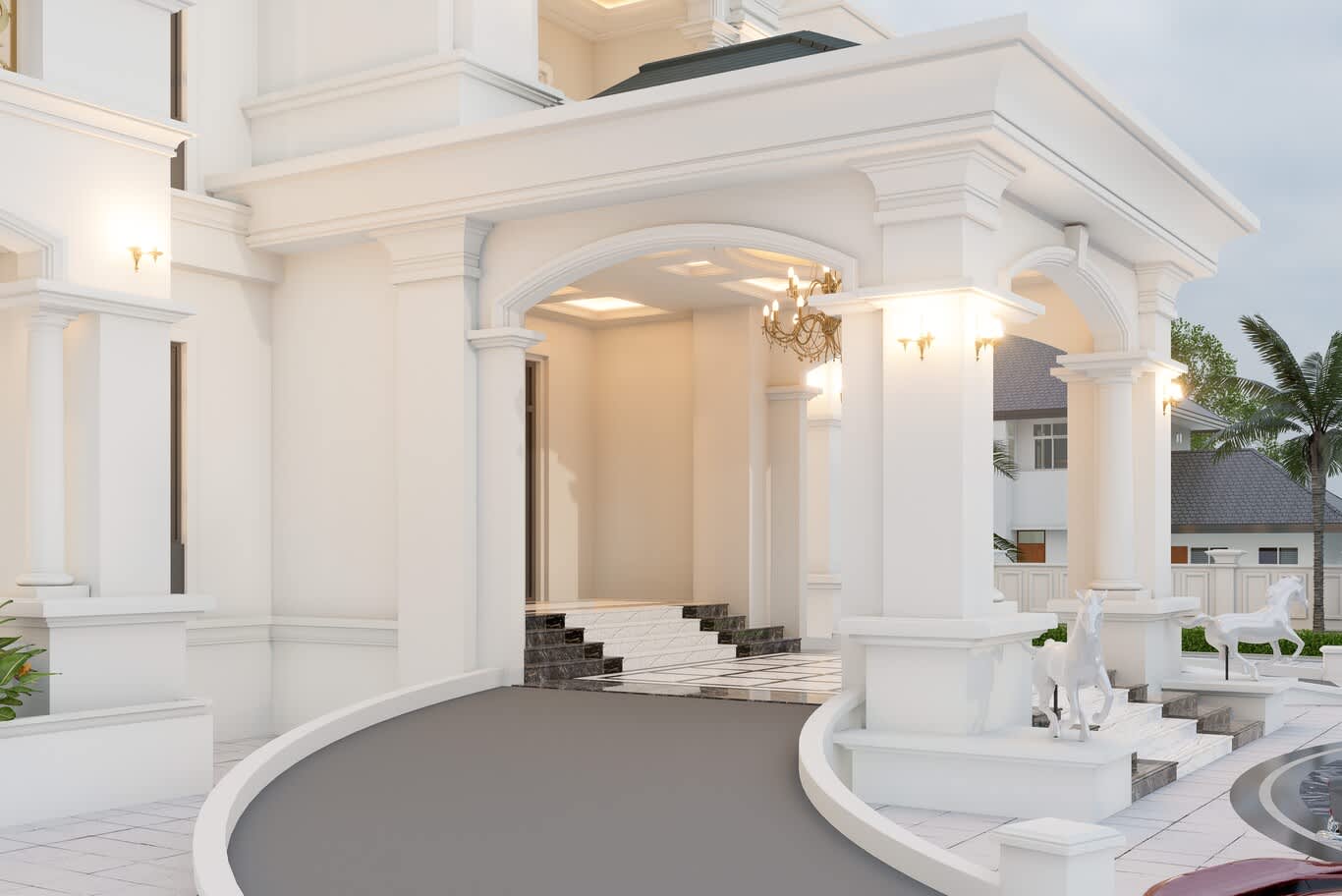
A villa renovation that stops at the front door leaves half the impression unmade. The exterior sets the first and last view of the property, and updating the façade, entrance, boundary treatment and materials can transform how the whole home reads from the street. Refreshed cladding, larger glazing and a considered colour and texture scheme lift a dated elevation without the cost of structural change, which is why thoughtful villa exterior design often delivers the highest visual return for the spend.
The garden completes the transformation. Arrival courtyards, pool surrounds, pergolas, planting schemes, outdoor lighting and irrigation extend the character of the interiors into usable outdoor rooms suited to the climate. Many communities, Arabian Ranches among them, enforce exterior uniformity rules, so coordinating these changes with both the design team and the developer keeps the project compliant. Considered landscape design for villas ties hardscape, softscape and lighting into the architecture, and our look at current façade design ideas offers a starting point for owners weighing how far to take the outside of the home.
Renovating a Villa Across the UAE and the Gulf
The principles behind a sound renovation hold steady wherever the villa stands, while the approvals, climate and community rules shift from one market to the next. Within the UAE, Dubai sets the busiest pace, with Dubai Municipality, the Dubai Development Authority and DEWA each governing part of the permit picture alongside the master-developer NOC. Abu Dhabi runs its own approval track through the city municipality, with sustainability expectations shaping material and system choices on larger homes. Renovation work in Sharjah, Ajman, Ras Al Khaimah, Fujairah and Umm Al Quwain follows the same logic on a calmer timeline, and villas in Al Ain tend to be larger and more personal, which lends itself to deeper structural change and considered craftsmanship.
Across the wider Gulf, the same sequence of scope, budget, approvals, build and finish applies, mediated by each country's own permitting body and community standards. In Saudi Arabia, villa and palace renovations in Riyadh, Jeddah and Dammam move through municipal approvals and increasingly favour generous, family-centred layouts. Doha projects in Qatar pair municipal permitting with a strong appetite for contemporary finishes, while work in Kuwait City leans toward classic, richly detailed interiors. Renovations in Manama, Bahrain and Muscat, Oman round out the regional picture, each shaped by local climate, plot character and the way families use indoor and outdoor space together.
Two threads run through all of these markets. Heat and humidity place real demands on materials, waterproofing and cooling, so specification carries as much weight as style. And community or developer rules frequently sit on top of municipal regulation, so confirming both layers before work begins protects the schedule wherever the villa is located. A renovation team with experience across these cities reads those constraints early, which keeps a project in Riyadh or Doha as steady as one in Dubai or Abu Dhabi.
Choose an Integrated Design-Build Partner
The final variable that shapes a villa renovation is the team behind it. A single design-build partner that carries the project from concept through approvals to handover removes the handoffs that cause most delays and cost overruns. One team that manages community NOCs, municipality submissions and DEWA approvals in-house keeps the compliance track moving while design and procurement run in parallel. The same continuity controls cost, because the firm that designed the scope is accountable for delivering it, which limits the variation claims that fragmented projects accumulate.
For larger villas in particular, this integrated approach turns a complex, multi-authority, multi-trade undertaking into a managed process with one point of accountability. Owners deal with one contract and one team, from the first 3D render to the day they move back in.
Why Choose Algedra
Algedra brings interior design, architecture, exterior design, landscape design and fit-out together under one in-house structure, with design direction led by Eng. Tareq Skaik on every project. The studio's work has earned the Luxury Lifestyle Award for Best Luxury Architecture 2022, the DIAFA Best Interior Designer of the Year 2022 awarded to Eng. Skaik, and the Arabian Award for Residential Interior Private Residence 2024. Operations are ISO-certified with documented on-time, on-budget delivery, and more than 500 projects have been completed across the UAE and 30+ countries. For villa owners in Dubai and Abu Dhabi, that breadth means a renovation managed by one accountable team from concept through final fit-out, with no handoffs between separate firms.
Frequently Asked Questions
How much does it cost to renovate a villa in Dubai? Costs range from around AED 80,000 for a cosmetic refresh of a smaller villa to AED 250,000 and beyond for a full structural and interior overhaul, with large luxury projects reaching AED 1.5 million or more. A mid-range renovation covering an open-plan conversion, kitchen, two bathrooms and smart systems typically falls between AED 130,000 and AED 180,000.
Do I need a permit or NOC to renovate my villa? Structural work, MEP changes, extensions and pool construction require Dubai Municipality approval and a master-developer NOC, with DDA approval applying inside its free-zone clusters and DEWA approval for electrical or water changes. Cosmetic work such as painting, flooring and fixture replacement generally does not need a municipal permit, though your community may still ask for notification.
How long does a villa renovation take in Dubai? Design and approvals can run in parallel over roughly four to eight weeks, after which site works for a full villa often run three to five months depending on scope. Permit timelines and long-lead material deliveries usually set the critical path, so both should start as early as possible.
What is the difference between a cosmetic and a structural renovation? A cosmetic renovation updates surfaces and finishes, including flooring, cabinetry, fixtures and paint, and needs minimal approvals. A structural renovation changes the layout or services, taking in wall removal, relocated bathrooms, MEP replacement and extensions, and requires engineered drawings, permits and developer NOCs.
Should I move out during the renovation? For cosmetic work, staying in the villa is usually manageable. For heavy demolition and MEP phases, vacating the property improves safety, speeds the programme and produces a cleaner finish, so it is strongly advisable for larger structural projects.
What is the difference between a villa fit-out and a renovation? A fit-out focuses on the interior layer of finishes, joinery, flooring and lighting that sits on the structural shell. A renovation can include both that fit-out work and structural or MEP upgrades, making it the broader of the two undertakings.
Start Your Villa Renovation with Algedra
Planning a villa renovation in the UAE or wider Gulf? Algedra's in-house team handles design, approvals, fit-out and landscaping under one roof, so your project moves from first concept to final handover with a single point of accountability.
Visit our contact page and fill in the form to reach us for your villa renovation, and one of our design consultants will get back to you shortly.
FREE CONSULTATION
TELL US ABOUT YOUR PROJECT
WE WOULD LOVE TO HEAR FROM YOU
Feel free to reach us via this contact form and one of our Design Consultants will get back to you at earliest.
OUR BRANCHES
UAE - DUBAI
+971 52 8111106 | hello@algedra.ae
TURKEY - ISTANBUL
+90 533 701 89 71 | info@algedra.com.tr
Leading Interior Design and Decor Company in Dubai and Abu Dhabi.
Algedra is a reputable, internationally recognized, and one of the most successful interior design companies in Dubai, and Abu Dhabi, which specializes in delivering interior design, architectural, and creative space planning projects throughout GCC, MENA, North Africa, Turkey and Russia.
Algedra is a one-stop solution for all your residential interior design and fit-out needs. We have successfully completed numerous villa interior and exterior design projects, where we integrated quality and originality to deliver interior masterpieces.
ALGEDRA, Interior Design Company in Dubai, is specialized in providing elegant and stunning interior design services for both residential and commercial projects. We turn our clients' dreams into reality, trans- lating their tastes and needs into beautiful and functional spaces.
Since the day we were founded, we have designed and built many branded residences, resorts, hotels, multi-purpose social spaces, and palace designs with different functions and concepts by following the ever-changing design trends over the world.
A key element of our work is a fusion of different cultures and designs, combining Greek, Italian, Eastern and Western influences with British innovation.
As a team of highly qualified interior designers and engineers, Algedra offers complete architectural services from mall design to corporate office design as well as the exterior design of any project based on customers' needs.
Our customers include leading names, we have completed diverse projects in hospitality, landscape, commercial, and residential designs. These projects contain cafes, restaurants, gym, villas, family sitting rooms, bedrooms, kitchens; all showcasing our company's exquisite details and high-end designs.
Residential Interior Design in Dubai
Algedra's interior designers and architects have an important mission: building villas, houses, apartments, condos, and anywhere else where you reside that will fulfill your needs while being structurally safe and sound.
Architectural Designs
There are so many details that go into designing an architectural design project. Every step of the project has been carefully considered for safety and daily comfort by Algedra's experts.
Commercial Design
Conceptualizing spaces for business, to elevate style, and to increase functionality to help enhance the bottom line of a company is vital, as well as employee comfort and interior design too. Our commercial interior designers translate client's concept in ways that are efficient, attractive and provide professional workspaces.
Fit-out Projects
Algedra Interiors delivering high-quality tailored fit-out projects that transform your villas, palaces and commercial spaces.
We're a passionate team of interior designers, architects and engineers. Every day we help clients to solve interior design problems and create engaging spaces!
Wherever you are in Kuwait, Saudi Arabia, Azerbaijan, Qatar, Morocco, Algeria, Tunisia, Libya, Egypt; don't hesitate, contact us to find out more about why we are one of the best interior design companies in Dubai and Abu Dhabi!