Home Page | Blog | The Design Brief That Makes a Project Go Smoothly
The Design Brief That Makes a Project Go Smoothly
8/6/2026
The smoothest projects our studio has ever delivered were decided long before a single drawing existed, in a conversation held over coffee with a family who had thought carefully about how they live. The brief — the structured exchange in which a client's lifestyle, taste, budget, and ambitions are captured and confirmed — is the least glamorous document in the entire design process and the most powerful, because every phase that follows either inherits its clarity or inherits its silences. A completed brief prevents more disputes than any contract clause, shapes a proposal that prices the truth, and gives the designers a portrait of the household so precise that the finished villa feels inevitable to the people who move into it. Our consultants across Dubai, Abu Dhabi, and the wider Gulf have opened hundreds of projects with this conversation, and this article shares what the great briefs contain, how they are built, and why an hour of candour at the start purchases months of serenity at the end.
A brief describes a life before it describes a room
Interior design will always be about people and how they live, as one of the profession's great figures observed, and the strongest briefs honour that order — the household first, the aesthetics second. Before a style is mentioned, our consultants want to understand the daily choreography of the family: who wakes first and where the morning coffee happens, whether dinners are intimate or held for thirty, how the formal majlis is used and who enters through which door, where homework is done, where prayer is made, and which room the household genuinely gathers in as opposed to the room they imagine they should. Products enter the conversation only after habits have been mapped, because a sofa specified for a family that entertains weekly and a sofa specified for a family of readers are two different objects wearing the same name.
Name every person the design must serve
The complete cast of the household belongs in the brief by name and by age — the parents, each child and the years each will pass through during the life of the design, the grandmother who visits for a season, the household staff whose quarters and circulation deserve the same care as the family wing, and the pets whose claws will meet the flooring long before the first guest does. Each name carries design consequences: a nursery that must convert to a study within five years, a ground-floor suite planned for ageing parents, durable stone in the paths a large dog patrols, and storage calibrated to the actual wardrobe of the actual people. A brief that lists the rooms while omitting their occupants produces a beautiful house for nobody in particular.
Separate the frustrations from the wishes
Two lists give the designers their sharpest material, and they deserve to be written separately. The first records the daily frustrations of the current home — the kitchen island everyone collides at, the entrance with nowhere to sit while shoes come off, the master wardrobe that forces the couple to dress in shifts, the glare that makes the family room unusable at four in the afternoon. The second records the wishes: the cigar corner, the double-height library, the outdoor majlis for winter evenings. Frustrations are diagnostic and rarely volunteered without prompting, which is why our consultants ask for them directly; a design that resolves the irritations of the old life earns more daily gratitude than any single showpiece, and the wishes then arrive as pleasures rather than compensations.
Speak about budget with complete candour
The frank budget conversation is the hinge on which the entire project turns, and the professional structure of that conversation covers three figures rather than one: the construction or fit-out allocation, the furniture and finishes allowance, and a contingency reserve of ten to fifteen percent held for the surprises every site eventually offers. Clients sometimes withhold the real number in the hope of a pleasant surprise, and the strategy reliably produces the opposite, since a designer working to a phantom budget specifies either above the client's comfort or beneath the project's potential. A stated range — with a note on where the family would happily invest more, whether that is the kitchen, the master suite, or the stone — lets our teams direct every dirham toward what the household will feel daily, and the transparency costs nothing except the awkwardness of a single honest sentence.
Gather images, and read them for patterns
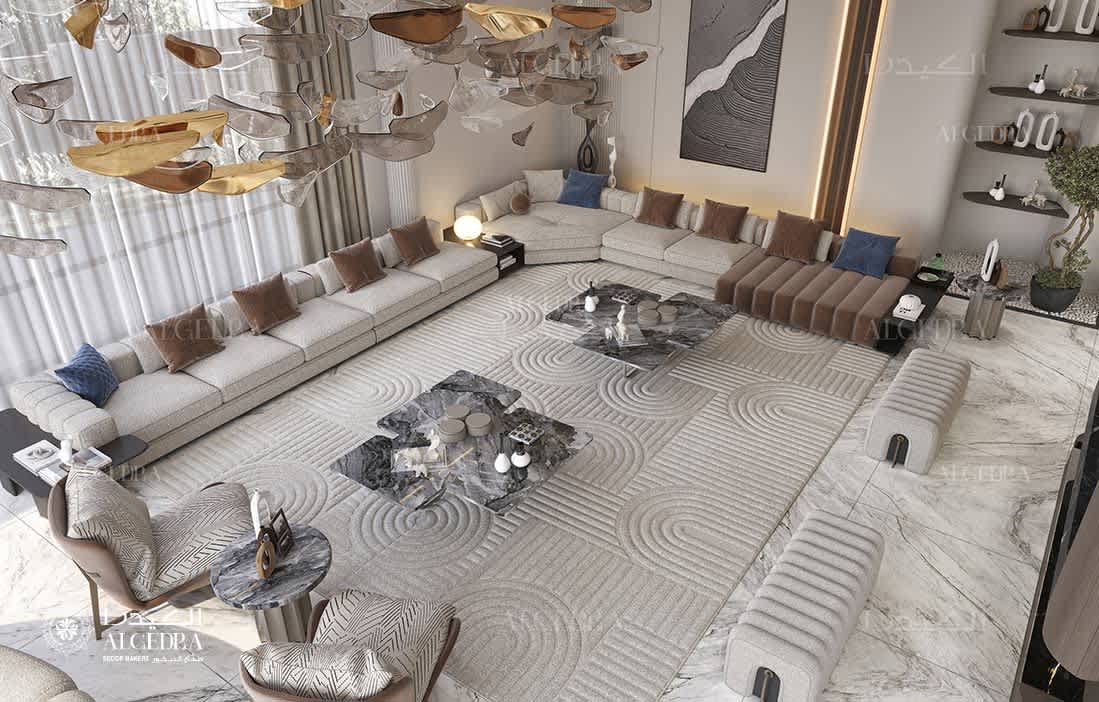
Reference imagery remains the fastest bridge between a client's imagination and a designer's understanding, and the modern client arrives generously supplied — saved folders, board collections, photographs from hotels and restaurants that felt right. The professional reading of that material looks past the individual images to the patterns beneath them: the palettes that recur, the warmth of the woods, the presence or absence of pattern, the rooms that are layered versus the rooms that breathe. Just as valuable is the counter-file — three images of rooms the client dislikes, each annotated with why — because taste declares itself most precisely through refusal. Our designers treat the collected imagery as evidence rather than instruction, extracting a direction the client may feel more clearly than they can name — the same instinct we examined in our thinking on rooms that earn their elegance.
Fix the deadlines that are real, and confess the ones that are hopes
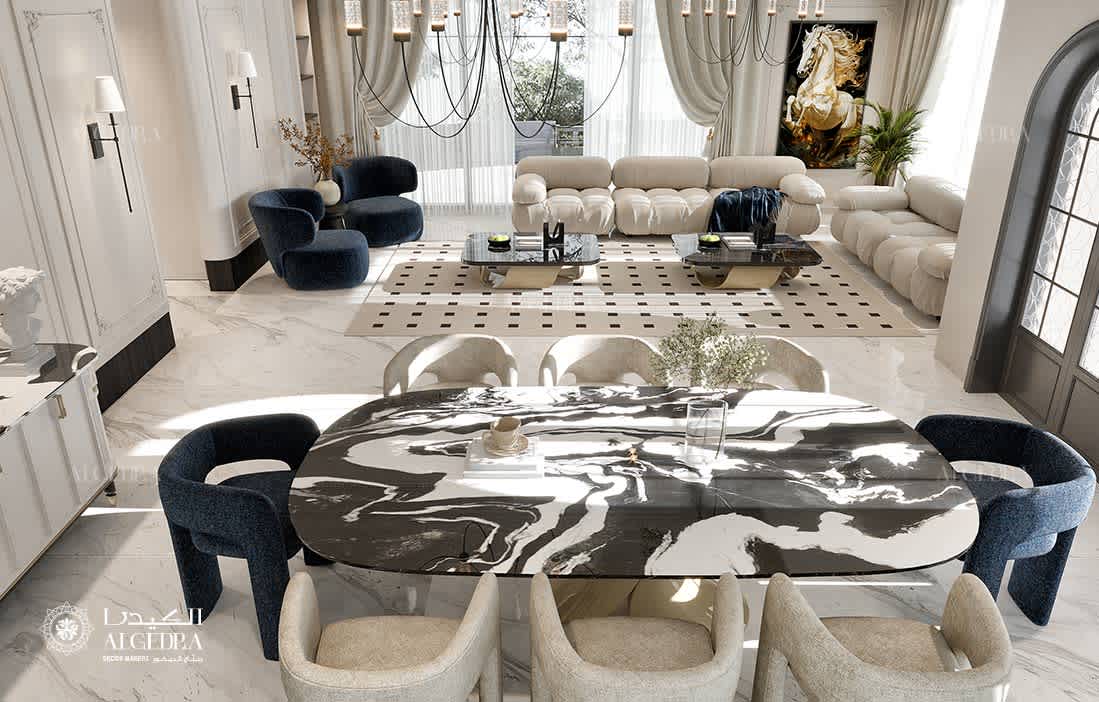
Every programme is shaped by its immovable dates, and the brief should record them honestly: the school year that starts in September, the wedding the villa must host, the lease expiring on the current home, Ramadan and the entertaining season it brings. Fixed deadlines are planning instruments our project managers build backward from — long-lead stone ordered by a certain week, approvals submitted by another — while aspirational deadlines presented as fixed ones distort the entire schedule and surface later as friction. The realistic durations for each scope are a conversation worth having in the first meeting, and we mapped every phase, cost, and approval a villa project passes through, so a family can hold the calendar and the ambition side by side from the start.
Decide who decides
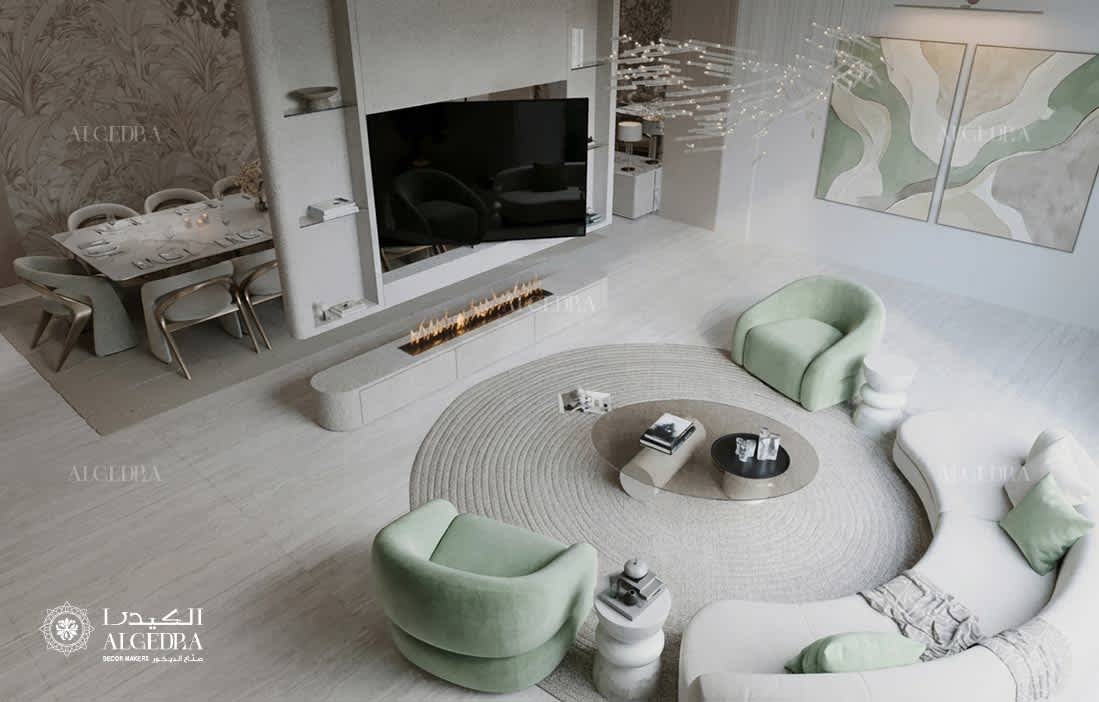
The single most underestimated line in any brief names the decision-makers. A project in which one spouse approves the concept while the other reviews it afterward, or in which an overseas patriarch holds final say over a scheme presented locally, carries a structural delay in its foundations unless the approval path is designed as deliberately as the lighting plan. Our consultants ask directly: who selects, who approves, who signs, and how quickly can a decision realistically be returned? Households that agree internally on this choreography before the project opens move through sign-offs in days; households that discover their disagreements at each milestone donate weeks to the calendar. The question feels administrative and is, in truth, the most personal one in the meeting.
State the constraints the designers must inherit
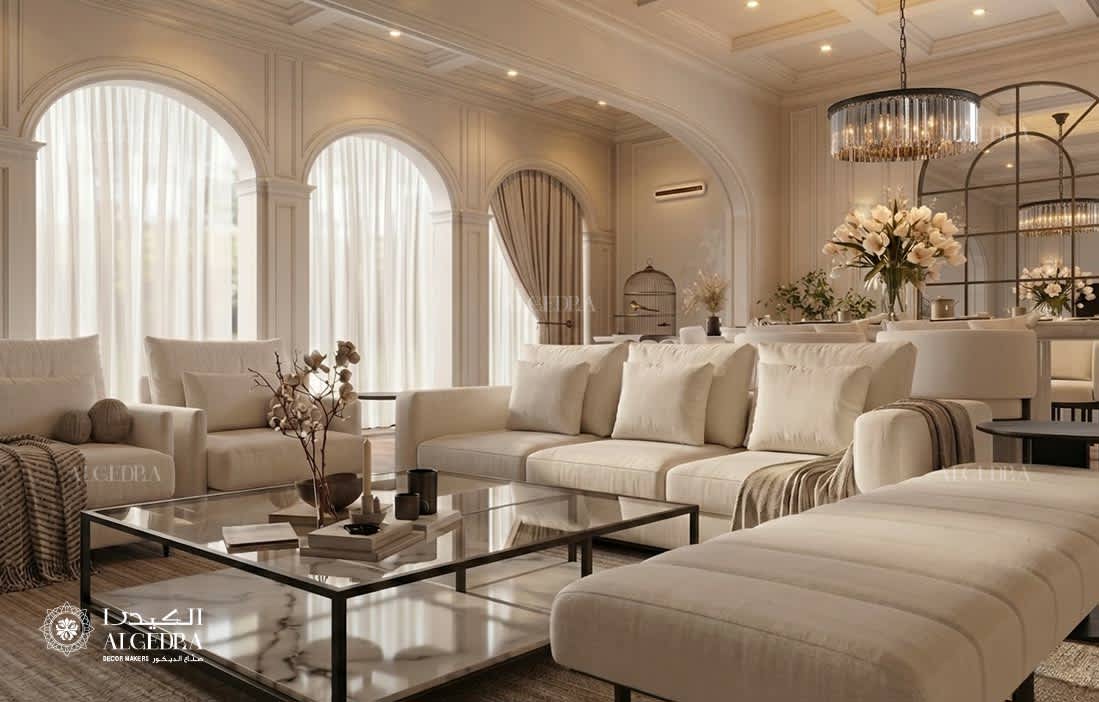
Every property arrives with givens, and the brief should surrender them early: the community's design guidelines and the developer's NOC requirements, the structural walls that will stay, the existing artworks and heirloom furniture the scheme must honour, the orientation that floods the western rooms each afternoon, and the climate itself, which asks for cool stone underfoot, shaded glazing, and materials that hold their composure through a Gulf summer. Constraints named at the briefing stage become design ingredients; constraints discovered during construction become variations. The same honesty applies to the property's paperwork — title, permits, service connections — since our engineers can only sequence approvals they know about, and the regulatory path differs with every community and authority.
Describe how the home should feel, in your own words
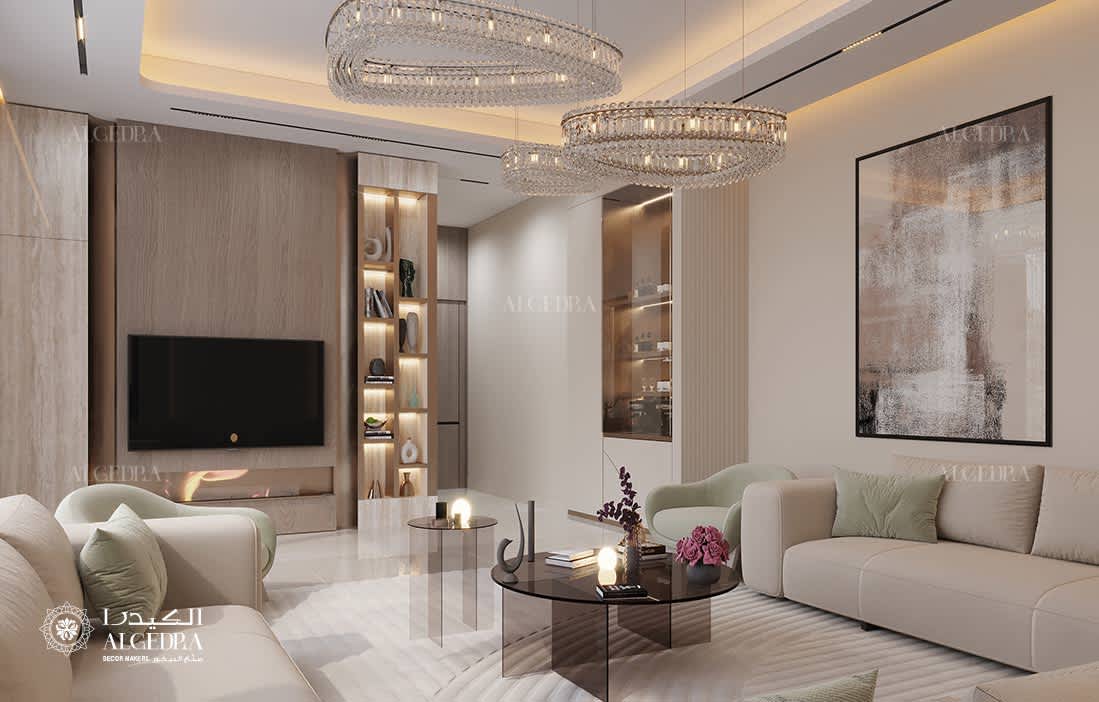
Beyond the measurable content, the finest briefs contain a paragraph of pure atmosphere written in the client's own voice — the home should feel calm the moment the door closes, the majlis should honour guests without intimidating them, the bedroom should feel like the suite from that hotel in the mountains. Feelings are specifications of the most exacting kind, and our designers translate them into decisions daily: calm becomes a disciplined palette and concealed storage, honour becomes proportion and material generosity, the mountain suite becomes linen, timber, and lighting held at the colour of early evening. A client who says warm and serene has briefed the studio more precisely than a client who names a style, and the current movement toward softer, more tactile interiors rewards exactly this vocabulary — the Scandinavian tradition makes the case beautifully.
Treat the brief as a living document
A professional brief is written down, read back, and signed — project details, scope, the household portrait, the budget structure, the deadlines, the decision path — in plain language a client can confirm without a dictionary. It then lives: when the scope genuinely changes, the brief is updated and reconfirmed rather than silently outgrown, so both parties always hold the same picture of the project. The document earns its keep at every later stage, resolving the small disputes of memory before they begin, anchoring the concept presentation, disciplining the tender, and giving the final walkthrough its measuring stick. The families who enjoy their projects most are, without exception, the families who treated the briefing hour as the project's true beginning rather than its paperwork.
What our consultants bring to the table
The brief is a duet rather than a questionnaire, and our side of the table arrives prepared as well: consultants who have sat with hundreds of Gulf households and know which questions unlock the answers families forget to volunteer, engineers who read a community's approval landscape at a glance, and designers who can sketch a first response to a frustration while the coffee is still warm. The first meeting closes with a written record, a realistic range for budget and programme, and a clear picture of the phases ahead, so a family leaves knowing precisely what has been understood and what happens next. The full journey that follows — concept, documentation, approvals, procurement, site, and styling — runs on the rails this hour lays down.
Begin your brief with ALGEDRA
Our designers, engineers, and consultants open every project with the conversation this article describes, and they would be glad to open yours — at our studio, at your property, or wherever the thinking happens best. Explore our residential portfolio of villa and palace interiors to see where great briefs lead. Ready to talk? Contact us today — share your project through the form on our contact page and one of our design consultants will get back to you at the earliest.
FREE CONSULTATION
TELL US ABOUT YOUR PROJECT
WE WOULD LOVE TO HEAR FROM YOU
Feel free to reach us via this contact form and one of our Design Consultants will get back to you at earliest.
OUR BRANCHES
UAE - DUBAI
+971 52 8111106 | hello@algedra.ae
TURKEY - ISTANBUL
+90 533 701 89 71 | info@algedra.com.tr
Leading Interior Design and Decor Company in Dubai and Abu Dhabi.
Algedra is a reputable, internationally recognized, and one of the most successful interior design companies in Dubai, and Abu Dhabi, which specializes in delivering interior design, architectural, and creative space planning projects throughout GCC, MENA, North Africa, Turkey and Russia.
Algedra is a one-stop solution for all your residential interior design and fit-out needs. We have successfully completed numerous villa interior and exterior design projects, where we integrated quality and originality to deliver interior masterpieces.
ALGEDRA, Interior Design Company in Dubai, is specialized in providing elegant and stunning interior design services for both residential and commercial projects. We turn our clients' dreams into reality, trans- lating their tastes and needs into beautiful and functional spaces.
Since the day we were founded, we have designed and built many branded residences, resorts, hotels, multi-purpose social spaces, and palace designs with different functions and concepts by following the ever-changing design trends over the world.
A key element of our work is a fusion of different cultures and designs, combining Greek, Italian, Eastern and Western influences with British innovation.
As a team of highly qualified interior designers and engineers, Algedra offers complete architectural services from mall design to corporate office design as well as the exterior design of any project based on customers' needs.
Our customers include leading names, we have completed diverse projects in hospitality, landscape, commercial, and residential designs. These projects contain cafes, restaurants, gym, villas, family sitting rooms, bedrooms, kitchens; all showcasing our company's exquisite details and high-end designs.
Residential Interior Design in Dubai
Algedra's interior designers and architects have an important mission: building villas, houses, apartments, condos, and anywhere else where you reside that will fulfill your needs while being structurally safe and sound.
Architectural Designs
There are so many details that go into designing an architectural design project. Every step of the project has been carefully considered for safety and daily comfort by Algedra's experts.
Commercial Design
Conceptualizing spaces for business, to elevate style, and to increase functionality to help enhance the bottom line of a company is vital, as well as employee comfort and interior design too. Our commercial interior designers translate client's concept in ways that are efficient, attractive and provide professional workspaces.
Fit-out Projects
Algedra Interiors delivering high-quality tailored fit-out projects that transform your villas, palaces and commercial spaces.
We're a passionate team of interior designers, architects and engineers. Every day we help clients to solve interior design problems and create engaging spaces!
Wherever you are in Kuwait, Saudi Arabia, Azerbaijan, Qatar, Morocco, Algeria, Tunisia, Libya, Egypt; don't hesitate, contact us to find out more about why we are one of the best interior design companies in Dubai and Abu Dhabi!