Home Page | Blog | Create a Beautiful Minimalist Cafe: 10 Key Tips
Create a Beautiful Minimalist Cafe: 10 Key Tips
2/17/2026
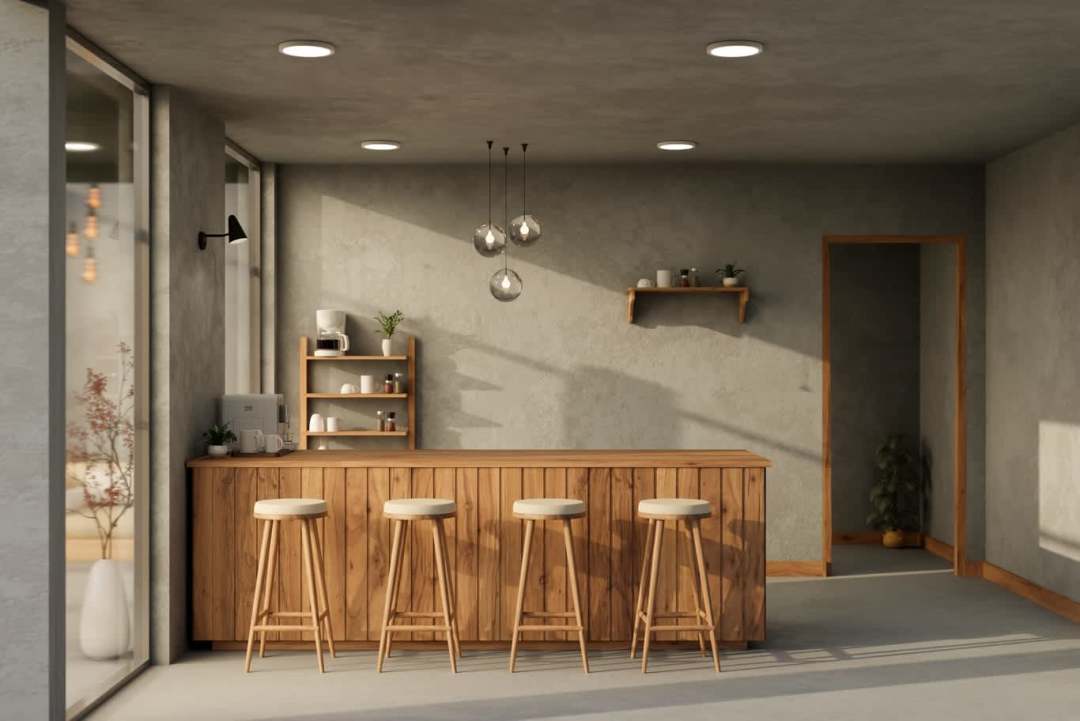
Step inside, and the chaos of the street vanishes instantly. This shift toward minimalist cafe design highlights a deep cultural move toward mindful lifestyle. A minimalist cafe acts as a shield against digital clutter and visual noise. It removes the extra layers to expose the core elements—the coffee quality, the human connection, and the pure architectural form. This breakdown covers ten vital principles for building a high-performance interior, mixing modern architecture, consumer psychology, and smart operations.
This movement rests on the 20th-century principle that "less is more." Ludwig Mies van der Rohe coined this mantra, and it defines the spirit of modern hospitality interior design. This philosophy demands the willful reduction of physical and emotional noise. It builds environments that support clarity, function, and calm. Minimalist design aesthetics in cafe interiors use clean lines, open surfaces, and limited colors to direct attention to the beverage and the environment.
This design supports mental well-being. Research in environmental psychology shows that organized spaces lower cortisol levels and aid mindfulness. This makes them ideal for remote workers and students looking for productivity and social connection. Simplifying the space creates an order that improves emotions and focus.
1- Spatial Geometry and the Japanese Concept of Ma
The main principle of minimalist design involves the strategic management of empty space. This uses the Japanese concept of Ma—the essential void or "gap" between structural parts that creates balance. Commercial settings use Ma as a tool for illumination. It defines time and space to keep the environment distinct and meaningful.
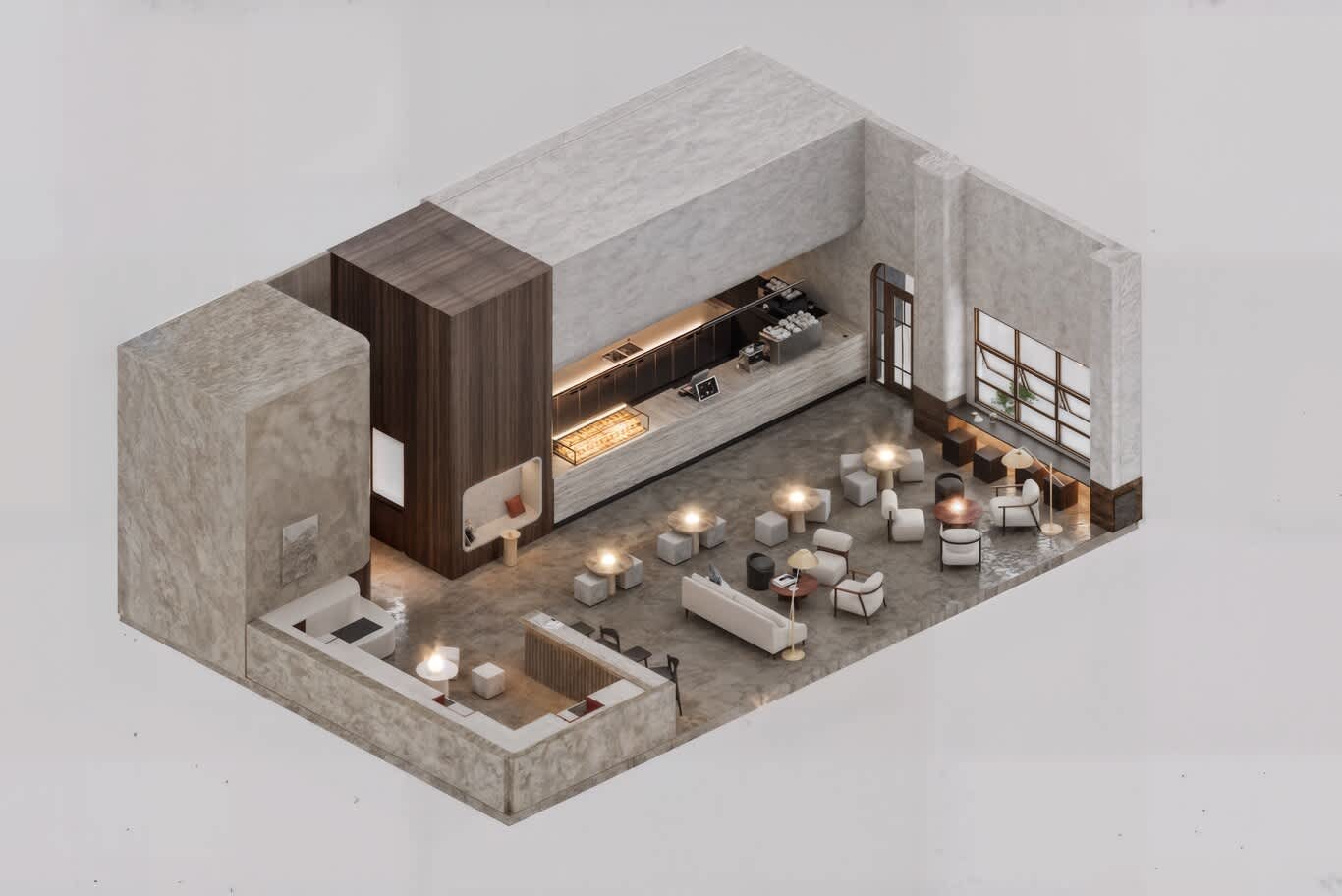
A strong layout provides "space to breathe," even in small footprints. This requires a close analysis of the floor plan to separate functional zones—seating, service, and storage—so they do not crowd each other. The goal is to maximize airiness. Designers often use open-concept design to boost visual links and airflow.
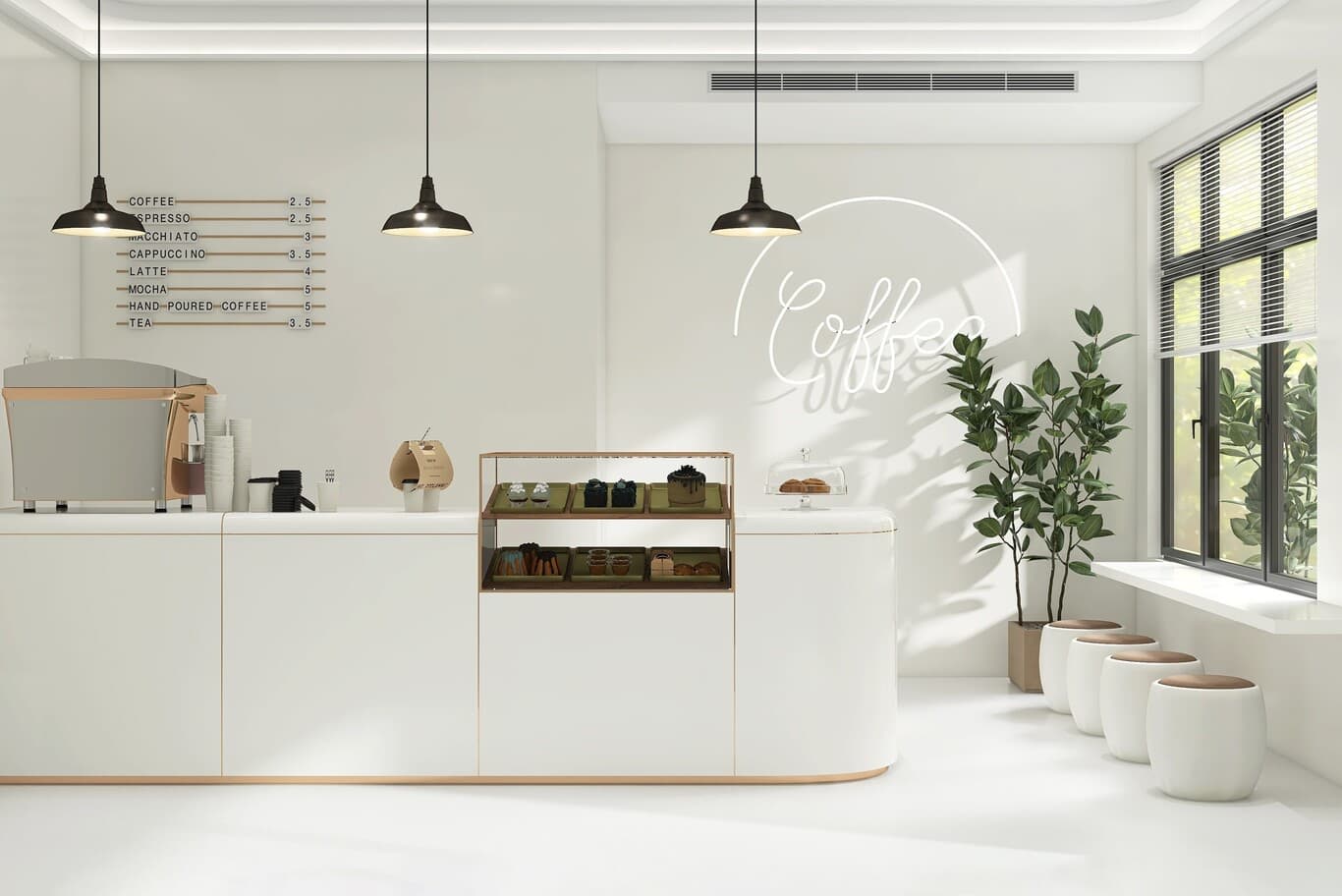
Spatial Strategy Overview:
● Linear Configuration: This optimizes efficiency in narrow footprints by using long counters with wall-integrated seating.
● Zoned Division: This arrangement caters to diverse behaviors by providing areas for quick service, social interaction, and quiet reflection.
● Open Concept: This promotes transparency by removing physical barriers between baristas and patrons.
● Mobile Flexibility: This adapts to operational needs using modular, lightweight furniture and rolling islands.
Mastering spatial geometry impacts the mind. Open spaces promote calmness and reduce anxiety. Small cafes, such as the takeaway window (2×4 meters) or the 20-foot container (14.4 square meters), gain efficiency from slim furniture silhouettes and custom benches that aid fluid movement.
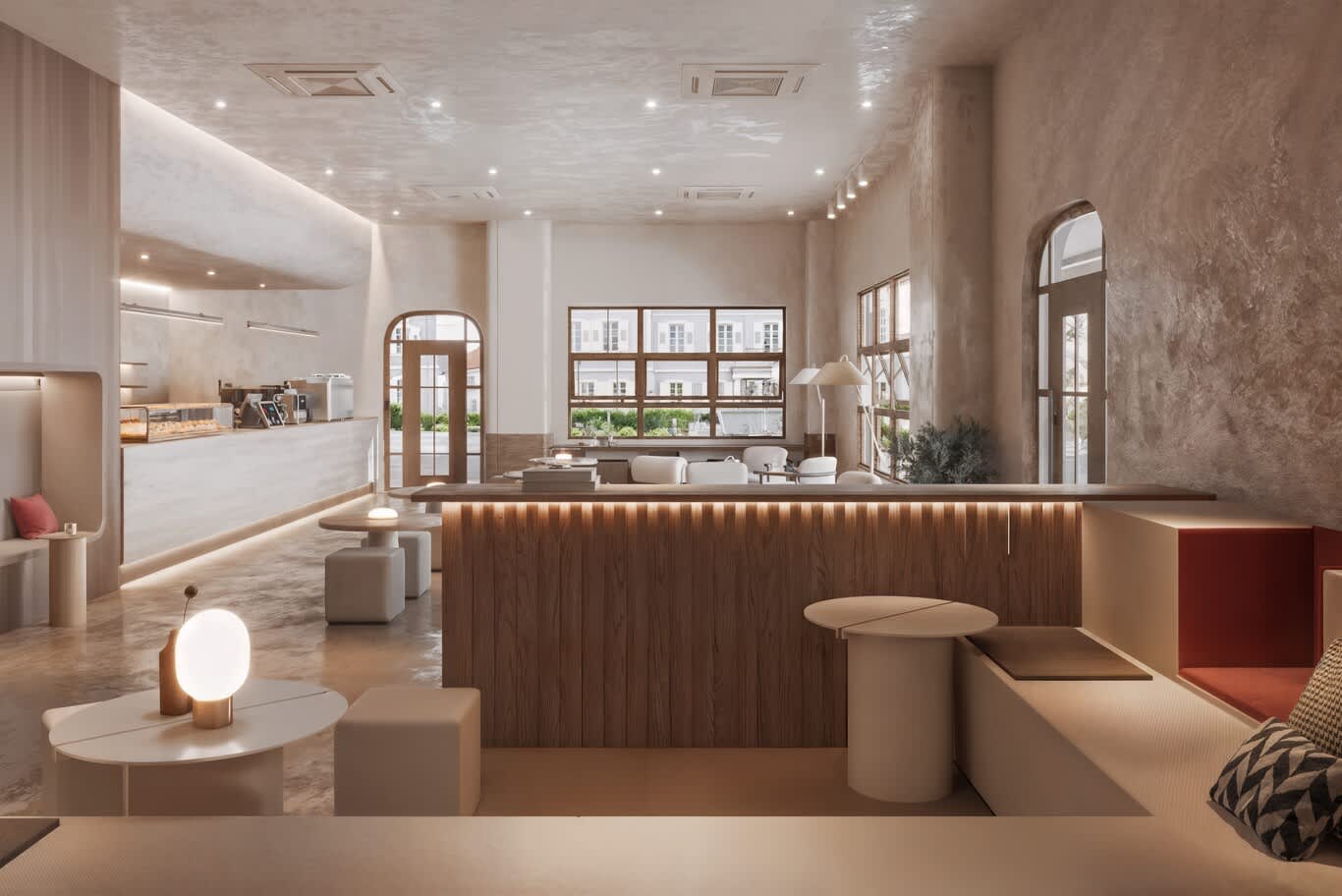
2- Material Authenticity and Tactile Quality
Minimalism demands material honesty. Elements like wood, concrete, steel, and stone appear in their authentic states rather than hiding behind finishes. This focus on materials matches the specialty coffee shop design industry’s transparency regarding bean origin and brewing techniques.
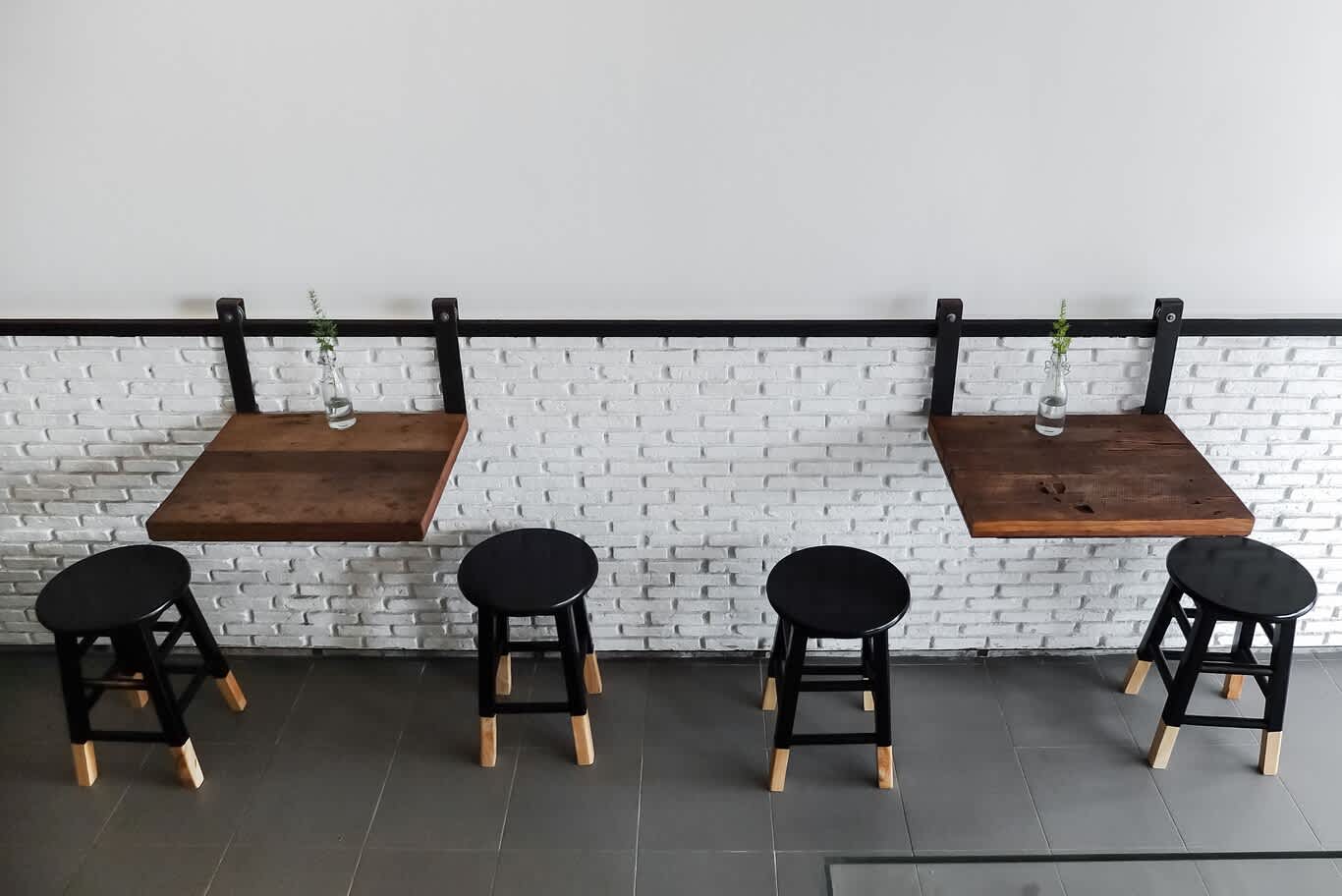
The selection of materials must balance aesthetic refinement with durability and human comfort. Concrete and steel provide a neutral, industrial base that reflects a modern city identity. Adding natural elements makes them feel warm.
● Natural Wood: Light woods like oak and ash are central to the Japandi aesthetic. They add warmth and a tactile, handmade quality.
● Stone and Marble: Large-scale stone installations honor the mountainous regions where coffee is cultivated. They provide a grounding, permanent feel.
● Textiles: Natural fibers like linen and wool soften hard surfaces. They improve comfort and acoustic performance.
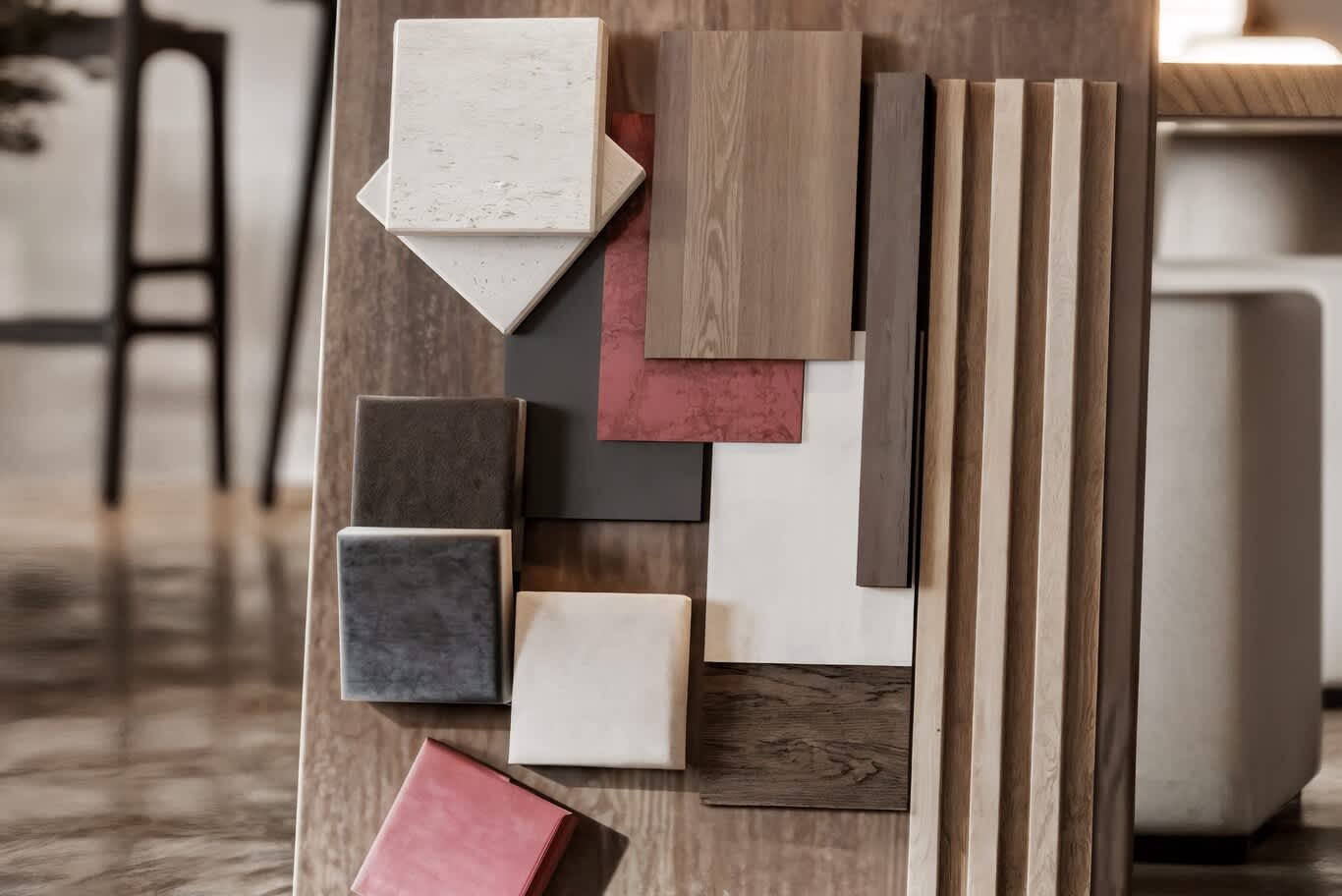
Integrating Wabi-sabi—the Japanese aesthetic of embracing imperfection—allows materials to age well. A stone counter with raw edges or a wooden table showing its grain builds a connection with the patron. It fosters a sense of authenticity.
3- Layered Illumination and Circadian Rhythms
Lighting design is a critical tool in the minimalist plan. It shapes spatial perception. Effective design relies on layering three types: ambient, task, and accent lighting.
The color temperature, measured on the Kelvin (K) scale, sets the tone. Warmer light (between 2200K and 3000K) creates a cozy environment. Cooler light (above 3500K) is energizing and suits work-focused zones.
Lighting Metric Recommendations:
● Color Temperature (Evening): 2200K−2700K. This mimics candlelight and promotes relaxation.
● Color Temperature (Morning): 3000K−3500K. This supports alertness and fits a morning rush.
● Color Rendering Index (CRI): 90+. This ensures accurate food colors, making pastries look fresh and latte art look sharp.
● Illuminance Levels: Variable via Dimmers. This allows the space to transition smoothly from day to night.
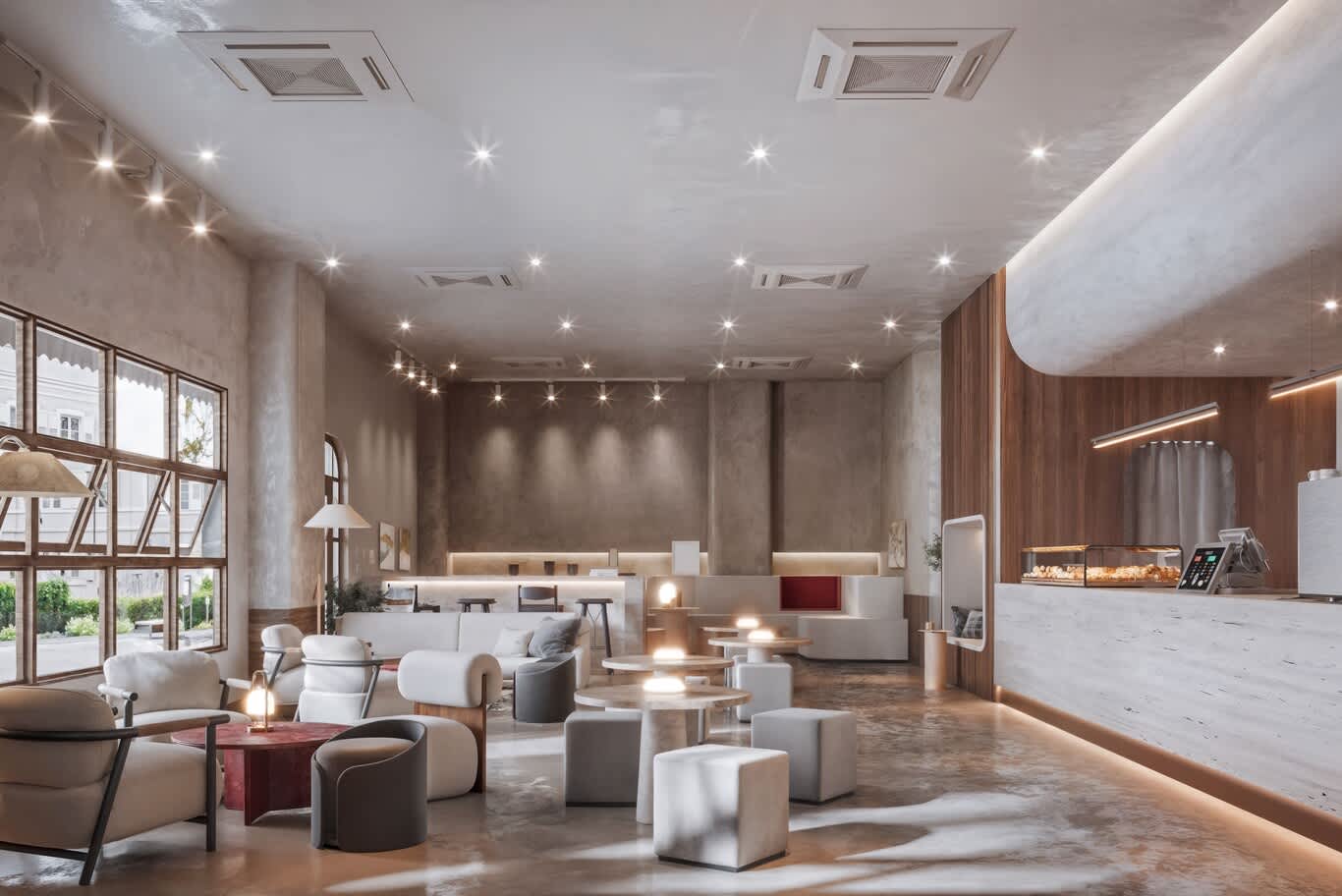
Natural light remains the priority. Designers maximize it through large windows, skylights, and glass doors. Sunlight reduces operational costs and boosts serotonin levels in patrons. Artificial sources in minimalist designs favor simple pendant fixtures or hidden LED systems that provide illumination without becoming visual focal points.
4- Biophilic Integration and Sensory Restoration
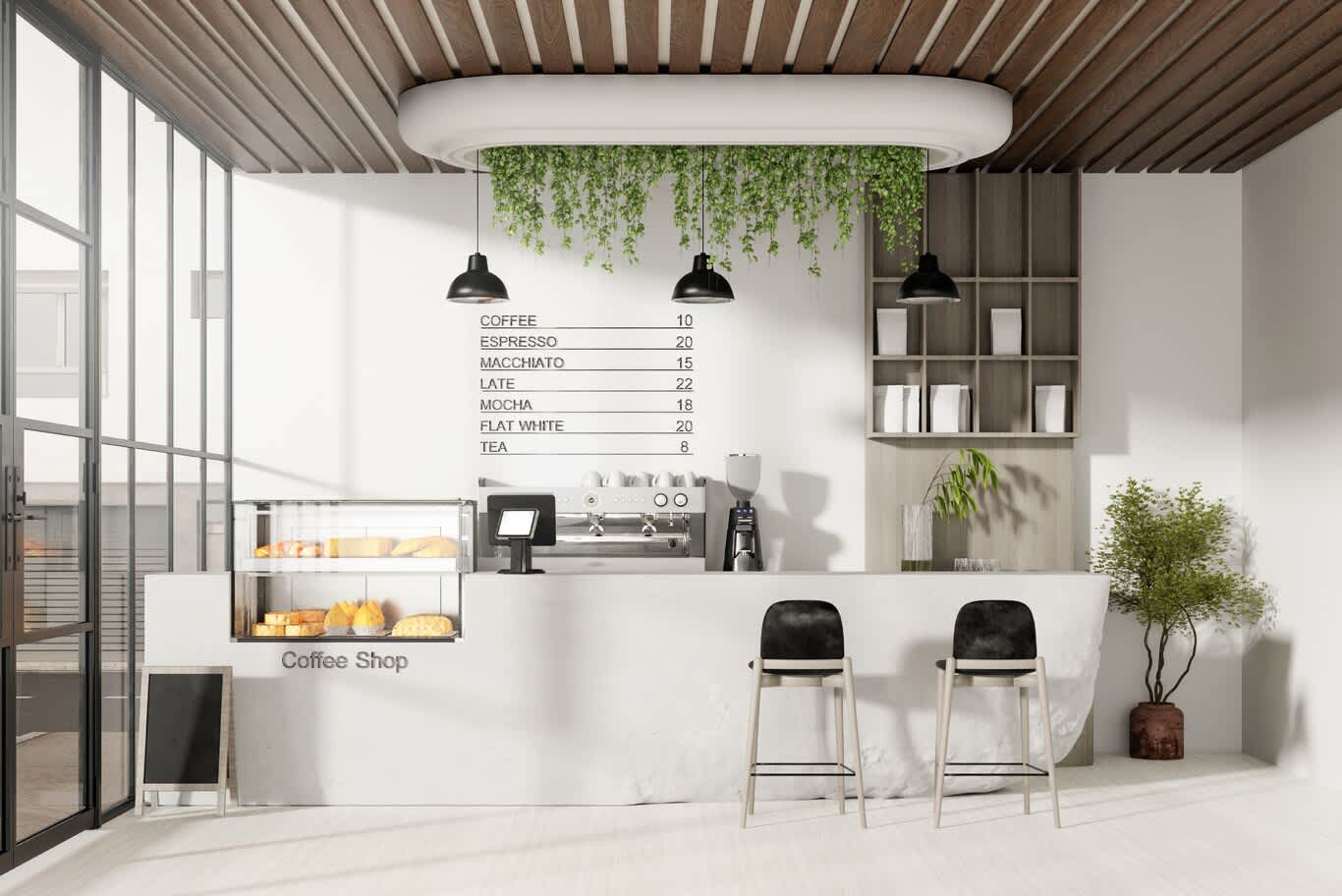
Biophilic design connects people with nature within the built environment. It fits with minimalist principles. Integrating living elements, such as indoor greenery and natural materials, turns cafes into restorative spaces. They support mental clarity.
Patterns of Nature in Minimalist Architecture:
● Visual Connection: Lush greenery, moss walls, or vertical gardens soften harsh lines and purify the air.
● Non-Visual Connection: Using materials like wood and stone, plus the sound of water, deepens immersion and masks urban noise.
● Dynamic Light: Large windows allow sunlight to shift throughout the day. This brings a natural rhythm to the space.
Greenery provides practical benefits. It regulates temperature and improves acoustics by absorbing sound. Plants help customers feel grounded.
5- Strategic Acoustic Engineering
Minimalist design often uses hard surfaces like concrete, glass, and metal. This creates a challenge with noise levels. Effective acoustic solutions ensure conversation clarity and maintain a calm atmosphere.
Modern designers use integrated acoustic systems. These absorb sound without compromising design.
● Seamless Acoustic Plaster: This provides a smooth finish for ceilings. It has a Noise Reduction Coefficient (NRC) of 0.85 to 0.95.
● Ceiling Baffles: These absorb sound on all sides and suit high ceilings.
● Acoustic Greenery: This combines biophilia with sound-absorbing PET felt cores to improve NRC ratings.
● Wood-Inspired PET Panels: These provide the warmth of wood textures with high-performance acoustics.
Systems like BASWA Phon allow for a smooth finish that looks like standard plaster while improving speech intelligibility.
6- Functional Furniture and Simple Silhouettes
Minimalist furniture balances looks with function. The "form follows function" principle of the Bauhaus design movement guides this approach. It emphasizes creating efficient objects that facilitate a clear purpose.
Furniture in a minimalist cafe features clean silhouettes and light structures. This includes slim metal chairs, simple wooden tables, or cantilevered frames.
● Bauhaus Classics: Iconic pieces like the Thonet Model 214 or the Marcel Breuer Cesca chair are prized for lightweight strength.
● Scandinavian Modernism: Brands like Muuto and Hay offer contemporary minimalist furniture. The Muuto "Still Cafe Table" uses angled edges to fit spaces without creating "visual noise."
● Modularity: Modular tables and chairs that stack allow the shop to adapt to different seating needs.
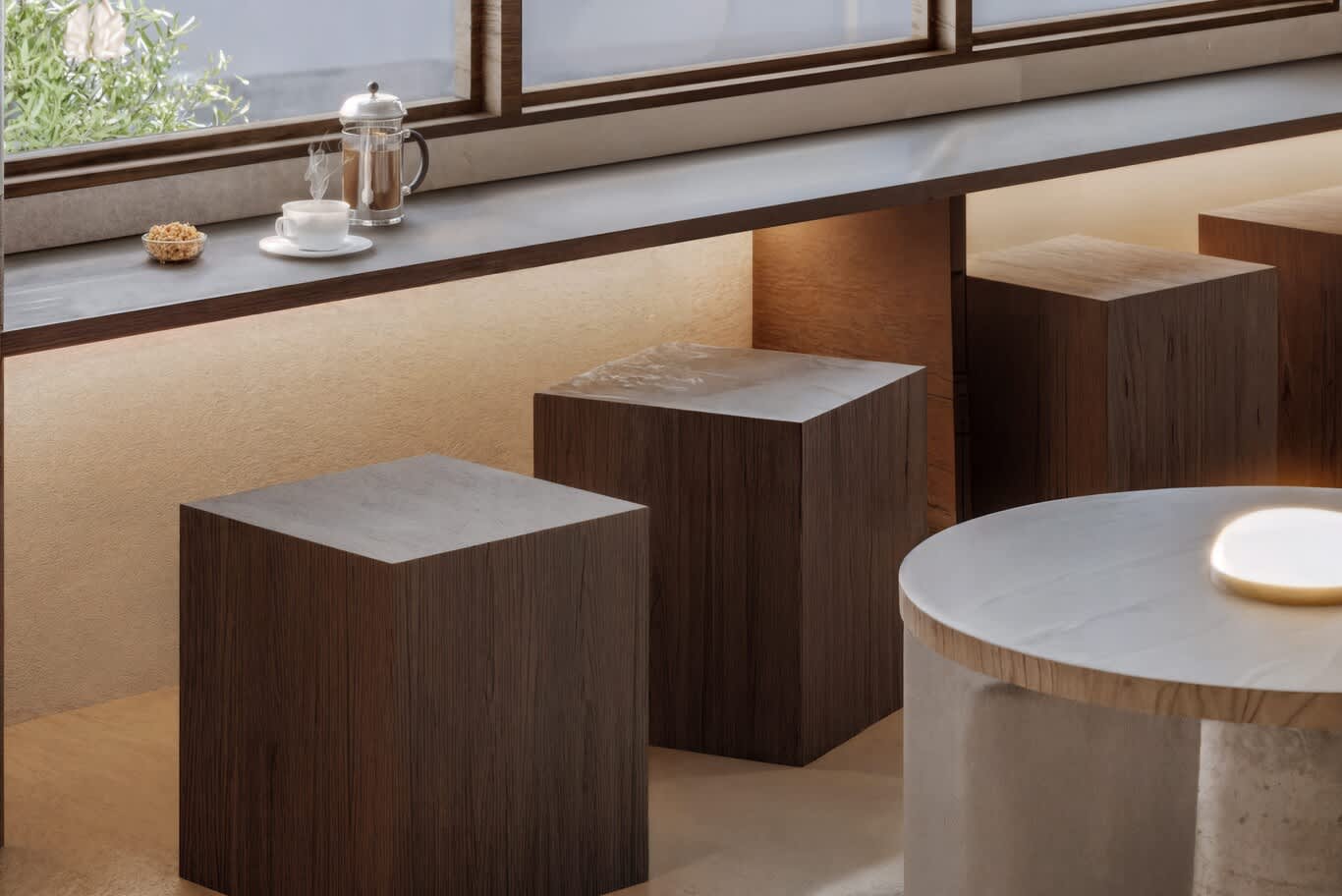
The goal is to provide ergonomic seating that encourages guests to linger. It maintains openness within the space.
7- Invisible Infrastructure and Under-Counter Systems
Operational efficiency is the "hidden" component of minimalist design. To keep the aesthetic uncluttered, owners must integrate equipment into the architecture or move it out of sight.
The under-counter equipment system, such as those by Modbar, changes the workspace. Relocating boilers and bulky hardware beneath the counter leaves only elegant taps on display.
● Open Service: Removing the traditional espresso machine barrier opens the bar. This allows direct interaction between baristas and patrons.
● Design Freedom: Under-counter modules allow for adventurous designs—from monolithic marble blocks to timber counters—that support brand identity.
● Barista Workflow: Positioning taps for natural reach keeps tools close. This improves speed and reduces barista fatigue.
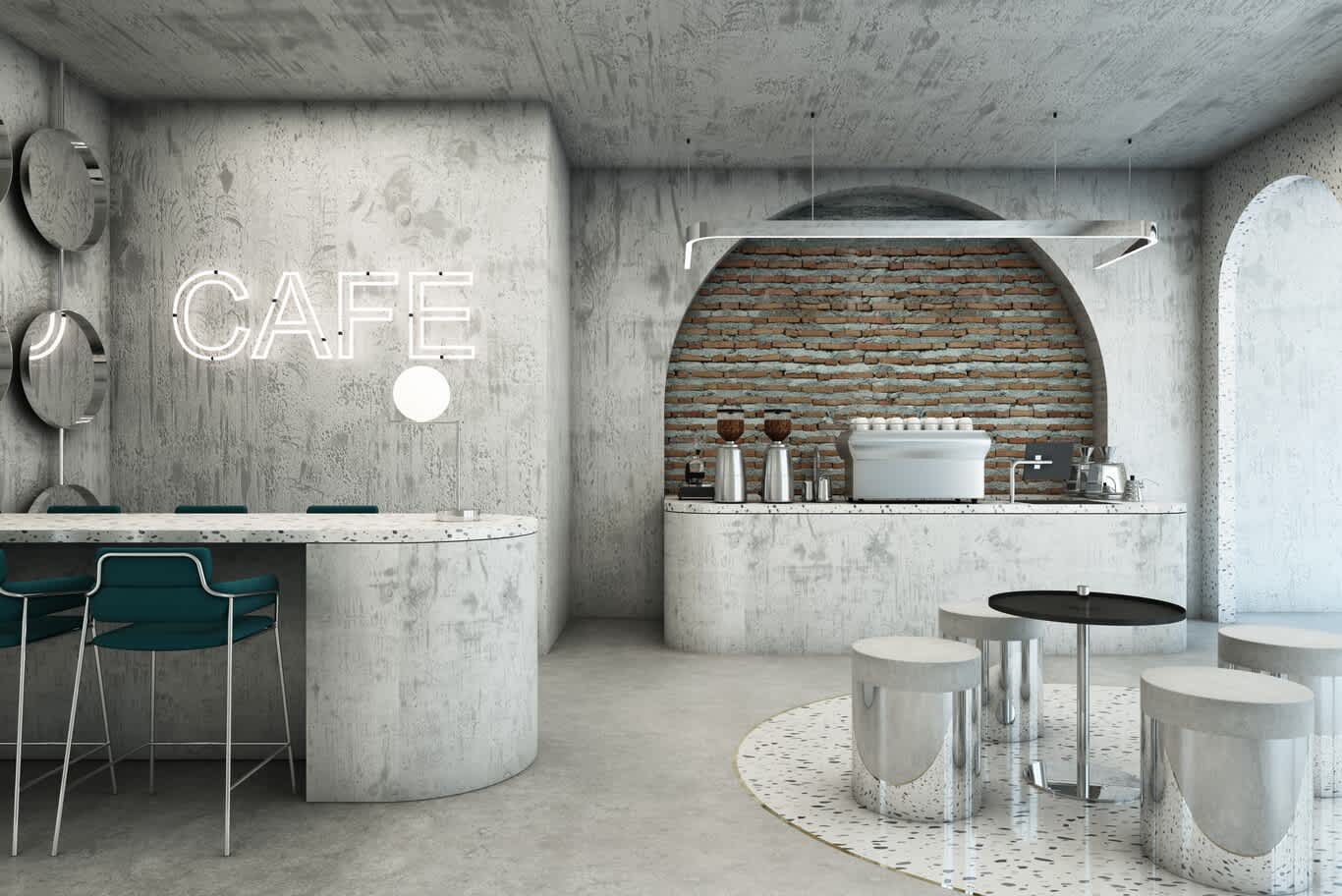
This transparency builds trust. It makes coffee preparation part of the cafe experience.
8- Hidden Storage and Organization Systems
Minimalist design requires strict decluttering. Every item in the environment demands attention. Simplifying the space reduces "decision fatigue" for customers.
Small interiors benefit from creative storage solutions that blend with the design.
● Pull-Out Drawers: These integrate within lower cabinetry to maximize accessibility without visual clutter.
● Appliance Garages: Lift-up mechanisms hide blenders or grinders when not in use.
● Pantry Walls: Floor-to-ceiling custom cabinetry creates a seamless surface.
● Mobile Islands: Rolling carts with locking wheels provide workstations as needed.
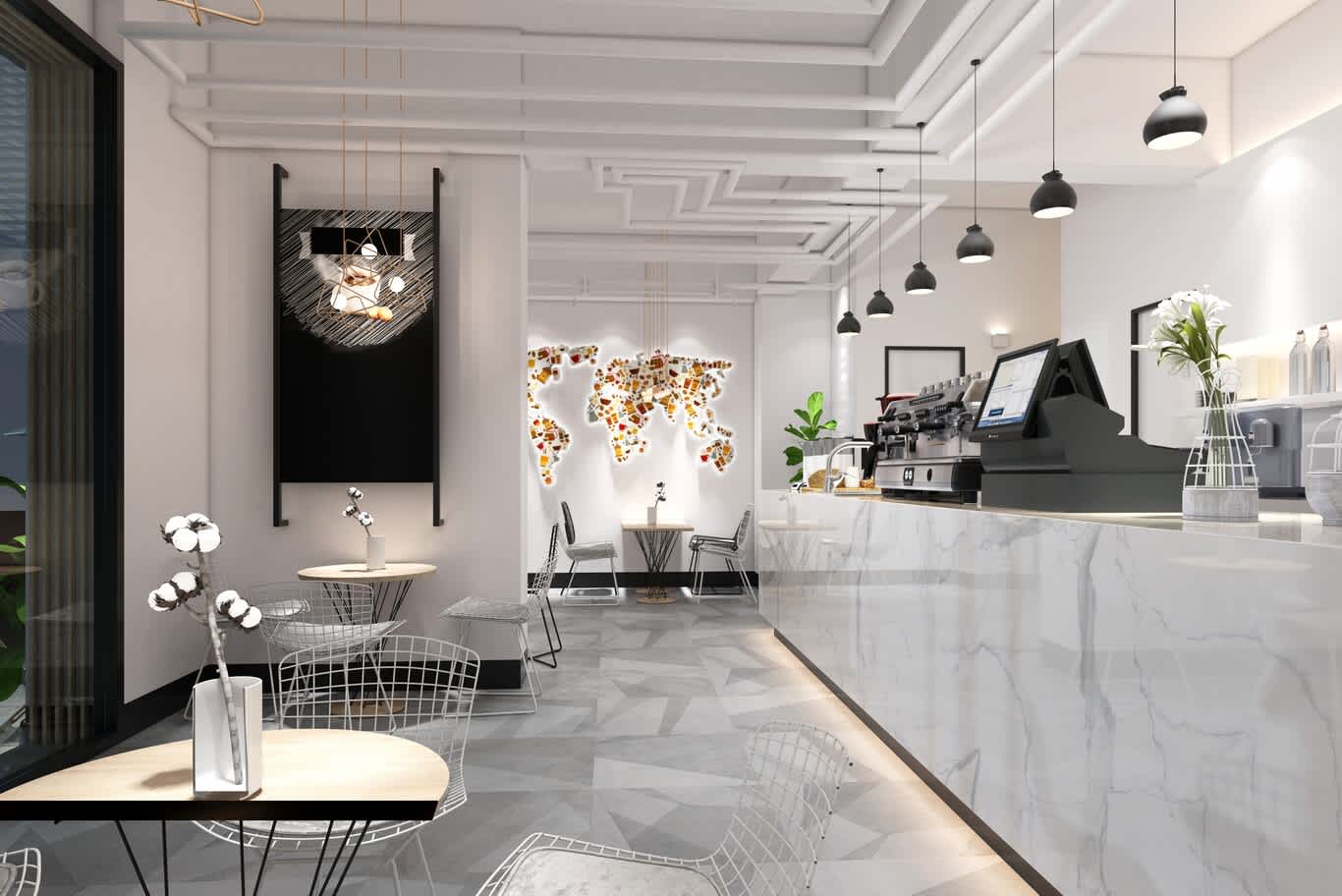
Floating shelves and built-in racks keep floor space free. Using transparent materials like glass for shelving creates an illusion of airiness.
9- Economic Analysis and Strategic Feasibility
Minimalist design looks simple, but it often requires a higher investment in high-quality materials and craftsmanship. There is no decorative excess to hide structural errors.
Operationally, minimalist cafes benefit from higher perceived value and faster staff onboarding due to clear workflows. The timeless nature of the design means these spaces age better than trendy spots, offering a superior long-term return on investment.
10- The Psychological Impact of Cleanliness and Quality
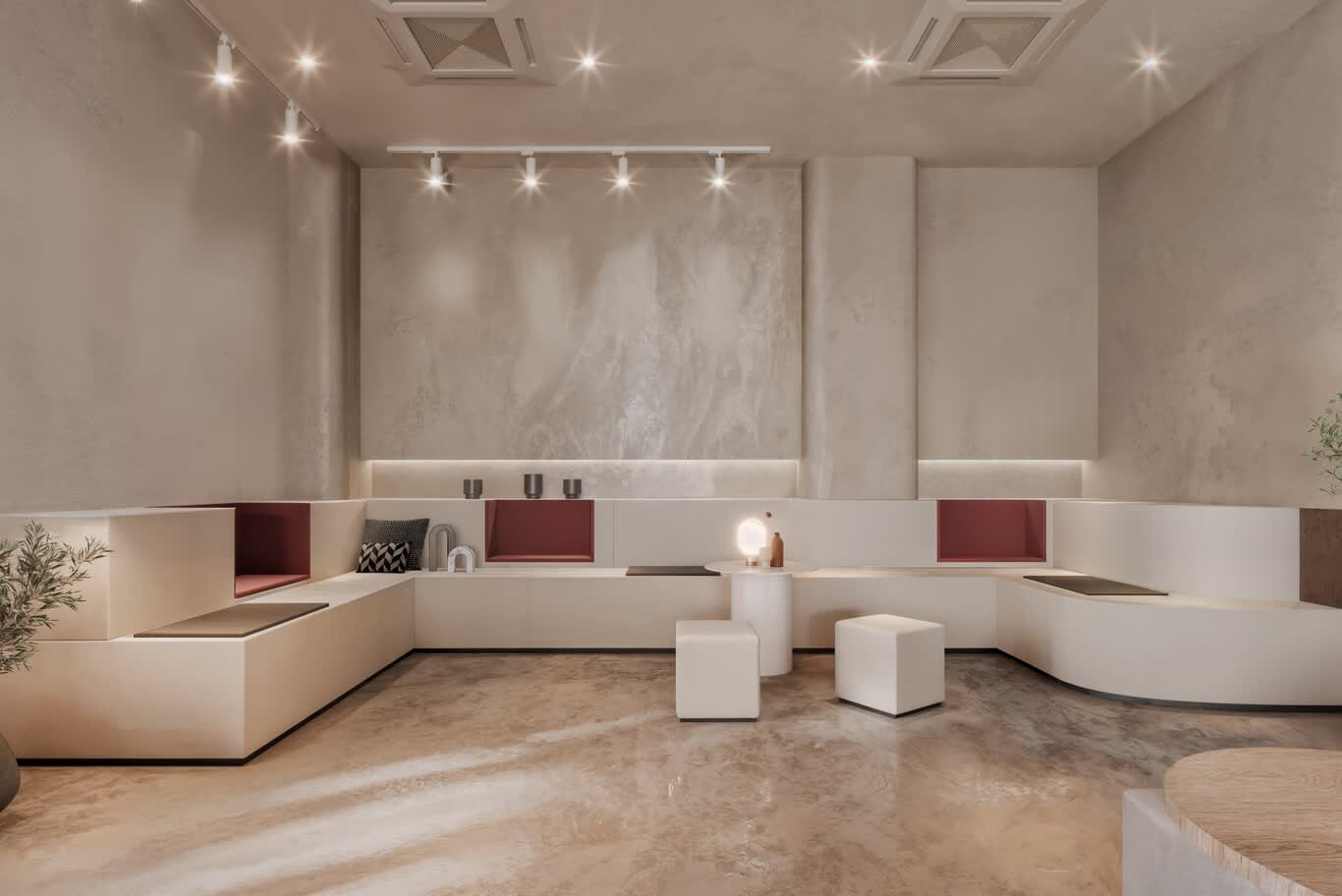
Minimalist design acts as a psychological signal for the customer. The aesthetic values clarity, so patrons interpret the space as a sign of purpose and high standards.
Subconscious Influences on Trust:
● Perceived Hygiene: A link exists between minimalist environments and perceived cleanliness. This accounts for approximately 42% of restaurant satisfaction. Bright lighting and clear surfaces signal reliability.
● Shininess and Transparency: Reflective surfaces and open brewing stations create a "theatre of transparency." This builds trust in the process.
● Visual Quietness: Quietness communicates value in a loud world. A streamlined product projects luxury and careful consideration.
Understanding these triggers allows owners to use design to influence loyalty and willingness to pay premium prices.
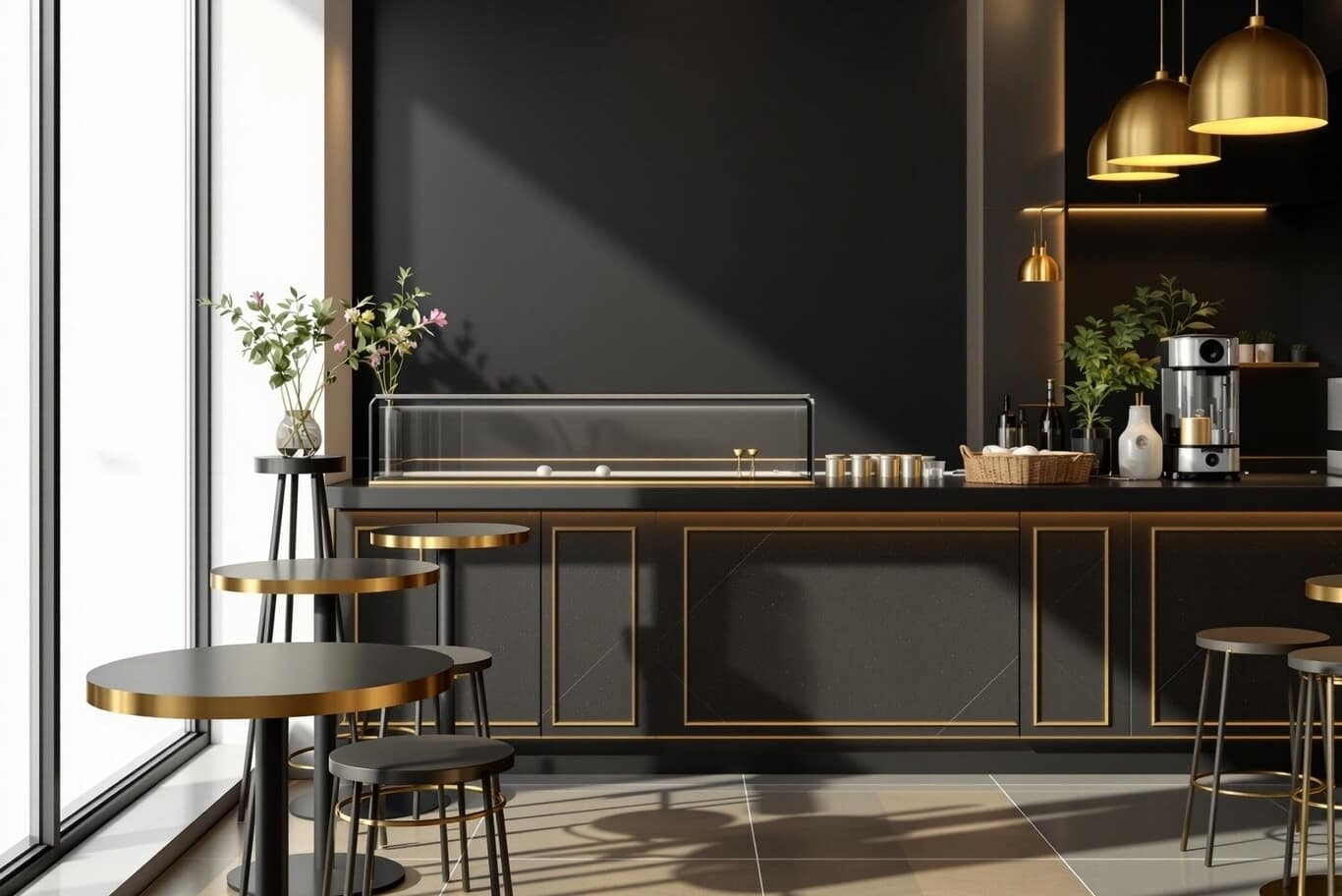
Gulf Presence and Regional Identity
A challenge in the Middle East is making luxury cafe design clean yet distinctive and rooted in local culture. A minimalist cafe must express its brand identity through materials that reflect its environment.
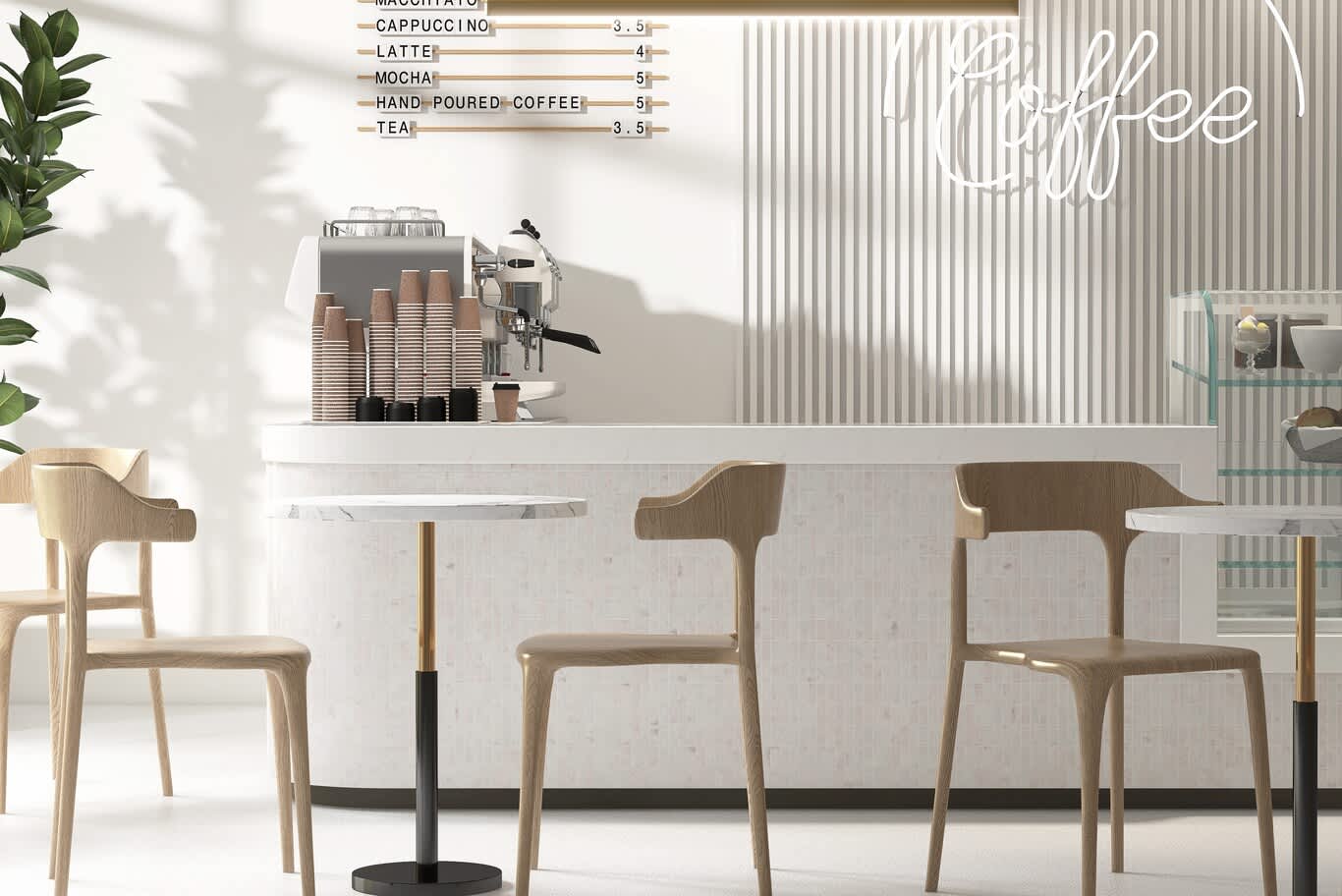
The UAE hosts world-class examples of luxury cafe designs in the DIFC. It utilizes biophilic approaches and wabi-sabi to reflect the landscape. Architects and interior designers in Sharjah and Ajman use texture-rich minimalism. Spaces in Umm Al Quwain, Ras Al Khaimah, and Fujairah prioritize open-concept plans celebrating coastal light.
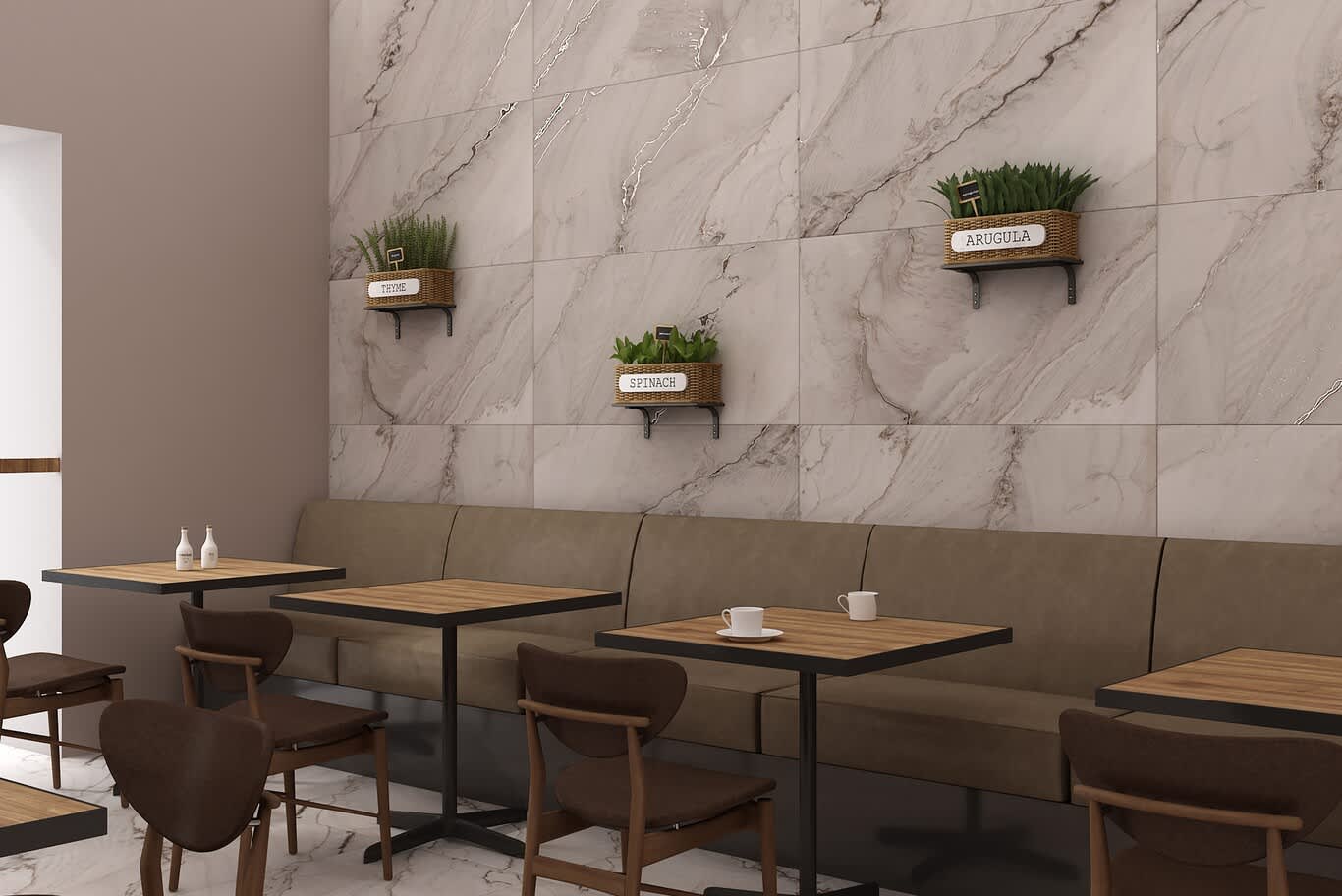
Saudi Arabia sees the cafe transform into the "new majlis," mixing tradition with modern architecture. Fitting out a space in Riyadh or Jeddah involves using sand-textured cement and wood to mirror the arid climate. This appears in the work of Alaa Basem for Roots Cafe in Kuwait City. This localized approach extends to Hail, where Camel Step integrates local design into its roasteries. It extends into Doha, Muscat, and Manama, where brands celebrate identity through regional stone. Blending global coffee culture with the stories of Qatar, Oman, Bahrain, and the Gulf, fit-out companies create spaces that are contemporary and locally situated.
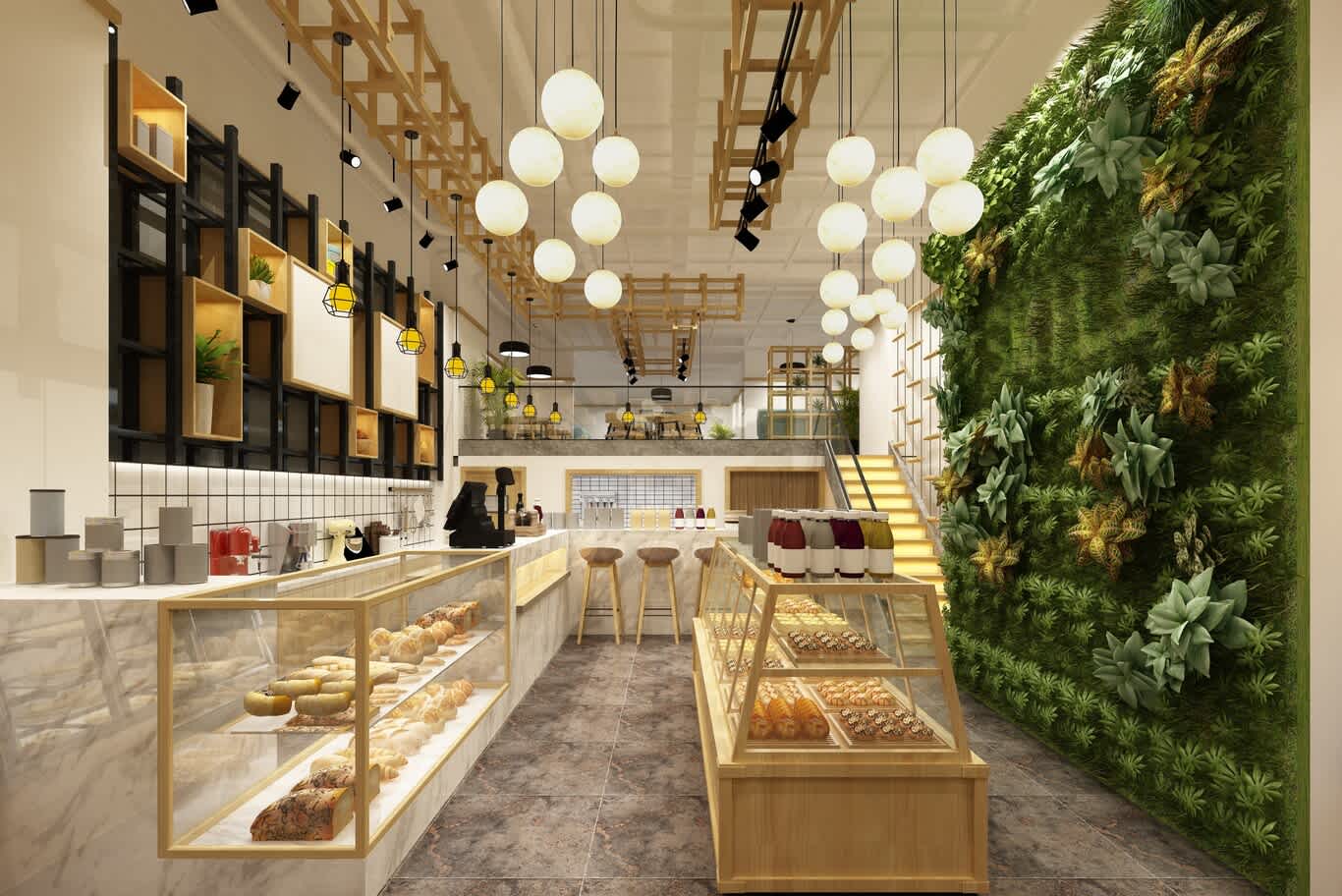
Conclusion: Designing Meaningful Spaces
Executing a minimalist cafe interior requires a synthesis of architectural philosophy, technical engineering, and consumer psychology. Focusing on these ten principles—from Ma to invisible infrastructure—allows designers to create environments that are visually striking and accommodating to the human experience.
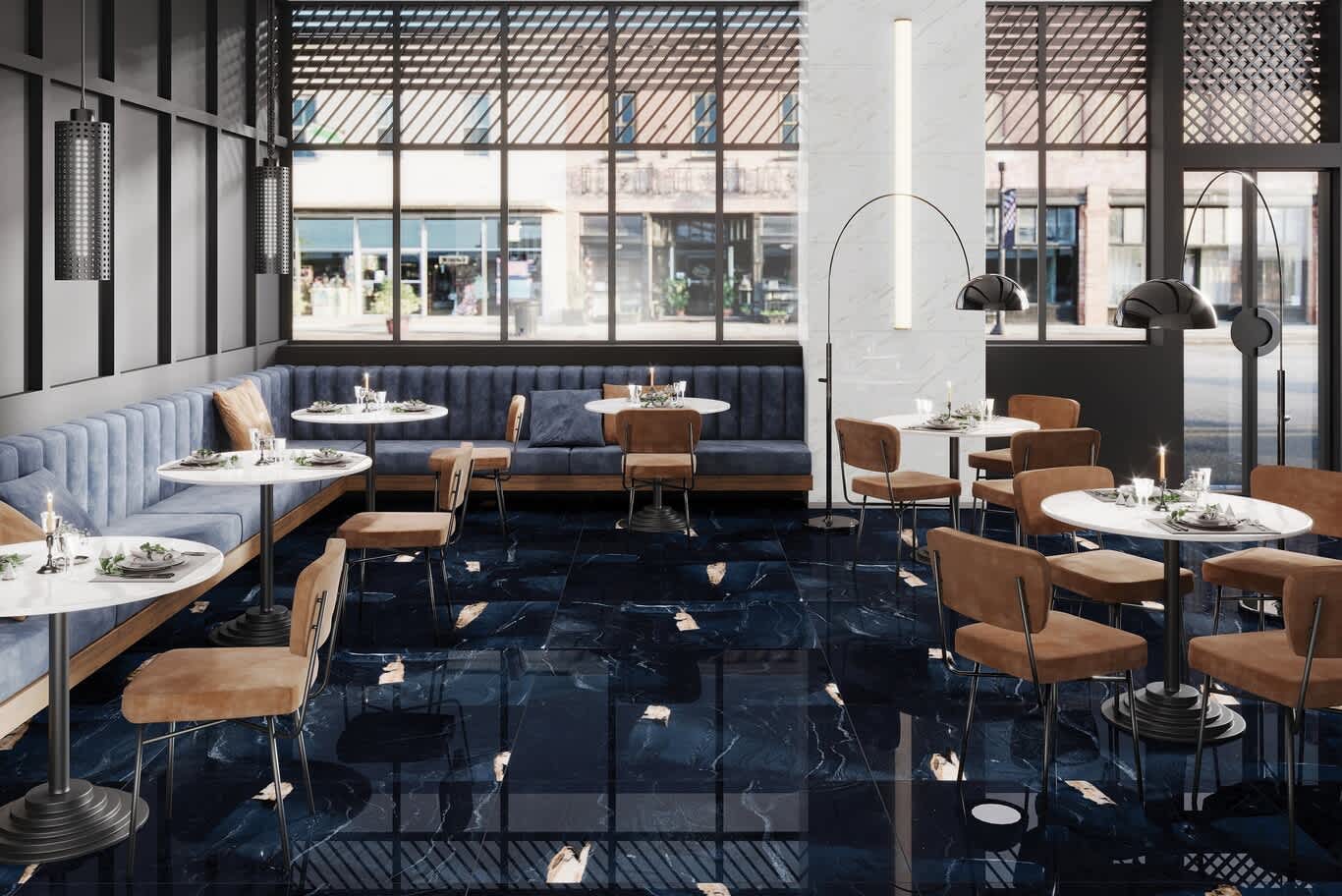
Minimalist cafe design is about doing "more with less." It ensures every element has a purpose. As the hospitality industry matures, establishments that balance simplicity with operational clarity and local situatedness will lead. They create the next generation of meaningful, healthy spaces.
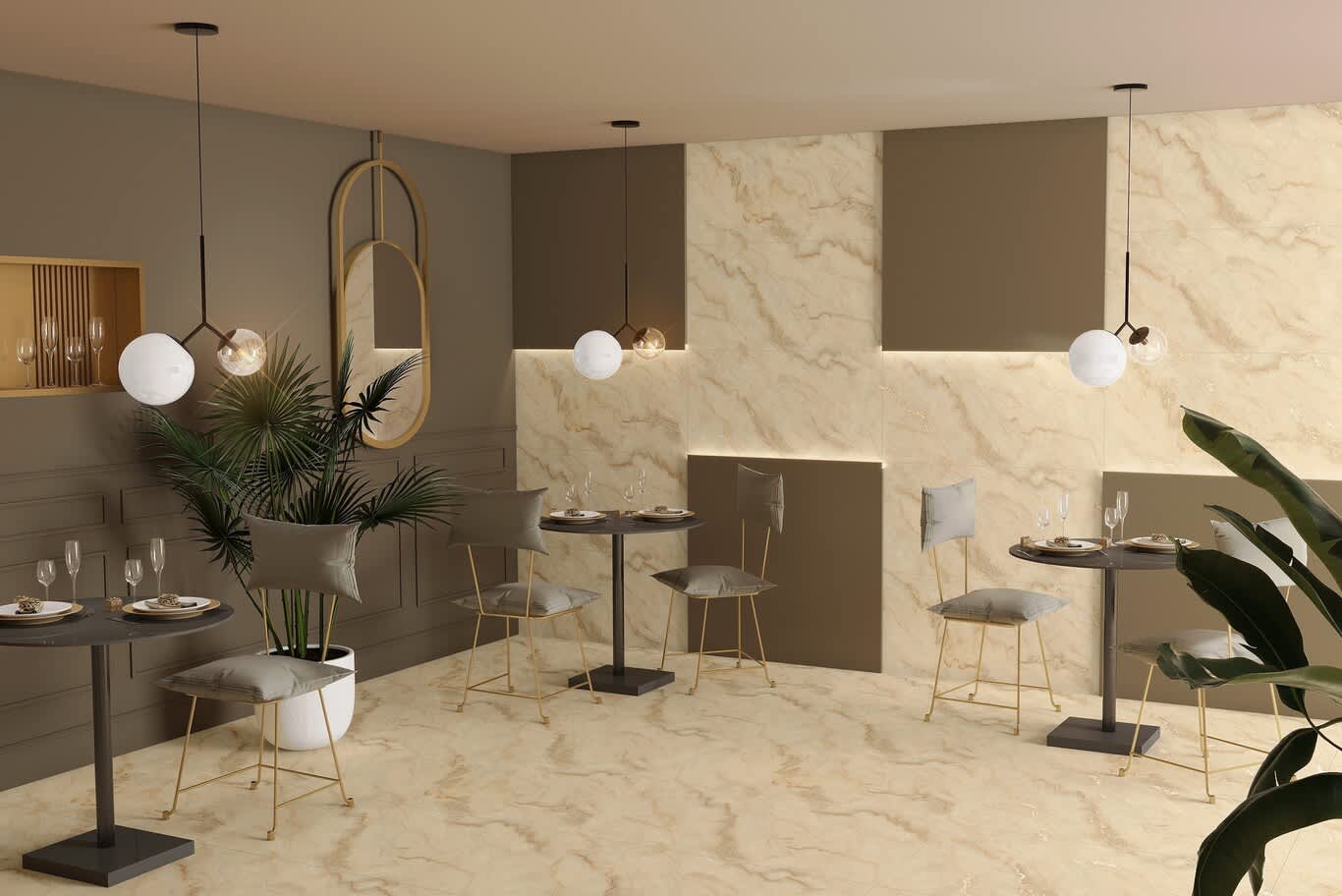
Bring Your Vision to Life with Algedra
Ready to create a space that defines the next generation of hospitality? Algedra stands as a premier interior design company in the Gulf, specializing in high-performance, minimalist interiors that blend cultural depth with modern architecture. Our team understands the nuance of creating sensory sanctuaries in Dubai, Riyadh, Doha, and beyond.
Contact Algedra today to transform your cafe concept into a landmark destination.
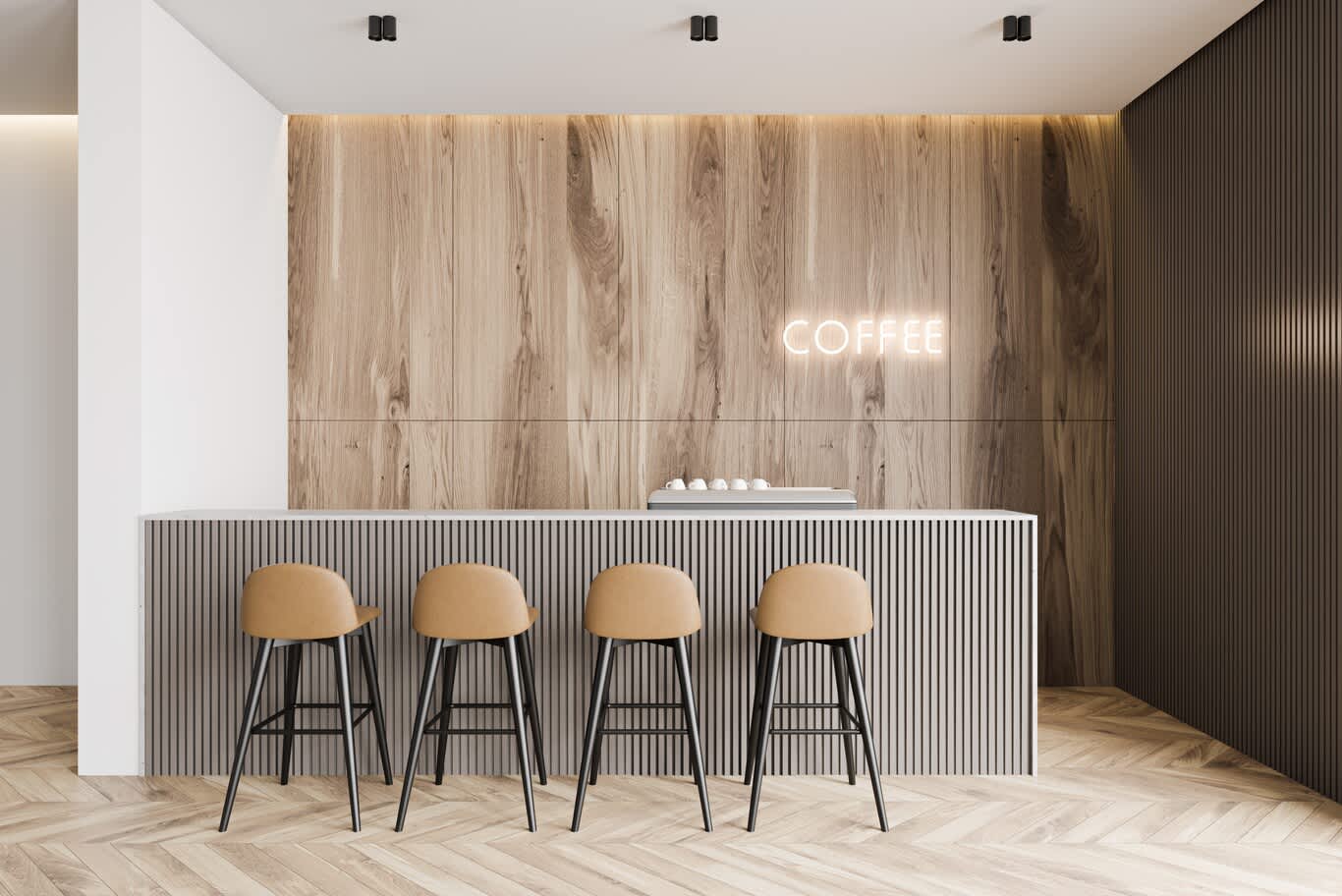
Frequently Asked Questions (FAQ)
1. What defines minimalist cafe interior design?
Minimalist cafe design focuses on removing unnecessary decoration to highlight the essentials: architectural form, high-quality materials, and light. It creates a space that feels open, clean, and purposeful.
2. Is minimalist design cheaper than other styles?
Not necessarily. While it uses fewer decorative items, the cost often shifts to high-quality materials and craftsmanship. Minimalist spaces cannot hide structural errors, so the build quality must be flawless.
3. Does minimalist design work for small spaces?
Yes, it is ideal for small footprints. Strategies like the Japanese concept of Ma and linear configurations maximize perceived space, making small areas feel airy and functional.
4. What is the best lighting temperature for a cafe?
It depends on the time of day. Warmer light (2200K−2700K) works best for evening relaxation, while cooler light (3000K−3500K) supports alertness during the morning rush.
5. How do you control noise in a minimalist cafe with hard surfaces?
Designers use "invisible" acoustic solutions. These include seamless acoustic plaster for ceilings, wood-inspired PET panels, and ceiling baffles that absorb sound without ruining the clean aesthetic.
6. What type of furniture suits a minimalist cafe?
Furniture should have clean silhouettes and light structures. Iconic Bauhaus designs or Scandinavian Modern pieces work well because they are functional, durable, and visually light.
7. How does minimalist design affect customer behavior?
Organized, clutter-free spaces lower cortisol levels and reduce anxiety. This encourages customers to linger longer, focus better, and perceive the product as higher quality.
8. Where does the espresso machine go in a minimalist layout?
Modern designs often use under-counter systems like Modbar. The bulky boiler sits hidden in the cabinet, leaving only the sleek taps on the counter to allow eye contact between the barista and customer.
9. Is minimalist design difficult to maintain?
It requires discipline. Because there is no clutter to hide messes, staff must keep surfaces clean. However, using authentic materials like stone and wood allows surfaces to age gracefully over time.
10. How can minimalist design fit the Middle East region?
Designers adapt the style by using local materials. Sand-textured cement, local limestone, and open layouts that celebrate coastal light allow the design to feel rooted in the Gulf's environment while remaining modern.
FREE CONSULTATION
TELL US ABOUT YOUR PROJECT
WE WOULD LOVE TO HEAR FROM YOU
Feel free to reach us via this contact form and one of our Design Consultants will get back to you at earliest.
OUR BRANCHES
UAE - DUBAI
+971 52 8111106 | hello@algedra.ae
TURKEY - ISTANBUL
+90 533 701 89 71 | info@algedra.com.tr
Leading Interior Design and Decor Company in Dubai and Abu Dhabi.
Algedra is a reputable, internationally recognized, and one of the most successful interior design companies in Dubai, and Abu Dhabi, which specializes in delivering interior design, architectural, and creative space planning projects throughout GCC, MENA, North Africa, Turkey and Russia.
Algedra is a one-stop solution for all your residential interior design and fit-out needs. We have successfully completed numerous villa interior and exterior design projects, where we integrated quality and originality to deliver interior masterpieces.
ALGEDRA, Interior Design Company in Dubai, is specialized in providing elegant and stunning interior design services for both residential and commercial projects. We turn our clients' dreams into reality, trans- lating their tastes and needs into beautiful and functional spaces.
Since the day we were founded, we have designed and built many branded residences, resorts, hotels, multi-purpose social spaces, and palace designs with different functions and concepts by following the ever-changing design trends over the world.
A key element of our work is a fusion of different cultures and designs, combining Greek, Italian, Eastern and Western influences with British innovation.
As a team of highly qualified interior designers and engineers, Algedra offers complete architectural services from mall design to corporate office design as well as the exterior design of any project based on customers' needs.
Our customers include leading names, we have completed diverse projects in hospitality, landscape, commercial, and residential designs. These projects contain cafes, restaurants, gym, villas, family sitting rooms, bedrooms, kitchens; all showcasing our company's exquisite details and high-end designs.
Residential Interior Design in Dubai
Algedra's interior designers and architects have an important mission: building villas, houses, apartments, condos, and anywhere else where you reside that will fulfill your needs while being structurally safe and sound.
Architectural Designs
There are so many details that go into designing an architectural design project. Every step of the project has been carefully considered for safety and daily comfort by Algedra's experts.
Commercial Design
Conceptualizing spaces for business, to elevate style, and to increase functionality to help enhance the bottom line of a company is vital, as well as employee comfort and interior design too. Our commercial interior designers translate client's concept in ways that are efficient, attractive and provide professional workspaces.
Fit-out Projects
Algedra Interiors delivering high-quality tailored fit-out projects that transform your villas, palaces and commercial spaces.
We're a passionate team of interior designers, architects and engineers. Every day we help clients to solve interior design problems and create engaging spaces!
Wherever you are in Kuwait, Saudi Arabia, Azerbaijan, Qatar, Morocco, Algeria, Tunisia, Libya, Egypt; don't hesitate, contact us to find out more about why we are one of the best interior design companies in Dubai and Abu Dhabi!