Home Page | Blog | Feasibility Studies 101: What Investors Need Before Breaking Ground
Feasibility Studies 101: What Investors Need Before Breaking Ground
7/20/2026
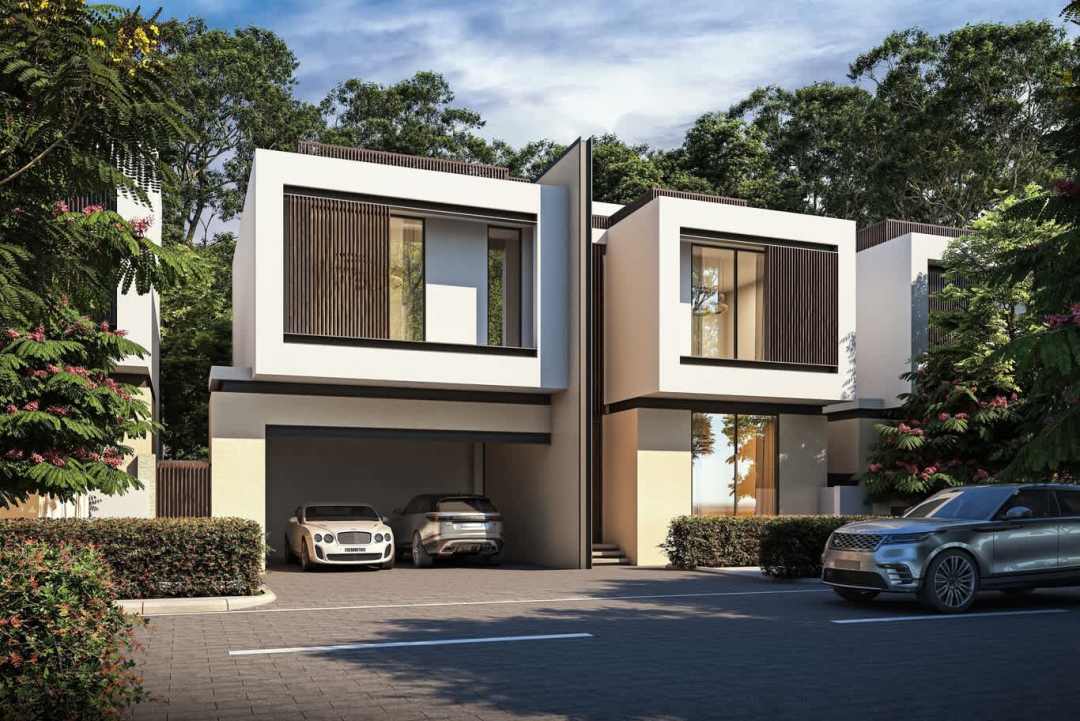
Picture the moment. You are standing on a bare plot in Dubai — sand underfoot, a view of the skyline in the distance, a purchase agreement waiting for your signature. Every developer we have ever worked with remembers this exact moment, because it is the point where imagination runs fastest and evidence runs thinnest. The tower feels inevitable. The villas feel pre-sold. The numbers, in your head, already work.
Here is the insider truth, and we say it to every client who walks into our advisory studio: the most expensive mistakes in real estate are made before a single brick is laid. They are made at the land purchase, in the choice of asset class, in a payment plan signed on optimism rather than analysis. A feasibility study exists to catch those mistakes while they still cost you a report fee instead of a construction budget.
At Algedra, our advisory team has spent close to two decades running feasibility studies and site research for investors across the UAE and the wider Gulf — from single-plot villa developments in Emirates Hills to hospitality and mixed-use schemes. What follows is the full anatomy of a proper study: what goes into it, what it reveals, and why the sharpest capital in Dubai refuses to break ground without one.
The real question a feasibility study answers
Strip away the jargon and a real estate feasibility study answers one question with documented evidence: should this project be built, in this form, on this land, at this time?
Notice the precision. The question is rarely "is this a good plot?" — Dubai has thousands of good plots. The question is whether your specific concept on this specific site produces a return that justifies the capital, the risk, and the three to five years of your attention it will consume. A feasibility study is a forward-looking analysis of a proposed development, which distinguishes it from a valuation or appraisal — those assess what an existing asset is worth today. The study looks ahead; the appraisal looks at the present. Serious investors commission both at different stages, and lenders increasingly expect to see the feasibility work before they price your debt.
Case in point: a client came to us several years ago with land intended for a boutique office building. The market analysis inside the study showed residential demand in that district outpacing commercial absorption by a wide margin — and the residual value calculation confirmed that apartments would return roughly forty percent more on the same plot. He built residential. The study cost him a fraction of one percent of the project value and changed the entire outcome.
That is the function. A feasibility study is the cheapest expensive decision you will ever make.
Reading the land itself: site analysis and zoning
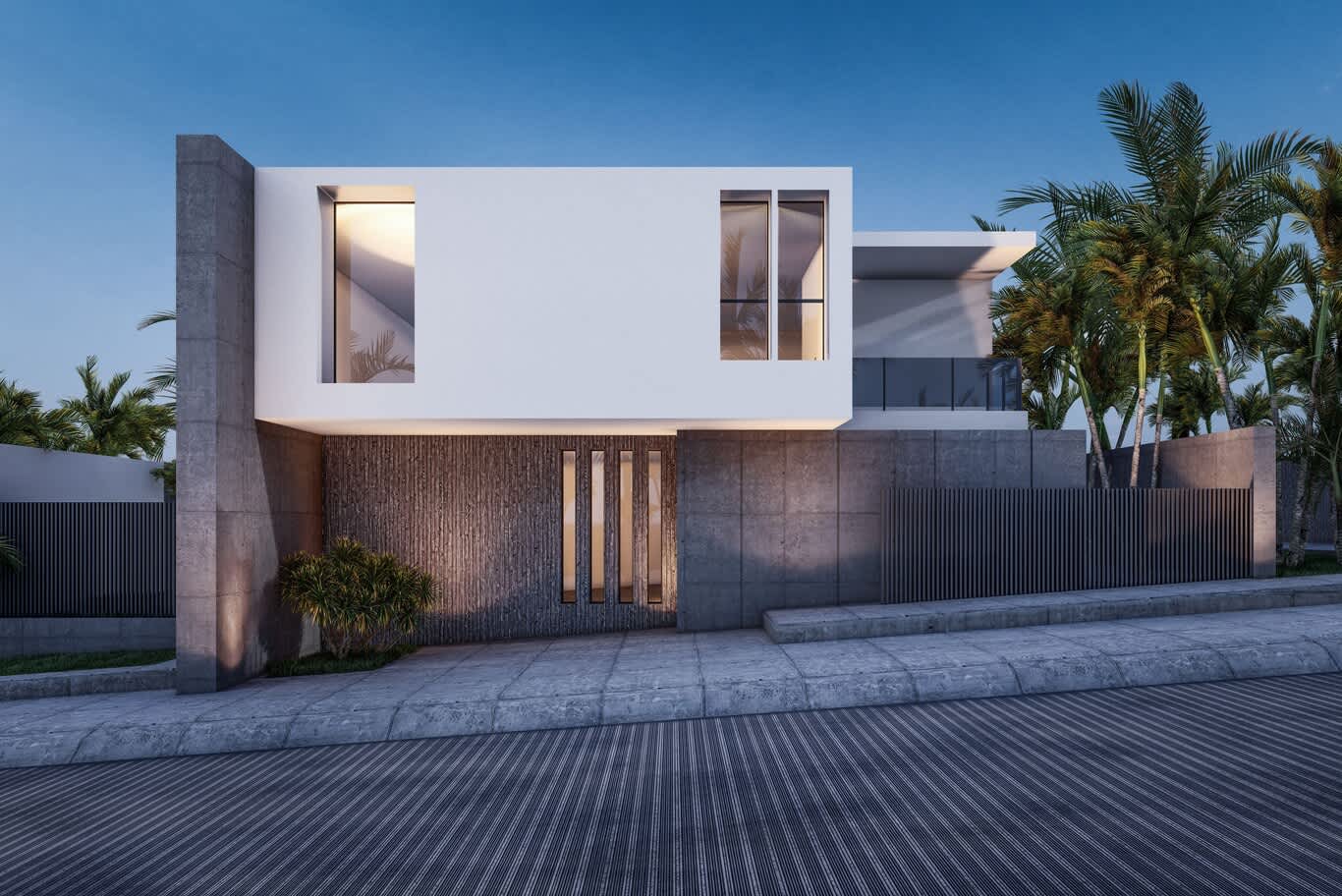
Every study we run begins where the project begins — the ground. Site analysis is the forensic examination of the plot: topography, elevation and slope, soil composition, drainage and flood behaviour, existing utilities and road access, orientation to sun and prevailing wind. In the Gulf climate, that last point carries real money. A west-facing glass façade in Dubai adds measurable cooling load for the life of the building; a study that flags it early lets the architect respond with orientation, shading depth, and glazing specification while those choices are still free.
Soil deserves a special mention, because it is the least glamorous line item and the most common source of budget shock. Sabkha conditions — the salt-flat soils found across parts of the UAE coastline — can demand ground improvement or deeper piling that adds meaningfully to substructure cost. Your quantity surveyor can only price what the geotechnical data reveals. We have watched investors skip the soil investigation to save a modest fee, then absorb a seven-figure surprise at excavation.
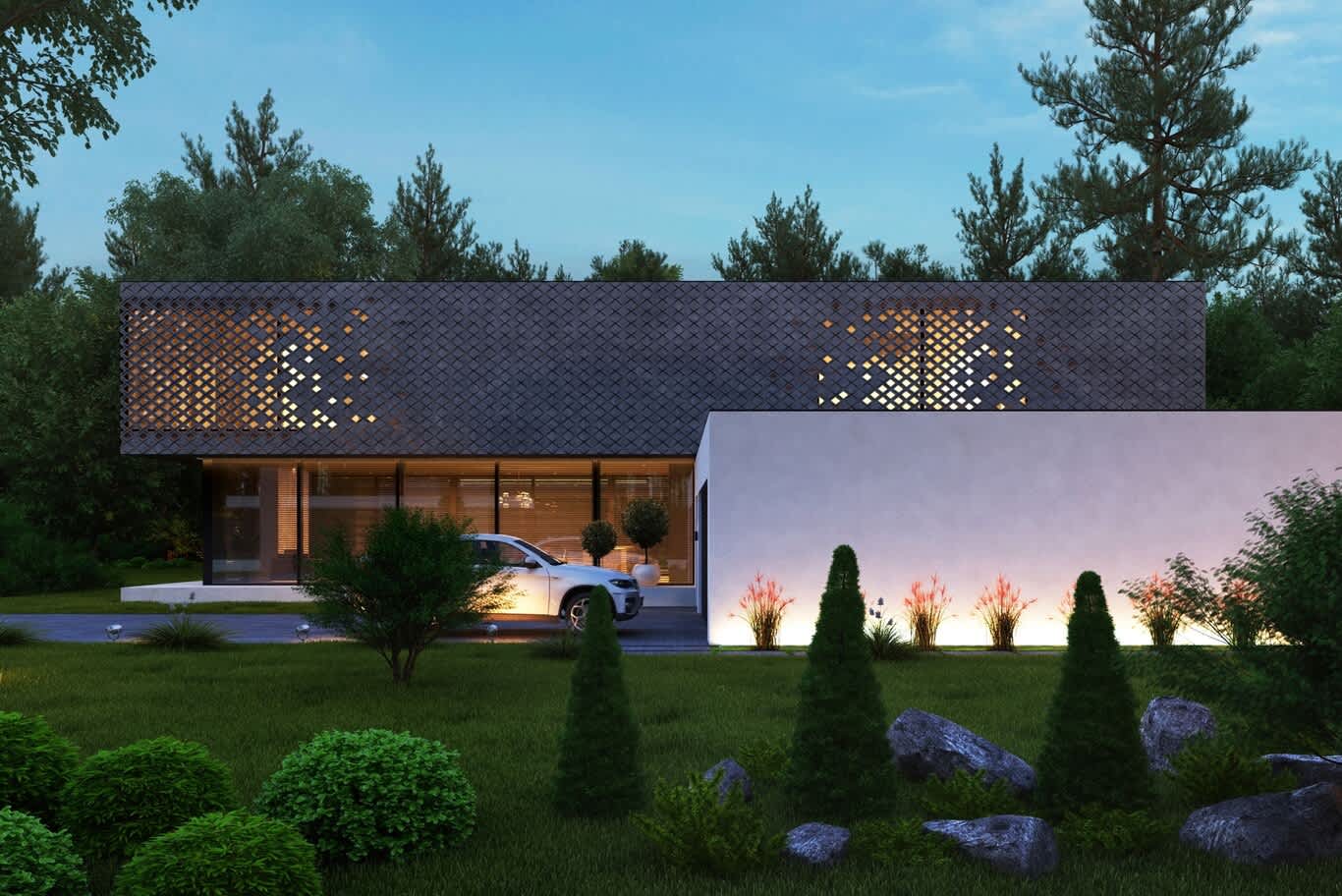
Then comes zoning, the legal skeleton of your project. Zoning regulations determine what you may build: the permitted use (residential, commercial, hospitality, mixed), the plot coverage, the setbacks from each boundary, the height limit, and — most decisive of all — the floor area ratio, which caps your total buildable area against the plot size. FAR is destiny. It defines your maximum gross floor area, which defines your sellable or leasable area, which defines your revenue ceiling before a single design decision is made. An elegant concept that exceeds the permitted plot ratio is a beautiful drawing of a building that will never receive a permit.
Our zoning review also maps the approval pathway itself: which authority governs the plot — Dubai Municipality, Trakhees for Nakheel-master-planned areas, the DDA for design district land — and what each will require. Master developer design guidelines add a further layer in communities such as Emirates Hills or Dubai Hills Estate, where façade materials, roof forms, and even boundary wall heights are regulated. Investors from abroad are routinely surprised by this second rulebook. We build it into the study so it surprises no one.
Market analysis: reading demand before you commit capital
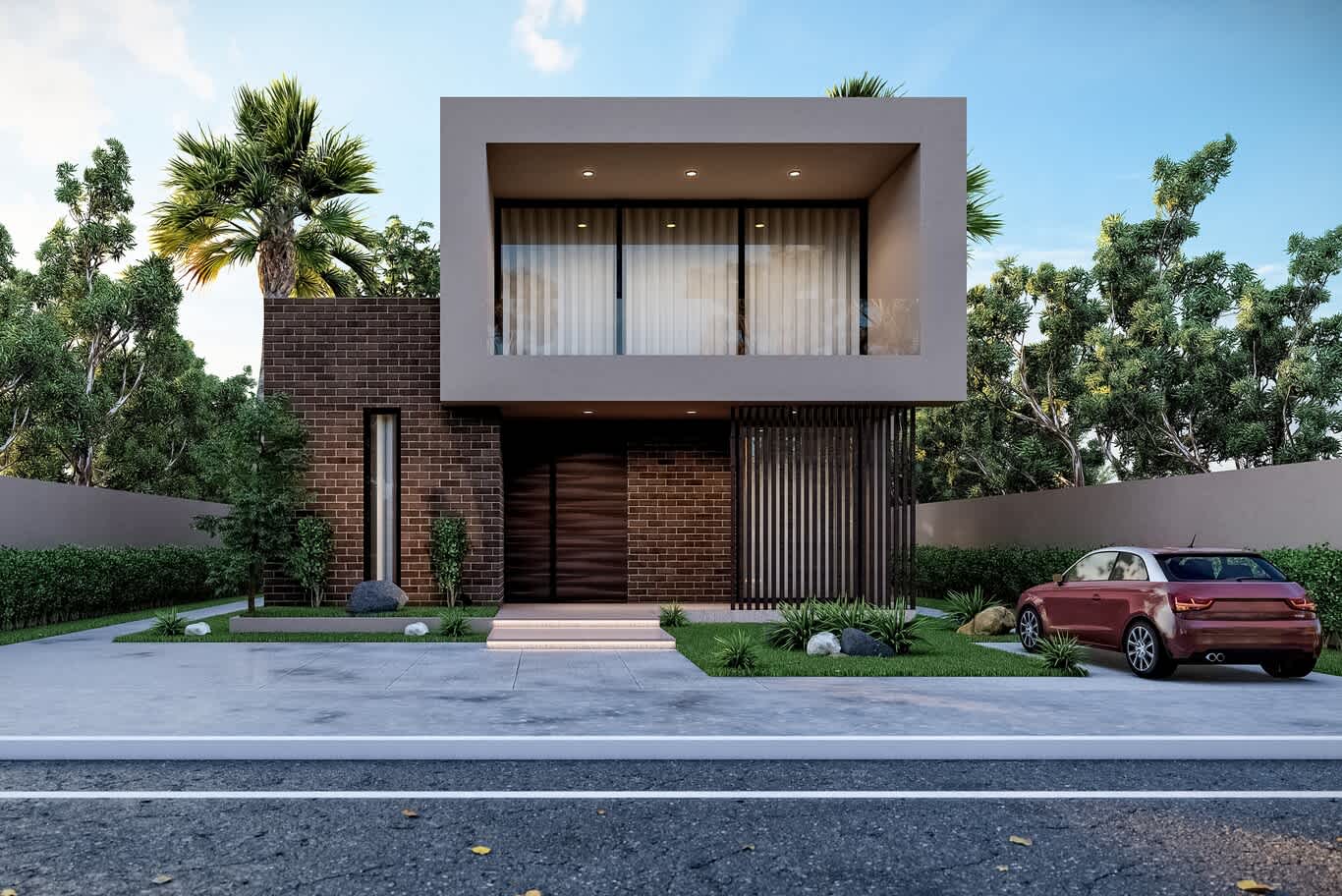
The market chapter is where the study earns its keep, and it is where Dubai currently offers a genuinely remarkable data environment. Dubai Land Department publishes transaction records with a transparency that most global markets would envy — actual sale prices, actual volumes, actual rental contracts through Ejari. A disciplined analyst can reconstruct absorption in any district to a fine grain.
The numbers right now explain why so much capital is standing on plots like yours. Dubai recorded AED 291.7 billion in real estate transactions across roughly 87,800 deals in the first half of 2026, with average prices up nine percent and off-plan sales capturing about 71 percent of all transactions. Momentum of that kind is intoxicating — and it is exactly when feasibility discipline matters most, because rising markets forgive weak projects only until they stop rising.
A proper market analysis inside a feasibility study covers four territories. Demand: who is the buyer or tenant for your product — end-user families, yield-focused investors, corporate tenants, tourists — and how deep is that pool in your district? Supply: what is already built, and more importantly, what is in the pipeline within your catchment with handover dates that overlap your own? Pricing: what are comparable units actually transacting at, per square foot, this quarter — with off-plan and ready stock read separately? Competition: what are the three projects your buyer will tour before yours, and what will make them choose you?
The pipeline question deserves your sharpest attention. Dubai's development cycle moves quickly, and a district that looks undersupplied today can receive twenty thousand units of announced inventory within a launch season. A feasibility study models your absorption against that future supply, using realistic sales velocity rather than launch-weekend euphoria. Cognac ages well; launch-day sales rates, as a rule, do not.
The financial model: where the dream meets the spreadsheet
Now the arithmetic — the chapter your lender will read first and your future self will thank you for. The financial feasibility model translates the entire project into costs, revenues, and returns, and stress-tests all three.
On the cost side, the study separates hard costs from soft costs. Hard costs cover construction itself: substructure, superstructure, façade, MEP systems, fit-out, and landscaping. Soft costs cover everything that makes construction possible — design fees, authority fees and permits, project management, marketing, financing costs during the build. A useful rule from our own project history: investors habitually model hard costs with care and soft costs with wishful thinking, and soft costs on a Dubai development can run fifteen to twenty-five percent of the construction figure. Fit-out grade alone swings budgets dramatically — premium residential interiors in Dubai currently run in the region of AED 600 to 1,000 per square foot, with ultra-luxury specifications climbing well past that, figures we detailed when we broke down villa fit-out budgets and timelines earlier this year. Your feasibility model has to commit to a specification tier, because "we'll decide finishes later" is a budgeting method with a perfect record of failure.
On the revenue side, the model projects sales income or rental income against the market chapter's evidence — price per square foot by unit type, sales velocity by quarter, or stabilised occupancy and average rate for hospitality assets. Then come the metrics that decide the project's fate. Residual land value tells you the maximum you can pay for the plot while preserving your target return — negotiate land price from this number, never toward it. Development margin measures profit against total cost; institutional developers in this market typically look for fifteen to twenty percent before they proceed. IRR captures the time-weighted return your equity earns, which matters enormously in development because capital flows out for years before revenue flows in.
The most valuable pages, in our experience, are the sensitivity tables. A credible study shows how returns move when construction costs overrun by ten percent, when sales take six months longer than planned, or when exit pricing softens — because at least one of those three will happen. A project that survives the downside cases is feasible. A project that only works in the base case is a hope with a spreadsheet attached.
The regulatory layer: Dubai's rulebook as an asset
Investors arriving from less structured markets tend to view regulation as friction. In Dubai, the reverse is true — the regulatory framework is one of the strongest arguments for building here, and your feasibility study should map it as an advantage.
The architecture is worth understanding. Dubai Land Department registers every transaction and title; RERA, its regulatory arm, oversees developers, brokers, and projects. For anything sold off-plan, escrow accounts are mandatory — buyer payments sit in a regulated account and are released to the developer only against certified construction milestones, and off-plan sales must be registered through the Oqood system. For you as a developer, that framework shapes your cash flow model directly: pre-sale revenue supports construction on a regulated drawdown schedule rather than arriving as free cash. For you as an investor buying into someone else's project, it is the mechanism protecting your capital. Either way, the feasibility study builds these rules into the financial timeline, along with the standard four percent DLD transfer fee and the authority costs specific to your plot's jurisdiction.
A quiet piece of insider advice: the approval timeline belongs in your model as a cost, not a footnote. Design development, authority submissions, and permit issuance consume months, and every month of land holding before construction is financed money earning no return. Our development consultancy team schedules this pathway plot by plot, because a Trakhees approval sequence and a Dubai Municipality sequence are different animals with different appetites.
Highest and best use: the design intelligence most studies lack
Here is where our perspective diverges from the accounting firms that also produce feasibility reports. A spreadsheet can tell you whether a concept is viable. It takes an architect to tell you whether it is the right concept.
Highest and best use analysis asks what the land wants to become — legally permissible, physically possible, financially rewarding, and maximally productive. The interplay between design and feasibility is where value hides. Two towers with identical gross floor area can differ by double-digit percentages in sellable efficiency depending on core placement, floor plate geometry, and unit mix. A villa plot yields entirely different returns as a single signature residence versus a pair of semi-detached homes, and the answer depends on what the district's buyers actually pay premiums for. A hotel concept lives or dies on the ratio of keys to food-and-beverage area, decided years before an operator signs.
Because Algedra is an architecture and design house first, our studies test these scenarios as designed options, with massing, efficiency ratios, and unit mixes attached to each financial case — the approach our development consultancy and management team then carries through approvals and delivery. The study stops being a document about whether to build and becomes a document about what to build. That distinction, in our experience, is worth more than every other chapter combined.
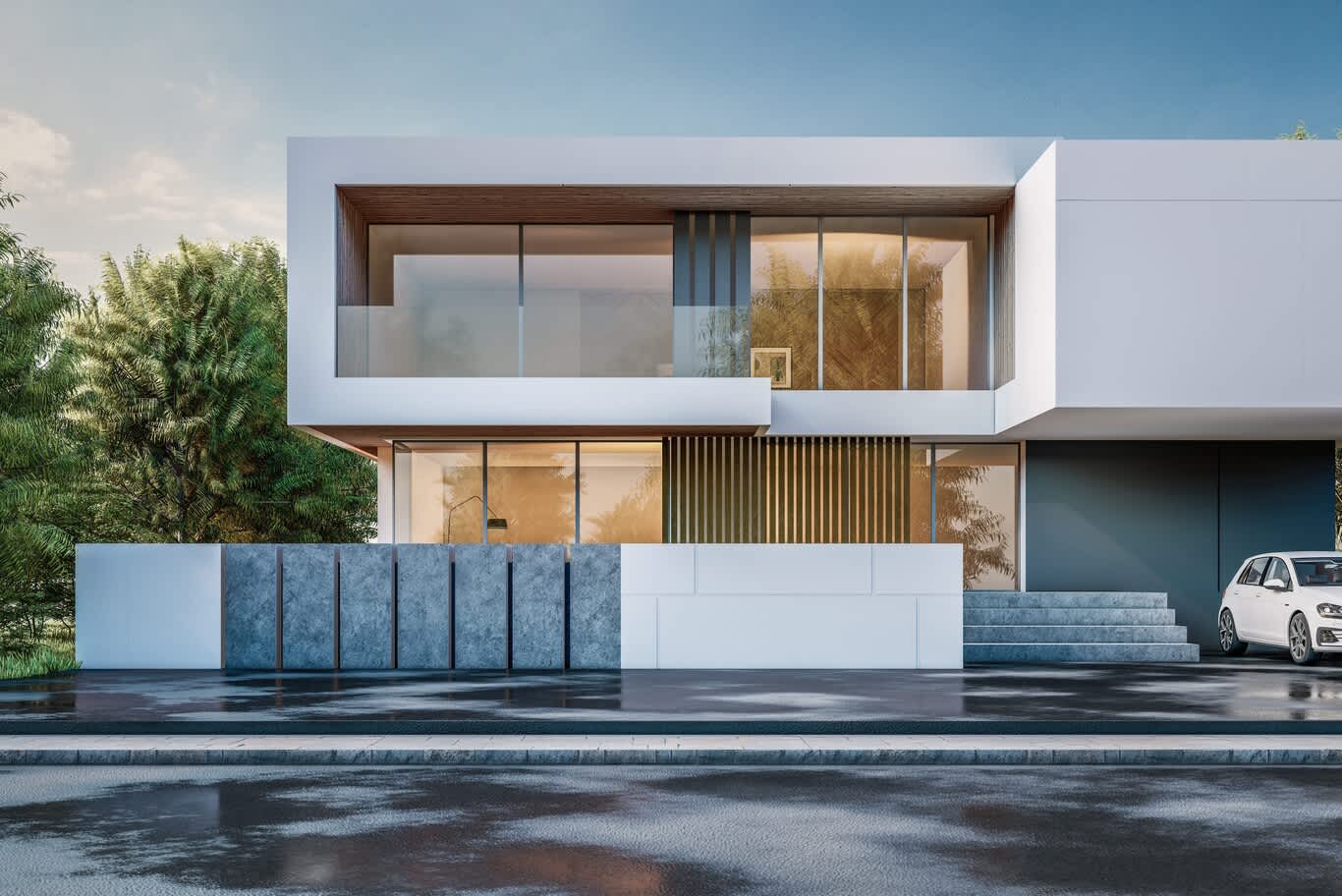
What skipping the study actually costs
We will keep this brief, because the pattern repeats with depressing reliability. Projects that break ground without feasibility work meet the same handful of endings: a budget that balloons once ground conditions or approval requirements surface; a product mismatched to its district — two-bedroom stock in a family-villa catchment, offices where residential absorbs; a payment structure that starves construction cash flow mid-build; or a completed asset that leases eventually, at a yield that would have redirected the capital elsewhere had anyone run the numbers first.
Every one of those endings was visible in advance. That is the uncomfortable beauty of feasibility work — it converts future losses into present knowledge, at a price measured in weeks and a modest fee rather than years and a construction loan.
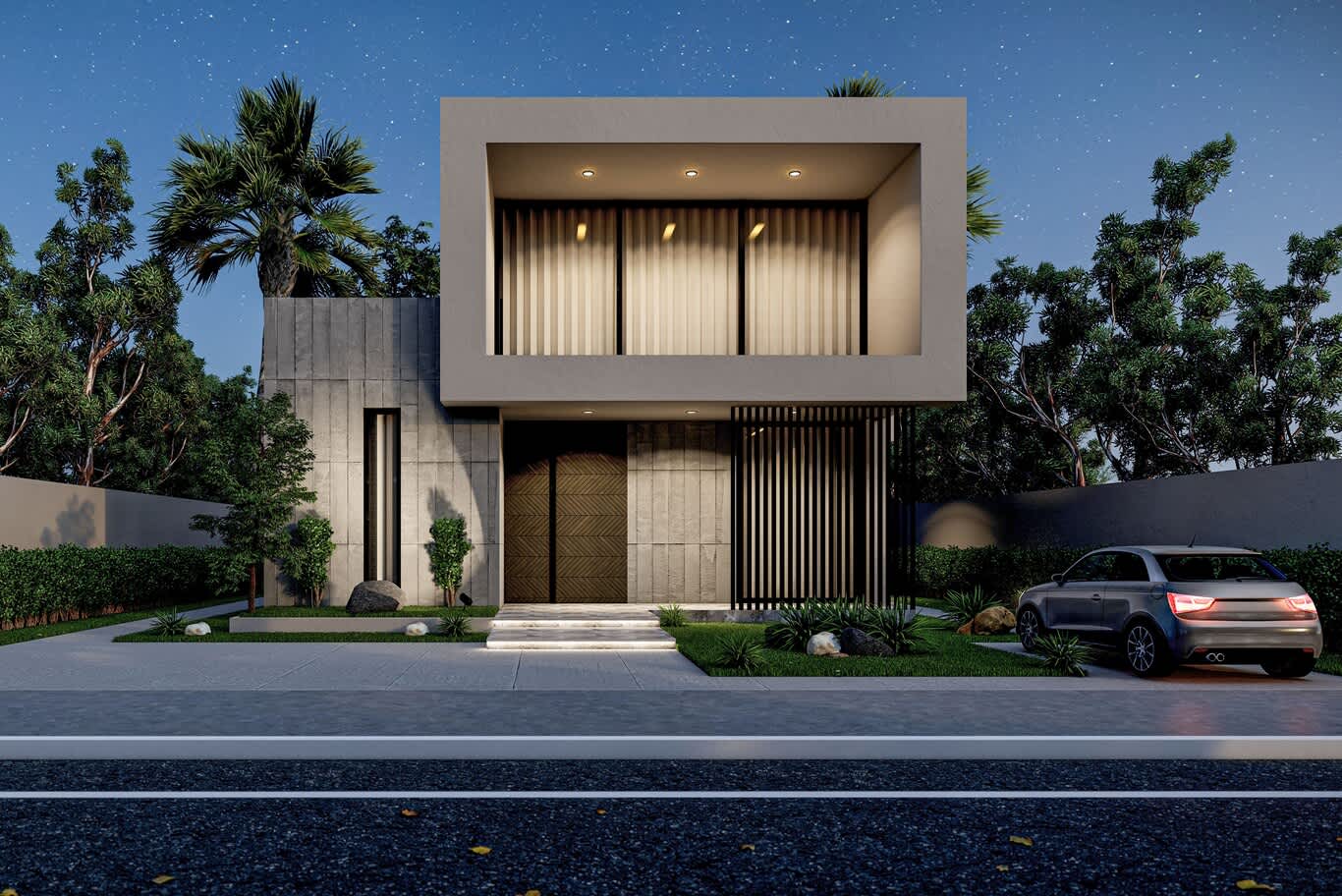
The practical part: timing, inputs, and what to bring us
A focused study for a single-plot residential development typically takes three to six weeks; complex mixed-use or hospitality schemes run longer, often eight to twelve, because operator assumptions and layered approvals demand deeper verification. The intelligent moment to commission one is before land acquisition — while the study can still shape the price you pay — or immediately after, while it can still shape everything else.
What we ask from you is refreshingly small: the plot details or affection plan, your investment objective (sell, hold for yield, or occupy), your indicative budget range, and any concept you are already attached to. We bring the transaction data, the zoning verification, the cost intelligence from our own live projects across the Emirates, and the design scenarios. You receive a document that a bank credit committee, a joint-venture partner, and your own board can all interrogate — and that holds up under interrogation.
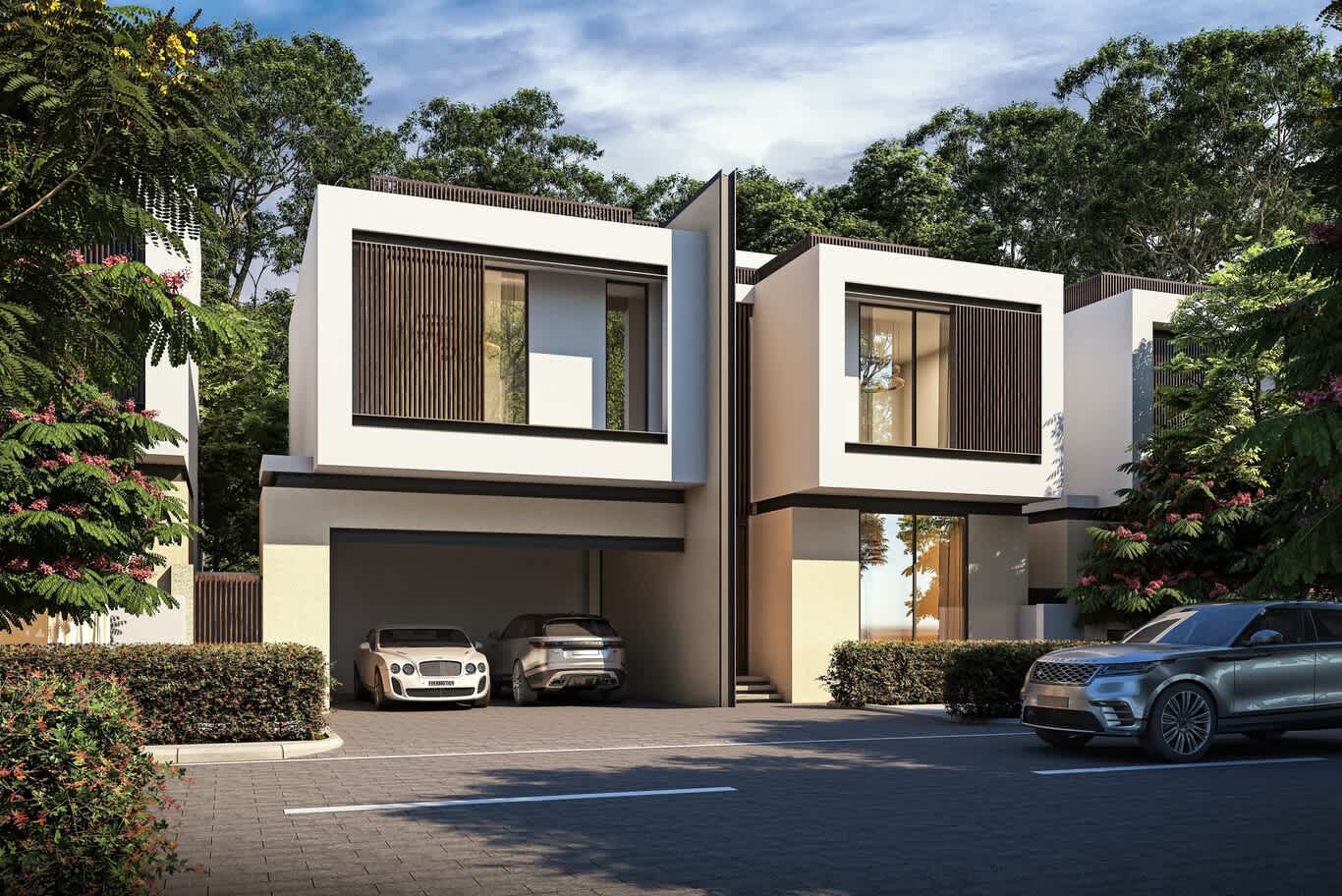
Where we conduct feasibility studies
Our advisory and research teams serve investors across Dubai — including Downtown, Business Bay, Dubai Hills Estate, Palm Jumeirah, Emirates Hills, Jumeirah Golf Estates, MBR City, and Dubai Creek Harbour — as well as Abu Dhabi, Sharjah, and the wider Emirates. Through the Algedra Group's international offices, we extend the same research discipline to projects across the GCC, Türkiye, and select global markets, always grounded in local transaction data and the local rulebook.
Before you sign anything
Return to that bare plot for a moment — the sand, the skyline, the agreement waiting for your signature. The plot will still be there in six weeks. The difference is that you will stand on it knowing the soil beneath your shoes, the ceiling above your massing, the depth of your buyer pool, and the number below which the land makes sense and above which it quietly stops making sense.
Our real estate advisory team builds that certainty for a living. Share your plot with us, and we will tell you — with evidence — what it is capable of.
Enquire: Contact Us Discover: Research Services & Feasibility Studies
FREE CONSULTATION
TELL US ABOUT YOUR PROJECT
WE WOULD LOVE TO HEAR FROM YOU
Feel free to reach us via this contact form and one of our Design Consultants will get back to you at earliest.
OUR BRANCHES
UAE - DUBAI
+971 52 8111106 | hello@algedra.ae
TURKEY - ISTANBUL
+90 533 701 89 71 | info@algedra.com.tr
Leading Interior Design and Decor Company in Dubai and Abu Dhabi.
Algedra is a reputable, internationally recognized, and one of the most successful interior design companies in Dubai, and Abu Dhabi, which specializes in delivering interior design, architectural, and creative space planning projects throughout GCC, MENA, North Africa, Turkey and Russia.
Algedra is a one-stop solution for all your residential interior design and fit-out needs. We have successfully completed numerous villa interior and exterior design projects, where we integrated quality and originality to deliver interior masterpieces.
ALGEDRA, Interior Design Company in Dubai, is specialized in providing elegant and stunning interior design services for both residential and commercial projects. We turn our clients' dreams into reality, trans- lating their tastes and needs into beautiful and functional spaces.
Since the day we were founded, we have designed and built many branded residences, resorts, hotels, multi-purpose social spaces, and palace designs with different functions and concepts by following the ever-changing design trends over the world.
A key element of our work is a fusion of different cultures and designs, combining Greek, Italian, Eastern and Western influences with British innovation.
As a team of highly qualified interior designers and engineers, Algedra offers complete architectural services from mall design to corporate office design as well as the exterior design of any project based on customers' needs.
Our customers include leading names, we have completed diverse projects in hospitality, landscape, commercial, and residential designs. These projects contain cafes, restaurants, gym, villas, family sitting rooms, bedrooms, kitchens; all showcasing our company's exquisite details and high-end designs.
Residential Interior Design in Dubai
Algedra's interior designers and architects have an important mission: building villas, houses, apartments, condos, and anywhere else where you reside that will fulfill your needs while being structurally safe and sound.
Architectural Designs
There are so many details that go into designing an architectural design project. Every step of the project has been carefully considered for safety and daily comfort by Algedra's experts.
Commercial Design
Conceptualizing spaces for business, to elevate style, and to increase functionality to help enhance the bottom line of a company is vital, as well as employee comfort and interior design too. Our commercial interior designers translate client's concept in ways that are efficient, attractive and provide professional workspaces.
Fit-out Projects
Algedra Interiors delivering high-quality tailored fit-out projects that transform your villas, palaces and commercial spaces.
We're a passionate team of interior designers, architects and engineers. Every day we help clients to solve interior design problems and create engaging spaces!
Wherever you are in Kuwait, Saudi Arabia, Azerbaijan, Qatar, Morocco, Algeria, Tunisia, Libya, Egypt; don't hesitate, contact us to find out more about why we are one of the best interior design companies in Dubai and Abu Dhabi!