Home Page | Blog | The Qatari Majlis: Heritage, Layout and Contemporary Design Ideas
The Qatari Majlis: Heritage, Layout and Contemporary Design Ideas
9/16/2026
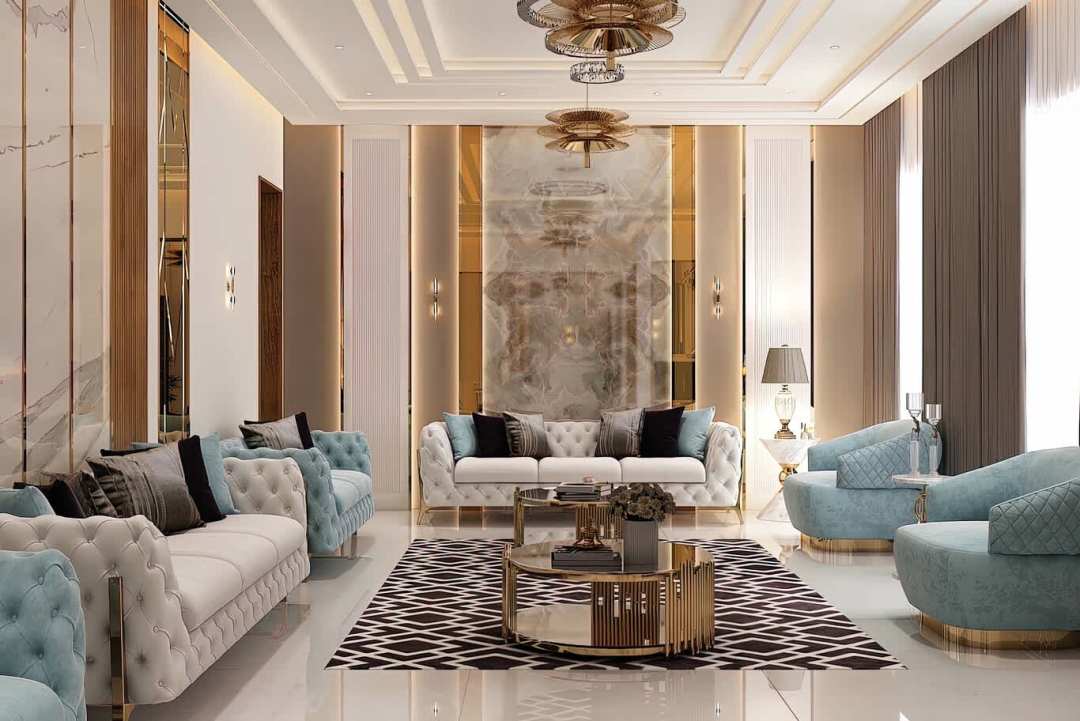
The coffee arrives first. A host lifts the brass dallah, pours a thin stream of cardamom gahwa into a small finjan and hands it to the eldest guest, while bukhoor smoke curls up from a mabkhara by the door. Cushions woven in red, black and ivory bands line the wall, and the conversation settles in for the evening. Qatari majlis design begins with that ritual and works outward to the walls, the ceiling and the light. In villas across Doha, the room still receives more thought than any other space in the house, because it carries the family's welcome to the outside world. Our designers plan majlis interiors for homes of every scale, and the guide below follows the room from the courtyard houses of old Doha to the reception wings of contemporary villas — its layout, its woven heritage, the coffee service that shapes its plan, and the materials, lighting and acoustics that let it host a long night of conversation in comfort.
A Room at the Centre of Qatari Life
Across the Gulf, the majlis has served as a place of counsel, celebration, condolence and everyday hospitality for generations. Neighbours gather there after evening prayers, families mark weddings and Eid, and news, poetry and business all pass across the same carpet. UNESCO recognises the tradition on its Representative List of the Intangible Cultural Heritage of Humanity as "Majlis, a cultural and social space", with Qatar among the countries that share it.
Its importance explains why the room receives the finest materials in a Qatari home. Guests form their impression of the household there, and hosts expect it to perform for a dozen visitors on an ordinary night and many more during Ramadan. A majlis plan therefore starts with questions of use — who arrives, through which door, how coffee reaches the room and how the family moves around it privately.
Those questions sit at the heart of our majlis interior design service for villas and palaces across the Gulf, and they shape every section that follows.
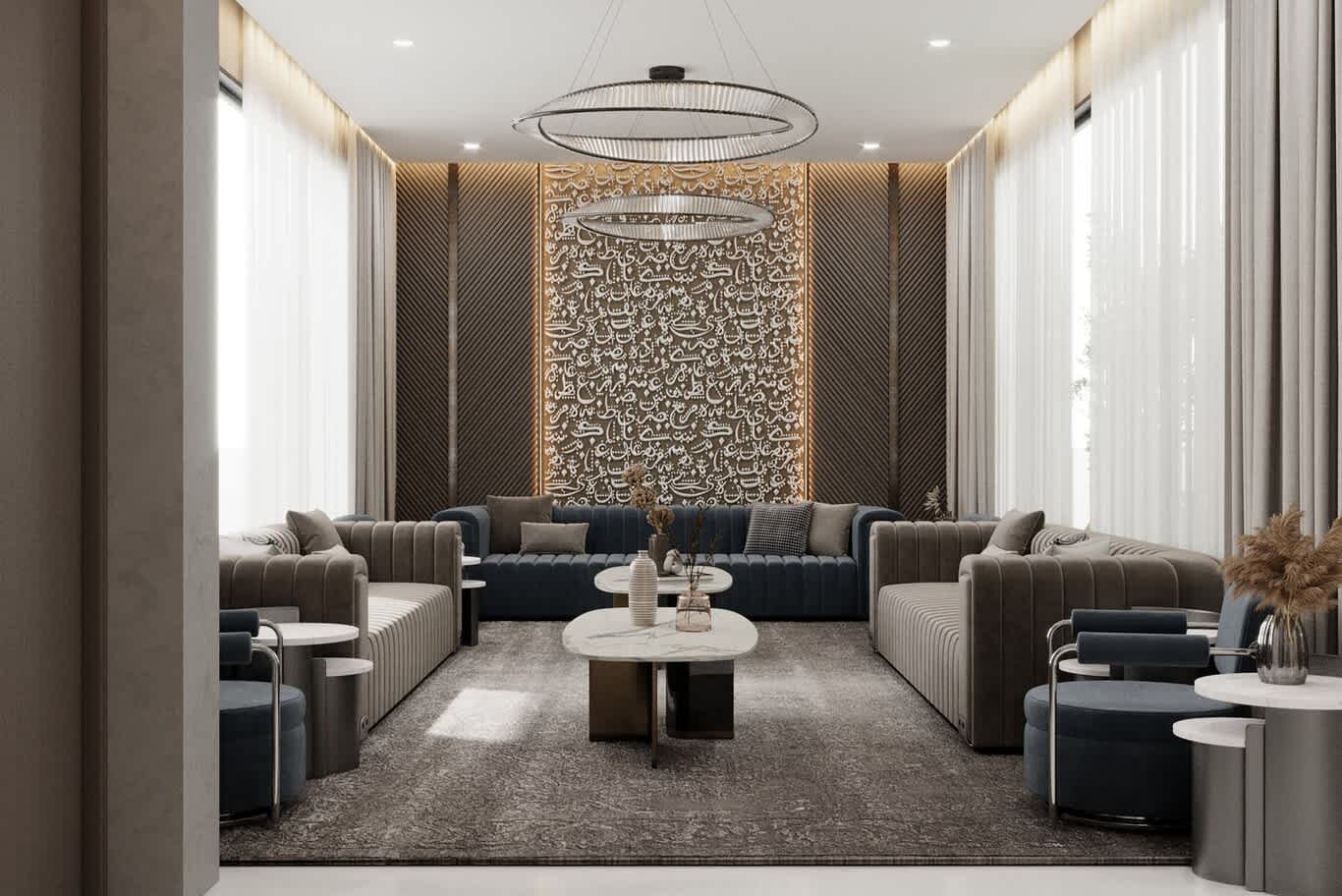
The Majlis in the Traditional Qatari House
Old Doha homes were built around a central courtyard, the hosh, open to the sky and shaded by a liwan — a covered arcade that kept rooms cool through the summer. Thick walls of coral stone and gypsum mortar held the heat at bay, and wind towers, known locally as barjeel, pulled breezes down into living rooms.
The majlis occupied a special position within that plan. Visit Qatar notes that the room sat near the entrance and was traditionally the only room with windows onto the street, so guests could be received with the family quarters kept entirely private. Low seating let visitors relax with folded legs, with carpets across the floor and cushions set against the wall.
Decoration tracked the family's means. Wealthier houses fitted their majlis windows with coloured glass and carved gypsum panels in symmetrical geometric designs. Simpler homes carved recessed wall niches, called roshaneh, which held lamps, coffee pots and treasured objects.
You can walk through that heritage today at Msheireb Museums in the heart of Doha, where four restored historic houses — Bin Jelmood House, Company House, Mohammed Bin Jassim House and Radwani House — preserve courtyards, gypsum work and room arrangements from the city's earlier life. For designers, they remain one of the best local references for proportion and ornament.
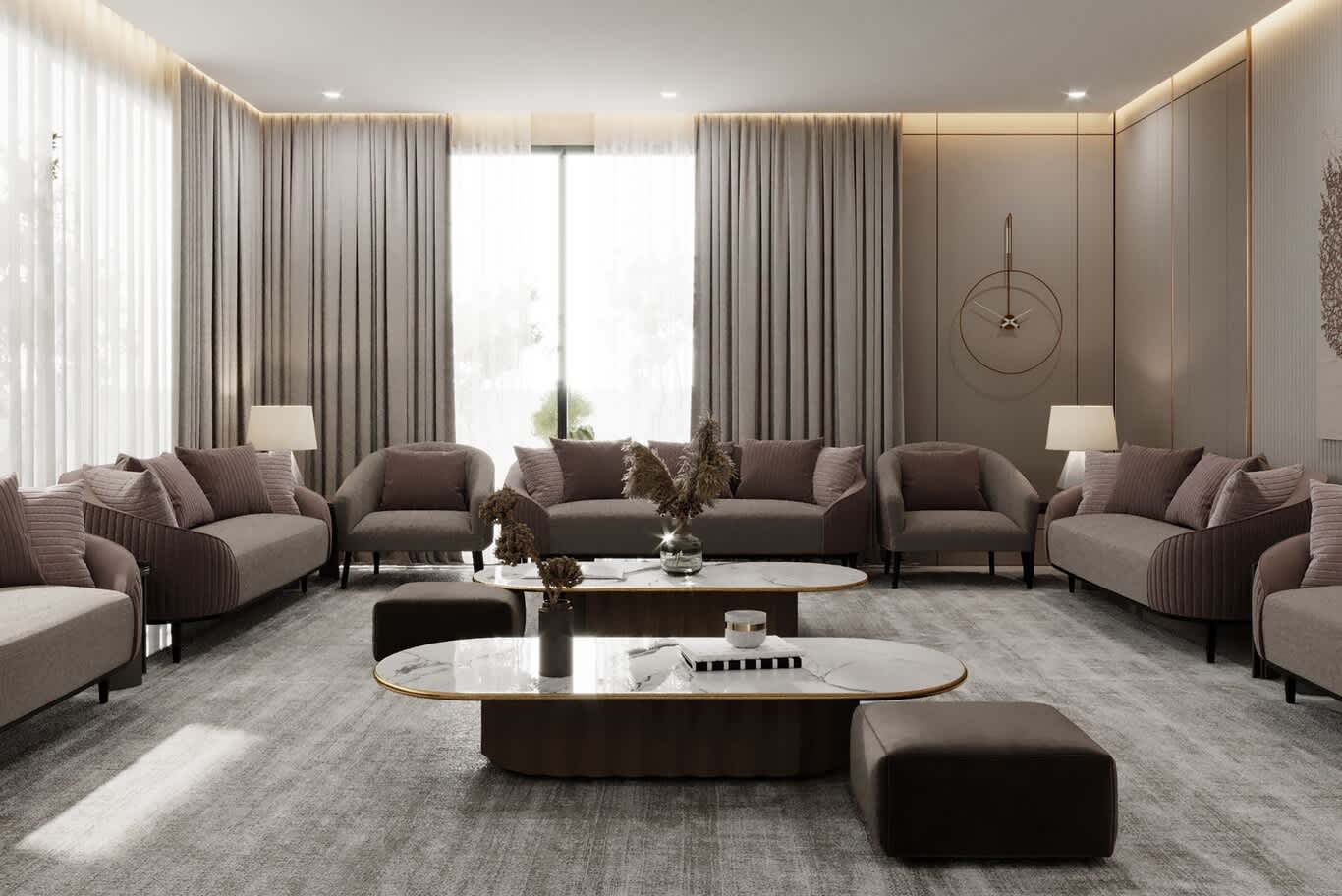
Al Sadu: Qatar's Woven Heritage in the Majlis
Al Sadu weaving is the textile most closely tied to the Qatari majlis. Bedouin women weave it on a ground loom, and the craft once produced everything from the tents called bait al sha'ar, or houses of hair, to camel harnesses, cushions and rugs. UNESCO first inscribed traditional Al Sadu weaving for Saudi Arabia and Kuwait on its Representative List, and later extended the inscription to include Qatar.
Traditional Sadu follows a disciplined palette. Wool is spun on a drop spindle, dyed and woven in a warp-faced plain weave, with black, white, brown, beige and red arranged in narrow bands of geometric pattern. The motifs echo desert life — tent pegs, stars, eyes, combs — and each weaver carries her own variations.
Sadu has also moved into contemporary architecture in Qatar. For a public majlis pavilion, Qatari Al Sadu weavers produced over 360 square metres of textile for its walls, doors and roof, together with eight symbolic rugs set at the entrances. The project showed how a craft once used for tents can clad an entire room.
In a villa today, we specify Sadu in several ways. Authentic handwoven panels make exceptional cushion faces and bolster covers. Framed lengths become wall art or upholstered wall panels, and narrow woven bands can run along the front rail of built-in seating or trim a contemporary sofa. Because handwoven wool is precious, we place it where hands touch it gently and pair it with performance fabrics on seat cushions that take daily wear.
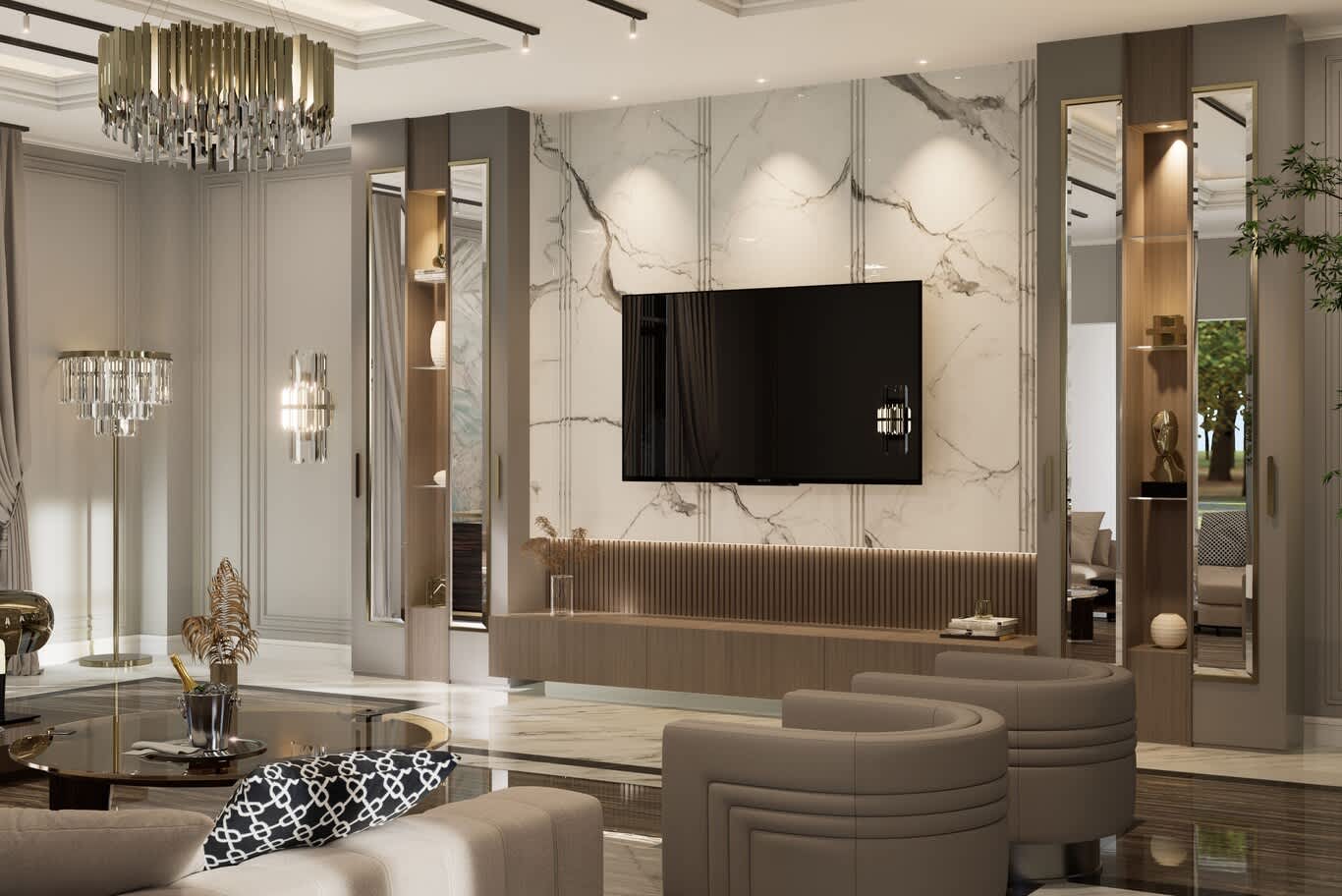
Men's, Women's and Family Majlis
Many Qatari villas include more than one majlis, and each has its own brief.
The men's majlis usually sits closest to the main entrance or in a separate reception wing, sometimes with its own street door, a guest washroom and direct access to a serving pantry. Its scale suits large gatherings, and its finishes favour stone, carved timber, leather and wool that age with dignity. Planning a men's majlis for evenings of hospitality starts with guest flow from the door to the seat of honour.
The women's majlis follows a gentler rhythm. It often has a separate entrance for privacy and connects to a pantry and powder room of its own. Upholstery tends to be softer, lighting more intimate, and decorative mirrors, silk and embroidered textiles appear more often. A well-designed women's majlis with its own entrance and character gives hostesses the same freedom to entertain as the main reception wing.
The family majlis is the most relaxed of the three. Placed deeper inside the home, it hosts close relatives, children and informal visits, and it often doubles as a television room. Sightlines matter throughout: screens, turned corridors and carefully positioned doors keep family spaces private from guests at every point in the plan.
Layouts That Work for Conversation
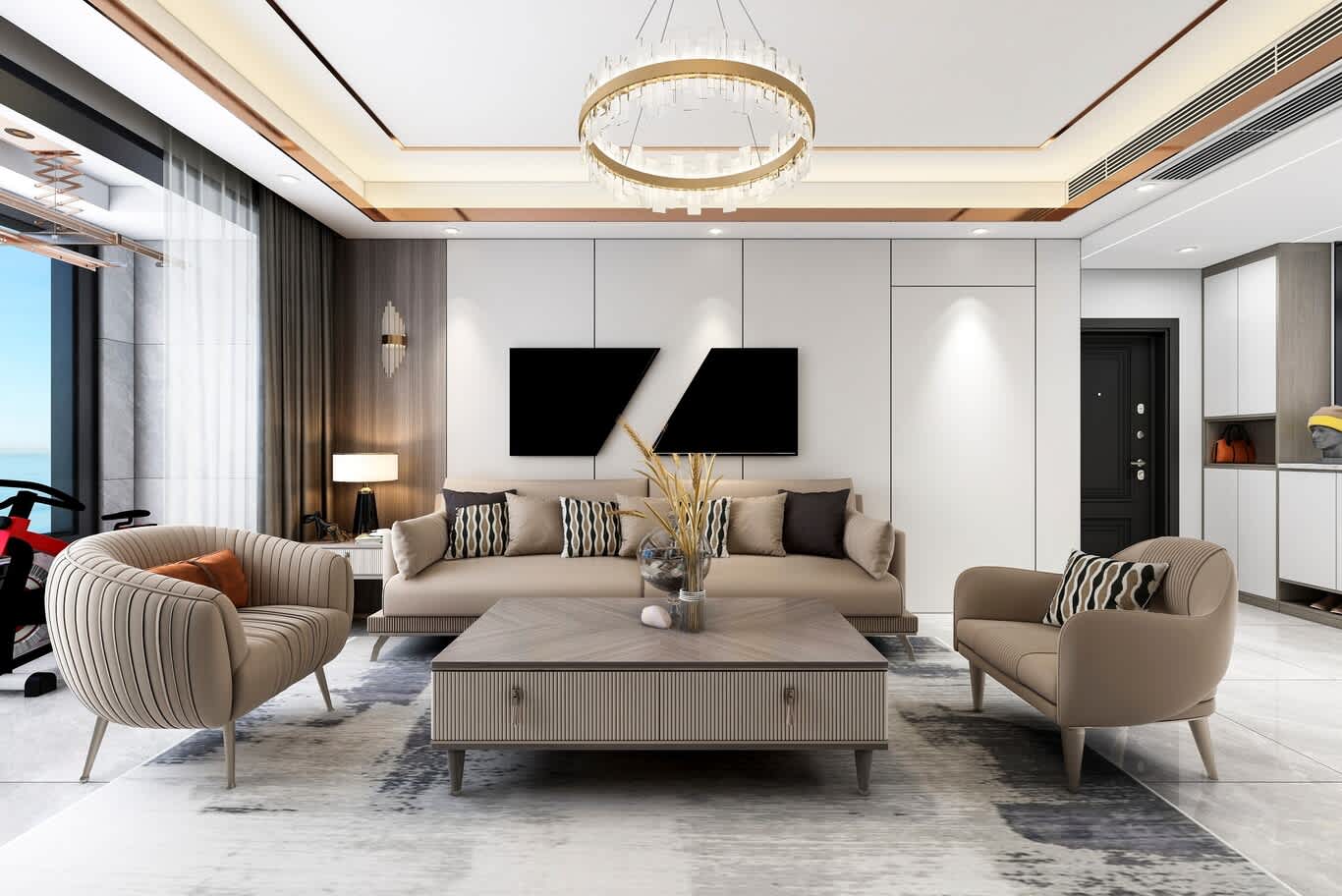
Seating in a majlis faces inward so every guest can see every other guest. The classic arrangement runs continuous seating around the perimeter of the room, with the host's position facing the entrance so arrivals can be greeted immediately.
For larger rooms, a U-shape of sofas around a rug keeps the conversation contained, with the open end toward the door. Paired facing sofas suit narrower rooms, and circular arrangements work well inside open lounges, where a round rug defines the zone. Some of the most distinctive plans use geometry from Islamic art, such as the octagonal majlis centred on an eight-pointed khatam star that we designed for a classic villa, where walls, ceiling and a waterjet-cut marble floor all follow the same lines.
Dimensions make the difference between a room that looks generous and one that hosts comfortably. We work with seat depths of around 60–70cm for upright conversation seating, back heights that support guests through long evenings, and clear walkways of at least 90cm between seating and furniture so coffee service flows freely. Side tables within easy reach of every seat hold finjan cups and dates.
Earlier majlis ideas we explored, such as circular seating for open lounges and L-shaped sofas for smaller rooms, remain useful starting points when you are sketching a first plan.
Floor Seating Reinterpreted
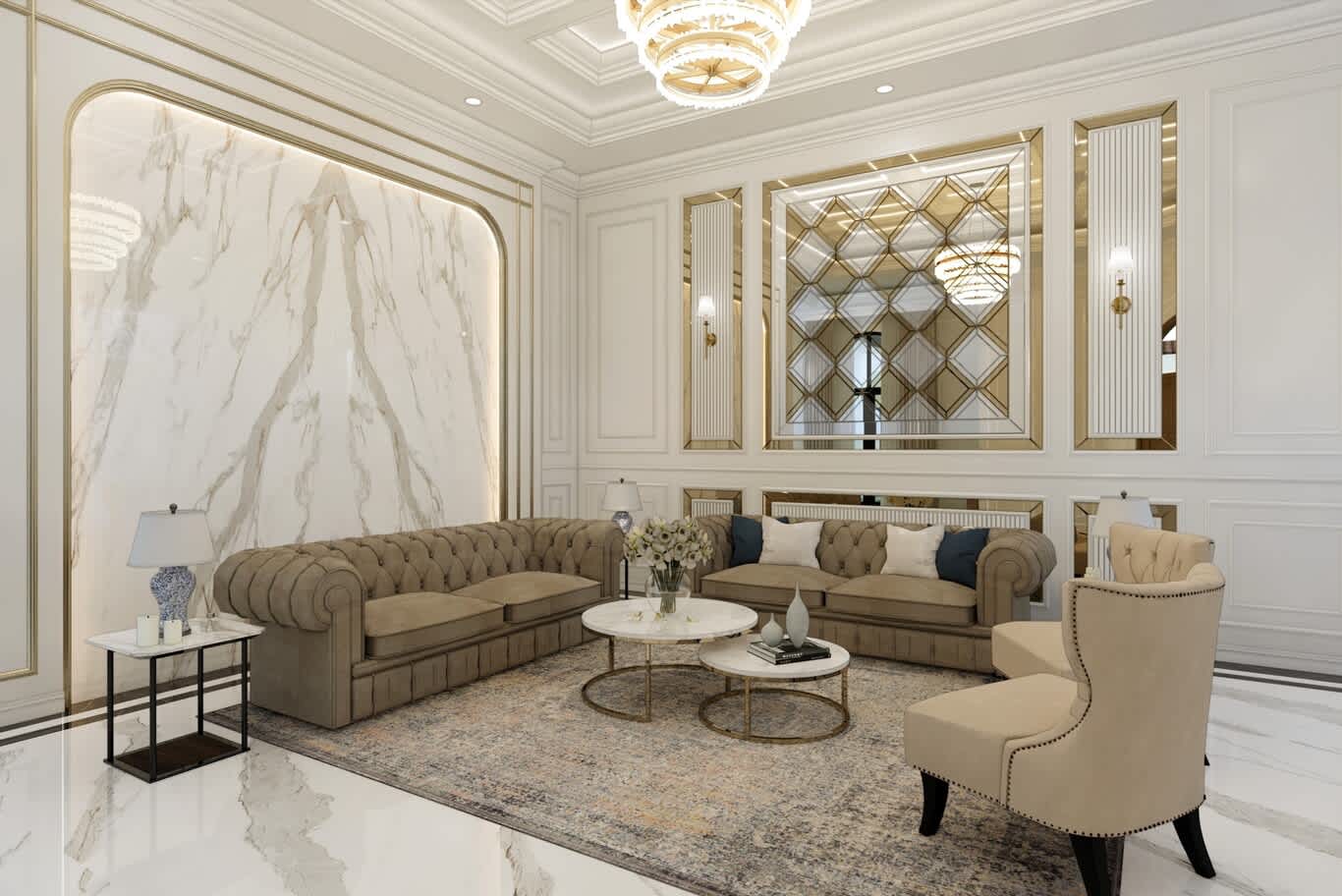
Floor seating connects the contemporary majlis to its roots, and a younger generation of Qatari homeowners is bringing it back with fresh detail.
A raised timber platform of 15–25cm lifts the seating slightly, making it easier to sit and rise and giving the zone a clear edge. Firm cushions line the wall, supported by bolsters, and round woven floor cushions with braided edges gather around a low tray table.
Natural fibres breathe well in warm weather, and removable covers simplify cleaning after large gatherings.
Many families combine floor seating with conventional sofas in the same room, letting older guests choose a higher seat. A leather pouf or low ottoman bridges the two heights. Low-slung sofas with deep seats and wide arms offer a middle ground, keeping the relaxed posture of floor seating with the comfort of upholstery.
You can see woven floor cushions on a raised platform, paired with an ivory velvet sofa and a bronze-trimmed ceiling, among the rooms shaping Doha homes this season.
The Gahwa Ritual and the Serving Corner
Gahwa follows a gracious order. The host or server holds the dallah in the left hand and offers the finjan with the right, beginning with the most senior guest, and a gentle shake of the cup signals that a guest has had enough. Dates, fruit and sweets accompany the coffee, and bukhoor or oud perfumes the room at the end of a visit.
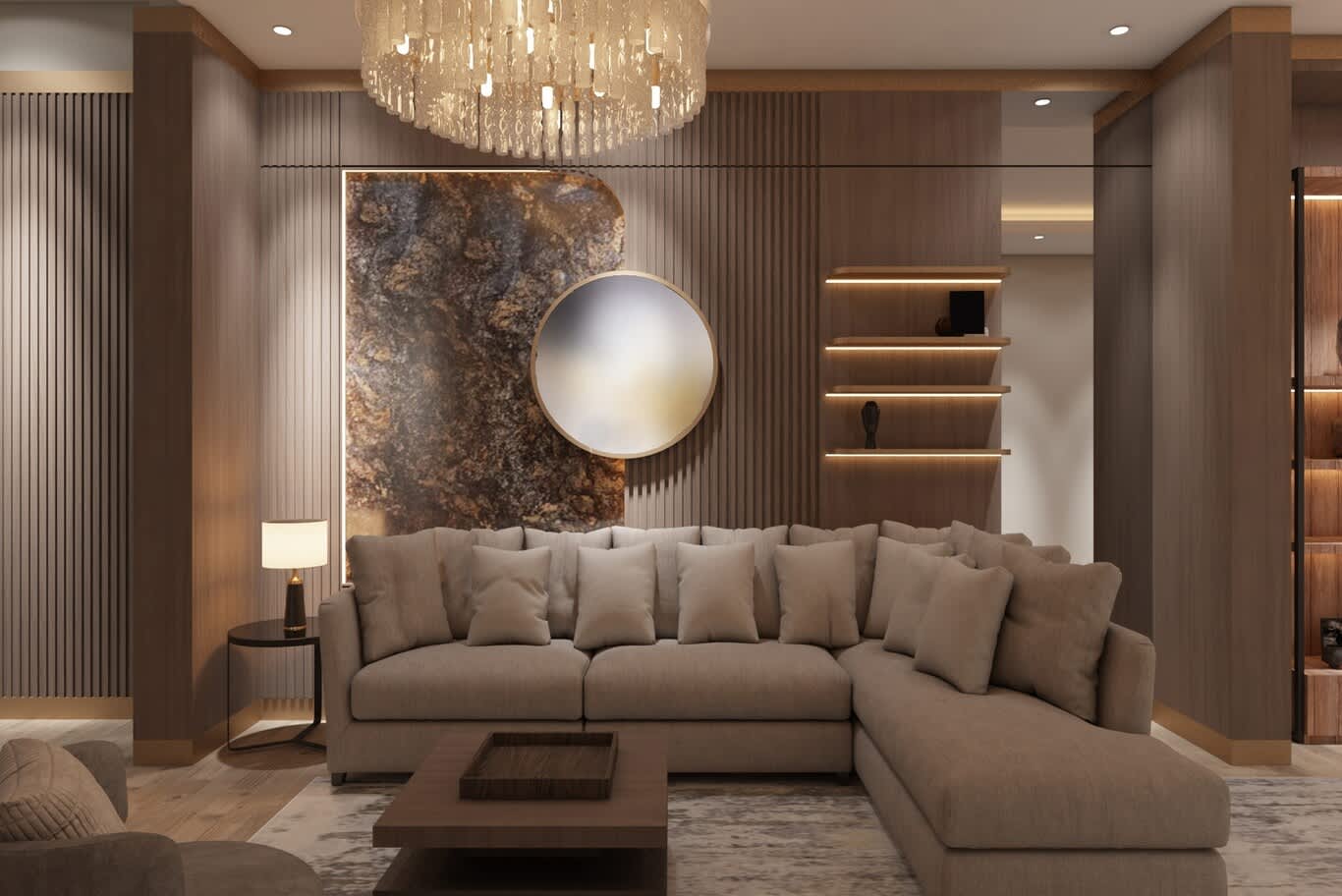
Such a ritual deserves its own architecture. A dedicated serving corner or pantry close to the majlis keeps coffee hot and fresh, and its plan includes:
● Counter surface: stone or brass-edged marble sealed against coffee and cardamom stains.
● Power and water: integrated sockets for warmers and kettles, and a small sink with a brushed brass or gunmetal tap.
● Display niches: lit shelves for dallahs, finjan sets and incense burners, a contemporary echo of the old roshaneh niches.
● Storage: drawers for trays, napkins and date bowls, and cupboards for extra cups during Ramadan.
Ventilation completes the plan. Bukhoor produces fragrant smoke, so we coordinate discreet extraction with the HVAC design, keeping the scent pleasant while protecting upholstery and ceilings from residue.
Materials with Qatari Character
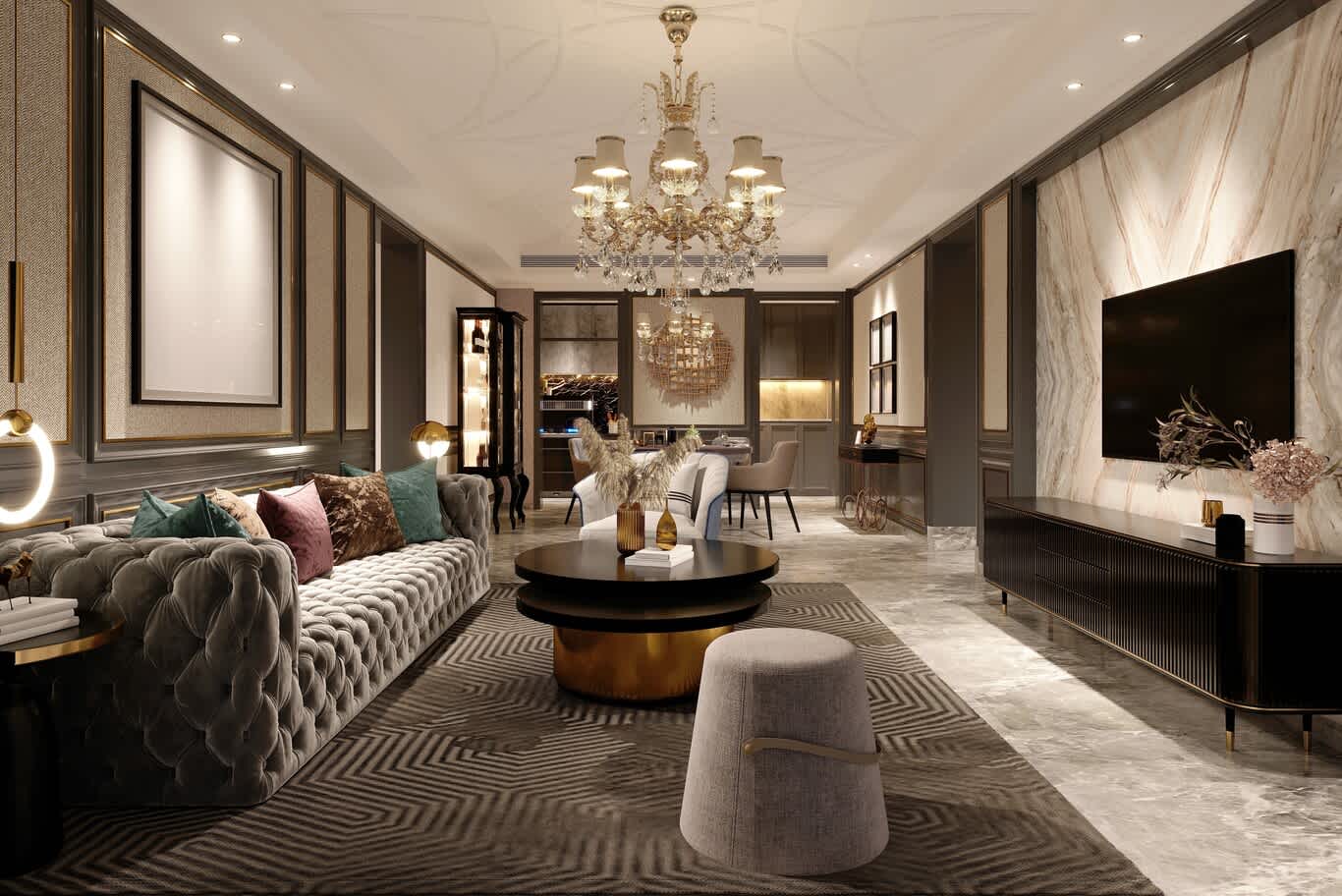
A majlis earns its warmth through materials that feel rooted in the region and hold up to heavy use.
Stone. Honed or leathered limestone and travertine recall the coral-stone walls of old houses, while Calacatta and Statuario marble suit formal reception rooms. Darker stones such as Nero Marquina frame fireplaces and feature walls. For floors that host large gatherings, we favour honed finishes that stay less slippery and hide wear.
Gypsum and plaster. Traditional carved gypsum returns as glass-fibre reinforced gypsum panels, cast with geometric patterns and installed on walls and ceilings. Stucco and polished plaster offer a smoother alternative with soft reflections.
Timber. Carved doors, lattice screens and wall panelling in walnut, oak or teak bring warmth. In air-conditioned rooms, engineered timber with a stable core resists movement far better than solid boards.
Metal. Brass and bronze appear in door handles, lanterns, trims and coffee services. PVD-coated finishes keep their colour through years of polishing.
Textiles. Wool Sadu, silk, velvet and handwoven rugs carry colour and softness. Velvets rated above 40,000 Martindale rubs suit busy seating, and solution-dyed yarns protect colour near windows.
The luxury of a majlis has always lived in handicraft, and earlier advice on how carpets and cushions echo ceiling inscriptions captures a principle that remains just as true in a modern room.
Ceilings, Light and Acoustics
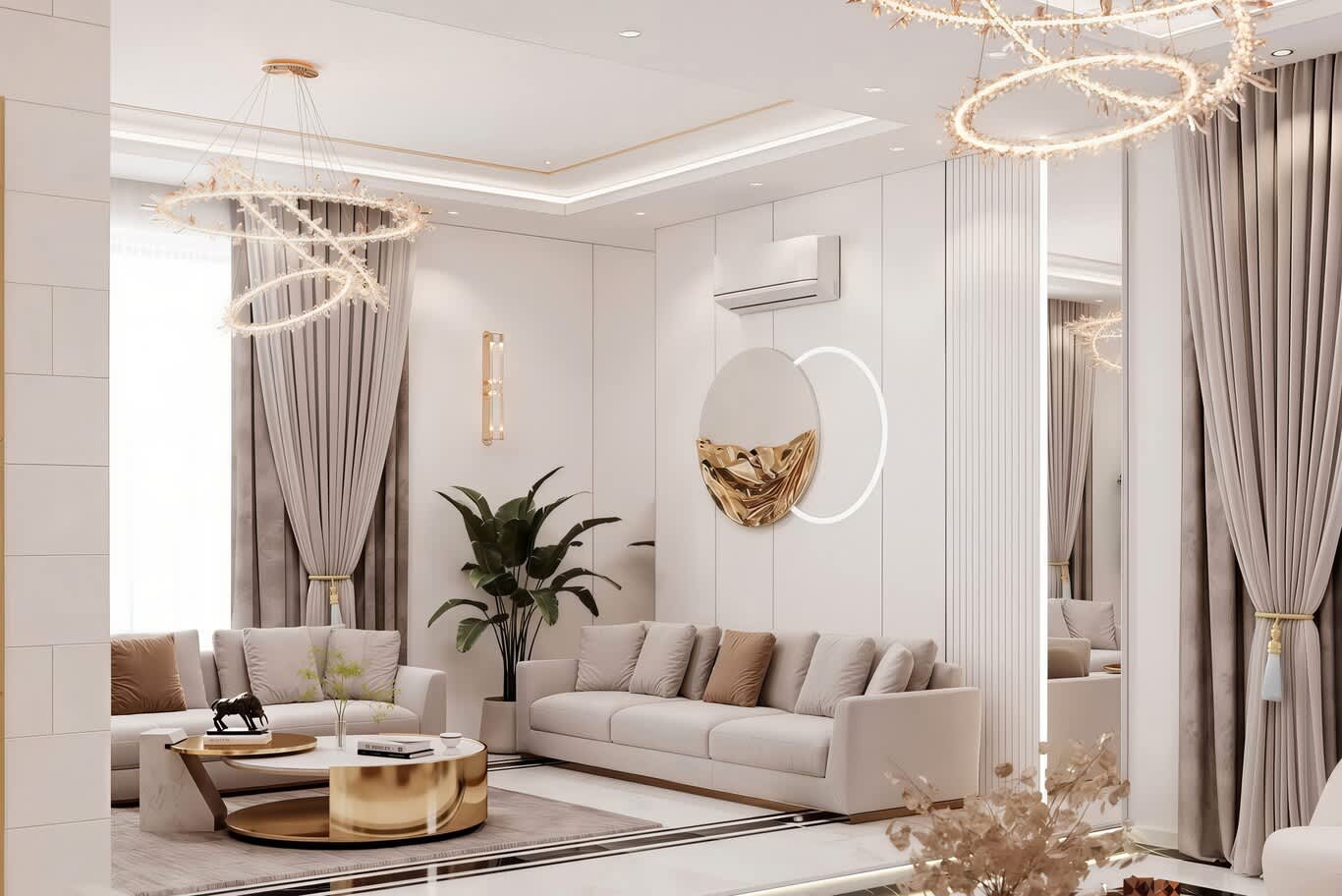
Look up in a well-designed majlis and the ceiling carries as much story as the walls. Geometric plaster ceilings inspired by Islamic star patterns, carved timber coffers and multi-level tray ceilings with cove light all give the room a sense of occasion.
Lighting needs layers. Cove LED at 2700K bathes the ceiling in warm light, decorative chandeliers or lantern-inspired pendants provide the focal point, and adjustable downlights illuminate art and coffee service. Dimming and pre-set scenes — welcome, dinner, late evening — let the host shift the mood with a single touch. Warm colour temperatures flatter faces and fabrics through long evenings.
Acoustics deserve equal attention. A room full of voices on stone floors quickly becomes loud, so we introduce fabric wall panels, acoustic plaster, heavy drapery and large rugs. For substantial reception rooms, we aim for acoustic panels with a noise reduction coefficient of 0.7 or higher, which keeps conversation clear even when every seat is taken.
Classic and Contemporary Directions
Qatari majlis design today spans a wide range of registers, and many families choose a blend.
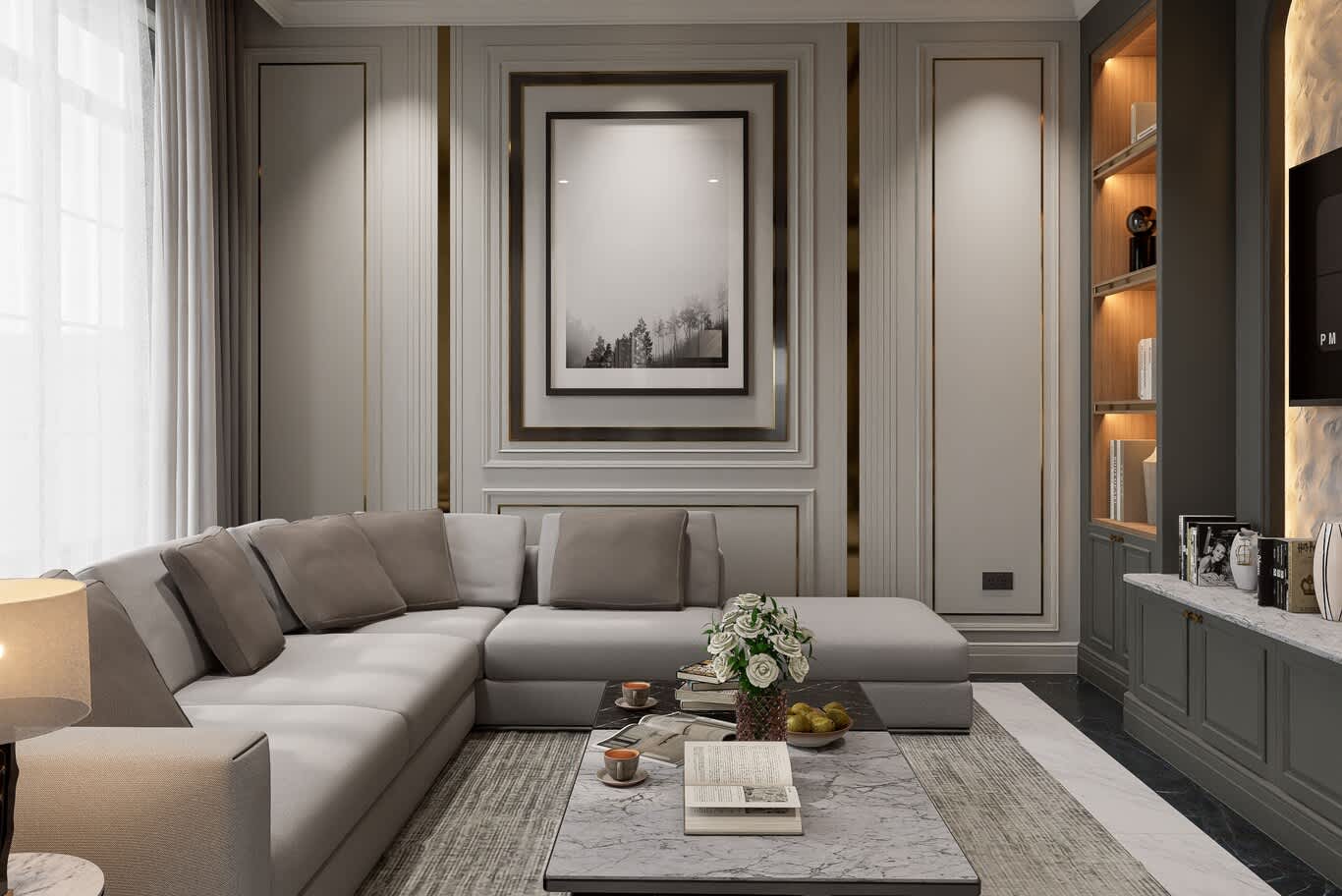
Classic. Symmetrical layouts, gilded plaster mouldings, crystal chandeliers and upholstered sofas with carved frames create a formal atmosphere. Silk damask, velvet and deep jewel tones suit the style.
Contemporary. Clean-lined sofas, microcement or plaster walls, bronze reveals and minimal ornament give the room calm. Sadu bands on neutral upholstery add heritage in a quiet way. Our earlier ideas for a contemporary majlis explore tonal palettes and modern materials in more depth.
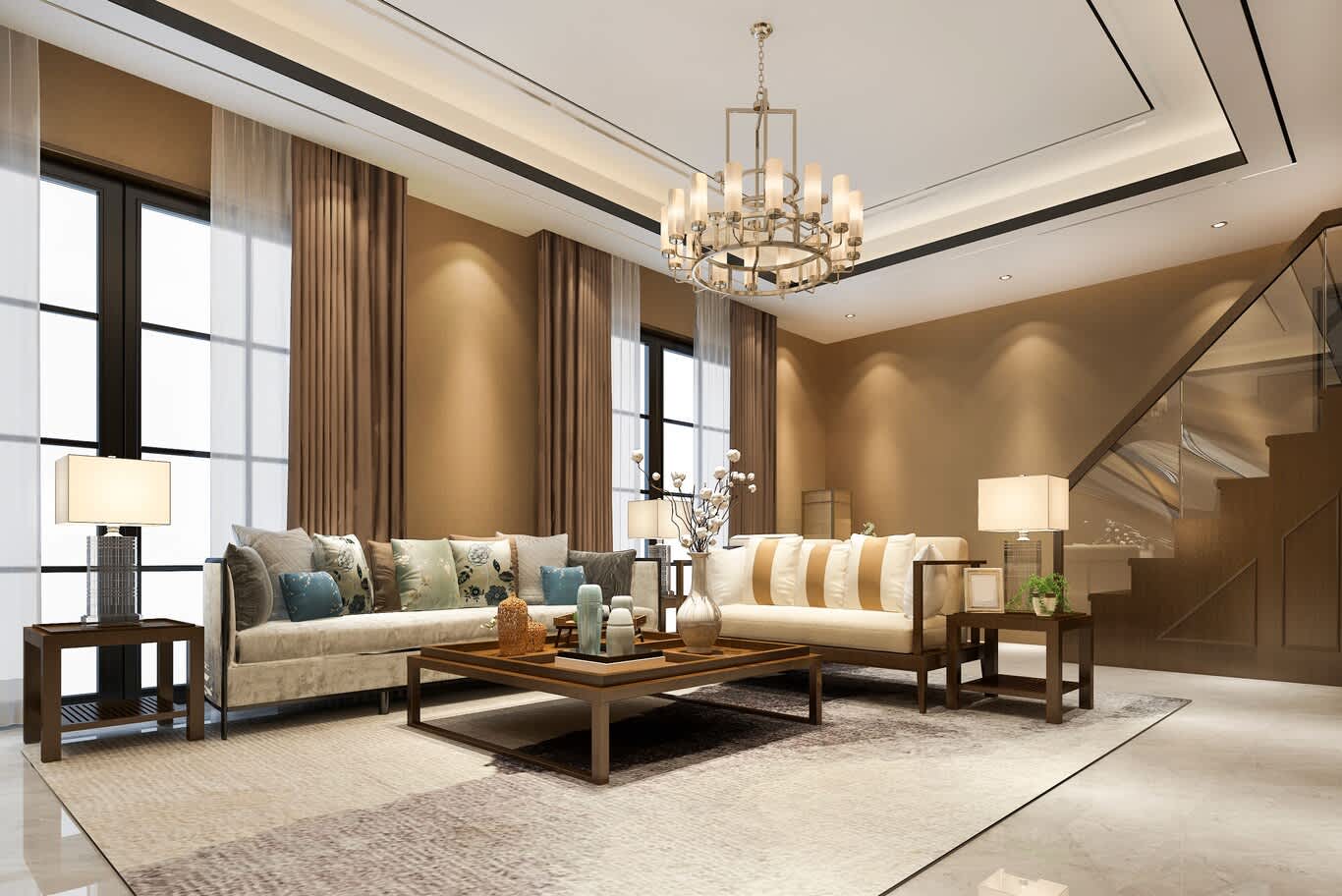
Heritage-modern. Carved gypsum patterns reinterpreted in panels, lattice screens in timber or metal, lantern pendants and natural stone combine traditional references with modern comfort. The approach suits families who want the room to feel unmistakably Qatari.
Regional inspirations. Some homeowners borrow from other Arab traditions for a second majlis or a family room. A Moroccan-style majlis with carved plaster and zellige tiles brings vivid colour and pattern.
For a wider view of seating, décor and villa layouts across Arab styles, see how modern Arabian majlis interiors balance comfort and tradition.
Designing a Women's Majlis with Warmth
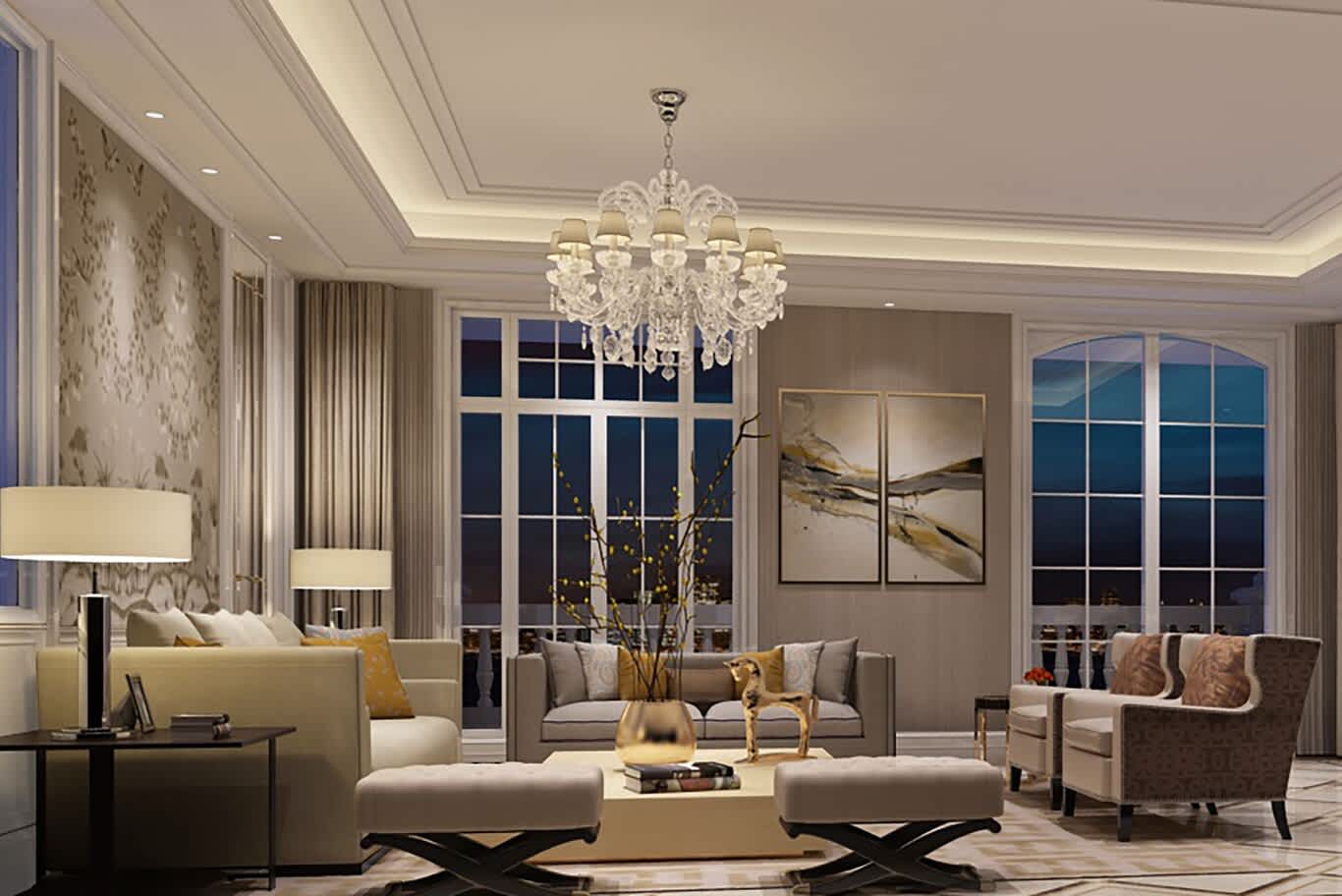
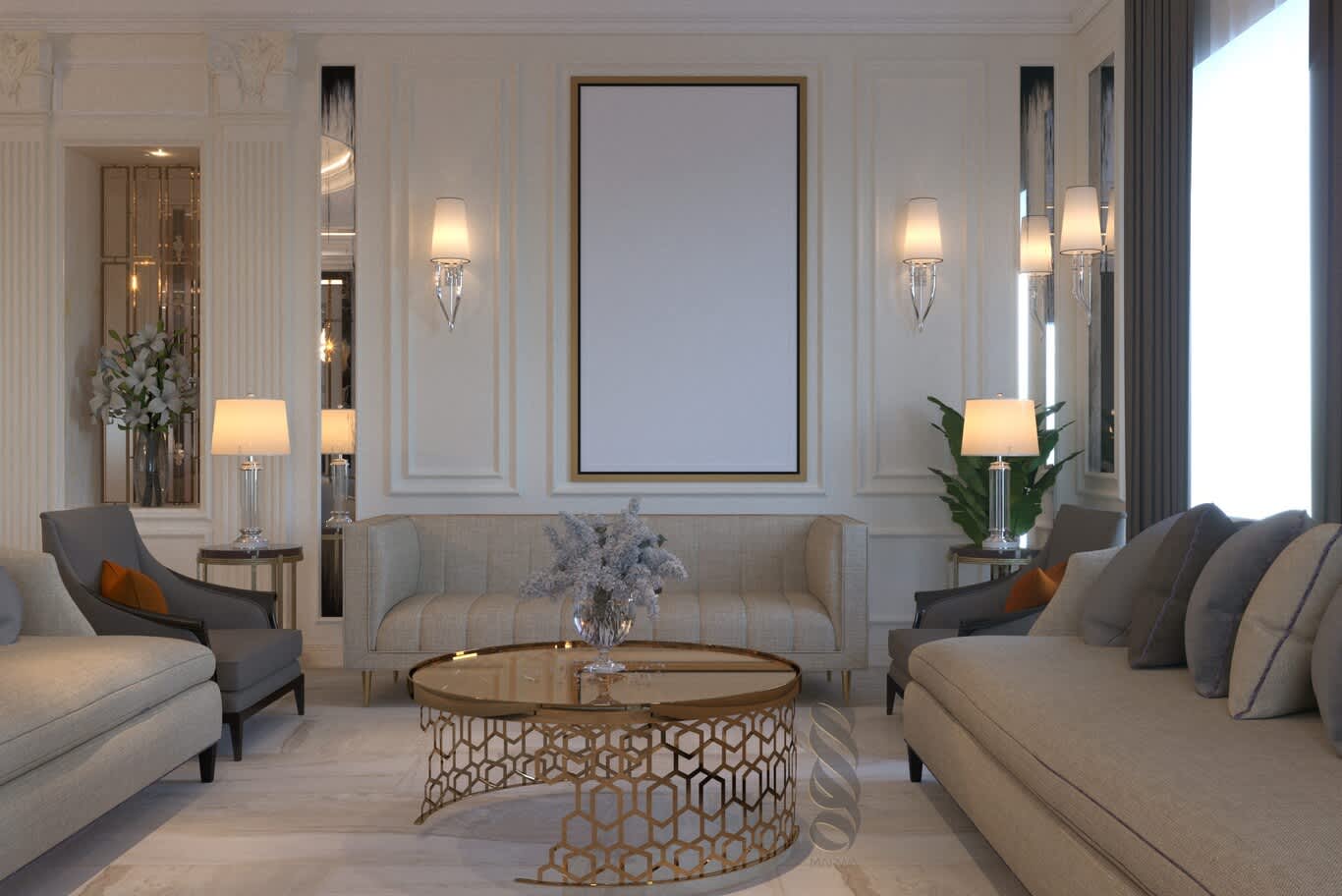
The women's majlis often becomes the most personal room in the house. Softer colours, patterned cushions, gold accents and intimate lighting create an atmosphere for relaxed gatherings. A mix of warm and cool tones keeps the room lively.
Families often ask for flexible arrangements — sofas for formal visits, floor cushions for close friends and a small table for sweets and tea. Our ideas for an elegant ladies' majlis cover colour combinations and decorative details that bring the room to life.
Designing for Ramadan and Eid Gatherings
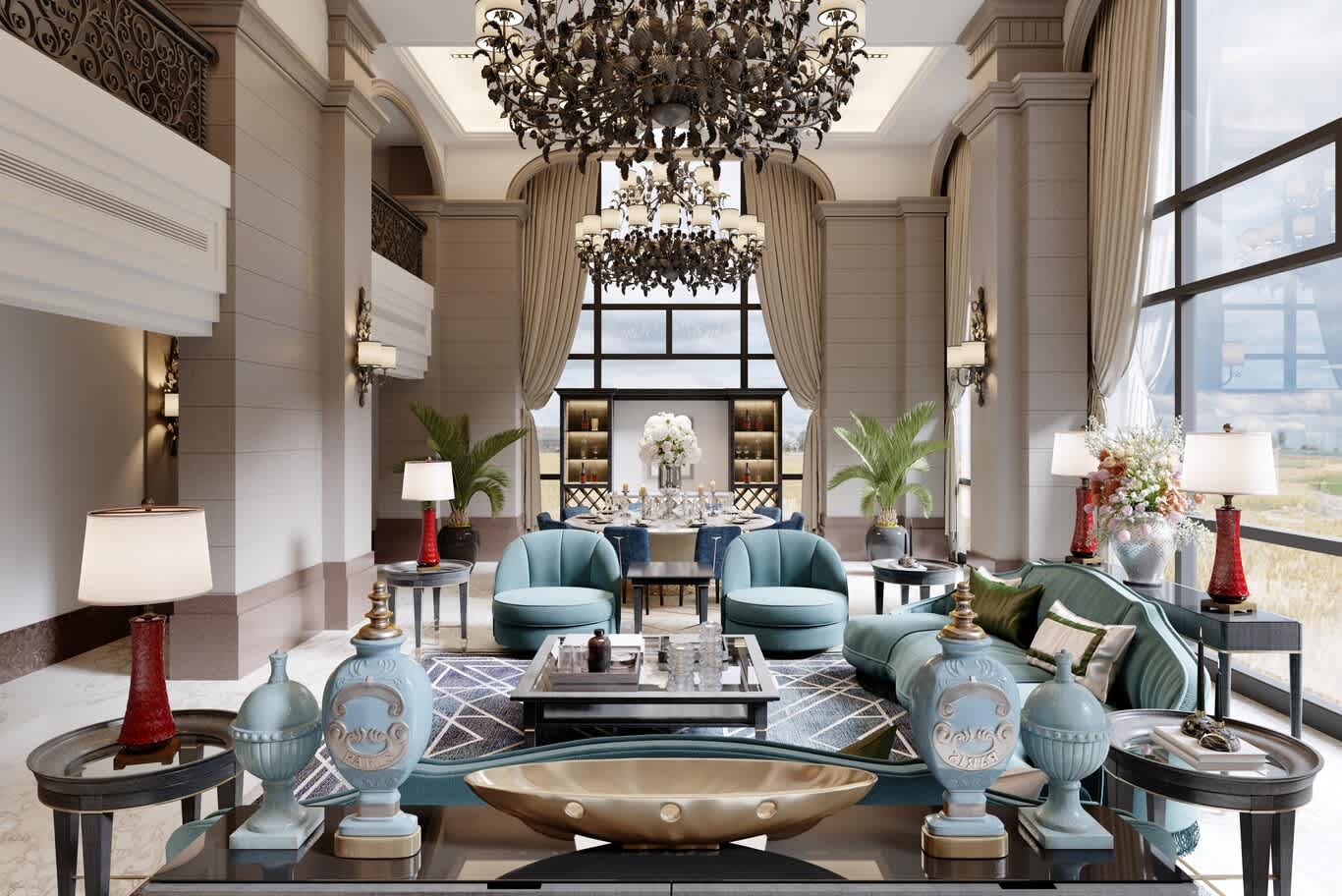
Ramadan transforms the majlis into the busiest room in the house. Families host iftar at sunset and ghabga late into the night, and guest numbers can double or triple.
Flexibility is the key. Modular seating that extends along a wall, stackable poufs and folding tables stored in nearby cupboards let the room expand quickly. A lighting scene for iftar, warm and bright, can shift to a softer scene for late-night conversation.
Serving capacity grows too. A larger pantry, extra warming drawers and generous counter space handle trays of dates, dishes and coffee for many guests. Durable, stain-resistant upholstery and washable rugs make the busy season easier.
Eid brings its own rhythm, with visits stretching across several days. A clear route from entrance to majlis to washroom keeps the flow comfortable for guests arriving through the day.
Planning and Budgeting a Majlis
A majlis concentrates more of the interior budget than most rooms. Custom seating, feature ceilings, layered lighting, acoustic treatment and handcrafted textiles all sit in the same space, and every surface is seen by guests.
Planning the majlis early in the design process lets its structure, ceiling void and services develop together with the rest of the villa. Our guide to what luxury interiors cost across Qatar breaks down the allowances for majlis, reception rooms and suites in more detail.
Create Your Majlis with Algedra
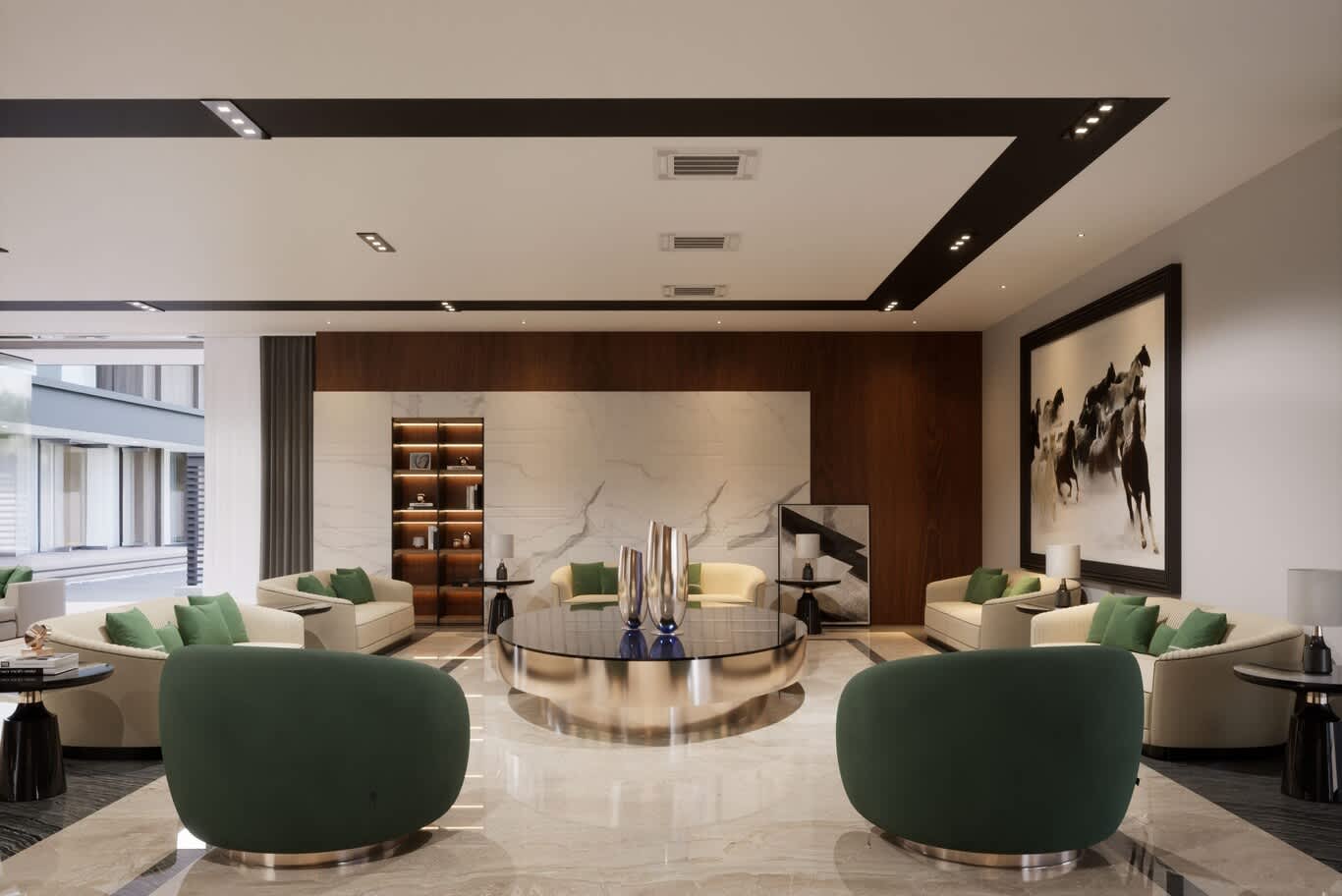
A majlis carries a family's welcome, and our designers approach it with the care that tradition deserves — from the placement of the door and the coffee pantry to the weave of every cushion.
Discover our residential interior design across Qatar for villas, palaces and reception wings.
Speak with our designers about your majlis.
Frequently Asked Questions
What is a Qatari majlis?
A Qatari majlis is a reception room for welcoming guests, gathering family and hosting social occasions. Traditionally positioned near the entrance of the house, it features seating arranged around the room, carpets, cushions and a coffee service at its heart.
How should majlis seating be arranged?
Perimeter seating or a U-shape facing inward suits most rooms, with the host's position facing the entrance. Allow walkways of around 90cm so coffee can be served easily.
What is Al Sadu and how is it used in interiors?
Al Sadu is traditional Bedouin weaving made on a ground loom in bands of geometric pattern. UNESCO lists it as intangible cultural heritage shared by Qatar, Saudi Arabia and Kuwait. In interiors, it works beautifully as cushion faces, wall panels and trims on seating.
What colours suit a modern majlis?
Warm neutrals such as ivory, sand and taupe form a calm base. Sadu reds, deep browns and black add heritage, while bronze, brass and jewel tones bring richness to formal rooms.
How do you design a majlis for large gatherings?
Use modular seating, stackable poufs and nearby storage for folding tables. Add lighting scenes for different occasions, acoustic treatment and a well-equipped serving pantry.
What is the difference between a men's and a women's majlis?
A men's majlis usually sits near the main entrance with a formal, robust finish. A women's majlis often has a separate entrance, softer upholstery and more intimate lighting.
FREE CONSULTATION
TELL US ABOUT YOUR PROJECT
WE WOULD LOVE TO HEAR FROM YOU
Feel free to reach us via this contact form and one of our Design Consultants will get back to you at earliest.
OUR BRANCHES
UAE - DUBAI
+971 52 8111106 | hello@algedra.ae
TURKEY - ISTANBUL
+90 533 701 89 71 | info@algedra.com.tr
Leading Interior Design and Decor Company in Dubai and Abu Dhabi.
Algedra is a reputable, internationally recognized, and one of the most successful interior design companies in Dubai, and Abu Dhabi, which specializes in delivering interior design, architectural, and creative space planning projects throughout GCC, MENA, North Africa, Turkey and Russia.
Algedra is a one-stop solution for all your residential interior design and fit-out needs. We have successfully completed numerous villa interior and exterior design projects, where we integrated quality and originality to deliver interior masterpieces.
ALGEDRA, Interior Design Company in Dubai, is specialized in providing elegant and stunning interior design services for both residential and commercial projects. We turn our clients' dreams into reality, trans- lating their tastes and needs into beautiful and functional spaces.
Since the day we were founded, we have designed and built many branded residences, resorts, hotels, multi-purpose social spaces, and palace designs with different functions and concepts by following the ever-changing design trends over the world.
A key element of our work is a fusion of different cultures and designs, combining Greek, Italian, Eastern and Western influences with British innovation.
As a team of highly qualified interior designers and engineers, Algedra offers complete architectural services from mall design to corporate office design as well as the exterior design of any project based on customers' needs.
Our customers include leading names, we have completed diverse projects in hospitality, landscape, commercial, and residential designs. These projects contain cafes, restaurants, gym, villas, family sitting rooms, bedrooms, kitchens; all showcasing our company's exquisite details and high-end designs.
Residential Interior Design in Dubai
Algedra's interior designers and architects have an important mission: building villas, houses, apartments, condos, and anywhere else where you reside that will fulfill your needs while being structurally safe and sound.
Architectural Designs
There are so many details that go into designing an architectural design project. Every step of the project has been carefully considered for safety and daily comfort by Algedra's experts.
Commercial Design
Conceptualizing spaces for business, to elevate style, and to increase functionality to help enhance the bottom line of a company is vital, as well as employee comfort and interior design too. Our commercial interior designers translate client's concept in ways that are efficient, attractive and provide professional workspaces.
Fit-out Projects
Algedra Interiors delivering high-quality tailored fit-out projects that transform your villas, palaces and commercial spaces.
We're a passionate team of interior designers, architects and engineers. Every day we help clients to solve interior design problems and create engaging spaces!
Wherever you are in Kuwait, Saudi Arabia, Azerbaijan, Qatar, Morocco, Algeria, Tunisia, Libya, Egypt; don't hesitate, contact us to find out more about why we are one of the best interior design companies in Dubai and Abu Dhabi!